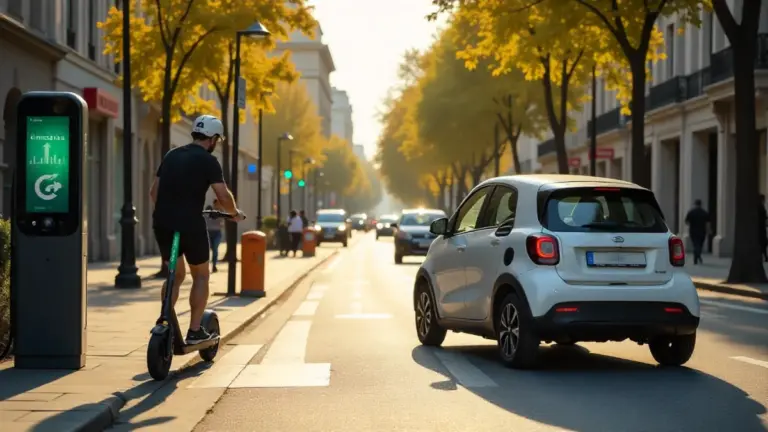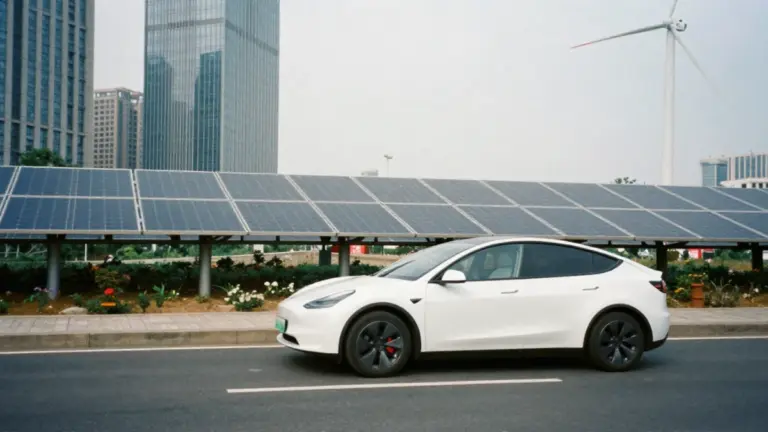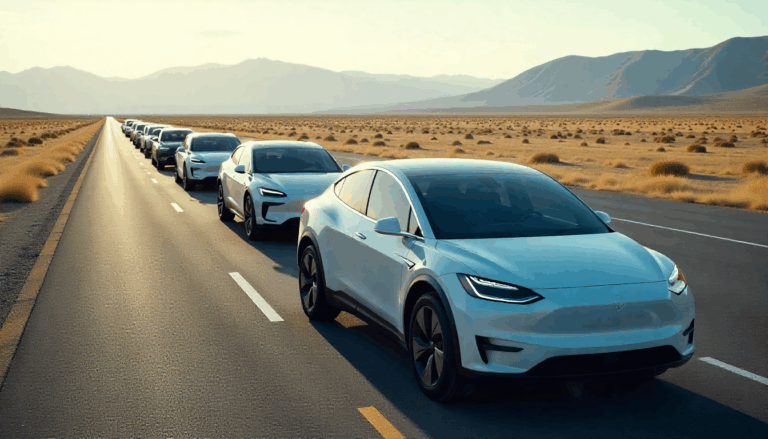
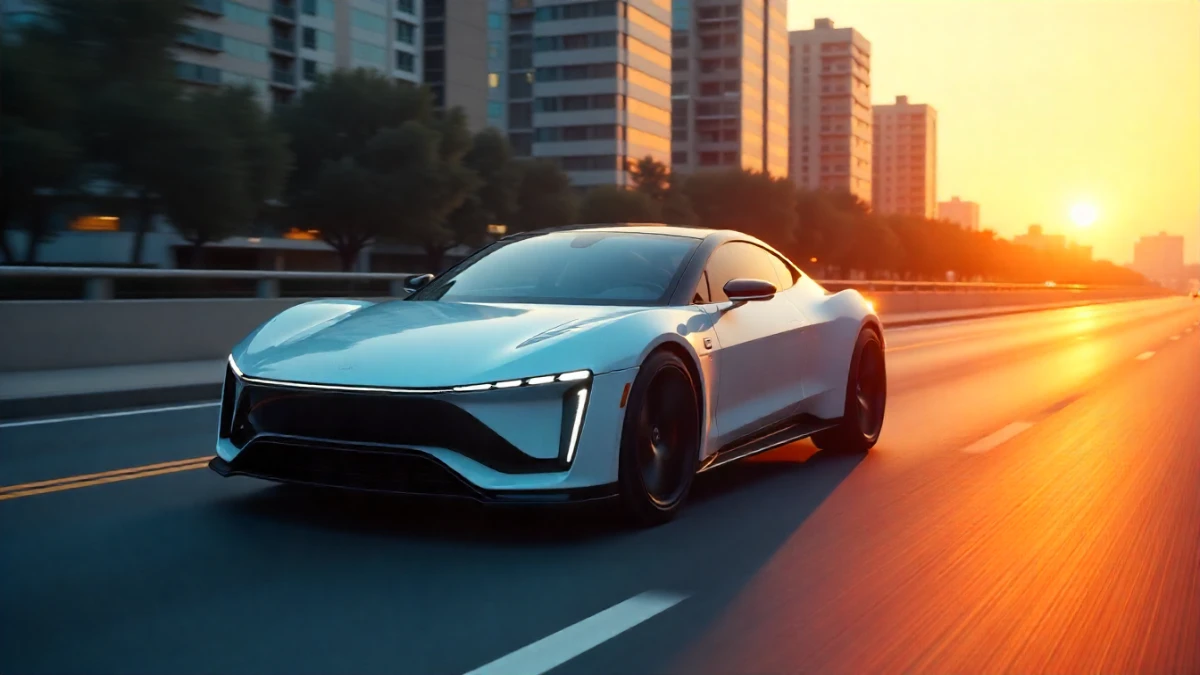
Remember when electric cars were those quirky, golf-cart-looking things that only early adopters and tech fans would consider? Yeah, those days are long gone. Walk through any parking lot today, and you’ll spot Teslas, Rivians, and electric SUVs from nearly every major manufacturer. Something big has shifted, and the numbers tell a story that’s hard to ignore.
In 2023, global electric vehicle sales hit 14 million units—representing about 18% of all new cars sold worldwide. To put that in perspective, that’s triple the adoption rate from just three years earlier. If you’re wondering whether EVs are just a passing trend or the real deal, the data is screaming the answer: electric cars aren’t coming anymore. They’re already here.
But what’s really driving this surge? And more importantly, what does it mean for you when you’re shopping for your next car? Let’s dig into the numbers, the trends, and the real-world factors that are turning electric vehicles from niche products into your neighbor’s daily driver.
The Numbers Don’t Lie: EV Adoption Is Accelerating Fast
Here’s where things get interesting. Electric vehicle adoption isn’t growing steadily—it’s accelerating. Think of it like compound interest for your savings account, except instead of money, we’re talking about millions of cars hitting the roads.
China leads the pack with over 60% of global EV sales, but Europe and North America are catching up fast. In Norway, electric cars now account for nearly 90% of new vehicle sales. Yes, you read that right—nine out of ten new cars sold in Norway are electric. Germany, the UK, and France are all pushing past 20% adoption rates, while the United States hit about 9% in 2023, with states like California reaching over 25%.
What’s fascinating is the trajectory. Most analysts predict that by 2030, electric vehicles will represent 40-50% of new car sales globally. Some markets, particularly in Europe and China, might hit 60% or higher. That’s not some distant future—that’s just six years away. Your next car purchase could very well coincide with a moment when choosing electric is as normal as choosing an automatic transmission over a manual.
The hockey-stick curve in adoption tells us something crucial: we’ve crossed a threshold. Early adopters have paved the way, infrastructure is catching up, and now the mainstream market is making the leap.
What’s Actually Driving People to Go Electric?
Let’s be honest—people don’t buy cars because of stats or government targets. They buy them because the vehicles make sense for their lives. So what’s finally tipping the scales?
The Price Gap Is Closing Fast
For years, the biggest barrier was simple: electric cars cost too much. A base model EV would run you $40,000 or more, while comparable gas cars sat comfortably in the $25,000-$30,000 range. That price gap was hard to justify for many families.
But here’s what’s changed. Battery costs have plummeted by nearly 90% over the past decade. Automakers can now build EVs at lower costs, and they’re passing some of those savings to consumers. You can now find solid electric vehicles like the Chevrolet Equinox EV starting around $35,000, and the Nissan Leaf can be had for even less. When you factor in fuel savings—we’re talking $800 to $1,500 per year depending on your driving—and lower maintenance costs, the total cost of ownership often beats a comparable gas car within 4-5 years.
Federal tax credits of up to $7,500 in the US and similar rewards worldwide sweeten the deal even further. Suddenly, going electric isn’t just a green choice; it’s becoming the smart money move.
Range Anxiety Is Becoming Range Reality
Remember when 100 miles of range seemed impressive? Those days feel like ancient history now. Modern electric vehicles routinely deliver 250-300 miles on a single charge, with premium models like the Mercedes EQS reaching over 400 miles. For context, the average American drives about 40 miles per day. That means most EV owners charge once or twice a week, just like you’d fill up a gas tank—except you do it at home while you sleep.
The charging network has exploded too. There are now over 130,000 public charging stations in the US alone, with that number growing every month. Road trips that once needed careful planning? They’re increasingly easy, especially with fast-charging networks that can add 200 miles of range in about 20-30 minutes.
Is charging as quick as pumping gas? Not yet. But for most people, the ease of home charging more than makes up for it. Think about it: when was the last time your gas car magically refueled itself overnight in your garage?
The Cars Themselves Have Gotten Really, Really Good
Here’s something that doesn’t get talked about enough: modern electric cars are just fantastic vehicles, period. Forget the environmental angle for a second. EVs offer instant torque that makes them thrillingly quick off the line—even family-friendly models feel sporty. They’re whisper-quiet, creating a serene driving experience that makes highway trips less fatiguing. The low center of gravity from floor-mounted batteries gives them balanced handling that luxury brands would envy.
Plus, there’s the tech factor. Most EVs come loaded with cutting-edge features: massive touchscreens, over-the-air updates that add new features after you buy, advanced driver assistance systems, and smartphone integration that lets you precondition your car from bed on cold mornings.
Test drive a modern EV, and you’ll understand why adoption rates are surging. These aren’t compromise vehicles anymore—they’re often superior to their gas-powered counterparts in daily driving scenarios.
Regional Differences: Why Some Places Are Going Electric Faster
The adoption story isn’t the same across the globe, and learning why certain regions are racing ahead offers clues into what speeds up the shift.
Europe’s Aggressive Push
European countries are betting big on electric mobility, and it shows. Tough emissions rules, generous rewards, and firm phase-out dates for gas engines are creating a perfect storm for EV adoption. Norway offers the most dramatic example, with tax breaks, free parking, and toll road access making EVs far cheaper than gas cars.
The UK plans to ban new gas and diesel car sales by 2035, while the European Union is pushing for 2035 as well. When you know your next gas car might be your last one, suddenly that electric option looks a lot more tempting.
China’s Manufacturing Powerhouse
China isn’t just buying EVs—they’re building them at scale. Local brands like BYD, NIO, and XPeng are making cheap, high-quality electric vehicles that compete with legacy automakers. Government support, urban air quality worries, and a huge home market have turned China into the world’s EV factory.
What’s interesting is that many Chinese EVs are now being sent overseas, boosting competition and pushing down prices everywhere. That’s good news for buyers worldwide.
The US: Slower But Accelerating
The United States has lagged behind Europe and China, but the gap is closing. Geographic challenges—we love our long-distance road trips—and a robust domestic oil industry have slowed adoption. But federal incentives through the Inflation Reduction Act, massive investments in charging infrastructure, and Americans’ growing interest in innovative technology are changing the equation.
States like California, Colorado, and Washington are leading the charge, with adoption rates comparable to many European countries. As more Americans see EVs in their neighborhoods and hear positive experiences from friends and family, that social proof is accelerating adoption in previously skeptical regions.
What This Means for Your Next Car Purchase
So here’s the real question: should you go electric on your next car? The answer depends less on whether EVs work and more on your specific needs.
When Going Electric Makes Perfect Sense
If you have a garage or set parking spot where you can install a Level 2 charger, you’re already ahead of the game. Your daily commute is under 100 miles roundtrip? An EV will handle it with ease—and you’ll rarely need public charging. Buying a second household vehicle used mainly for local errands and commuting? An EV is almost a no-brainer.
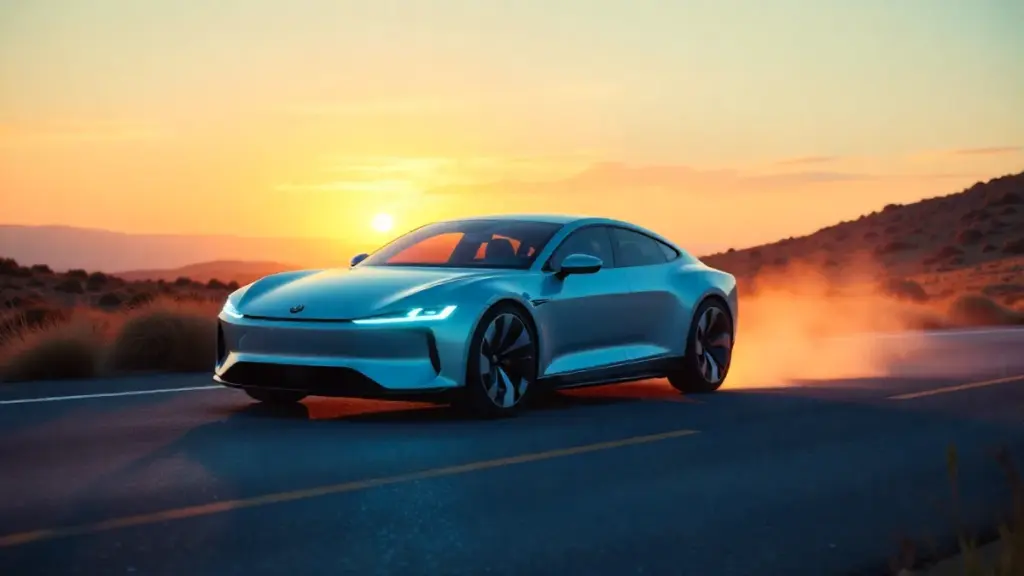
For many city and suburb dwellers, electric cars already offer more ease than gas vehicles. No more stops at gas stations, no oil changes, no transmission work. Just plug in at night and wake up to a “full tank” every morning.
When You Might Want to Wait (Or Go Hybrid)
If you’re an apartment dweller without set parking, charging becomes trickier. While public charging spots are growing, relying only on them needs more planning. Do you regularly drive 300+ miles per day for work? Current EVs might not be the most practical pick—though that’s changing rapidly.
Not ready to go full electric? Plug-in hybrids offer a solid middle ground. You get 30-50 miles of electric range for daily driving, with a gas engine for longer trips. It’s the best of both worlds while the charging network continues to grow.
The Resale Value Question
Here’s something to think about: as adoption speeds up and more countries announce phase-out dates for gas cars, the resale value picture is shifting. Gas cars might face value drops as the used car market leans more toward EVs. On the flip side, EV tech is improving so fast that today’s models might lose value faster than regular vehicles as better, cheaper options hit the market.
The sweet spot? Planning to keep your car for 7-10 years means these short-term value concerns matter less than the long-term savings on fuel and upkeep.
The Road Ahead: What’s Coming Next
The EV revolution isn’t slowing down—if anything, it’s picking up speed. Here’s what’s on the horizon that will push adoption even higher.
Better Batteries and Faster Charging
Battery tech keeps getting better, with solid-state batteries offering faster charging, longer range, and lower costs within the next 3-5 years. Imagine adding 300 miles of range in 10 minutes. That’s the goal, and we’re getting close.
More Affordable Options Are Coming
More cheap choices are hitting the market every quarter. The sub-$30,000 EV with 250+ miles of range is becoming real, opening electric mobility to a much wider crowd. Legacy automakers like Ford, GM, Volkswagen, and Toyota are finally going all-in with huge bets on electric platforms.
Charging Infrastructure Keeps Expanding
Charging networks are growing fast, with governments and private companies putting in billions. The worry around finding a charger is fading as networks become as common as gas stations.
The Used EV Market Is Maturing
Perhaps most importantly, the used EV market is growing up. In a few years, you’ll be able to buy a 3-4 year old electric car with 200+ miles of range for $20,000 or less. That’s when EV adoption will truly explode—when going electric becomes the clear pick for budget-minded buyers, not just new car shoppers.
Your Move: Riding the Wave or Watching from Shore
Electric vehicle adoption is accelerating faster than almost anyone predicted five years ago. What seemed like a niche market for environmental enthusiasts has transformed into a mainstream automotive revolution. The combination of improving technology, falling prices, expanding infrastructure, and genuinely compelling vehicles has created momentum that’s hard to reverse.
For you, the question isn’t really “if” anymore—it’s “when.” When does going electric make sense for your driving needs, your budget, and your lifestyle? For a growing number of people, that answer is “right now.” For others, it might be “in 2-3 years when I replace my current car.”
Either way, understanding these adoption trends helps you make a smarter decision. Test drive some electric vehicles. Talk to EV owners in your area. Calculate your actual driving patterns and charging options. The electric car that’s right for you might already exist, or it might be just around the corner.
The mainstream has arrived, and it’s plugged in. The only question left is: are you ready to join them?