So, you’ve taken the plunge and bought an electric vehicle—or you’re seriously considering one. Congratulations! But here’s something that might not have been at the top of your mind during all those test drives: where and how are you actually going to charge this thing at home?
Sure, you could technically plug your EV into a regular wall outlet, but let me tell you—that’s like trying to fill a swimming pool with a garden hose. It works, but you’ll be waiting a very long time. What you really need is a proper Level 2 home charging station, and more importantly, you need it installed correctly by someone who knows what they’re doing.
I’ve talked to dozens of EV owners over the years, and the ones who are happiest with their electric vehicles almost always share one thing in common: they invested in a quality home charging setup from the start. The ones who tried to cut corners or rushed the installation? They usually have stories about tripped breakers, slow charging speeds, or even having to redo the whole installation later.
Today, we’re going to walk through everything you need to know about finding and working with the best home EV charger installation service. Whether you’re in a suburban home with a two-car garage or dealing with a more challenging installation scenario, I’ll help you navigate this crucial step in your EV journey.
Understanding What You’re Really Getting Into
Before we dive into finding the right installer, let’s make sure we’re on the same page about what a home EV charger installation actually involves. This isn’t just about mounting a box on your wall and plugging it in—though some people think that’s all there is to it.
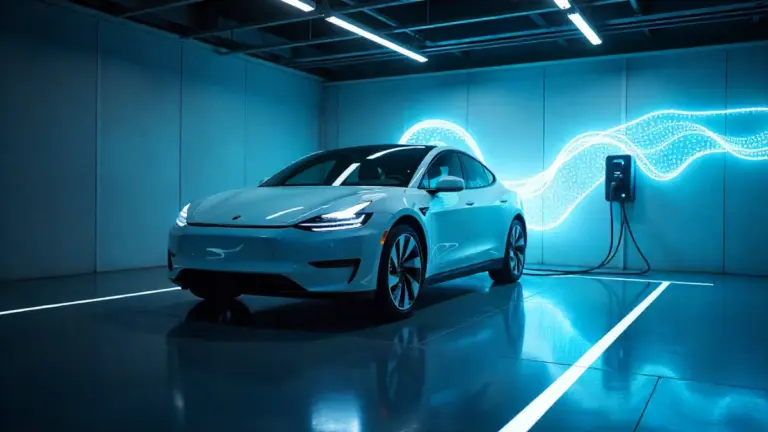
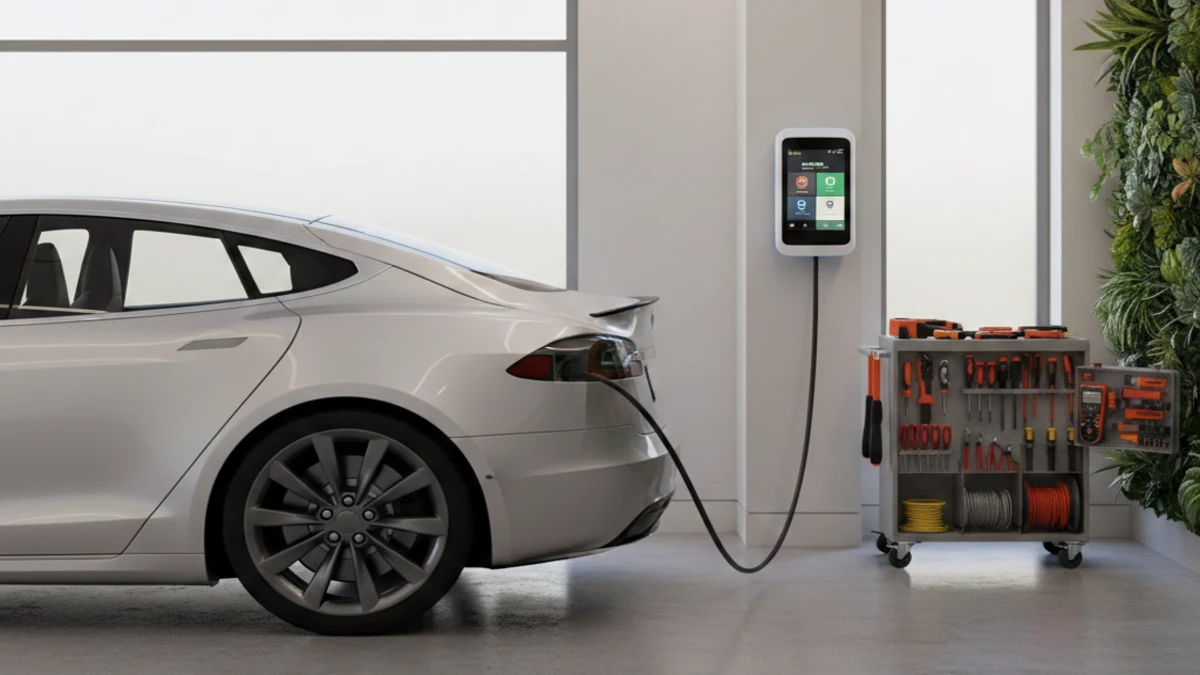
A proper Level 2 EV charger installation typically requires a dedicated 240-volt circuit, similar to what your electric dryer or oven uses. Most chargers draw between 30 and 50 amps, which means your electrician will need to run new wiring from your electrical panel to wherever you want your charger mounted. Depending on your home’s current electrical capacity, you might even need a panel upgrade.
Here’s what surprised me when I first researched this: the distance from your electrical panel to your charging location matters a lot. If your panel is on the opposite side of your house from your garage, that’s a lot more wire to run, potentially through walls, attics, or underground. One homeowner I spoke with in Cleveland discovered his installation cost nearly doubled because his 1950s home required running conduit along the exterior of his house—something he hadn’t anticipated.
The charger itself is just one part of the equation. You’re paying for expertise, labor, materials, permits, and peace of mind. A licensed electrician needs to assess your home’s electrical system, determine if it can handle the additional load, install the proper circuit breaker, run appropriate gauge wire, mount the charging station, and ensure everything meets local electrical codes.
What Makes an EV Charger Installation Service Actually “The Best”
Now we get to the heart of the matter. What separates a great installation service from an average one? After reviewing countless installations and talking with both satisfied and frustrated EV owners, here’s what really matters.
Proper Licensing and EV-Specific Experience
This should be non-negotiable. Your installer must be a licensed electrician—not a handyman, not your neighbor who’s “good with electrical stuff,” but a properly licensed professional. But here’s where it gets more specific: not all electricians have experience with EV charger installations.
The best services have electricians who’ve installed dozens, if not hundreds, of home charging stations. They understand the nuances of different charger models, they know how to assess whether your electrical panel can handle the load, and they’re familiar with local code requirements specific to EV equipment. When you’re calling around, ask how many EV chargers they’ve installed in the past year. If the answer is “a few” or they seem uncertain, keep looking.
I recently spoke with Maria from Portland, who chose an electrician based solely on price. He was licensed and had great reviews for general electrical work, but he’d never installed an EV charger before. The result? He incorrectly sized the circuit breaker, which meant her Chevy Bolt charged much slower than it should have. She ended up paying another electrician to fix the installation—spending more in total than if she’d gone with an EV-specialist from the beginning.
Comprehensive Site Assessment
The best installation services don’t just quote you a price over the phone. They come to your home and actually look at what they’re dealing with. During this assessment, they should be examining your electrical panel, measuring distances, identifying potential obstacles, checking for proper grounding, and discussing your specific charging needs.
Here’s an example of why this matters: A friend of mine was quoted $800 for an installation over the phone. When the electrician arrived and opened up the electrical panel, they discovered it was completely full—no room for the additional circuit breaker needed for the EV charger. Suddenly, that $800 installation became a $2,500 job that included a panel upgrade. A thorough pre-installation assessment would have caught this immediately and set proper expectations.
Good installers will also ask you questions about your vehicle and how you plan to use it. How many miles do you typically drive daily? Do you need a full charge overnight, or would a slower charge be sufficient? Are you planning to buy another EV for your household in the near future? These questions help them design an installation that actually fits your life, not just a one-size-fits-all solution.
Transparent, Detailed Pricing
Let’s talk about money—because this is where things can get frustrating fast. The “best” installation service provides clear, itemized quotes that break down exactly what you’re paying for. You should see separate line items for the charger itself (if they’re supplying it), labor, materials like wire and conduit, permits, and any additional work like panel upgrades or trenching.
Be wary of quotes that are just a single number with no explanation. What happens if they encounter an unexpected issue during installation? A quality service will have clear policies about additional costs and won’t surprise you with a dramatically different bill at the end.
The typical range for a straightforward home EV charger installation runs between $800 and $2,500, with the national average hovering around $1,200 to $1,500. But “straightforward” is doing a lot of work in that sentence. If you need a panel upgrade, you’re looking at an additional $1,500 to $3,000. Long wire runs, underground conduit, or structural modifications can add significantly more.
The best services I’ve encountered offer tiered pricing or at least give you options. Maybe you don’t need the fastest possible charging speed, which could allow for a smaller circuit and lower installation cost. Perhaps you’re willing to mount the charger on an exterior wall to avoid the cost of running wire through your house. A good installer will present these trade-offs and help you make an informed decision.
Quality Equipment and Warranty Support
This is something that often gets overlooked. Some installation services push specific charger brands because they’re cheaper or offer the installer better margins, not because they’re the best fit for you. The best services are either brand-agnostic (they’ll install whatever charger you choose) or they recommend chargers based on actual quality and features that match your needs.
They should be able to explain the differences between hardwired and plug-in installations, discuss Wi-Fi connectivity features, and help you understand charging speeds based on your vehicle’s capabilities. Not every EV can accept the maximum charge from a 50-amp circuit—some max out at 32 amps—so there’s no point in paying for capacity you can’t use.
Furthermore, quality installation services stand behind their work. They should offer a warranty on the installation itself, typically at least one year. This is separate from the manufacturer’s warranty on the charging equipment. If something goes wrong with how the charger was wired or mounted, you want to know you’re covered without additional charges.
Proper Permitting and Inspection Compliance
Here’s something that separates professionals from corner-cutters: permits. Yes, in most jurisdictions, installing an EV charger requires an electrical permit and subsequent inspection. Some homeowners try to avoid this “hassle,” and some installers conveniently forget to mention it.
Don’t skip the permit. Here’s why: unpermitted electrical work can cause major headaches if you ever sell your home, it might void your homeowner’s insurance if something goes wrong, and most importantly, it’s often required by law for a reason—safety. The best installation services handle all permitting and coordinate with local inspectors as part of their standard process. You shouldn’t have to think about it.
When the installation is complete, you should receive documentation that the work was inspected and approved. Keep these records. They’re valuable if you sell your home, and they provide proof that everything was done correctly should you ever need to make an insurance claim related to your electrical system.
Finding Top-Rated Installation Services in Your Area
Alright, so you know what to look for—but where do you actually find these installers? Let me share the strategies that consistently lead EV owners to quality services.
Start With Your Charger Manufacturer
Many EV charging station manufacturers maintain networks of certified installers. Companies like ChargePoint, JuiceBox, Wallbox, and Grizzl-E often have online tools where you can enter your zip code and get a list of installers they’ve trained and certified for their specific products. This is actually a pretty reliable starting point because these manufacturers have a vested interest in ensuring installations go well—it reflects on their brand.
Tesla has its own list of recommended electricians for Wall Connector installations. While these electricians often charge premium rates, they’re usually very experienced with EV-specific work. Even if you don’t buy a charger from these manufacturers, their installer lists can be a great resource for finding electricians who specialize in EV work.
Check With Your Utility Company
This is an often-overlooked resource that can save you significant money. Many utility companies offer rebates or incentives for installing home EV chargers, and they frequently maintain lists of approved contractors. Some utilities, like Pacific Gas & Electric in California or Con Edison in New York, even have programs where they’ll subsidize or fully cover installation costs if you agree to participate in managed charging programs.
Beyond potential savings, utility-recommended installers are typically well-versed in local codes and requirements. They’ve worked with the utility before, which can smooth the process if any coordination is needed around service upgrades or meter modifications.
Leverage Online Platforms and Marketplaces
Websites like Qmerit, EV Connect, and Treehouse have built entire businesses around connecting EV owners with qualified installation services. Qmerit, for example, has installed hundreds of thousands of home chargers across North America and maintains a network of pre-screened, licensed electricians.
These platforms typically handle the scheduling, provide upfront pricing, and offer customer support throughout the process. The trade-off is that you might pay a bit more than going directly to a local electrician, but you’re getting convenience and a layer of accountability. If something goes wrong, you’re working with a company that has resources and reputation to protect, not just an individual contractor.
Ask Other EV Owners
This might sound old-school, but it’s incredibly effective. If you see an EV parked in your neighborhood with a charger visible in the garage, consider knocking on the door and asking about their experience. Most EV owners are enthusiastic about their vehicles and happy to share recommendations—or warnings.
Local EV owner clubs and online forums specific to your region can be goldmines of information. Facebook groups for EV owners in specific cities or states often have threads dedicated to installer recommendations. Tesla forums, Chevy Bolt communities, and general EV subreddits regularly discuss installation experiences.
One caveat: take both praise and criticism with a grain of salt. Someone’s “terrible” experience might have been due to unrealistic expectations or poor communication on both sides. Look for patterns—if multiple people mention the same installer positively or negatively, that’s more meaningful than a single review.
Red Flags to Watch Out For
Just as important as knowing what makes a great installer is recognizing warning signs of services you should avoid. Here are the red flags that should send you running:
Unwillingness to provide references or examples of past work. Any reputable installer should be able to share photos of previous installations or connect you with past customers. If they’re evasive about this, there’s probably a reason.
Pressure to use a specific charger brand without clear justification. While recommendations are fine, high-pressure sales tactics or refusal to install the charger you’ve already purchased are concerning.
Significantly lower quotes than everyone else. If one installer is quoting $600 when others are consistently around $1,200 to $1,500 for the same work, something’s probably missing. Either they’re not including necessary components, they’re planning to cut corners, or they don’t fully understand what the job requires.
Vague timelines or inability to schedule a site visit. Professional installation services are busy, but they should be organized enough to give you a reasonable timeframe and schedule an assessment within a week or two. If they can’t tell you when they could do the work or seem disorganized, that’s often how the actual installation will go too.
No mention of permits or inspection. If an installer suggests that permits aren’t necessary or offers a discount to skip that step, walk away. This is a huge liability, and it suggests they’re willing to cut other corners too.
Poor communication or unprofessional behavior. If they’re hard to reach, don’t return calls, or are dismissive of your questions during the initial conversation, imagine how frustrating it will be if there’s a problem during or after installation.
Making the Most of Your Installation Experience
Once you’ve selected an installer, there are steps you can take to ensure everything goes smoothly. Think of it as being a partner in the process rather than just a customer receiving a service.
Prepare Your Space
Before installation day, clear the area where the charger will be mounted and ensure easy access to your electrical panel. If the installer needs to run wire through your attic or basement, make sure these spaces are accessible. It sounds simple, but I’ve heard stories of installations being delayed because the homeowner’s garage was packed with boxes, or the attic access was blocked.
Take photos of your electrical panel and the intended charging location. These can be helpful if you need to have phone consultations before the site visit. Some installers can give you preliminary assessments or quotes with good photos, saving everyone time.
Ask Questions Throughout the Process
Don’t be shy about asking your installer to explain what they’re doing and why. A good professional welcomes questions—it shows you’re engaged and helps ensure you’re both on the same page. Ask about the circuit size they’re installing, why they’re routing wire a particular way, or how to use any smart features of your charger.
I remember watching my installer work and asking why he was using such thick conduit for an outdoor section. He explained that local codes required it for protection against physical damage, and he pointed out that the thinner conduit used by a previous homeowner for some outdoor lighting had already been damaged by a lawnmower. That kind of insight helps you understand the value you’re receiving.
Test Everything Before the Installer Leaves
Once installation is complete, plug in your vehicle (if it’s home) and start a charging session while the installer is still there. Verify that the charger powers on, that your vehicle recognizes it and begins charging, and that any smart features (like Wi-Fi connectivity or app control) are working properly. This is the time to troubleshoot any issues, not after the installer has left and moved on to their next job.
Check that the charger is firmly mounted and that all wiring looks clean and professional. If something doesn’t look right to you, say so. You’re not being difficult—you’re ensuring you get what you paid for.
Understand Your Charger’s Features
Many modern EV chargers have capabilities that owners never use simply because no one explained them. Does your charger have scheduling features that let you automatically charge during off-peak hours when electricity is cheaper? Can you adjust the charging current to charge faster or slower? Are there safety features you should know about?
Ask your installer to give you a quick tutorial on your specific charger model. Most are happy to spend an extra 10 or 15 minutes ensuring you know how to use what you’ve just paid to have installed.
The Long-Term Relationship
Here’s something that’s not often discussed: the best installation services aren’t just about that one day they come to your house. They’re there for the long haul, and it’s worth considering what kind of ongoing support you might need.
Some installers offer maintenance packages or annual inspection services. While EV chargers are generally very reliable, having someone who’s already familiar with your setup can be valuable if issues arise. At minimum, make sure you keep your installer’s contact information handy.
As EV technology continues evolving, you might decide to upgrade your charger in a few years, add a second charger for a second EV, or even install battery backup storage. Having a relationship with a quality installer who already knows your electrical setup can make these future projects much easier.
Looking at Real Costs and Real Value
Let’s get real about money for a moment, because I think there’s sometimes a disconnect between what people expect to pay and what quality installation services actually cost. Yes, you can probably find someone who’ll install your charger for $500 if you look hard enough. But what exactly are you getting for that price?
A comprehensive installation by a quality service might cost $1,500, but that includes a thorough site assessment, proper permits, professional-grade materials, warranty protection, and the peace of mind that comes from knowing the job was done right. When you’re making an investment in a $40,000 or $50,000 vehicle, skimping on a $500 difference in installation costs doesn’t make much sense.
Think about the lifespan of your installation. This isn’t a repair you’ll need to redo in a year or two—this charging setup should serve you for the entire time you own your home or your EV, potentially 10 to 15 years or more. Amortized over that timeframe, the difference between a cheap installation and a quality one amounts to a few dollars per month. That’s a small price for reliability and safety.
There’s also potential resale value to consider. As EVs become more common, home charging infrastructure is increasingly seen as a valuable amenity. A properly installed, permitted, and documented Level 2 charging station can be a selling point when it’s time to move. An unpermitted, sketchy-looking installation? That might actually detract from your home’s value or become a negotiating point for buyers.
Final Thoughts: Your Home, Your Charger, Your Peace of Mind
Finding the best home EV charger installation service isn’t about getting the lowest price or the flashiest equipment. It’s about finding a qualified professional who will work with you to create a charging solution that fits your specific needs, home, and budget—and who’ll do it safely, legally, and professionally.
Take your time with this decision. Get multiple quotes, ask plenty of questions, and trust your instincts. If an installer makes you feel confident and informed, that’s probably the right choice. If someone makes you feel pressured or confused, keep looking.
Remember that this installation is setting you up for years of convenient, reliable home charging. It’s the foundation of your EV ownership experience. When you pull into your garage at the end of a long day, plug in your vehicle, and know that it’ll be fully charged and ready to go the next morning—without any worries about whether your electrical system is safe or if everything was installed correctly—that’s when you’ll appreciate having chosen the right installation service.
The transition to electric vehicles is exciting, and home charging is one of the biggest advantages EVs have over traditional gas-powered cars. By investing in a quality installation service from the start, you’re ensuring that advantage becomes a daily reality rather than a source of frustration.
Now it’s time to start making those calls, scheduling those site assessments, and taking the next step in your EV journey. You’ve got this—and with the right installation service by your side, you’ll be charging at home like a pro in no time.