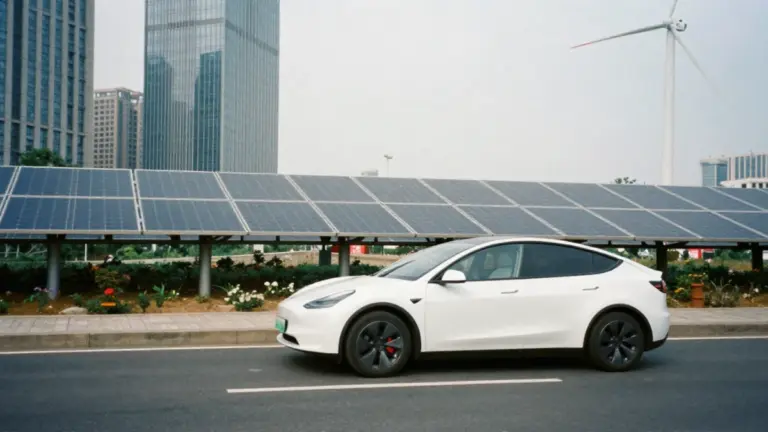
As I explore the world of eco-friendly transportation, it’s essential to understand the various incentives available to encourage the adoption of zero-emission vehicles. With the growing concern about climate change, governments worldwide are promoting sustainable transportation options through various programs.
I will guide you through the different types of incentives, how they work, and how you can benefit from them. By understanding these incentives, you can make an informed decision about switching to electric vehicles and contribute to a cleaner environment.
The Current Landscape of Electric Vehicle Incentives
As the world shifts towards eco-friendly transportation, understanding the current incentives for electric vehicles is essential. Governments around the globe are recognizing the importance of promoting zero-emission vehicles to combat climate change and reduce reliance on fossil fuels.
The support for electric vehicles is not just about environmental benefits; it’s also about fostering innovation and creating sustainable economic opportunities. As a result, a complex landscape of incentives has emerged, varying by country, state, and even local governments.
Why Governments Support Zero-Emission Vehicles
Governments support zero-emission vehicles primarily because they offer a cleaner alternative to traditional fossil fuel-based transportation. By incentivizing the adoption of electric vehicles, governments aim to reduce greenhouse gas emissions and improve air quality in urban areas.
The benefits of zero-emission vehicles extend beyond environmental concerns, as they also contribute to energy security by reducing dependence on imported fuels.
The Evolution of EV Incentive Programs
Initially, EV incentive programs were primarily focused on federal tax credits. However, over time, these programs have evolved to include a variety of state, local, and utility-based incentives.
| Incentive Type | Description | Examples |
|---|---|---|
| Federal Tax Credits | Credits against federal income tax liability | Up to $7,500 for eligible EVs |
| State Incentives | Rebates, tax credits, or exemptions from certain fees | California’s Clean Vehicle Rebate Project |
| Local Incentives | Access to HOV lanes, free parking, or other perks | Virginia’s HOV lane exemption for EVs |
This evolution reflects the growing complexity and diversity of EV incentive programs, making it crucial for potential EV buyers to understand the various options available to them.
Federal Tax Credits for Electric Vehicles
Understanding the federal tax credits available for electric vehicles is crucial for those looking to make a purchase. The federal government offers tax incentives to encourage the adoption of zero-emission vehicles, and recent legislation has modified these incentives.
The Inflation Reduction Act and Its Impact
The Inflation Reduction Act has brought significant changes to the federal tax credit program for electric vehicles. This legislation aims to promote the use of environmentally friendly vehicles by providing financial incentives to eligible buyers.
Key Provisions:
- Modification of tax credit eligibility criteria
- Introduction of domestic manufacturing requirements
- Income limitations for taxpayers
Qualifying for the Federal EV Tax Credit
To qualify for the federal EV tax credit, vehicles must meet specific criteria. These include:
Vehicle Price Limitations
The vehicle must have a manufacturer’s suggested retail price (MSRP) below a certain threshold. For example, vans, pickup trucks, and SUVs have different price limits compared to other vehicles.
Domestic Manufacturing Requirements
Vehicles must meet certain domestic manufacturing requirements, including the sourcing of critical minerals and battery components.
| Vehicle Type | MSRP Limit | Domestic Manufacturing Requirement |
|---|---|---|
| Vans, Pickup Trucks, SUVs | $80,000 | 50% of battery components sourced from the US or countries with a free trade agreement |
| Other Vehicles | $55,000 | 50% of battery components sourced from the US or countries with a free trade agreement |
Income Requirements and Limitations
Taxpayers must also meet certain income requirements to be eligible for the federal EV tax credit. The income limits vary based on filing status and are adjusted annually.
For example, married couples filing jointly have a higher income limit compared to single filers.
State-Level Government Incentives for Electric Vehicles
While federal incentives provide a foundation for electric vehicle (EV) adoption, state-level incentives can significantly enhance the overall benefits for consumers. These incentives vary widely across different states, reflecting local policies and environmental goals.
Top States with the Most Generous EV Incentives
Some states stand out for their generous EV incentives, making them more attractive to potential buyers. Let’s examine a few examples:
California’s Clean Vehicle Rebate Program
California offers rebates of up to $4,500 for the purchase of new eligible EVs through the Clean Vehicle Rebate Project. This program is designed to support the adoption of zero-emission vehicles.
New York’s Drive Clean Rebate
New York’s Drive Clean Rebate provides up to $2,000 for purchasing or leasing a new EV. This incentive is part of the state’s efforts to reduce emissions and promote clean transportation.
Colorado’s Tax Credits
Colorado offers a state income tax credit of up to $5,000 for the purchase of an EV. This credit can be claimed in addition to the federal tax credit, significantly reducing the cost of EV ownership.
| State | Incentive Type | Maximum Benefit |
|---|---|---|
| California | Rebate | $4,500 |
| New York | Rebate | $2,000 |
| Colorado | Tax Credit | $5,000 |

How State Incentives Complement Federal Programs
State-level incentives complement federal programs by providing additional financial benefits to consumers. For instance, a buyer in California could receive both the federal tax credit and the state’s rebate, significantly reducing the purchase price of an EV.
By combining federal and state incentives, consumers can enjoy substantial savings. For example, in Colorado, the state tax credit can be combined with the federal tax credit, potentially saving a buyer up to $9,000 on an EV purchase.
Local and Utility Incentives You Shouldn’t Miss
Beyond state and federal incentives, local governments and utility companies offer additional benefits that can make owning an electric vehicle (EV) even more attractive. These local and utility incentives can help reduce the cost of purchasing and operating an EV, as well as enhance the overall ownership experience.
City and County EV Programs
Many cities and counties have implemented their own EV incentive programs to encourage the adoption of electric vehicles within their jurisdictions. These programs can include rebates, tax exemptions, or other forms of support. For instance, some cities offer rebates for EV charging infrastructure, making it more feasible for residents to install home charging stations.
Utility Company Rebates and Special Rates
Utility companies also play a significant role in promoting EV adoption through various incentives. These can include rebates for purchasing EV charging equipment, special electricity rates for EV owners, and other benefits.
Time-of-Use Rate Plans for EV Owners
One of the most beneficial utility company offerings is the Time-of-Use (TOU) rate plans designed specifically for EV owners. These plans charge lower electricity rates during off-peak hours, typically at night, when the demand for electricity is lower. By charging your EV during these hours, you can significantly reduce your electricity costs.
Charging Equipment Rebates
Additionally, many utility companies offer rebates for EV charging equipment, helping to offset the upfront cost of purchasing and installing a home charging station. These rebates can vary by utility and location, so it’s essential to check with your local utility company to see what’s available.
By exploring and taking advantage of these local and utility incentives, you can maximize your savings and enhance your overall EV ownership experience.
Battery Electric vs. Hydrogen Fuel Cell Vehicle Incentives
As the electric vehicle (EV) market expands, understanding the incentives for different technologies is crucial. Both battery electric vehicles (BEVs) and hydrogen fuel cell vehicles have their unique support programs, reflecting their different technologies and environmental benefits.
BEV-Specific Incentives and Eligibility
BEVs are eligible for a range of incentives, including federal tax credits, state rebates, and utility company discounts. For instance, the federal government offers a tax credit of up to $7,500 for eligible BEVs. To qualify, vehicles must be purchased, not leased, and have a battery capacity of at least 5 kWh.
Some states also offer additional incentives, such as California’s Clean Vehicle Rebate Project, which provides rebates of up to $4,500 for eligible BEVs.
Hydrogen Fuel Cell Vehicle Support Programs
Hydrogen fuel cell vehicles, while less common, also receive significant incentives. These include federal funding for hydrogen infrastructure development and state-level incentives like California’s Hydrogen Fuel Cell Vehicle Purchase Voucher Program.
- Eligible hydrogen fuel cell vehicles can receive vouchers of up to $5,000.
- Some states offer HOV lane access for hydrogen fuel cell vehicles, reducing commute times.
Comparing Long-Term Cost Benefits by Technology
When comparing BEVs and hydrogen fuel cell vehicles, long-term cost benefits vary. BEVs generally have lower operating costs due to cheaper electricity compared to hydrogen. However, hydrogen fuel cell vehicles offer longer driving ranges and faster refueling times, which can be significant advantages for some users.
In conclusion, both BEVs and hydrogen fuel cell vehicles have their incentives and drawbacks. Understanding these can help potential buyers make informed decisions based on their needs and preferences.
Electric Vehicle Infrastructure Incentives
The growth of electric vehicles (EVs) necessitates a robust charging infrastructure, prompting governments to offer various incentives. As the demand for EVs continues to rise, the need for comprehensive and accessible charging solutions becomes increasingly important.
Home Charging Station Tax Credits and Rebates
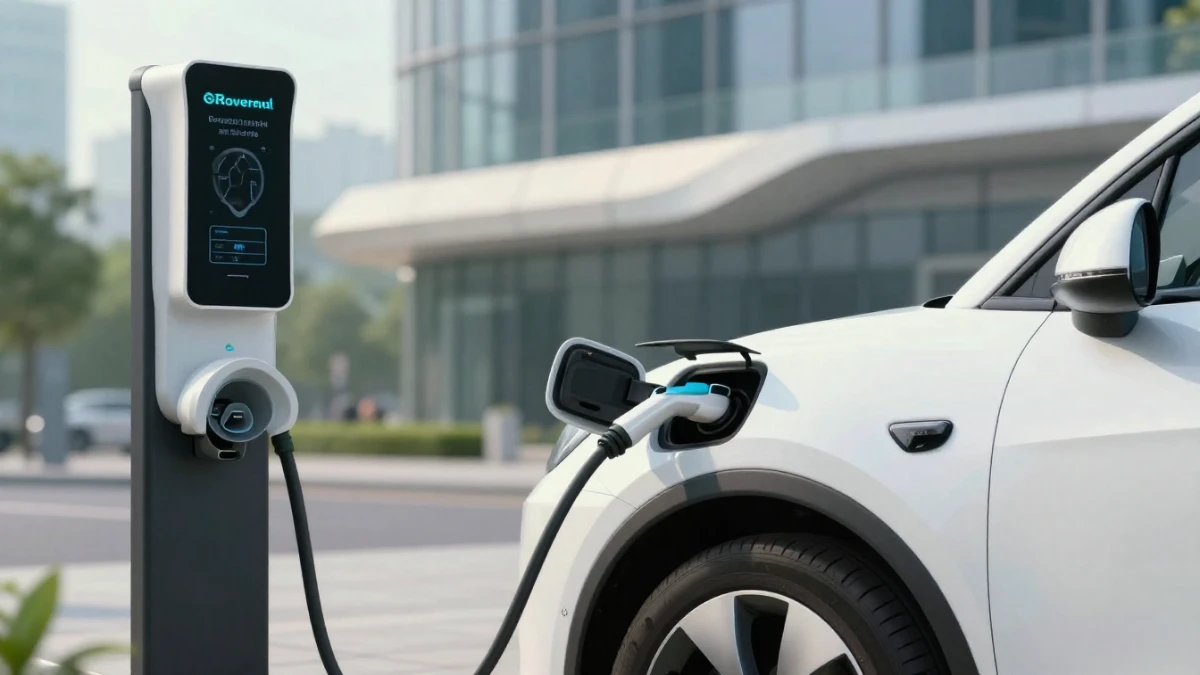
Installing a home charging station is a significant step for EV owners, and there are several incentives available to help offset the costs. The federal government offers a tax credit under the 30C Alternative Fuel Vehicle Refueling Property Credit. This credit can cover up to 30% of the cost of installing EV charging infrastructure, with a maximum credit of $1,000 for individuals and $50,000 for businesses.
30C Alternative Fuel Vehicle Refueling Property Credit
The 30C tax credit is a valuable incentive for homeowners looking to install EV charging stations. To qualify, the charging infrastructure must be installed by December 31, 2032. It’s essential to keep receipts and documentation to claim this credit on your tax return.
State-Level Charging Equipment Incentives
In addition to the federal tax credit, many states offer their own incentives for home charging equipment. For example, some states provide rebates or grants to help cover the cost of purchasing and installing a home charging station. It’s worth checking with your state’s energy office or utility company to see what programs are available.
Commercial and Public Charging Infrastructure Programs
Beyond home charging, governments are also supporting the development of commercial and public charging infrastructure. Programs like the National Electric Vehicle Infrastructure (NEVI) Program are crucial for creating a comprehensive network of charging stations across the country.
National Electric Vehicle Infrastructure (NEVI) Program
The NEVI program is a significant initiative aimed at building a nationwide network of EV charging infrastructure. It provides funding to states to install high-speed charging stations along highways and in public areas, ensuring that EV drivers have access to reliable charging options.
Workplace Charging Incentives
Employers are also encouraged to install EV charging stations at workplaces through various incentives. These can include tax credits, rebates, and technical assistance to help employers provide charging infrastructure for their employees.
| Incentive Program | Description | Benefit |
|---|---|---|
| 30C Alternative Fuel Vehicle Refueling Property Credit | Federal tax credit for EV charging infrastructure | Up to 30% of costs, max $1,000 individuals, $50,000 businesses |
| NEVI Program | Funding for nationwide EV charging network | High-speed charging stations along highways and public areas |
| State-Level Incentives | Rebates and grants for home and commercial charging | Varies by state, potentially significant cost savings |
As the EV market continues to expand, these incentives play a crucial role in supporting the development of necessary charging infrastructure. By taking advantage of these programs, individuals and businesses can contribute to a more sustainable transportation future.
How to Maximize Your EV Incentive Savings
The key to maximizing EV incentive savings lies in understanding the intricacies of available programs and timing your vehicle purchase accordingly. By being informed and strategic, you can significantly reduce the cost of owning an electric vehicle.
Stacking Multiple Incentives
One of the most effective ways to maximize your savings is by stacking multiple incentives. This means combining federal tax credits with state and local incentives, as well as utility company rebates. For instance, if you’re purchasing an eligible EV, you can claim the federal tax credit and, if available, apply for state-level rebates or exemptions. It’s essential to research and understand the various programs available in your area to maximize your savings.
Timing Your Purchase for Maximum Benefits
Timing your EV purchase can also impact the incentives you’re eligible for. Some incentives are limited by funds or have specific application windows, so being aware of these deadlines is crucial. For example, some states offer rebates on a first-come, first-served basis, so purchasing your EV before these funds are depleted can be beneficial. Staying informed about the status of these programs can help you plan your purchase strategically.
Common Mistakes to Avoid
When applying for EV incentives, there are common pitfalls to watch out for. Two significant mistakes include missing application deadlines and overlooking eligibility requirements.
Missing Application Deadlines
Many incentive programs have strict deadlines for applications. Missing these deadlines can result in forfeiting your incentive. Keeping track of these dates and preparing your application in advance can ensure you don’t miss out.
Overlooking Eligibility Requirements
Each incentive program has its own set of eligibility criteria. Failing to meet these requirements can disqualify you from receiving the incentive. Carefully reviewing the eligibility criteria before applying is crucial to a successful application.
Conclusion: Making the Most of Government Support for Clean Transportation
As the world shifts towards more sustainable transportation options, understanding government incentives for electric vehicles is crucial. By leveraging federal tax credits, state-level incentives, and local utility programs, I can significantly reduce the cost of adopting eco-friendly transportation.
Government support plays a vital role in promoting clean transportation, and being aware of these incentives enables me to make informed decisions. With the various programs available, I can maximize my savings and contribute to a cleaner environment.
The availability of sustainable transportation options is increasing, and government incentives are driving this change. By staying informed about these programs, I can take advantage of the benefits they offer and support the growth of eco-friendly transportation.