As you consider making the switch to a more sustainable mode of transportation, you’re likely wondering about the benefits and drawbacks of Battery Electric Vehicles (BEVs). With over 2 million BEVs sold worldwide in 2022 alone, it’s clear that these vehicles are gaining traction. But what exactly are the pros and cons of owning a BEV?

You’ll be exploring the advantages, such as lower operating costs and reduced environmental impact, as well as the disadvantages, including limited range and charging time. By understanding the pros and cons of BEVs, you’ll be better equipped to make an informed decision about whether this type of vehicle is right for you.
Key Takeaways
- Lower operating costs compared to traditional gasoline-powered vehicles
- Reduced environmental impact due to zero tailpipe emissions
- Limited range and charging infrastructure in some areas
- Potential for reduced maintenance costs
- Government incentives for purchasing BEVs
What Are Battery Electric Vehicles (BEVs)?
Battery Electric Vehicles (BEVs) represent a significant step forward in automotive technology, offering a cleaner alternative to traditional vehicles. You might be wondering what makes BEVs so unique. Essentially, BEVs are powered solely by batteries and electric motors, eliminating the need for gasoline or diesel.
How BEVs Differ from Hybrids and Conventional Vehicles
Unlike hybrid vehicles, which combine electric motors with traditional combustion engines, BEVs operate exclusively on electric power. This distinction means BEVs produce zero tailpipe emissions, reducing air pollution and greenhouse gas emissions. In contrast to conventional vehicles, BEVs have fewer moving parts, which can lead to lower maintenance costs over time.
Some key differences include:
- Zero Emissions: BEVs do not emit pollutants or greenhouse gases.
- Electric Motor: BEVs are powered by electric motors, providing instant torque and a smoother driving experience.
- Battery Technology: Advances in battery technology have improved the range and efficiency of BEVs.
Key Components and Technology Behind BEVs
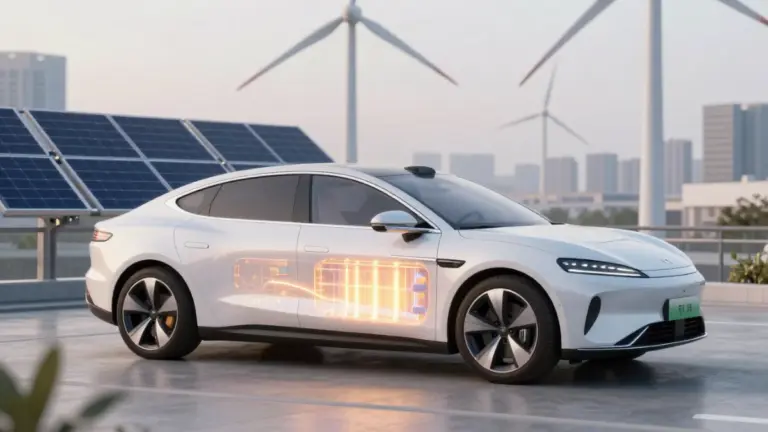
The core components of a BEV include the battery pack, electric motor, and charging system. The battery pack is the heart of a BEV, storing the energy needed to propel the vehicle. Advances in battery technology have significantly improved the range and efficiency of BEVs, making them more viable for daily use.
Key technologies include:
- Regenerative Braking: Captures kinetic energy and converts it back into electrical energy to charge the battery.
- Advanced Battery Management: Optimizes battery performance, longevity, and safety.
As you explore the world of BEVs, understanding these components and technologies can help you make informed decisions about your next vehicle.
The Advantages and Disadvantages of BEVs
As you consider making the switch to a more sustainable mode of transportation, understanding the pros and cons of Battery Electric Vehicles (BEVs) is crucial. BEVs offer a compelling alternative to traditional gasoline-powered vehicles, but like any technology, they have their strengths and weaknesses.
At-a-Glance: Major Benefits and Drawbacks
BEVs come with several significant advantages, including reduced environmental impact, lower operating costs, and improved performance. However, they also have some drawbacks, such as limited range, charging time, and higher upfront costs. To give you a clearer picture, here’s a summary of the major benefits and drawbacks:
| Benefits | Drawbacks |
|---|---|
| Zero Emissions | Limited Range |
| Lower Operating Costs | Charging Time |
| Improved Performance | Higher Upfront Costs |
Understanding the BEV Ownership Experience
Owning a BEV can be a unique and rewarding experience. You’ll enjoy the quiet and smooth ride, as well as the instant torque that electric vehicles are known for. However, you’ll also need to manage the charging process, which can take some time to get used to. With the right planning and infrastructure, many BEV owners find that the benefits far outweigh the drawbacks.
Major Benefits of Owning a Battery Electric Vehicle
As you consider making the switch to a more sustainable driving option, understanding the advantages of driving a BEV is crucial. Battery Electric Vehicles offer a multitude of benefits that make them an attractive choice for environmentally conscious and budget-savvy drivers alike.
Environmental Advantages and Reduced Carbon Footprint
One of the most significant electric vehicles benefits is the reduction in greenhouse gas emissions. BEVs produce zero tailpipe emissions, contributing less to air pollution and climate change. By driving a BEV, you can significantly reduce your carbon footprint, especially if you’re charging your vehicle from renewable energy sources.
- Lower emissions contribute to cleaner air quality.
- Reduced reliance on fossil fuels supports a more sustainable energy future.
- BEVs help mitigate climate change by minimizing carbon emissions.
Financial Benefits: Tax Incentives and Lower Operating Costs
Owning a BEV can also be cost-effective. Many governments offer tax incentives for purchasing electric vehicles, which can help offset the initial purchase price. Additionally, BEVs have lower operating costs compared to traditional gasoline-powered vehicles. They require less maintenance and have lower “fuel” costs since electricity is generally cheaper than gasoline.
- Benefit from government tax credits and incentives.
- Save on fuel costs with electricity being typically cheaper than gasoline.
- Reduce maintenance costs with fewer moving parts.
Performance Benefits: Acceleration, Torque, and Driving Experience
BEVs are known for their impressive performance capabilities. They offer instant torque and smooth acceleration, making for a more enjoyable driving experience. The electric motor provides a quieter ride, and the vehicle’s lower center of gravity (due to the battery placement) can improve handling and stability.
The advantages of driving a BEV extend to a more engaging and responsive driving experience. With the instant torque available in electric vehicles, you can enjoy quicker acceleration and a more dynamic drive.
Significant Challenges of BEV Ownership
Despite their growing popularity, Battery Electric Vehicles come with their own set of challenges that can impact the ownership experience. As you consider making the switch to a BEV, it’s essential to understand these drawbacks to make an informed decision.
Range Limitations and Managing Range Anxiety
One of the primary concerns for potential BEV owners is range anxiety—the fear that you’ll run out of battery power before reaching your destination. Most BEVs on the market today offer a range of between 200 to over 300 miles on a single charge. To manage range anxiety, you can:
- Plan your routes around charging stations.
- Utilize online tools and apps to check charging station availability.
- Understand your vehicle’s range and how it’s affected by driving habits, weather, and terrain.
Charging Infrastructure: Home, Public, and Road Trip Considerations
The availability and accessibility of charging infrastructure play a crucial role in the BEV ownership experience. You can charge your vehicle at home, using a standard wall socket or a dedicated home charging station. Public charging stations are becoming increasingly common, and many shopping centers, parking garages, and along highways now offer charging facilities. For road trips, planning your charging stops in advance is key.
Some key considerations include:
- Assessing the charging options available at your home.
- Familiarizing yourself with public charging networks and their pricing models.
- Using route-planning tools that integrate charging station locations.
Cost Factors: Initial Investment and Battery Replacement
The initial purchase price of a BEV can be higher than that of a comparable gasoline-powered vehicle, largely due to the cost of the battery. However, you may be eligible for federal and state tax incentives that can help offset this cost. Additionally, BEVs typically have lower operating costs, as electricity is generally cheaper than gasoline, and they require less maintenance.
Some cost factors to consider:
- The potential cost of battery replacement, although most manufacturers provide warranties for 8 to 10 years.
- Savings on fuel and maintenance over time.
- Any available incentives or rebates for purchasing a BEV.
By understanding these challenges and how to manage them, you can make a more informed decision about whether a BEV is right for you.
How to Determine if a BEV Is Right for Your Lifestyle
Assessing the suitability of a BEV for your lifestyle involves analyzing your driving patterns, evaluating charging options, and considering costs. To make an informed decision, follow these steps:
Step 1: Analyze Your Daily Driving Patterns
Start by tracking your daily driving habits. Consider the distance you travel, the frequency of your trips, and the types of roads you typically use. Most BEVs offer a range of between 200 to over 300 miles on a single charge. If your daily commute is within this range, a BEV could be a viable option. Use a driving log or a mobile app to monitor your driving patterns for a week or two to get an accurate picture.
Step 2: Evaluate Your Charging Options
Charging infrastructure is a critical factor in BEV ownership. Assess your ability to charge at home, at work, or at public charging stations. Consider the time it takes to charge your vehicle and whether you have access to fast-charging stations along your frequent routes. Level 2 charging at home or at public stations can significantly reduce charging times.
Step 3: Calculate Your Total Cost of Ownership
While the initial purchase price of a BEV might be higher, the total cost of ownership can be lower due to savings on fuel and maintenance. Calculate your potential savings by comparing the costs of electricity versus gasoline, and factor in any available tax incentives or rebates. Here are some key cost factors to consider:
- Purchase price
- Fuel (electricity vs. gasoline)
- Maintenance and repair costs
- Insurance premiums
- Potential tax incentives or rebates
By carefully analyzing these factors, you can determine whether a BEV aligns with your lifestyle and provides the benefits you’re looking for. Weighing the pros and cons will help you make a well-informed decision.
Embracing the Future of Electric Mobility
As you’ve explored the advantages and disadvantages of BEVs, it’s clear that these vehicles offer a compelling alternative to traditional gasoline-powered cars. With benefits like reduced carbon footprint, lower operating costs, and improved performance, BEVs are an attractive option for many drivers.
However, it’s essential to consider your lifestyle and driving habits when evaluating the suitability of a BEV. By analyzing your daily driving patterns, evaluating your charging options, and calculating your total cost of ownership, you can make an informed decision about whether a BEV is right for you.
As the automotive landscape continues to evolve, BEVs are becoming increasingly viable. With ongoing advancements in technology and infrastructure, the advantages of BEV ownership are likely to grow. By weighing the pros and cons and considering your individual needs, you can determine if a BEV is the best choice for your next vehicle.