As I reflect on the current state of our planet, I’m reminded of the importance of reducing our carbon footprint, particularly in the transportation sector. The truth is, traditional transportation methods are significant contributors to greenhouse gas emissions, which is why I’m passionate about exploring alternatives that can lead us to a greener future.
In my journey to discover effective ways to minimize environmental impact, I’ve identified seven key sustainable transportation solutions that have the potential to make a significant difference. From embracing electric vehicle sustainability to other innovative approaches, these solutions offer a promising path forward. By adopting these alternatives, we can significantly reduce our reliance on fossil fuels and lower emissions.
The Environmental Challenge of Modern Transportation
The transportation industry is one of the largest polluters in the United States, emitting substantial amounts of greenhouse gases. As a result, it significantly contributes to climate change and air pollution.
Current Transportation Emissions in the United States
Transportation accounts for nearly 27% of total greenhouse gas emissions in the U.S., with the majority coming from light-duty vehicles such as cars and SUVs. These emissions not only harm the environment but also negatively impact public health, particularly in urban areas.
Why We Need Greener Alternatives Now
Transitioning to greener alternatives like electric vehicles (EVs) is crucial. EVs offer a promising solution by reducing electric vehicle emissions significantly compared to traditional internal combustion engines. Understanding the pros and cons of electric vehicles is essential for widespread adoption. Some of the reasons to buy an electric car include lower operating costs and reduced environmental impact.
By adopting greener transportation options, we can improve air quality, reduce our carbon footprint, and create a healthier environment for future generations.
Electric Vehicles: The Future of Personal Transportation
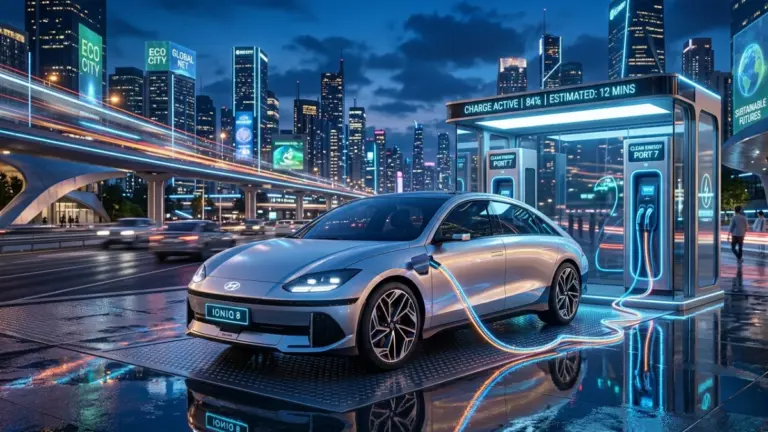
As we move towards a greener future, electric vehicles are emerging as a pivotal solution for personal transportation. The benefits of electric vehicles are multifaceted, ranging from environmental advantages to practical considerations that make them an attractive option for many consumers.
Environmental Benefits of Electric Vehicles
Electric vehicles offer significant environmental benefits, primarily through reduced carbon emissions and improved air quality. By switching to electric vehicles, we can substantially decrease our carbon footprint.
Reduced Carbon Emissions and Air Pollution
Electric vehicles produce zero tailpipe emissions, which means they don’t contribute to air pollution in urban areas. This is particularly important for improving public health in cities with high population densities.
Energy Efficiency Advantages
Electric vehicles are more energy-efficient than traditional internal combustion engine vehicles. They convert about 60-70% of the electrical energy from the grid to power the wheels, while gasoline-powered vehicles only convert about 20% of the energy stored in gasoline to power the wheels.
Practical Considerations for EV Adoption
While electric vehicles offer many benefits, there are also practical considerations to take into account when adopting this technology.
Range Capabilities and Charging Infrastructure
One of the main concerns with electric vehicles is their range and the availability of charging infrastructure. However, advancements in battery technology have significantly improved the range of modern electric vehicles.
| Model | Range (miles) | Charging Time (hours) |
|---|---|---|
| Tesla Model 3 | 250-326 | 4-8 |
| Nissan Leaf | 147-226 | 4-8 |
| Chevrolet Bolt | 259 | 4-9 |
Cost Comparison with Traditional Vehicles
The cost of electric vehicles is decreasing as technology improves and economies of scale are achieved through higher production volumes. While the upfront cost of EVs can be higher, they often offer savings through lower operating costs.
Latest Innovations in Electric Vehicle Technology
The electric vehicle industry is rapidly evolving, with ongoing innovations in battery technology, charging infrastructure, and vehicle design. These advancements are making electric vehicles more viable and appealing to a wider range of consumers.
As the technology continues to advance, we can expect to see even more efficient, affordable, and environmentally friendly electric vehicles on the market.

Public Transit Systems: Moving More People with Less Impact
In the pursuit of a more environmentally friendly transportation network, public transit systems play a starring role. As cities continue to grow, the need for efficient, sustainable transportation solutions becomes increasingly important. Public transit systems offer a viable alternative to personal vehicle use, significantly reducing the number of cars on the road and thereby decreasing emissions.
Electric and Hybrid Bus Networks
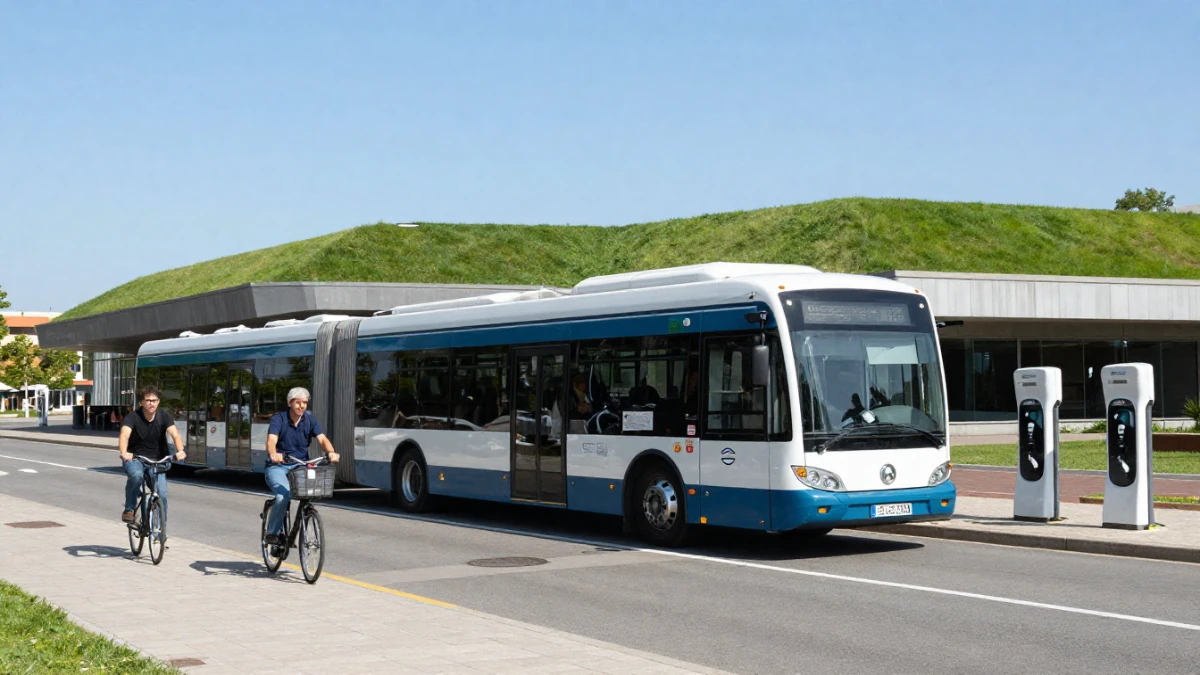
One of the key components of modern public transit is the adoption of electric and hybrid bus networks. These buses offer a cleaner alternative to traditional diesel-powered vehicles, reducing both emissions and operating costs. Cities across the United States are transitioning their fleets to electric and hybrid buses, with many seeing significant environmental and financial benefits.
Modern Rail Solutions for Urban Areas
Modern rail solutions are another critical aspect of public transit systems. Light rail and commuter rail services provide efficient, high-capacity transportation options for urban residents. By investing in modern rail infrastructure, cities can reduce congestion, improve air quality, and enhance the overall quality of life for their citizens.
Making Public Transportation More Accessible and Appealing
To maximize the impact of public transit systems, it’s essential to make them more accessible and appealing to a wider audience. This can be achieved through strategies such as integrated transit networks, user-friendly scheduling apps, and comfortable, well-maintained vehicles. By enhancing the public transit experience, cities can encourage more people to use these services, further reducing our reliance on personal vehicles and contributing to a more sustainable transportation solution.
Cycling Infrastructure: Building Bike-Friendly Communities
Cycling infrastructure is a vital component of modern urban planning, offering a cleaner, healthier alternative to traditional transportation methods. As cities look to reduce their carbon footprint, investing in bike-friendly roads and facilities has become increasingly important.
Protected Bike Lanes and Safety Improvements
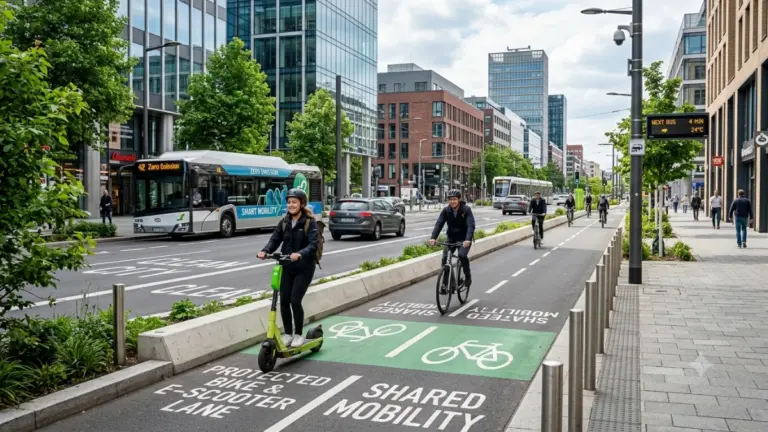
One of the key elements of cycling infrastructure is the implementation of protected bike lanes. These lanes not only provide a safer environment for cyclists but also encourage more people to take up cycling as a mode of transportation. Cities like New York and San Francisco have seen significant improvements in cycling safety through the introduction of protected bike lanes.
Key benefits of protected bike lanes include:
- Reduced risk of accidents
- Increased cycling participation
- Enhanced urban livability
Bike-Sharing Programs and Their Impact
Bike-sharing programs have emerged as a popular solution for cities looking to promote cycling. These programs provide residents and visitors with easy access to bicycles, reducing the need for personal bike ownership and encouraging a shift away from motorized vehicles.
“Bike-sharing systems have the potential to reduce traffic congestion, decrease air pollution, and promote healthier lifestyles.” –
Urban Transportation Expert
Electric Bikes as Commuter Solutions
Electric bikes (e-bikes) are becoming increasingly popular as a commuter solution. They offer the benefits of cycling with the added advantage of electric assistance, making them ideal for longer commutes or hilly terrains.
| Commuter Solution | Environmental Impact | Cost-Effectiveness |
|---|---|---|
| Electric Bikes | Low Emissions | High |
| Traditional Cycling | Zero Emissions | Very High |
| Motorized Vehicles | High Emissions | Low |
By investing in cycling infrastructure, cities can create a more sustainable, livable environment for their residents. As we continue to explore innovative transportation solutions, the role of cycling infrastructure will remain a crucial component of our urban planning strategies.
Walkable Urban Design: Cities Built for People
The concept of walkable urban design is transforming cities into vibrant, people-centric spaces that prioritize accessibility and community engagement. By designing cities that are more pedestrian-friendly, we can create environments that are not only more livable but also more sustainable.
15-Minute City Concepts
The 15-minute city concept is gaining traction as a model for urban planning. It emphasizes the importance of having essential services and amenities within a 15-minute walk from residential areas. This approach reduces the need for lengthy commutes and promotes a more localized, community-focused lifestyle.
Health and Environmental Benefits
Pedestrian-focused planning has numerous health and environmental benefits. By encouraging walking, cities can reduce air pollution and promote physical activity among residents. This, in turn, can lead to improved public health outcomes and a reduced carbon footprint.
Successful Examples from American Cities
Cities like New York and San Francisco have made significant strides in walkable urban design. For instance, New York’s High Line has transformed an old elevated rail line into a thriving public park, while San Francisco’s pedestrian-friendly initiatives have improved safety and accessibility.
| City | Walkability Initiative | Impact |
|---|---|---|
| New York | High Line | Increased local business revenue by 20% |
| San Francisco | Pedestrian-friendly infrastructure | Reduced pedestrian accidents by 15% |
Sustainable Transportation Solutions Through Shared Mobility
Shared mobility solutions are revolutionizing the way we travel, offering a more sustainable alternative to traditional transportation methods. By providing options that reduce the number of private vehicles on the road, shared mobility plays a crucial role in lowering emissions and promoting a greener environment.
Carpooling and Vanpooling Programs
Carpooling and vanpooling programs are effective ways to reduce the number of vehicles on the road. These programs allow multiple individuals to share a ride, decreasing traffic congestion and lowering emissions. Many companies are now incentivizing their employees to participate in carpooling and vanpooling by offering benefits such as preferred parking and reduced commute times.
Ride-Sharing Services and Their Environmental Impact
Ride-sharing services have become increasingly popular, offering a convenient alternative to car ownership. However, their environmental impact is a subject of debate. While ride-sharing can reduce the number of private vehicles on the road, it can also lead to increased mileage if not managed efficiently. To mitigate this, many ride-sharing companies are now incorporating electric and hybrid vehicles into their fleets.
Micromobility Options: Scooters and Shared Bikes
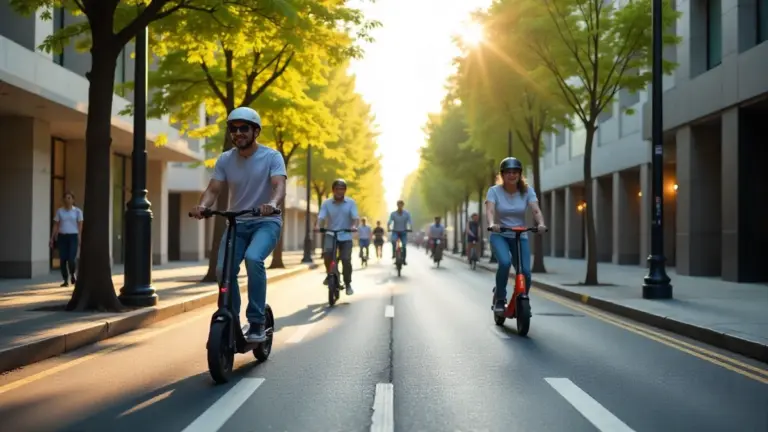
Micromobility options, such as scooters and shared bikes, are gaining popularity in urban areas. These modes of transportation are not only environmentally friendly but also provide a convenient and cost-effective way to navigate cities. By reducing reliance on fossil fuels, micromobility solutions contribute to cleaner air and a healthier urban environment.
Corporate and Community Incentives for Shared Transportation
To encourage the adoption of shared transportation, many corporations and communities are offering incentives. These can include subsidies for public transit, preferential parking for carpoolers, and investments in bike-friendly infrastructure. By promoting shared mobility, these initiatives help reduce traffic congestion and lower emissions, creating a more sustainable transportation system.
As we continue to explore and expand shared mobility solutions, we move closer to achieving a more sustainable transportation future. By embracing these alternatives, we can significantly reduce our environmental impact and create greener, more livable cities.
Emerging Green Transportation Technologies
The transportation sector is on the cusp of a revolution, driven by emerging green technologies that promise to significantly reduce our environmental footprint. As we continue to grapple with the challenges of climate change and environmental degradation, these innovations are crucial for creating a more sustainable transportation network.
Hydrogen Fuel Cell Vehicles
Hydrogen fuel cell vehicles offer a promising alternative to traditional electric vehicles, providing a cleaner and more efficient source of energy. These vehicles use hydrogen to produce electricity, emitting only water vapor as a byproduct. While infrastructure challenges remain, hydrogen fuel cell vehicles have the potential to transform the future of personal transportation.
Sustainable Aviation Fuels and Electric Aircraft
The aviation industry is also embracing green technologies, with sustainable aviation fuels (SAF) and electric aircraft leading the charge. SAF can reduce greenhouse gas emissions by up to 80%, while electric aircraft are being developed to minimize emissions further. These innovations are critical for making air travel more sustainable.
| Technology | Benefits | Challenges |
|---|---|---|
| Hydrogen Fuel Cell Vehicles | Zero emissions, efficient energy | Infrastructure development |
| Sustainable Aviation Fuels | Up to 80% reduction in GHG emissions | Cost, production scalability |
| Autonomous Electric Shuttles | Reduced emissions, improved safety | Regulatory frameworks, public acceptance |
Autonomous Electric Shuttles and Buses
Autonomous electric shuttles and buses are being developed to enhance public transportation, offering reduced emissions and improved safety. These vehicles use advanced navigation systems to optimize routes and reduce energy consumption.
Hyperloop and Next-Generation Rail Systems
The Hyperloop and other next-generation rail systems promise to revolutionize land travel, offering high-speed transportation with minimal environmental impact. These systems use advanced technology to reduce energy consumption and emissions.
As these emerging green transportation technologies continue to evolve, they will play a crucial role in shaping a more sustainable transportation future.
Conclusion: Creating a Sustainable Transportation Future Together
As we navigate the complexities of modern transportation, it’s clear that adopting sustainable transportation solutions is crucial for a greener future. The seven solutions explored in this article offer a comprehensive approach to reducing our environmental footprint.
Electric vehicles, for instance, provide a compelling alternative to traditional gasoline-powered cars, with significant reductions in electric vehicle emissions. Understanding the reasons to buy an electric car can help individuals make informed decisions about their transportation choices.
By investing in sustainable transportation solutions, we can create a more livable, environmentally conscious world. I encourage readers to consider their role in shaping this future, whether through personal choices or advocacy for broader change.
Together, we can drive progress toward a more sustainable transportation system, leveraging innovations in technology and design to minimize our impact on the planet.