Electric Car Incentives for Low-Income Buyers: Making EVs Accessible
Electric car incentives are breaking barriers for low-income buyers. With federal, state, and local programs, EVs are becoming affordable, saving families money.

Electric car incentives are breaking barriers for low-income buyers. With federal, state, and local programs, EVs are becoming affordable, saving families money.
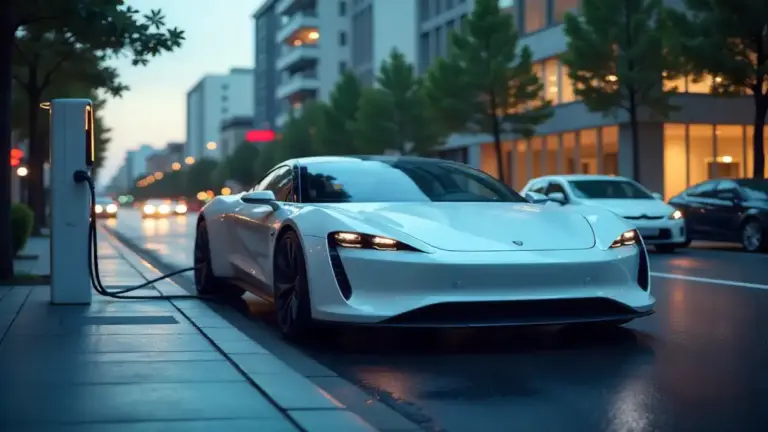
Electric car lease incentives can make EVs more affordable, with federal and manufacturer credits lowering monthly payments. But before signing, consider mileage limits, long-term costs, and whether leasing fits your lifestyle. Leasing offers peace of mind, warranty coverage, and access to the latest technology—but you won’t build equity. Explore the pros, cons, and hidden benefits to decide if leasing an EV is right for you.
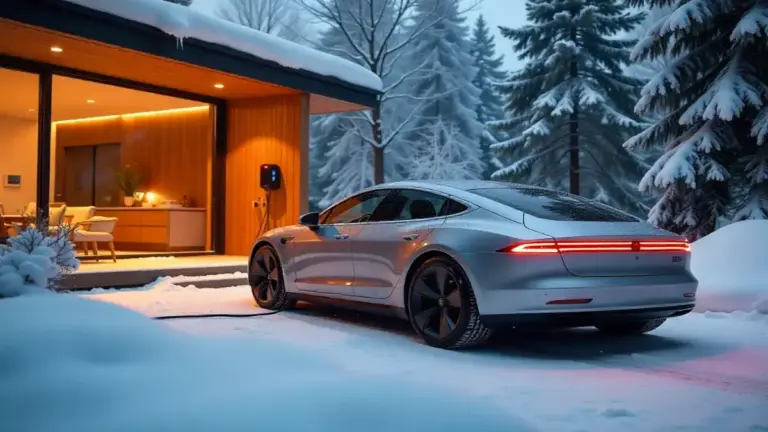
Discover how to save on electric car insurance. Learn the factors affecting premiums, EV-specific coverage, and strategies to get the best rates without overpaying.

Your electric car’s range changes with weather, driving style, and terrain—but small habits like preconditioning and tire pressure can make a big difference. Learn practical tips to maximize mileage and plan trips confidently.

Electric vehicle batteries degrade slowly, not suddenly — and most modern packs outlast the cars they power. Learn the key battery types, what accelerates wear (temperature, charging habits, fast charging), simple practices like the 20-80 rule, and why real-world data shows many EV batteries still perform very well after hundreds of thousands of miles.
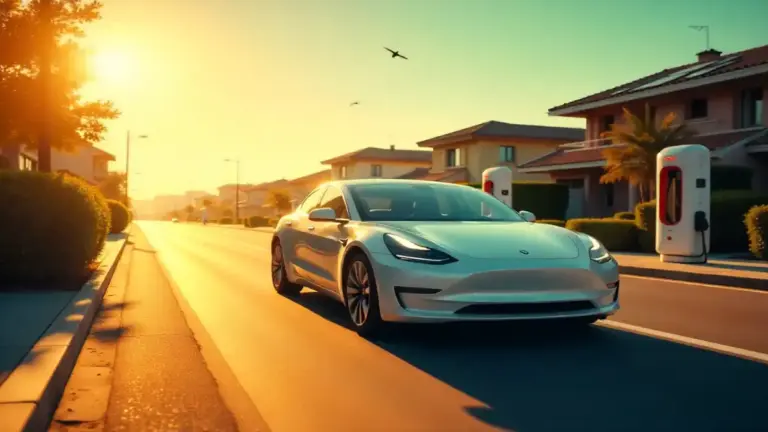
Electric cars produce zero tailpipe emissions, reduce noise pollution, and lower overall carbon footprint, making them a greener choice for cities and the planet.
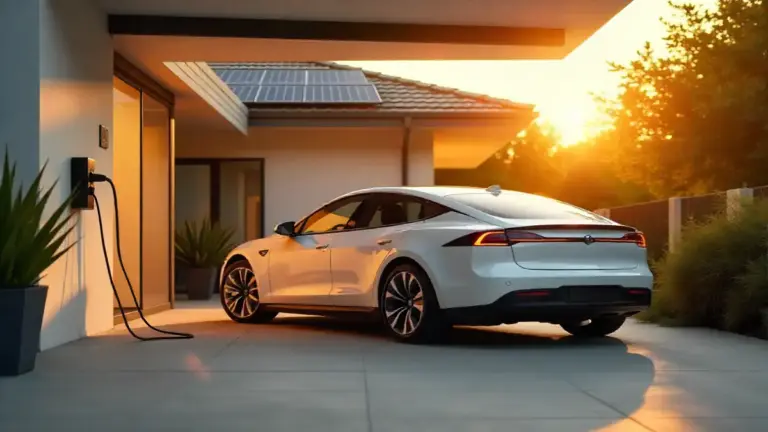
Charging your EV at home is cheaper, especially with off-peak rates. Public charging is convenient but can be 3–4 times pricier.
The electric vehicle revolution is rewriting the rules: startups and legacy automakers are racing to deliver longer ranges, faster charging, and radically new designs. From battery swapping in China to luxury long-range sedans and highly capable electric trucks, the industry is accelerating toward mainstream adoption — and the offers arriving in 2025–2026 will make today’s choices look dated.
Electric vehicles typically cost far less to maintain than gasoline cars. With fewer moving parts, no oil changes, and reduced transmission upkeep, many owners save $500–$1,000+ yearly — even when accounting for eventual battery replacement.
Worried about EV range and charging times? This guide explains real-world electric car range, charging speeds, and how to match the right EV to your lifestyle.