You bought an electric car expecting lower maintenance costs and fewer headaches than your old gas guzzler. And for the most part, that’s exactly what you get. No oil changes, no transmission fluid, no exhaust system repairs. But here’s the thing: EVs aren’t completely maintenance-free, and when issues do pop up, they can feel confusing if you’re not sure what to look for.
I’ve been working with electric vehicles for years, and I’ve seen plenty of owners scratch their heads when their EV starts acting up. The good news? Most electric car maintenance problems are surprisingly straightforward once you understand what’s happening. Let’s walk through the most common issues you might encounter and how to troubleshoot them like a pro.
Battery Performance Issues: When Your Range Starts Shrinking
Ever notice your EV isn’t going quite as far as it used to? You’re not imagining things. Battery degradation is real, but it’s often not as bad as you think.
What’s Normal vs. What’s Not
All lithium-ion batteries lose some capacity over time—think of it like your smartphone battery. Most EV batteries will retain about 80-90% of their original capacity after eight years or 100,000 miles. If you’re seeing a gradual decline of a few percentage points per year, that’s expected. But if your range suddenly drops by 20% in a matter of weeks, something else is going on.
Common Culprits and Quick Fixes
First, check your driving habits. Are you flooring it at every green light? Heavy acceleration and high-speed highway driving can reduce your range by 30-40% compared to gentle driving. Cold weather is another major factor—batteries simply don’t perform as well in freezing temperatures, and you might see a 20-40% range reduction in winter.
Here’s your troubleshooting checklist:
- Check your tire pressure (underinflated tires kill efficiency)
- Review your climate control usage (heating and AC are range vampires)
- Look at your recent driving patterns in your car’s app
- Test your battery’s state of health using your vehicle’s diagnostics menu
If you’ve ruled out these factors and still notice abnormal degradation, it’s time to have your battery pack inspected. Most EVs come with an 8-year/100,000-mile battery warranty, so you’re likely covered if there’s a genuine defect.
Charging Problems: Why Your EV Won’t Juice Up
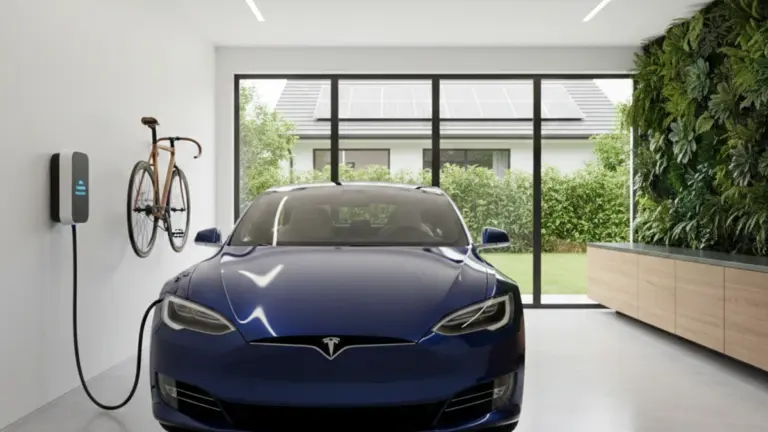
Nothing’s more frustrating than plugging in your car overnight and waking up to find it didn’t charge. I’ve been there, standing in my garage at 6 AM wondering why I’m going to be late for work. Let’s troubleshoot this.
Home Charging Issues
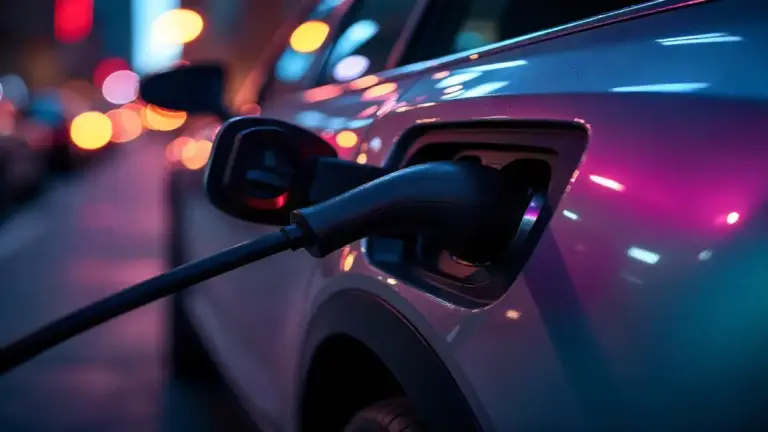
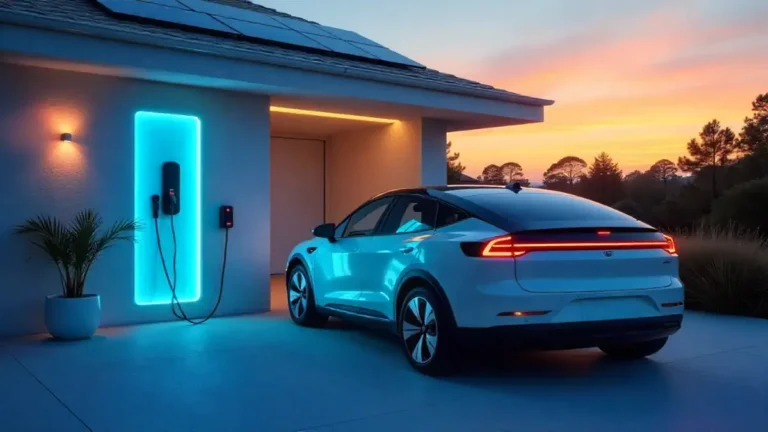
If your home charger isn’t working, start with the basics. Is the charging cable properly connected at both ends? I know it sounds obvious, but you’d be surprised how often a slightly loose connection is the culprit. Check that your charging port is clean—dirt, leaves, or ice can prevent a solid connection.
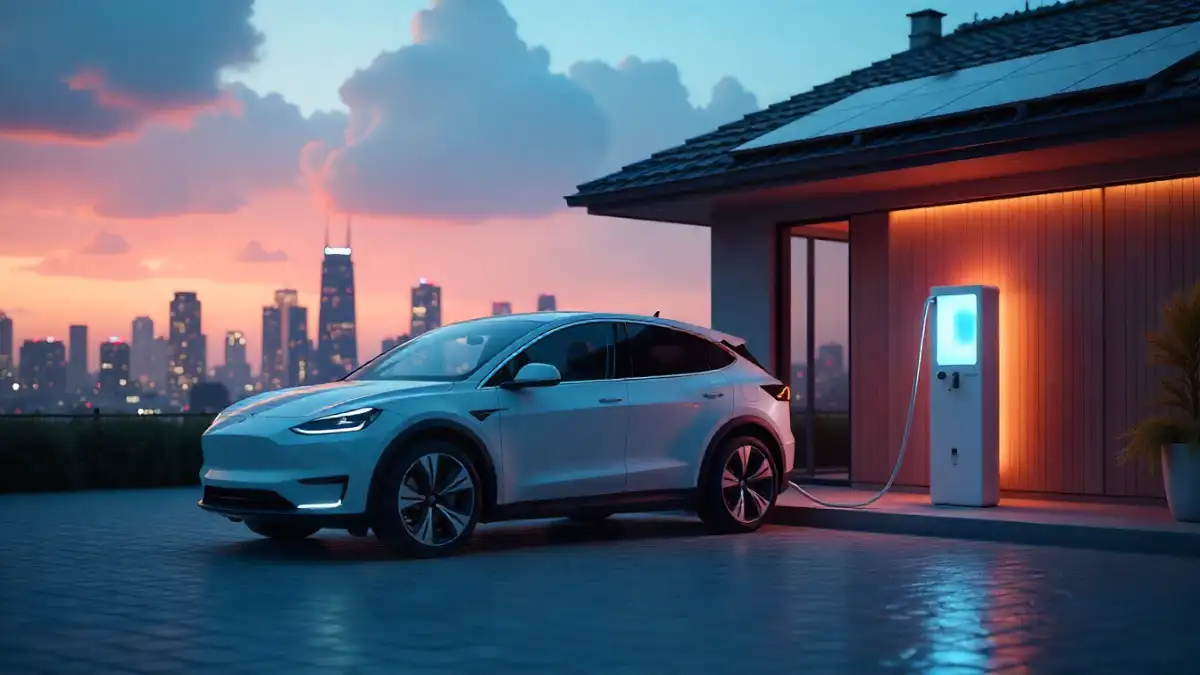
Next, look at your circuit breaker. Level 2 home chargers draw significant power (up to 40 amps), and if you’ve got other high-draw appliances running, you might trip the breaker. Some EVs also have scheduled charging settings that you might have accidentally activated, so check your vehicle’s app to ensure charging isn’t set to start at a specific time.
Public Charging Station Headaches
Public charging can be trickier. DC fast chargers are complex beasts, and they don’t always play nice with every vehicle. If a fast charger won’t work, try these steps:
- Restart the charging session through the station’s app or screen
- Unplug and firmly reconnect the cable
- Try a different charging stall if available
- Check if your battery is already above 80% (many cars slow down or stop fast charging at higher charge levels)
Here’s something many people don’t know: extreme temperatures can cause charging issues. Some EVs won’t accept a fast charge if the battery is too cold, and will need to warm up first. Conversely, if you’ve just finished a spirited drive and your battery is hot, the car might throttle charging speeds to protect the battery.
Software Glitches and Infotainment Issues
Modern EVs are essentially computers on wheels, which means software bugs are part of the package. The touchscreen freezes, the navigation acts weird, or features stop responding. Sound familiar?
The Universal Fix: The Reboot
Just like your laptop, sometimes your EV just needs a restart. Most electric vehicles have a soft reset procedure—usually holding down certain buttons on the steering wheel or touchscreen for 10-15 seconds. This won’t affect your vehicle’s settings or driving data, but it can clear up temporary glitches.
For more persistent problems, many EVs receive over-the-air updates that fix known bugs. Check your vehicle’s software version and see if an update is available. Tesla, Rivian, and most newer EVs can download updates via WiFi while parked in your garage.
When Software Updates Go Wrong
Occasionally, an update might cause new problems. If your car starts acting strange right after an update, document the issues and contact your manufacturer’s customer service. They might be able to push a patch or, in rare cases, roll back the update at a service center.
Brake Problems: The Paradox of Low-Maintenance Brakes
Here’s something counterintuitive: EV brakes can develop problems precisely because you don’t use them much. Regenerative braking handles most of your slowing down, which means your traditional brake pads and rotors see less action.
The Rust and Corrosion Issue
When brake components sit unused, they can develop surface rust and corrosion, especially in humid or coastal areas. You might notice squeaking, grinding, or reduced braking performance. The solution? Use your friction brakes intentionally every few days. Do a few firm stops (safely, of course) to keep the rotors clean and the pads properly bedded.
Some EVs, like certain Volkswagen ID.4 models, have experienced premature brake wear despite regenerative braking. If you hear unusual noises or feel vibration when braking, get your brakes inspected. Don’t wait—brake safety isn’t something to compromise on.
Tire Wear: The Heavy Truth About EVs
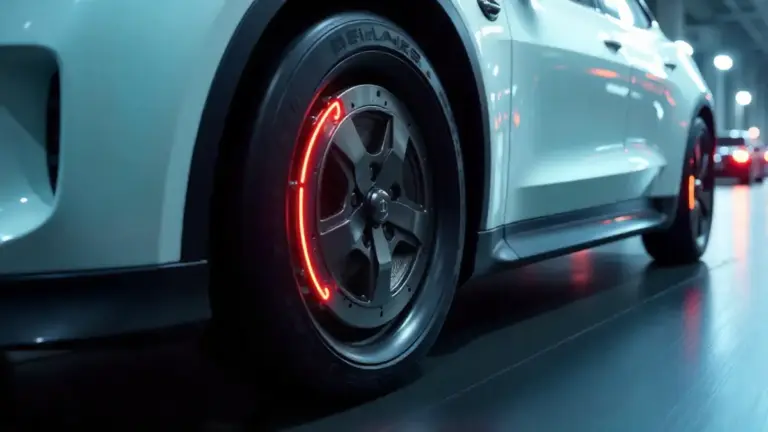
Electric vehicles are heavy. That big battery pack adds 500-1,000 pounds compared to similar gas cars. Combined with instant torque that can spin the tires if you’re not careful, EVs can chew through tires faster than you’d expect.
Signs Your Tires Need Attention
Check your tread depth monthly using the penny test (insert a penny into the tread; if you can see all of Lincoln’s head, it’s time for new tires). Uneven wear patterns—like excessive wear on the inside or outside edges—often indicate alignment issues or improper tire pressure.
EVs need proper tire rotation every 5,000-7,500 miles. Yes, even though you’re not dealing with engine-driven wear patterns, rotation helps ensure even wear across all four tires. Use EV-specific tires if possible—they’re designed to handle the extra weight and provide lower rolling resistance for better efficiency.
Climate Control Acting Up
Your EV’s heating and cooling system works differently than a gas car. There’s no waste engine heat to warm the cabin, so electric heaters draw power directly from the battery. If your climate control isn’t working properly, it’s not just uncomfortable—it can significantly impact your range.
Heat Pump vs. Resistance Heating
Newer EVs use heat pumps, which are more efficient but can struggle in extreme cold (below 20°F). If your car isn’t warming up in freezing weather, this might be why. Pre-conditioning your cabin while plugged in is your best strategy—heat the car using grid power before you unplug.
Air conditioning issues are less common but can occur. If your AC blows warm air, check for error messages in your vehicle’s system. Low refrigerant levels or compressor issues require professional service, as EV HVAC systems operate at high voltages and aren’t DIY-friendly.
12-Volt Battery Problems: The Forgotten Battery
Here’s something that trips up new EV owners: your electric car has two batteries. Everyone focuses on the big traction battery, but there’s also a conventional 12-volt battery that powers all your car’s accessories, computers, and allows the vehicle to “wake up.”
Why It Matters
If your 12-volt battery dies, your EV won’t start, even if your main battery is fully charged. It’s like having a full tank of gas but a dead starter battery in a traditional car. Symptoms include:
- Door locks not responding
- Touchscreen won’t turn on
- Warning messages about “electrical system malfunction”
- Complete inability to start or put the car in drive
The Fix
Most 12-volt EV batteries last 3-5 years. They’re maintained by the main traction battery, but they can still fail. If you’re experiencing issues, try jump-starting the 12-volt battery (yes, you can jump-start an EV—check your manual for the proper procedure). If the battery keeps dying, it needs replacement, which is a straightforward service center job.
Regenerative Braking Inconsistencies
You’ve gotten used to one-pedal driving, but suddenly the regenerative braking feels different. Sometimes it’s strong, sometimes it’s weak. What gives?
Temperature Effects
Cold batteries can’t accept as much regenerative charge, so your car might limit regen in cold weather. This is normal and protects your battery from damage. Similarly, if your battery is already at or near 100% charge, regen will be reduced or disabled because there’s nowhere for that energy to go.
System Calibration
Some EVs need periodic calibration of their regen systems. This usually happens automatically, but you might experience temporary inconsistencies. If regen behavior changes permanently or you see warning lights, have the system checked—it could indicate issues with your brake sensors or motor controllers.
When to Call the Professionals
I’m all for DIY troubleshooting, but EVs have high-voltage systems that can be dangerous. Here’s when you absolutely need professional help:
- Any warning light related to the battery or electrical system
- Unusual smells (burning, chemical, or sweet odors)
- Grinding, clunking, or other abnormal mechanical noises
- Reduced power or limp mode activation
- Charging problems that persist after basic troubleshooting
- Any visible damage to the battery pack or underbody
Most EV manufacturers offer mobile service or will tow your vehicle for free if you have a legitimate issue. Don’t hesitate to use your warranty—that’s what it’s there for.
Preventive Maintenance: Keeping Problems at Bay
The best troubleshooting is the kind you never have to do. Here’s your minimal-but-essential EV maintenance schedule:
Monthly
- Check tire pressure and tread depth
- Inspect charging cable and port for damage
- Test your 12-volt battery health (many vehicles show this in settings)
- Clean sensors and cameras
Every 6 Months
- Rotate tires
- Check brake fluid level
- Update software if available
- Deep clean charging port contacts
Annually
- Full brake inspection
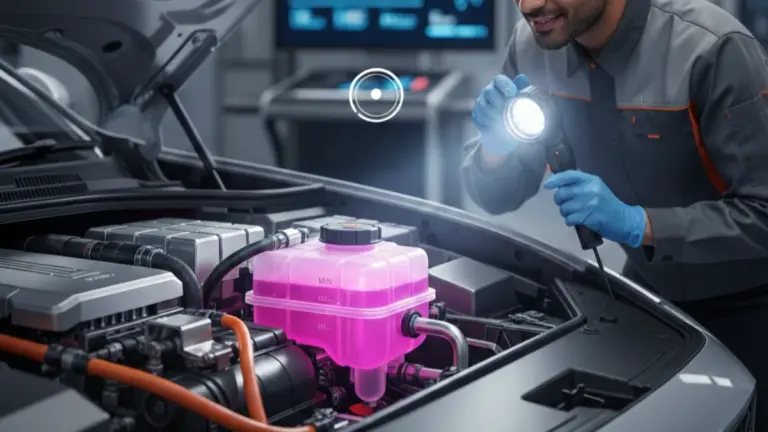
- Coolant system check (yes, EVs have coolant for the battery)
- Cabin air filter replacement
- Professional battery health assessment
The Bottom Line
Electric car maintenance problems can seem mysterious at first, but they’re often simpler to diagnose than traditional car issues. Most problems fall into a few categories: battery performance, charging, software, and the components that EVs still share with gas cars (tires, brakes, 12-volt systems).
Your EV’s onboard diagnostics are incredibly sophisticated—learn to use your vehicle’s app and diagnostic menus. They’ll often tell you exactly what’s wrong before you even need to troubleshoot. Keep your software updated, maintain proper tire pressure, and don’t ignore warning lights.
Remember, you’ve got significant warranty coverage on the most expensive components. When in doubt, let the professionals handle it. But for everyday issues? Now you’ve got the knowledge to troubleshoot confidently and keep your electric car running smoothly for years to come.
The EV ownership experience really is better once you get past the initial learning curve. Fewer moving parts mean fewer things to break, and when problems do arise, they’re usually quick to solve. Welcome to the future of low-maintenance driving—just with a slightly different set of things to pay attention to.