Let’s be honest—when you’re considering buying an electric car, one question probably keeps popping up in your mind: “What happens when the battery starts to fade?” It’s a valid concern. After all, the battery is the heart of your EV, and replacing it isn’t exactly like swapping out your TV remote’s AA batteries. The good news? Electric car battery warranties are some of the most robust protections you’ll find in the automotive world, and understanding them can give you serious peace of mind.
Think of your EV’s battery warranty as a safety net designed specifically for your biggest investment concern. But here’s the thing—not all warranties are created equal, and knowing what you’re actually getting can make a huge difference in your ownership experience. Let me walk you through everything you need to know.
What Does an EV Battery Warranty Actually Cover?
Here’s where things get interesting. Unlike your standard bumper-to-bumper warranty that covers pretty much everything for a few years, battery warranties work differently. Most manufacturers guarantee that your battery will retain a certain percentage of its original capacity for a specific period—typically 8 years or 100,000 miles, whichever comes first.
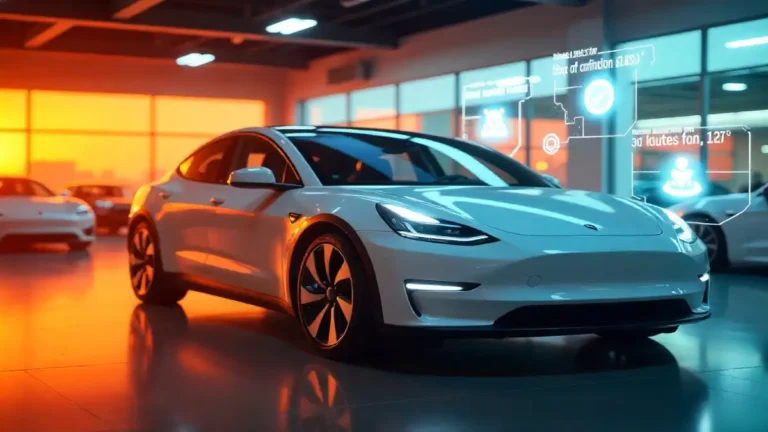
Let’s break that down with a real example. If you buy a Tesla Model 3, the company promises that your battery will maintain at least 70% of its capacity during the warranty period. That means even after eight years of daily commutes, road trips, and everything in between, your battery should still hold at least 70% of what it did on day one.
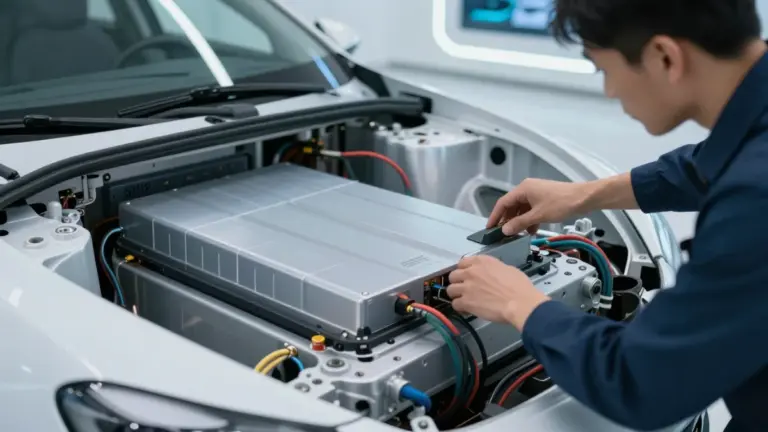
But capacity isn’t the only thing covered. Most warranties also protect against manufacturing defects, faulty materials, and workmanship issues. If your battery pack suddenly fails because of a defect—not because you drove it into a lake—you’re covered for a repair or replacement at no cost to you.
What’s typically not covered? Damage from accidents, modifications you made to the vehicle, normal wear and tear beyond the specified capacity threshold, and neglect. Sorry, but if you consistently let your battery drain to zero and charge it to 100% in extreme temperatures while ignoring manufacturer guidelines, you might void your warranty.
The Magic Numbers: 8 Years and 100,000 Miles
You’ll see these numbers everywhere in the EV world, and there’s a good reason for that. In 2018, California passed regulations requiring EV batteries to be warranted for at least 10 years or 150,000 miles. Many manufacturers responded by standardizing their warranties around the 8-year/100,000-mile mark for the entire U.S. market, with some even exceeding these minimums.
Why these specific numbers? Industry data shows that lithium-ion batteries, when properly managed, degrade fairly predictably. Most high-quality EV batteries lose about 2-3% of capacity per year under normal use. After eight years, you’re typically looking at 15-20% degradation—which still leaves you with 80-85% capacity, well above most warranty thresholds.
Some manufacturers go above and beyond. Hyundai and Kia offer lifetime battery warranties for the original owner. Nissan provides 8 years/100,000 miles but with a higher retention guarantee of 75% capacity for certain models. Tesla’s warranties vary by model, with the Model S and Model X getting 8 years/150,000 miles. These differences matter, especially if you’re comparing similar vehicles from different brands.
Reading the Fine Print: What to Look For
I know, I know—reading warranty documents ranks somewhere between watching paint dry and filing taxes. But trust me, spending 20 minutes understanding your EV’s battery warranty can save you thousands of dollars down the road.
First, check the capacity retention percentage. Is it 70%? 75%? 80%? Higher is obviously better, but context matters. A 70% guarantee on a car with a 300-mile range means you’re still getting 210 miles after eight years—plenty for most daily driving. However, if you’re buying an EV with a modest 150-mile range, 70% capacity might not cut it for your needs long-term.
Second, understand the mileage limits. If you drive 20,000 miles a year, that 100,000-mile warranty only lasts you five years, not eight. Some manufacturers offer unlimited mileage warranties, which is gold if you’re a road warrior. Others have tiered warranties where higher-trim models get better coverage.
Third, look at transferability. Planning to sell your EV in a few years? Some warranties transfer to subsequent owners, which can significantly boost your resale value. Others are tied to the original purchaser only. This seemingly small detail can mean a difference of several thousand dollars when you sell.
Finally, check if there are any maintenance requirements. Some manufacturers require you to service your vehicle at authorized dealerships to maintain warranty coverage. Others are more flexible. Missing a scheduled service could potentially void your protection, so know what’s expected of you.
Real-World Battery Performance: What the Data Shows
Let’s talk reality for a moment. I’ve spoken with dozens of EV owners, and the consensus is surprisingly positive. Most report minimal battery degradation even after years of use. A 2023 study analyzing over 15,000 Tesla vehicles found that after 200,000 miles, the average battery still retained about 90% of its original capacity. That’s actually better than what the warranties guarantee.
Other manufacturers show similar patterns. Chevrolet Bolt owners frequently report less than 10% degradation after five years. Nissan Leaf batteries (particularly the newer models with active thermal management) are holding up much better than earlier generations. The technology is improving rapidly, and manufacturers are getting better at managing battery health through sophisticated software.
Here’s something that might surprise you: the biggest factor in battery longevity isn’t how much you drive—it’s how you charge and store your vehicle. Batteries that are consistently kept between 20-80% charge, aren’t subjected to extreme temperatures, and use DC fast charging only when necessary tend to last significantly longer. Many modern EVs have battery management systems that automatically optimize charging to extend battery life, even if you plug in to 100%.
When Things Go Wrong: The Claims Process
So what happens if your battery falls below the warranted capacity threshold? First, don’t panic. The process is generally straightforward, though it does require documentation.
Start by having your battery’s state of health tested at an authorized service center. Most manufacturers can run diagnostics that precisely measure your battery’s current capacity compared to its original specification. If you’re below the threshold, document everything—test results, service records, how you’ve maintained the vehicle.
The manufacturer will typically verify the results and, if confirmed, either repair or replace the battery pack. In some cases, they might replace only the affected modules rather than the entire pack, which is actually a good thing—it means less waste and often a quicker turnaround.
Processing times vary, but most warranty claims are resolved within a few weeks. Some owners report getting loaner vehicles during repairs, though this isn’t universal. It’s worth asking about this when you purchase your EV.
One important note: if you’re experiencing range loss but your battery tests above the warranty threshold, you’re likely out of luck for a free replacement. This is why understanding that percentage number is so crucial before you buy.
Extended Warranties and Additional Protection
Should you buy an extended warranty? It depends on your situation. If you plan to keep your EV beyond the manufacturer’s warranty period and drive significant miles, an extended warranty might offer peace of mind. However, they can be expensive—sometimes $2,000-$4,000—and given how reliable EV batteries have proven to be, the math doesn’t always work out in your favor.
Some third-party warranty companies offer coverage, but read these contracts extremely carefully. Many have exclusions that make them nearly worthless for EV batteries. Stick with manufacturer-backed extended warranties if you go this route.
Another option? Some credit cards offer extended warranty protection on purchases. While this typically wouldn’t cover something as expensive as a battery replacement, it’s worth checking what benefits your card provides.

Making Your Decision: Warranty Considerations When Buying
When you’re comparing EVs, don’t let the battery warranty be the only deciding factor, but definitely let it be a factor. A vehicle with a great warranty but poor real-world battery performance isn’t a good deal. Conversely, a car with stellar reliability but a mediocre warranty might still be your best choice if the data supports its longevity.
Do your homework. Check owner forums, read long-term reliability reports, and talk to actual EV owners about their experiences. Resources like the Tesla Motors Club forum, the Bolt EV forum, and various EV owner groups on social media are goldmines of real-world information.
Consider your specific use case. If you’re buying an EV primarily for short commutes and have a second vehicle for long trips, a shorter-range EV with an adequate warranty might be perfect. If this will be your only car and you regularly drive long distances, prioritize both range and warranty coverage.
The Bottom Line
Here’s what I want you to take away from all this: EV battery warranties are genuinely comprehensive, and battery technology has proven far more durable than early skeptics predicted. Yes, batteries do degrade over time—that’s physics—but the rate of degradation is slow enough that most owners won’t hit warranty thresholds during their ownership period.
The key is understanding exactly what protection you’re getting before you sign on the dotted line. Know your capacity retention guarantee, understand the mileage limits, check transferability, and be aware of any maintenance requirements. These aren’t just technical details—they’re financial protections that could save you thousands of dollars.
Most importantly, don’t let battery anxiety prevent you from considering an electric vehicle. Between robust warranties, improving technology, and careful battery management, your EV’s battery will likely outlast your ownership—and possibly the rest of the car. The future of transportation is electric, and thanks to these comprehensive warranties, it’s also remarkably secure.
Ready to take the next step? Test drive a few models, compare warranties side-by-side, and join online communities where current owners share their experiences. Knowledge is power, and when it comes to EV batteries, you’re now armed with everything you need to make a confident, informed decision.