Electric scooters for adults have become a practical, affordable way to commute, avoid traffic, and cut transportation costs in 2026. This guide explains how to choose the right scooter based on motor power, range, portability, comfort, and safety. It also covers current riding laws, ownership
Sick of circling the block for parking, or paying $15 for a three-mile rideshare? An electric scooter built for adults can solve both problems, and it can do it for less than the cost of one month of gas. If you’re wondering whether now is the right time to buy one, the short answer is yes — battery technology, motor power, and ride comfort have all made real leaps forward this year.
In this guide, I’ll walk you through what actually matters when shopping for an adult electric scooter, how the current laws affect where you can ride, what a fair price looks like at every budget, and how to keep yourself safe once you’re rolling. I’ve spent years testing and writing about electric mobility, and I’ll be straight with you about the tradeoffs, not just the highlight reel.
Why So Many Adults Are Switching to Electric Scooters
Micromobility isn’t a fad anymore — it’s a genuine transportation category. Riders are drawn in for a few consistent reasons:
- Cost savings. No gas, no parking meters, and minimal maintenance compared to a car or even an e-bike.
- Traffic avoidance. A scooter can slip through congestion that would leave a car stuck for twenty extra minutes.
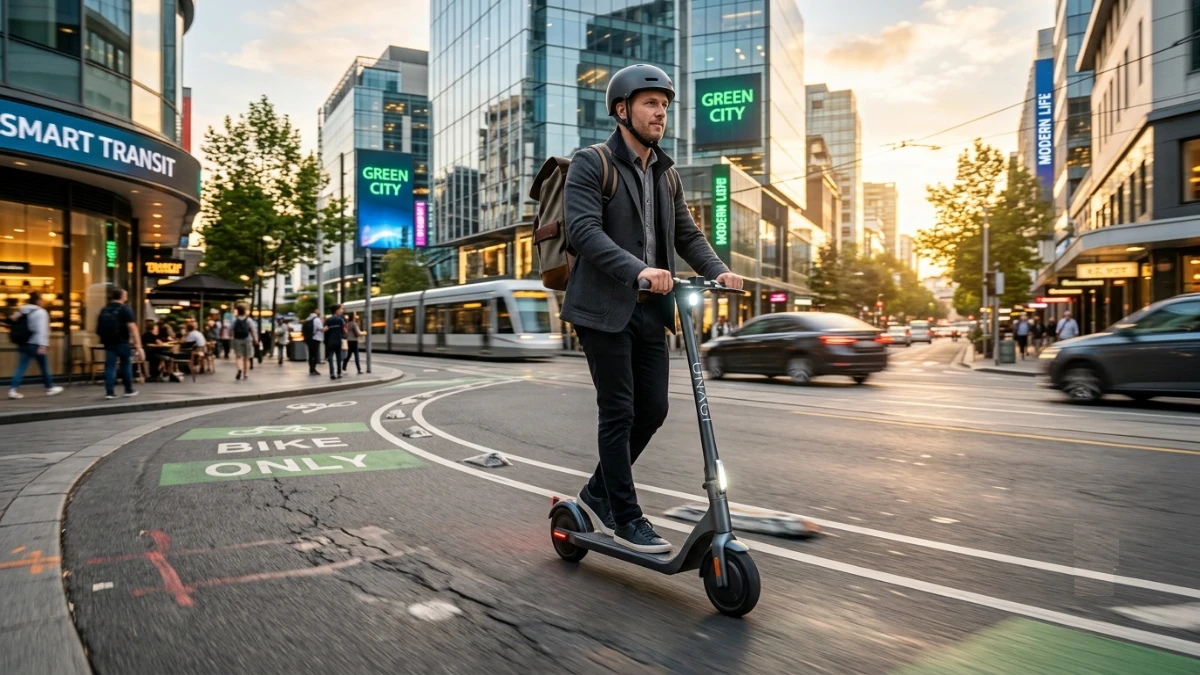
- Last-mile convenience. Pairing a scooter with public transit turns a 25-minute walk from the station into a 6-minute glide.
- Genuine fun. Ask anyone who’s ridden one — there’s a grin-inducing quality to scooting that a car commute just doesn’t have.
The market has responded accordingly. Brands like Segway, Apollo, Hiboy, and EMove now compete hard on range, comfort, and smart features rather than novelty, and the result is a much stronger lineup of adult-focused models than existed even two or three years ago.
What Actually Matters When You’re Shopping
It’s easy to get distracted by top speed numbers on a spec sheet. Here’s what should actually drive your decision:
Motor Power and Speed
Most commuter-focused adult scooters sit in the 350W–750W range, which is enough for city streets and moderate hills. Performance models push into the thousands of watts, but that power comes with more weight, higher cost, and often a legal gray area — many states cap “scooter” classification around 20 mph and 750W before a vehicle starts to look like a moped in the eyes of the law.
Range and Battery
Range claims on the box are almost always optimistic. A scooter advertised for 40 miles will typically deliver closer to 60–70% of that in real-world conditions, once you factor in rider weight, hills, and cold weather. If your commute is 10 miles round trip, look for a scooter rated for at least 20–25 miles to leave yourself a comfortable buffer.
Weight and Portability
A scooter you can’t comfortably lift up a flight of stairs is a scooter that eventually sits in a closet. Sub-40-pound models trade some range and power for portability; heavier commuter and performance scooters (50-plus pounds) ride more comfortably but are a real commitment to carry.
Tires and Suspension
Solid tires need no maintenance but transmit every crack in the pavement straight into your wrists. Pneumatic (air-filled) tires ride far smoother and handle rough streets better, at the cost of occasional flats. Suspension — even basic spring suspension — makes a noticeable difference on daily commutes over imperfect roads.
Water Resistance
An IP rating (like IPX5 or IPX6) tells you how well a scooter tolerates rain. If you’ll ever ride in wet weather, don’t skip this spec.
Comparison Table: Scooter Tiers by Budget
| Tier | Typical Price | Motor Power | Real-World Range | Best For |
|---|---|---|---|---|
| Budget | $300–$600 | 250W–500W | 10–20 miles | Short commutes, occasional use |
| Mid-Range Commuter | $600–$1,200 | 500W–1000W | 20–40 miles | Daily commuting, mixed terrain |
| Premium / Long-Range | $1,200–$2,000 | 800W–1600W | 35–55 miles | Longer commutes, heavier riders |
| Performance | $2,000+ | 2000W+ dual motor | 40–60+ miles | Enthusiasts, off-road, top speed |
Suggested image: a side-by-side photo of a compact commuter scooter next to a dual-motor performance scooter, to visually illustrate the size and weight difference.
Is It Legal to Ride One? What the 2026 Rules Actually Say
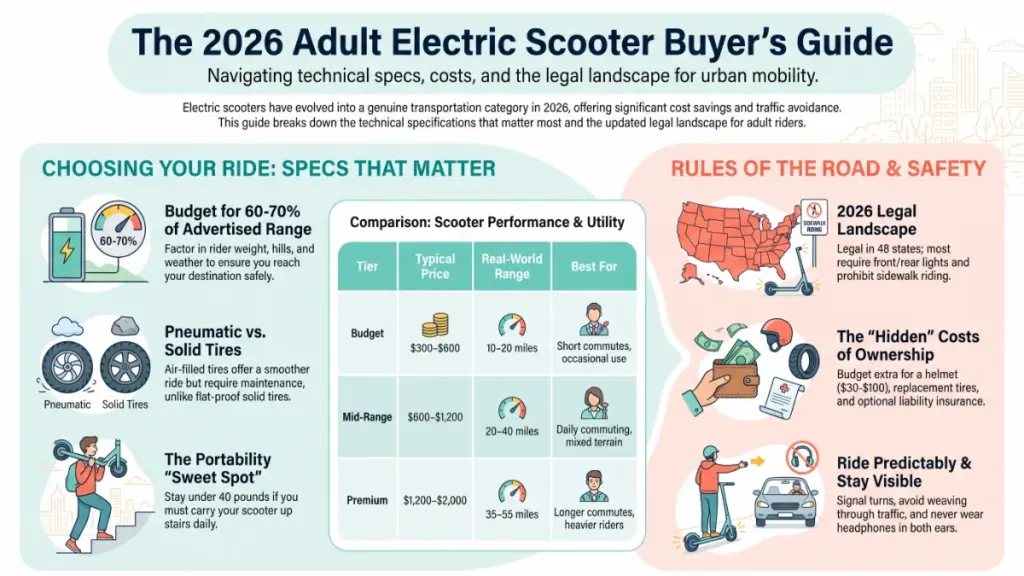
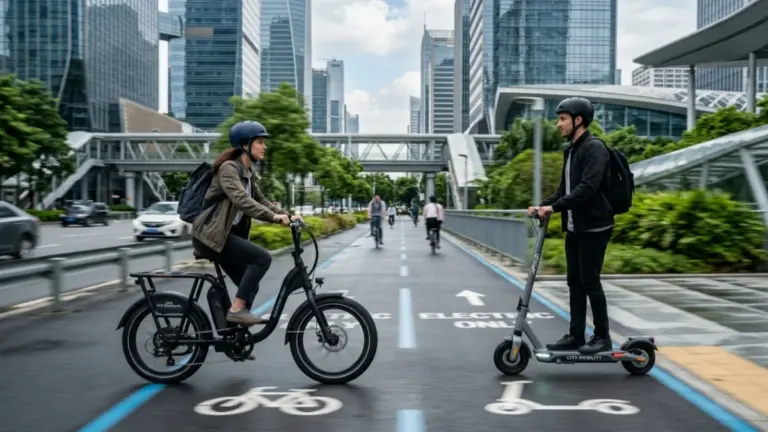
This is where a lot of first-time buyers get tripped up, because there’s no single national rulebook. Electric scooters are legal to ride in 48 US states as of mid-2026, and most states treat them like bicycles, with no license or registration required, riding permitted in bike lanes and on roads posted 25 to 35 mph.
A few things are fairly consistent nationwide right now:
- Most states keep scooters within a top speed of roughly 15 to 20 mph and a weight limit around 100 pounds to remain classified as a scooter rather than a moped.
- A front white light and rear red light or reflector are now required in every state.
- No state currently requires adult riders to wear a helmet, though it’s mandatory for minors in most regulated states, and Utah requires it under age 21.
- Scooters are now legally treated as vehicles for DUI purposes in nearly every state, meaning a scooter DUI can put your car license at risk too.
- Sidewalk riding rules vary widely — some cities allow it outside business districts, while dense cities like New York generally prohibit it, so it’s worth checking local rules before assuming sidewalks are fair game.
Local ordinances can add another layer on top of state law. As one example, New York City has a proposed measure, sometimes called Priscilla’s Law, that would require e-scooters and e-bikes to be registered with the city’s Department of Transportation and carry license plates. Other cities have made smaller adjustments, like Atlanta narrowing its overnight riding curfew and Portland introducing new parking requirements around bike racks.
Bottom line: helmets aren’t legally required for most adults, but I’d still strongly recommend wearing one every time you ride. The law sets a floor, not a safety recommendation.
Riding Safely: Practical Habits, Not Just Rules
- Wear the helmet anyway. Head injuries are one of the most common serious scooter injuries, regardless of what your state technically requires.
- Check your tires and brakes weekly. A soft tire or worn brake pad changes your stopping distance more than most riders expect.
- Ride predictably. Signal turns, hold your line, and avoid weaving between cars — drivers are still adjusting to sharing the road with scooters.
- Mind the weather. Wet leaves, painted crosswalk lines, and metal grates get slick fast, even on a scooter with good tires.
- Skip the headphones in both ears. Several cities now treat dual-ear headphone use while riding as a ticketable offense, and more importantly, you need to hear traffic around you.
The Real Cost of Ownership
The sticker price is only part of the story. Budget for:
- A helmet, if you don’t already own one (roughly $30–$100)
- Replacement tires or tubes over the scooter’s life (roughly $20–$60 per tire)
- A charger replacement eventually, since chargers tend to fail before the scooter itself does
- Optional insurance add-ons through a homeowner’s or renter’s policy, since no state currently mandates standalone liability insurance for personal scooter owners
Even accounting for all of that, most riders find their scooter pays for itself within the first several months compared to rideshare or parking costs.
What’s Next for Adult Electric Scooters
Expect continued gains in battery density (meaning more range without more weight), wider adoption of regenerative braking, and smarter companion apps that track theft-deterrence and maintenance reminders. On the regulatory side, expect more cities to experiment with registration requirements similar to New York’s proposal, as local governments try to balance the safety benefits and the growing pains of shared streets.
Key Takeaways
- Match motor power and range to your actual commute, not the biggest number on the box.
- Pneumatic tires and suspension matter more for comfort than raw top speed.
- Scooters are legal in nearly every state, but rules on sidewalks, helmets, and registration vary by city — check local ordinances before you ride.
- No state requires adult helmets, but wearing one anyway is one of the cheapest safety upgrades you can make.
- Factor tires, chargers, and a helmet into your real budget, not just the scooter’s sticker price.
If you’re ready to buy, start by mapping your actual daily distance and terrain, then work backward to the tier that comfortably covers it with room to spare. Ride safe out there.