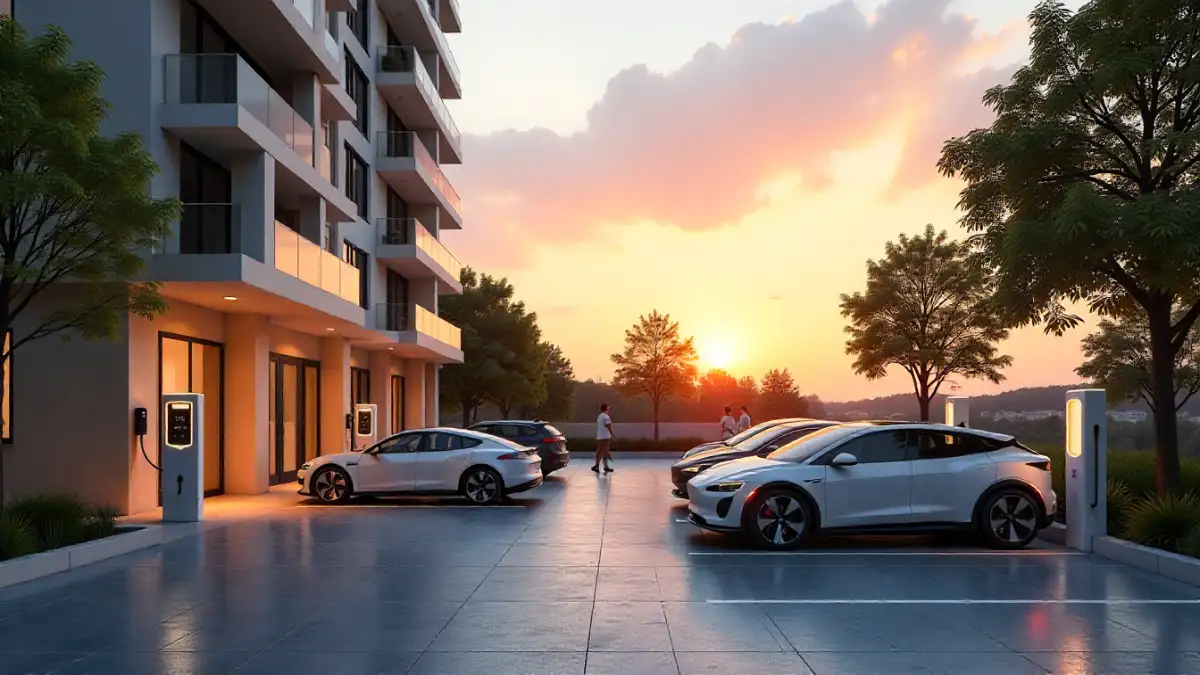
You’ve decided to make the switch to electric—congratulations! But then reality hits: you live in an apartment or condo, and suddenly electric car charging in apartments and condos feels like an unsolved puzzle. That sleek EV in the showroom seems less practical when you realize you can’t just install a charger in your parking spot. Trust me, you’re not alone in this predicament. Millions of potential EV drivers face this exact challenge, and it’s one of the biggest barriers keeping people from going electric.
Here’s the good news: the apartment and condo charging puzzle isn’t unsolvable. In fact, solutions are popping up faster than ever before, and with a little knowledge and some strategic planning, you can absolutely make electric vehicle ownership work in multi-unit housing. Let’s dive into your options, the obstacles you might face, and the practical steps you can take to get charging at home—or close to it.
Understanding the Multi-Unit Dwelling Challenge
Why is EV charging such a headache for apartment and condo residents? The problem boils down to a few key factors.
First, you don’t own the property. Even if you’re willing to foot the bill for a charging station, you typically can’t just install electrical equipment without property owner or HOA approval. Second, parking spaces in multi-unit buildings are often shared, not assigned, making dedicated charger installation tricky. Third, the electrical infrastructure in older buildings wasn’t designed to handle multiple EVs charging simultaneously—imagine everyone plugging in a clothes dryer at the same time.
But here’s what’s changing: lawmakers are catching on. States like California, Colorado, and others have passed “right to charge” laws that prevent HOAs and landlords from unreasonably denying EV charging installation requests. The federal government is investing billions in charging infrastructure, including grants specifically for multi-family housing. And property managers are realizing that EV charging is quickly becoming an amenity that attracts and retains tenants, just like high-speed internet or a fitness center.
Individual Charging Solutions: Taking Matters Into Your Own Hands
If you have an assigned parking spot—especially in a garage or covered area—you’ve already cleared the first hurdle. Now comes the negotiation and installation process.
Start with a conversation. Approach your landlord or HOA board with a professional proposal, not just a request. Document your plan: which charging station you’d like to install (a Level 2 charger like the ChargePoint Home Flex or JuiceBox 40 is typical), who will handle installation (a licensed electrician), proof of insurance, and how the electrical costs will be metered to your unit. Many landlords are more receptive when you remove their liability concerns and make it clear they won’t be paying your electric bill.
The costs vary widely. Expect to pay between $500 and $2,000 for the charging equipment itself, plus installation costs ranging from $300 to $3,000 depending on how far your parking spot is from the electrical panel. Yes, that’s a significant investment—but remember, you’ll recoup much of it through years of cheaper “fuel” compared to gasoline.
Consider portable solutions. If permanent installation seems impossible, portable Level 2 chargers that plug into regular outlets can work in a pinch. They charge slower than hardwired stations, but if you’re only driving 30-40 miles daily, a standard 120-volt outlet might give you enough overnight charging to get by. Products like the Duosida Portable EV Charger offer flexibility if you might move or need to charge in different locations.
One creative solution I’ve seen work: some residents negotiate to pay a monthly fee to their landlord in exchange for using a dedicated outlet near their parking spot. It’s not elegant, but it’s pragmatic—and sometimes that’s what matters most.
Community and Shared Charging Infrastructure
This is where the future really gets interesting. Smart property managers are realizing that installing EV charging isn’t just about accommodating one tenant—it’s about future-proofing the entire property.
Networked charging stations are becoming the gold standard for multi-unit dwellings. Companies like ChargePoint, EV Connect, and Blink offer systems where multiple charging stations are installed in a parking garage or lot, and residents can access them through smartphone apps. These systems handle billing automatically, tracking exactly how much electricity each resident uses and charging them accordingly. Some even allow reservation systems so you can ensure a charger is available when you need it.
The beauty of networked systems is that they’re scalable. A property might start with four charging stations and add more as EV adoption increases among residents. Load management software ensures the building’s electrical system isn’t overwhelmed—the chargers communicate with each other and throttle charging speeds during peak demand times.
Shared cost models make this more affordable for property owners. Some buildings split the installation cost among current EV-driving residents, while others factor it into rental rates or HOA fees. Federal tax credits and state/local incentives can cover 30-50% of installation costs, making the property owner’s investment significantly smaller. For example, California’s CALeVIP program has provided millions in rebates specifically for multi-family charging installations.
What if your property manager hasn’t even considered EV charging yet? Bring it up at the next HOA meeting or send a formal request. Come armed with data: mention that properties with EV charging see increased property values (studies suggest 3-5% premiums) and higher tenant retention. Offer to research grants and incentives on their behalf. Sometimes all it takes is one motivated resident to get the ball rolling.
Alternative Charging Strategies When Home Charging Isn’t an Option
Let’s be honest: not every apartment or condo situation will allow for home charging, at least not immediately. But that doesn’t mean EV ownership is off the table—it just means you’ll need to be more strategic.
Workplace charging is a game-changer. If your employer offers free or subsidized charging, you can essentially “refuel” during work hours, solving your apartment charging dilemma entirely. Many companies are adding EV chargers as an employee benefit, and some even offer priority parking for EV drivers. If your workplace doesn’t have charging yet, consider suggesting it to HR or facilities management—companies get tax incentives too.
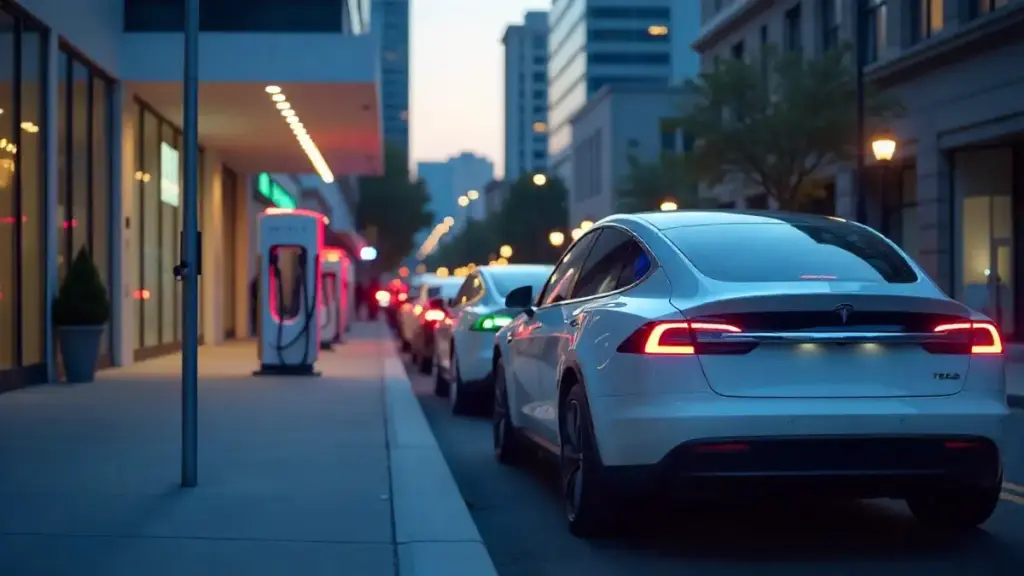
Public DC fast charging has improved dramatically. Networks like Electrify America, EVgo, and Tesla’s Supercharger network (increasingly open to non-Tesla vehicles) can charge your EV to 80% in 20-30 minutes. While relying exclusively on fast charging isn’t ideal—it’s more expensive than home charging and not great for long-term battery health—it’s perfectly viable for supplemental charging. Think of it like getting your groceries: you wouldn’t want to shop daily, but a couple of targeted trips per week works fine.
I know an apartment dweller in Denver who charges his Chevy Bolt at a nearby grocery store that offers free Level 2 charging. He does his weekly shopping and walks out with both groceries and a full battery. Another friend uses the DC fast charger at a shopping center—30 minutes of charging while she grabs dinner or runs errands, and she’s good for the week. It requires more planning than plugging in at home, but these folks make it work because the overall savings and environmental benefits of EV driving matter to them.
Destination charging is expanding too. Hotels, shopping centers, parking garages, and even some restaurants now offer EV charging. Apps like PlugShare and ChargeHub map out every available charger in your area, including user reviews about reliability and cost. The key is building charging into your routine rather than treating it as a special trip.
Looking Ahead: The Infrastructure Is Improving Fast
If you’re feeling discouraged by the current charging landscape for apartment and condo residents, here’s the perspective you need: this is a temporary problem that’s getting solved rapidly.
Cities are passing ordinances requiring new multi-family construction to include EV charging infrastructure. Retrofitting programs are helping older buildings upgrade their electrical systems. Federal infrastructure spending is specifically targeting underserved areas, including multi-unit housing. And as EV adoption accelerates—automakers are going all-in on electric with dozens of new models launching each year—market pressure will force more buildings to accommodate charging.
Some apartment complexes are even partnering with charging companies in revenue-sharing arrangements where the charging provider covers installation costs in exchange for keeping a percentage of charging fees. It’s a win-win: residents get charging access, property values increase, and the charging company builds its network.
Battery technology keeps improving too. Five years from now, EVs will have longer ranges, meaning you’ll need to charge less frequently. Faster charging technology means those public charging sessions will take even less time. And vehicle-to-grid technology might let you actually earn money by selling electricity back to the grid during peak demand—though that’s still mostly in the pilot phase.
Your Action Plan: Making EV Ownership Work
So where do you start? Here’s your practical roadmap:
Step 1: Assess your situation honestly. How many miles do you drive daily? Is there an assigned parking spot? What’s the electrical situation near your parking area? Do you have workplace charging or convenient public chargers nearby?
Step 2: Calculate your charging needs. Most EVs gain 25-30 miles of range per hour with a Level 2 charger. If you drive 40 miles daily, you need roughly 1.5-2 hours of charging overnight. That’s doable even with shared community chargers.
Step 3: Research your options. Use apps to map nearby public chargers. Check if your employer offers workplace charging. Look into your state’s right-to-charge laws and available incentives for multi-family charging installations.
Step 4: Approach your property manager or HOA. Schedule a meeting, bring a written proposal, emphasize the benefits to property value, and mention available incentives that reduce their costs. Persistence pays off—don’t be discouraged by an initial “no.”
Step 5: Connect with other residents. You’re probably not the only person in your building interested in EVs. Forming a small group of interested residents gives you more negotiating power and might help share installation costs.
The apartment and condo charging challenge is real, but it’s far from insurmountable. Between creative individual solutions, expanding community infrastructure, strategic use of public charging, and rapidly improving regulations and incentives, there are more pathways to EV ownership than ever before. Yes, it requires more planning than if you owned a house with a garage—but the combination of lower operating costs, environmental benefits, and the pure enjoyment of driving electric makes it worth the effort.
The electric future isn’t just for single-family homeowners. With a bit of initiative and the right strategies, apartment and condo residents can absolutely be part of the transition. Your next car can be electric—you just might need to think a little differently about where and how you charge it.