You’ve probably heard the pitch: electric cars have regenerative braking, so their brake pads last forever, right? Well, not exactly. While it’s true that EVs are remarkably easy on their brakes compared to gas-powered cars, they come with their own unique maintenance quirks that can catch new owners off guard.
Here’s the ironic twist: because you use your brakes less in an electric vehicle, they can actually develop problems you wouldn’t typically see in a traditional car. Rust, corrosion, and uneven wear become real concerns when those brake components sit idle for extended periods. If you’ve recently made the switch to electric or you’re considering it, understanding how to properly maintain your EV’s braking system will save you money and keep you safe on the road.
Let me walk you through everything you need to know about electric car brake maintenance, from why regenerative braking changes the game to practical tips for keeping those rotors rust-free.
How Regenerative Braking Changes Everything
First, let’s talk about what makes electric car braking so different. When you lift your foot off the accelerator in an EV, the electric motor essentially runs in reverse, converting your car’s kinetic energy back into electricity that recharges the battery. This process creates resistance that slows the vehicle down—sometimes quite dramatically, depending on your settings.
This regenerative braking system handles the majority of your everyday stopping needs. Coasting to a red light? Your EV’s motor does most of the work. Slowing down for traffic? Again, regenerative braking has you covered. In fact, many EV drivers can go weeks without really pressing the physical brake pedal hard, especially if they’ve mastered “one-pedal driving.”
The result? Brake pads that can last 100,000 miles or more—significantly longer than the 25,000 to 70,000 miles you’d typically see in a gas-powered vehicle. Sounds great, right? And it is, until you realize that your brake components are basically sitting around doing nothing for long stretches of time.
The Rust Problem Nobody Warned You About
Here’s where things get interesting. Traditional brake systems stay relatively clean because regular use creates friction that naturally scrubs away surface rust and debris. It’s like a self-cleaning mechanism. But when your brakes rarely engage, that surface rust has time to settle in and get comfortable.
This is especially problematic if you live in humid climates or areas where roads are salted in winter. Moisture and salt are brake enemies number one and two, and when your brake rotors aren’t being regularly used, they become prime real estate for corrosion. I’ve talked to Tesla owners in coastal areas who were shocked to find surface rust on their rotors after just a few months of ownership.
The rust itself isn’t immediately dangerous—it’s often just a thin layer on the surface—but it can cause some concerning symptoms. You might hear grinding or squealing when you do use your brakes. You might feel vibration or pulsing through the brake pedal. In more severe cases, that rust can actually reduce your braking effectiveness, which obviously isn’t something you want to discover during an emergency stop.
Understanding Brake Component Wear Patterns in EVs
Electric vehicles experience brake wear differently than conventional cars, and understanding these patterns helps you know what to watch for. While your brake pads might last indefinitely, other components face unique challenges.
Brake rotors in EVs are particularly vulnerable because they’re exposed to the elements but used infrequently. That combination creates the perfect storm for corrosion. Meanwhile, brake calipers—the components that squeeze the pads against the rotors—can develop sticky pistons from lack of use. These pistons need regular movement to keep their seals lubricated and functioning properly.
Another concern that surprises many EV owners is uneven pad wear. Since regenerative braking is stronger when you’re traveling at higher speeds, you might find yourself using conventional brakes more for low-speed stops. This can create unusual wear patterns where certain parts of the pad are more worn than others.
The brake fluid situation is interesting too. Even though you’re not using the brakes as much, brake fluid still absorbs moisture over time and needs to be changed according to your manufacturer’s schedule—typically every two to three years. Skipping this maintenance can lead to reduced braking performance and internal corrosion in the brake lines.
Practical Maintenance Tips for EV Brakes
So how do you keep your electric car’s brakes in top shape? The good news is that it doesn’t require anything complicated or time-consuming. Here are some practical strategies I recommend:
Use Your Brakes Intentionally
This might sound counterintuitive, but occasionally using your physical brakes is actually good for them. If you have an adjustable regenerative braking setting, consider reducing it once or twice a month and using the brake pedal more actively. This helps scrub off any surface rust and keeps all the mechanical components moving freely.
Some EV owners dedicate one day a month to what they call “brake exercise day,” where they deliberately use their friction brakes more than usual. A few hard stops from highway speeds (in a safe location, of course) can work wonders for keeping those rotors clean.
Inspect Regularly
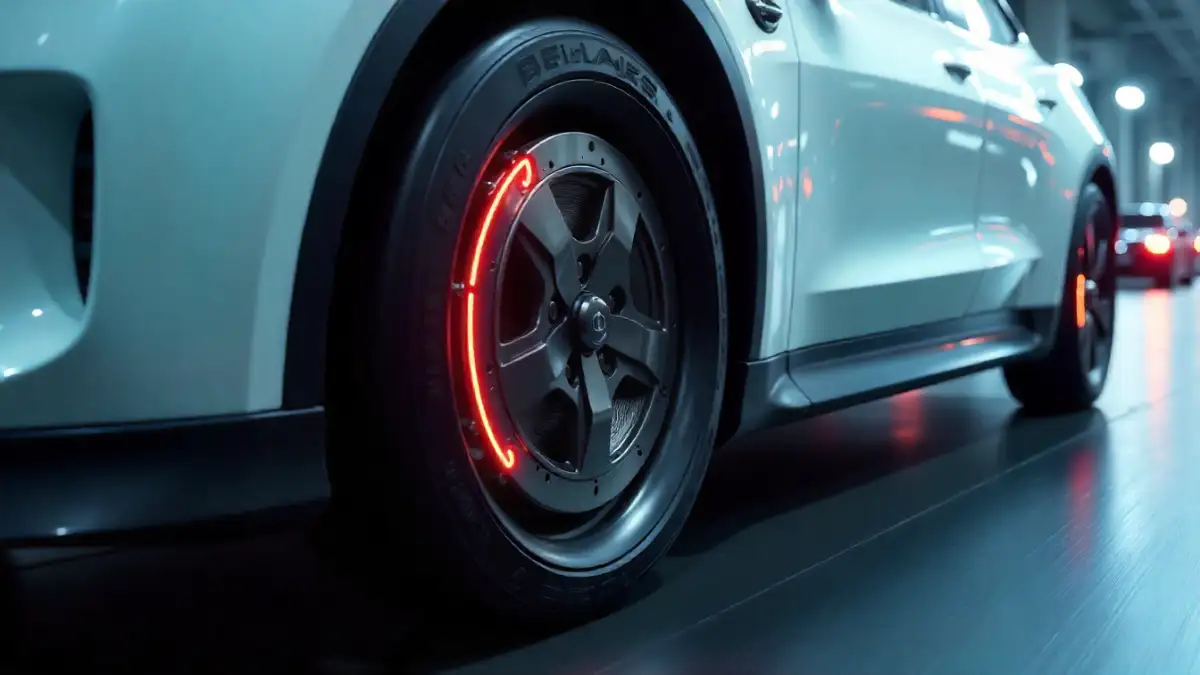
Make it a habit to visually check your brake rotors every few weeks, especially after periods of wet weather or if you live near the ocean. You can usually see the rotors through the wheel spokes. Look for:
- Heavy rust build-up (a thin layer is normal, but thick, flaky rust is concerning)
- Deep grooves or scoring in the rotor surface
- Uneven coloring that might indicate warping
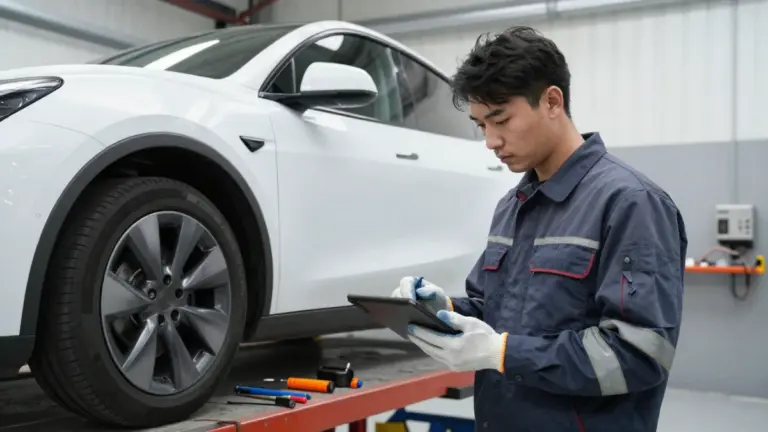
If you’re not comfortable doing this yourself, ask your mechanic to include a brake inspection during regular service visits.
Adjust Your Driving Style Seasonally
During winter months in snowy regions, road salt is everywhere. This is when you need to be most proactive about using your brakes. The combination of salt and moisture accelerates corrosion significantly. Don’t rely entirely on regenerative braking during these months—use your friction brakes more frequently to keep them clean and functional.
Consider Your Environment
If you park outside in a humid climate, your brakes face more challenges than someone who parks in a dry garage. You might need to be more vigilant about exercising your brakes and checking for rust. Some EV owners in particularly humid areas report that their car’s computer will automatically engage the physical brakes periodically to prevent excessive rust build-up, but don’t rely on this—check your owner’s manual to see if your vehicle has this feature.
Don’t Skip Professional Inspections
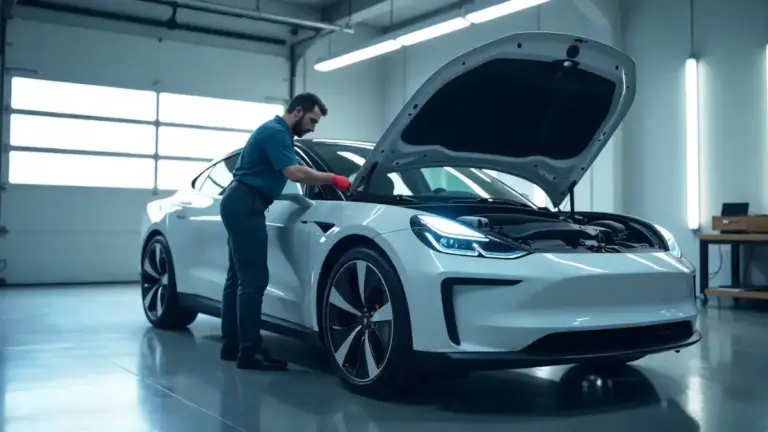
Just because EV brakes last longer doesn’t mean they should be ignored during service appointments. Your mechanic should still check brake pad thickness, rotor condition, caliper function, and brake fluid condition during routine maintenance. Many manufacturers recommend brake system inspections every 10,000 to 20,000 miles, even for EVs.
When to Replace EV Brake Components
Despite their longevity, EV brakes eventually need replacement. The question is: when? The answer isn’t as straightforward as it is with traditional vehicles because mileage alone doesn’t tell the whole story.
Brake pads should be replaced when they reach about 3-4 millimeters in thickness. Given how slowly EV brake pads wear, you might reach that point after 100,000 miles or more. However, environmental damage might necessitate earlier replacement.
Rotors are trickier. They might last the life of the vehicle if you’re lucky, but rust and corrosion can require earlier replacement even when the rotors still have plenty of material left. If you’re experiencing persistent vibration, noise, or reduced braking performance even after using the brakes regularly, it’s time for a professional evaluation.
Calipers rarely need complete replacement, but they might require servicing if pistons become sticky or seals deteriorate. This typically manifests as uneven braking or a pulling sensation when you brake.
The Bottom Line on EV Brake Maintenance
The reality of electric car brake maintenance sits somewhere between “set it and forget it” and the regular attention conventional brakes demand. Yes, your brake pads will last impressively long, saving you money on replacements. But no, you can’t completely ignore your braking system just because you’re not using it as much.
Think of it this way: your EV’s brakes need occasional exercise to stay healthy, just like you do. A little preventive attention goes a long way toward ensuring they’re ready when you really need them.
The good news? Once you understand how regenerative braking affects your brake components, maintaining them becomes second nature. Check them periodically, use them intentionally every so often, and follow your manufacturer’s recommended service intervals. Do that, and you’ll enjoy the best of both worlds—the efficiency and reduced wear of regenerative braking, with the safety and reliability of well-maintained friction brakes ready as backup.
Your brakes might not get much use in your electric car, but when you need them to work, you need them to work perfectly. Give them the occasional attention they deserve, and they’ll be there for you when it matters most.