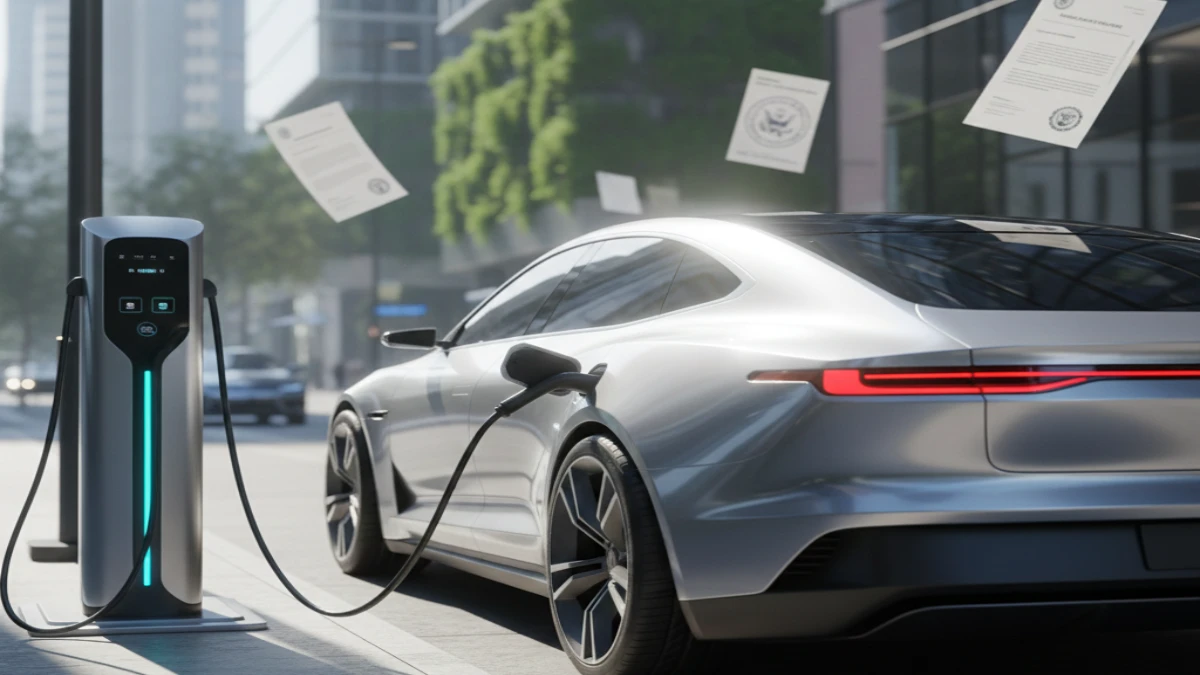
Making Electric Mobility More Affordable: How Governments Are Helping You Go Green
Have you been eyeing that sleek Tesla Model 3 or the practical Ford F-150 Lightning, but the price tag made you hesitate? Here’s something that might change your mind: governments around the world are literally paying people to make the switch to electric vehicles. And we’re not talking about pocket change—we’re talking thousands of dollars in savings, tax breaks, and perks that can make an EV surprisingly affordable.
Let me share something interesting: my neighbor recently bought a Chevy Bolt and, after federal tax credits, state rebates, and utility company incentives, ended up saving nearly $12,000. That’s essentially getting a brand-new car at used car prices. If you’ve been on the fence about electric mobility, understanding these incentives might just tip the scales.
In this guide, I’ll walk you through everything you need to know about government incentives for electric mobility—from federal tax credits to local perks you’ve probably never heard of. Whether you’re in the United States, Europe, or elsewhere, there’s likely a program designed to help you make the switch. Let’s dive in and see how much you could save.
Understanding the Big Picture: Why Governments Support Electric Mobility
Before we get into the nitty-gritty of specific programs, it’s worth understanding why governments worldwide are so enthusiastic about getting you into an EV. It’s not just about being environmentally friendly (though that’s a huge part of it).
Transportation accounts for nearly 27% of greenhouse gas emissions in the United States alone, according to the EPA. Electric vehicles offer a direct path to reducing these emissions, especially as power grids increasingly rely on renewable energy. But there’s more to the story: governments recognize that supporting EV adoption creates jobs, reduces dependence on foreign oil, improves air quality in cities, and positions their countries as leaders in future technologies.
Think of it this way: when governments offer you incentives to buy an EV, they’re not just being generous—they’re investing in public health, energy independence, and economic competitiveness. You benefit with immediate savings, and society benefits long-term. It’s genuinely a win-win situation.
The result? Countries from Norway to China, and states from California to Colorado, have rolled out comprehensive incentive programs that can make electric vehicles cost-competitive with—or even cheaper than—traditional gas-powered cars.
Federal Tax Credits: The Foundation of EV Savings in the United States
Let’s start with the big one for American readers: the federal EV tax credit. This is often the single largest incentive available, and understanding how it works can save you serious money.
As of 2024, the federal government offers up to $7,500 in tax credits for new electric vehicles through the Inflation Reduction Act. But here’s where it gets interesting—and a bit complicated. Not every vehicle qualifies for the full amount, and the rules have some specific requirements you need to know about.
The Current Federal Credit Breakdown:
The $7,500 credit is actually split into two parts: $3,750 for meeting battery component requirements and another $3,750 for meeting critical mineral requirements. Essentially, the vehicle must have a certain percentage of battery components manufactured or assembled in North America, and a percentage of critical minerals extracted or processed in the U.S. or in countries with free trade agreements.
Income and Price Caps:
Here’s something that catches many buyers off guard: there are income limits. For single filers, your modified adjusted gross income must be under $150,000. For joint filers, it’s $300,000. There are also vehicle price caps—$80,000 for SUVs, vans, and trucks, and $55,000 for other vehicles.
Why does this matter? Because that dream EV might not qualify if it’s too expensive or if your income is above the threshold. But don’t let that discourage you—many excellent EVs fall well within these limits. The Chevy Equinox EV, Volkswagen ID.4, and Tesla Model 3 all qualify, for example.
The Game-Changing 2024 Update:
Here’s some genuinely exciting news: starting in 2024, you can transfer this credit directly to the dealer at the point of sale. Previously, you had to wait until you filed your taxes to get the money back. Now? You can get that $7,500 knocked off your purchase price right at the dealership. This makes EVs immediately more affordable and removes the cash-flow challenge that stopped many buyers.
Used EV Credit:
Don’t overlook the used EV tax credit either. You can get up to $4,000 (or 30% of the sale price, whichever is less) when buying a used electric vehicle. There are requirements here too—the vehicle must be at least two years old, cost less than $25,000, and you must meet income requirements ($75,000 for single filers, $150,000 for joint filers).
State and Local Incentives: Where Location Really Pays Off
Federal credits are great, but state and local incentives can truly transform the economics of going electric. And the variation is remarkable—where you live can literally mean the difference between modest savings and extraordinary deals.
California: The EV Incentive Champion
California leads the pack with its Clean Vehicle Rebate Project (CVRP), which has provided over $1.4 billion in rebates since its inception. Eligible California residents can receive up to $7,500 for purchasing or leasing a new plug-in hybrid or battery electric vehicle, with even higher amounts for low-income buyers. When you stack this with federal credits, you’re looking at potentially $15,000 in combined savings.
California also offers incentives for charging equipment installation, carpool lane access (even with a single occupant), and reduced toll rates. These perks add up faster than you might think.
Colorado: Surprisingly Generous
Colorado offers up to $5,000 in state tax credits for new EVs, which can be combined with federal incentives. They’ve also implemented innovative programs like income-based incentives that can reach $12,500 for low- and moderate-income buyers. Plus, Colorado has local utility incentives and municipal rebates in cities like Denver and Fort Collins.
Other State Standouts:
- New York: Up to $2,000 rebate through the Drive Clean Rebate program
- Massachusetts: Up to $3,500 rebate (more for low-income buyers)
- New Jersey: Up to $4,000 in state incentives
- Maryland: Excise tax credit of up to $3,000
Even states you might not expect have programs. Delaware offers $1,300 for new EVs and $750 for used ones. Pennsylvania provides up to $2,000 through various programs. The key is researching what’s available specifically in your state—you might be pleasantly surprised.
Don’t Forget Local Utilities:
Your local electric utility company might offer additional rebates. For instance, Southern California Edison offers rebates on EV charging equipment. Austin Energy in Texas provides rebates for home chargers. These typically range from $250 to $1,000, which might not sound like much, but every bit helps when you’re making a major purchase.
International Incentives: How Other Countries Support EV Adoption
Electric mobility isn’t just an American phenomenon—governments worldwide have embraced it, often with even more generous programs than what’s available in the United States.
Norway: The EV Success Story
Norway deserves special mention because they’ve basically figured out how to make EVs the obvious choice. Over 80% of new car sales in Norway are electric vehicles, and incentives are a huge reason why. Norwegian EV buyers enjoy:
- No import taxes or purchase taxes on EVs
- Exemption from the 25% VAT on vehicle purchases
- Free municipal parking in many cities
- Access to bus lanes
- Reduced toll fees
- Free charging at many public stations
When you add it all up, buying an EV in Norway can actually be cheaper than buying a comparable gasoline vehicle. It’s no wonder they’re leading the world in EV adoption.
Germany: Supporting the Transition
Germany has committed billions to EV incentives through its environmental bonus program. Buyers can receive up to €6,750 for battery electric vehicles priced under €40,000. They’ve also invested heavily in charging infrastructure, with ambitious plans to have one million public charging points by 2030.
United Kingdom: Focused on Accessibility
The UK offers a plug-in grant of up to £2,500 for small electric vehicles and vans. They’ve also implemented road tax benefits—zero-emission vehicles pay no vehicle excise duty. Additionally, company car tax rates are significantly lower for electric vehicles, making them attractive for business use.
China: The World’s Largest EV Market
China has used a combination of purchase subsidies, license plate advantages (in cities with restrictions), and massive infrastructure investments to become the world’s largest EV market. While subsidies have been gradually reduced as the market matured, EVs remain advantageous through exemptions from purchase taxes and preferential treatment in major cities.
Canada: Federal and Provincial Support
Canada offers up to CAD $5,000 in federal rebates for battery electric vehicles under $55,000, with provincial programs adding more. British Columbia, for example, offers an additional $3,000, while Quebec provides up to $7,000. These stacked incentives make Canada quite attractive for EV buyers.
Beyond Purchase Incentives: The Hidden Benefits of Electric Mobility
Here’s something many people miss when calculating the value of going electric: the incentives don’t stop at the purchase price. Governments support electric mobility through various ongoing benefits that save you money year after year.
Charging Infrastructure Support:
Many states and countries offer rebates or tax credits for installing home charging equipment. In the U.S., you can get a federal tax credit covering 30% of the cost (up to $1,000) for home charger installation. Some states and utilities add their own incentives on top of this. That Level 2 charger that costs $1,500? You might only pay $500 out of pocket after incentives.
HOV Lane Access:
Ever been stuck in traffic while watching cars zip by in the carpool lane? Many states allow electric vehicles to use High Occupancy Vehicle (HOV) or carpool lanes regardless of how many passengers you have. In places like California, Virginia, and Maryland, this perk alone can save you hours each week. If you commute 45 minutes each way and can cut that to 30 minutes by using HOV lanes, that’s 2.5 hours per week—over 100 hours per year—back in your life.
Reduced or Free Parking:
Cities worldwide offer preferential parking for EVs. Some provide free parking at meters, others offer reduced rates in municipal lots, and many give priority spots with charging facilities. If you work downtown and parking costs $200 per month, free EV parking could save you $2,400 annually.
Lower Registration Fees:
Several states offer reduced vehicle registration fees for electric vehicles. While this might only save you $50-100 annually, over the typical 10-year ownership period, that’s another $500-1,000 in your pocket.
Insurance Discounts:
Some insurance companies offer discounts specifically for electric vehicles, recognizing their advanced safety features and lower risk profiles. It’s worth shopping around and asking specifically about EV discounts when getting quotes.
How to Actually Claim Your Incentives: A Practical Roadmap
Understanding what incentives exist is one thing; actually claiming them is another. Let me walk you through the practical steps to ensure you don’t leave money on the table.
Before You Buy:
First, research thoroughly. Visit resources like:
- FuelEconomy.gov for federal credits
- Your state’s energy or environmental agency website
- Plug In America’s incentive finder
- Your local utility company’s website
Make a spreadsheet listing all available incentives, their requirements, and their values. Some incentives can be stacked; others cannot. Knowing this upfront helps you maximize savings.
At the Dealership:
Ask explicitly about the point-of-sale tax credit transfer. Not all dealers are equally knowledgeable, so being informed yourself is crucial. Get everything in writing, including which incentives the dealer is applying and which you’ll need to claim yourself.
Also inquire about manufacturer incentives. Sometimes automakers offer their own rebates or special financing rates for EVs, which can stack with government programs.
After Purchase:
For federal tax credits (if not transferred at sale), you’ll claim them using IRS Form 8936 when filing your taxes. Keep all documentation: the purchase agreement, vehicle identification number (VIN), and proof of when you took delivery.
For state rebates, most require submitting an application within a specific timeframe (often 6-12 months) after purchase. Missing deadlines means losing potentially thousands of dollars, so set calendar reminders.
For utility incentives, contact your provider directly. Many require proof of purchase and sometimes an inspection of your charging equipment.
Common Mistakes to Avoid:
Don’t lease without understanding credit implications—sometimes lessors keep the federal tax credit rather than passing savings to you. Don’t assume all EVs qualify for all credits—check specific vehicle eligibility. Don’t forget about used EV credits if you’re buying secondhand. And definitely don’t miss application deadlines for state and utility programs.
Looking Ahead: The Future of EV Incentives
If you’re wondering whether to wait or buy now, understanding the trajectory of EV incentives is important. Here’s my honest take on where things are heading.
The General Trend:
Most experts agree that purchase incentives will gradually decrease as EVs become cost-competitive with gas vehicles. Norway has already started reducing some incentives because their EV market is so mature. In the U.S., tax credits for specific manufacturers have phased out in the past (Tesla and GM temporarily lost eligibility before new legislation restored it).
However, charging infrastructure support is increasing. Governments recognize that range anxiety remains a barrier, so expect continued investment in public charging networks.
The Strategic Timing Question:
Should you buy now or wait? If you’re ready to go electric, current incentives are genuinely substantial. Waiting for “better deals” might backfire if incentives decrease faster than vehicle prices drop. Remember, you’re not just buying a car—you’re also saving on fuel and maintenance throughout ownership. Every month you wait is another month of expensive gas station visits.
That said, if a specific vehicle you want doesn’t currently qualify for incentives but might soon (due to changing manufacturing requirements), waiting a few months could be strategic. Follow industry news and understand the qualification criteria for your target vehicle.
Taking Action: Your Next Steps Toward Electric Mobility
So, you’ve learned about all these incredible incentives—now what? Let me give you a practical action plan to move forward.
Step One: Calculate Your Potential Savings
Use online calculators (like those at Plug In America or AFDC) to estimate your total available incentives based on your location, income, and target vehicle. Don’t just look at federal credits; dig into state, local, and utility programs. You might discover you’re eligible for far more than expected.
Step Two: Test Drive and Experience EVs
Incentives are great, but you need to ensure an EV fits your lifestyle. Visit dealerships, test drive multiple models, and honestly assess your daily driving patterns and charging options. An EV that saves you $10,000 in incentives but doesn’t meet your needs isn’t a good deal.
Step Three: Get Your Finances Ready
Even with substantial incentives, you’re making a significant purchase. Check your credit score, explore financing options, and understand the total cost of ownership (which includes lower fuel and maintenance costs). Many buyers find that monthly EV costs (payment + electricity) are comparable to or less than their current gas car expenses (payment + fuel + maintenance).
Step Four: Time Your Purchase Strategically
Some incentives have annual caps or limited funding. California’s CVRP, for instance, has historically run out of funding temporarily. Buying earlier in the fiscal year can be strategic. Also, consider that dealerships often have better deals at month-end or quarter-end.
Step Five: Document Everything
From your first test drive to final purchase and incentive applications, keep meticulous records. Take photos, save emails, and create a dedicated folder for all EV-related documents. This makes claiming incentives infinitely easier and ensures you don’t miss anything.
The Bottom Line: Electric Mobility Is More Accessible Than Ever
Here’s the truth: government incentives have fundamentally changed the economics of electric vehicle ownership. What once seemed like expensive, niche products are now genuinely accessible to average car buyers—especially when you factor in the total cost of ownership.
That $45,000 EV sticker price might look daunting initially, but after a $7,500 federal credit, $2,000 state rebate, $500 utility incentive, and ongoing savings on fuel and maintenance, you’re looking at a completely different value proposition. Over five years, many EV owners save $10,000-15,000 compared to comparable gas vehicles.
The window for maximum incentives won’t stay open forever. As EVs become mainstream—and they increasingly are—expect incentives to gradually diminish. If you’ve been considering the switch to electric mobility, now is genuinely a great time. The technology is mature, the vehicle options are diverse, and the financial support from governments makes it more affordable than it’s ever been.
Remember my neighbor with the Chevy Bolt? He recently told me that beyond the initial savings, he loves never visiting gas stations and his “fuel” costs dropped from $200 monthly to about $40 in electricity. The incentives got him into the car, but the ongoing benefits keep him smiling every day.
So, what are you waiting for? Start researching the incentives available in your area, visit some dealerships, and seriously consider whether electric mobility might be your next move. The government is literally offering to help you make the switch—it would be a shame not to at least explore the possibility.
The future of transportation is electric, and thanks to forward-thinking incentive programs worldwide, that future is accessible to more people than ever before. Your perfect EV might be more affordable than you think.