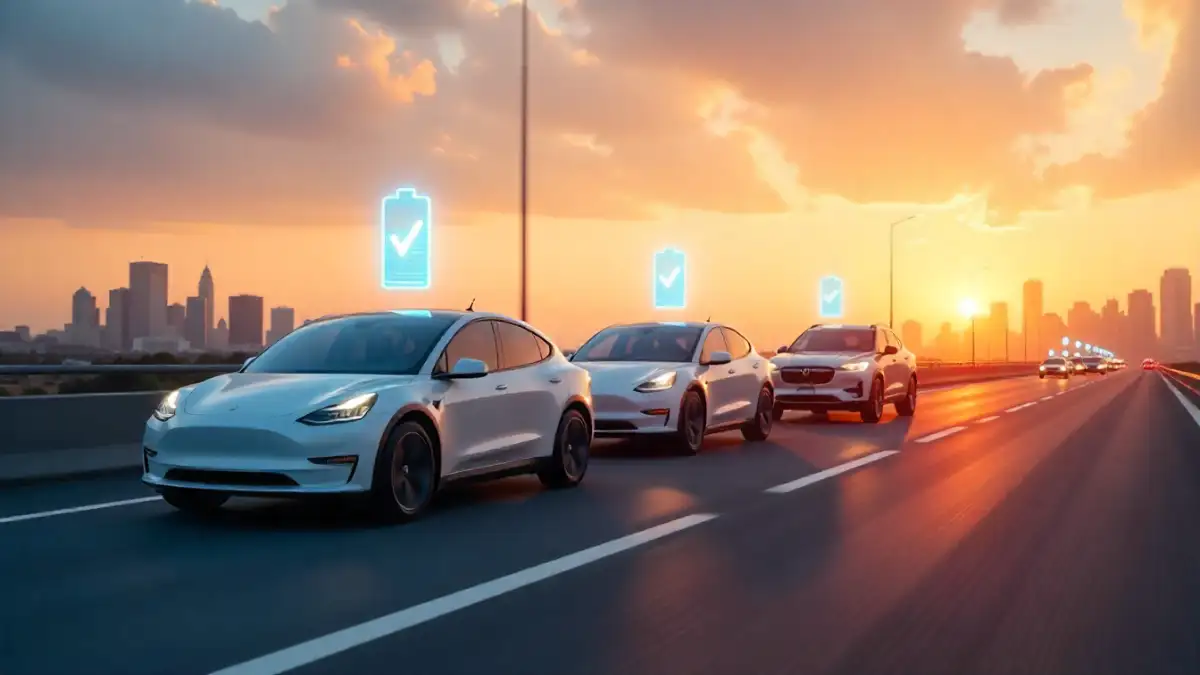
You know what the first question is when someone’s thinking about buying an electric car? It’s not about the sleek design or the instant torque (though those are pretty cool). It’s always: “How far can it go?” And honestly, that’s the right question to ask. Range anxiety might be the most talked-about concern in the EV world, and for good reason—nobody wants to be stranded on the highway watching their battery percentage tick down to zero.
But here’s the thing: electric car range has come a long way. We’re not talking about glorified golf carts anymore. Today’s EVs can match—and sometimes even exceed—what you’d get from a tank of gas. The catch? Not all electric cars are created equal, and understanding which models deliver the best bang for your battery buck can make all the difference in your daily driving experience.
Let me walk you through the top performers across different vehicle categories, so you can see exactly what’s possible with modern electric vehicles.
Understanding EV Range: What Really Matters
Before we dive into specific models, let’s talk about what affects an electric car’s range. It’s not just about having a massive battery—though that certainly helps. Several factors come into play:
Battery capacity is measured in kilowatt-hours (kWh), and you can think of it like the size of a gas tank. A bigger battery generally means more range, but it also adds weight and cost. The sweet spot varies depending on what you need the vehicle to do.
Efficiency is equally important. This is where the engineering magic happens. Some EVs can travel farther on the same amount of battery capacity because they’re simply better at converting stored energy into miles traveled. Things like aerodynamics, weight, tire design, and even the sophistication of the motor all play a role.
And here’s something many people don’t realize: your driving habits and conditions matter enormously. Highway driving at 75 mph in freezing weather with the heater blasting? You’ll see significantly less range than the EPA estimate. Gentle city driving in mild weather? You might actually exceed the official numbers.
Now, let’s look at what’s actually available on the market today.
Sedans: The Efficiency Champions
Sedans have always been about balancing comfort with efficiency, and electric sedans take this to another level. Their lower profile and lighter weight compared to SUVs mean they can squeeze more miles out of every kilowatt-hour.
Mercedes-Benz EQS 450+ currently sits at the top of the sedan heap with an EPA-estimated range of up to 453 miles. Yes, you read that right—over 450 miles on a single charge. This luxury sedan packs a 107.8 kWh battery and showcases what’s possible when you combine a massive battery with exceptional aerodynamics. The EQS has a drag coefficient of just 0.20, making it one of the slipperiest production cars ever made. Of course, this performance comes with a luxury price tag, but it proves that range anxiety can be completely eliminated if you’re willing to pay for it.
Tesla Model S Long Range isn’t far behind, offering around 405 miles of range with its 100 kWh battery pack. Tesla’s been in the EV game longer than most, and it shows in their efficiency numbers. The Model S combines strong performance with impressive range, and Tesla’s Supercharger network means you’ve got charging options almost everywhere.
BMW i4 eDrive40 delivers a more attainable luxury option with about 301 miles of range from its 83.9 kWh battery. What I appreciate about the i4 is that it doesn’t try to reinvent the wheel (pun intended). It feels like a BMW that happens to be electric, which is exactly what some drivers want.
For those looking at more budget-friendly options, the Hyundai Ioniq 6 SE Long Range punches well above its weight class with up to 361 miles of range. Its unusual, aerodynamic design might divide opinions aesthetically, but there’s no arguing with those efficiency numbers.
SUVs: Balancing Space and Range
SUVs present a tougher challenge for electric powertrains. They’re bigger, heavier, and have the aerodynamic profile of a brick compared to sedans. But families need space, and manufacturers have risen to the challenge.
BMW iX xDrive50 leads the luxury SUV segment with approximately 380 miles of range from its 111.5 kWh battery pack. This is the kind of vehicle that can handle a family road trip without constant charging stops. The iX combines three-row practicality with legitimate long-distance capability—something that was unthinkable in an electric SUV just a few years ago.
Mercedes-Benz EQS SUV 450+ offers around 305 miles, bringing that EQS efficiency to a more practical SUV package. It’s proof that you don’t have to sacrifice too much range when you need the extra space and ride height.
Tesla Model X Long Range provides about 348 miles of range, and while it’s not the most efficient SUV out there, Tesla’s charging infrastructure makes it one of the most practical choices for long-distance travel. Those falcon-wing doors are still a conversation starter too, if you’re into that sort of thing.
On the more affordable end, the Chevrolet Equinox EV 3LT is turning heads with its estimated 319 miles of range and a starting price that won’t require a second mortgage. This could be the sweet spot for families who want to go electric without breaking the bank.
The Kia EV9 Long Range deserves special mention here. With up to 304 miles of range and genuine three-row seating, it’s answering the call for families who need space but don’t want to compromise on electric capability.
Trucks: The New Frontier
Electric trucks are where things get really interesting—and controversial. Truck owners have traditionally been skeptical about EVs, and range becomes even more critical when you’re towing or hauling.
Chevrolet Silverado EV RST with the available range extender battery pack claims a jaw-dropping 460 miles of range. That’s more than most gas trucks on a single tank. The secret? A massive 200+ kWh battery pack option. It’s heavy, it’s expensive, but it delivers the range that truck owners demand.
GMC Sierra EV Denali Edition 1 shares similar underpinnings and offers up to 440 miles with its large battery pack. Both GM trucks are showing that electric trucks can actually compete with—and exceed—traditional trucks in terms of range.
Ford F-150 Lightning Extended Range provides about 320 miles in its best configuration. That’s the extended-range battery with rear-wheel drive. Is it as much as the GM trucks? No. But Ford’s proven Lightning platform and lower price point make it an attractive option, especially if you’re not regularly doing 400-mile trips.
Rivian R1T with the Max Pack battery delivers around 410 miles of range. Rivian made waves by being first to market with a genuine adventure-focused electric truck, and their range numbers prove they’re serious about going the distance, literally.
Here’s the reality check though: these range estimates drop significantly when you’re towing. You might see range cut in half or more with a heavy trailer. That’s just physics—you’re asking the vehicle to move more weight through the air, and that requires more energy. It’s the same with gas trucks, but the difference is more noticeable with EVs because charging takes longer than filling up.
What These Numbers Really Mean for You
Raw range numbers are great for comparison shopping, but let’s talk about what they mean in real-world use.
If you’re commuting 50 miles round-trip daily, even a more modest 250-mile range EV will give you plenty of buffer. You’ll charge at home overnight, wake up to a “full tank” every morning, and rarely think about range. For this use case, maximum range is nice to have but not essential.
Planning regular road trips of 300+ miles? That’s where vehicles with 350+ miles of range start to make sense. You’ll still need to stop for charging on longer journeys, but you’ll have more flexibility about where and when you stop. Plus, higher range vehicles often have larger batteries that can accept faster charging speeds, meaning shorter stops when you do need to charge.
Towing or hauling regularly? You’ll want to look at the trucks with the largest batteries. And be realistic about your range expectations when the vehicle is working hard. That 400-mile range might become 200 miles when towing a heavy trailer.
The Charging Infrastructure Factor
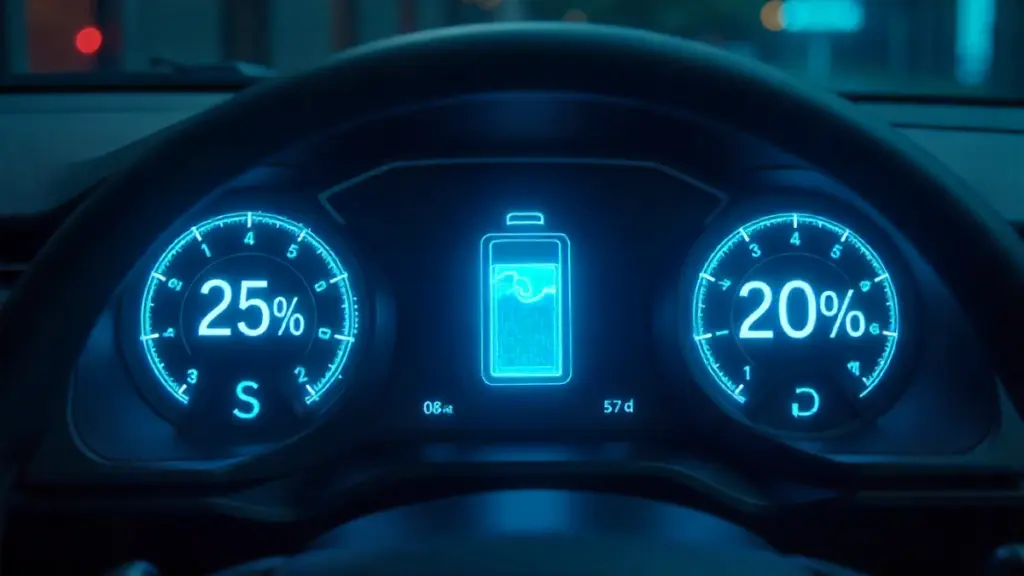
Here’s something that doesn’t show up on spec sheets but matters just as much as range: where and how you can charge.
Tesla’s Supercharger network remains the gold standard, with thousands of reliable, fast chargers across North America. Other manufacturers are rapidly catching up, and many non-Tesla EVs can now access Superchargers through adapters or will have this capability built-in for future model years.
The Electrify America, EVgo, and ChargePoint networks are expanding quickly too. If you’re considering an EV, spend some time looking at charging maps for your typical routes. A vehicle with 300 miles of range and excellent charging infrastructure might be more practical than one with 400 miles of range but limited charging options.
Making Your Decision
So, which electric car range is right for you? Start by honestly assessing your needs:
For most daily driving: 250-300 miles of range is plenty. You’ll almost always charge at home and rarely think about it.
For regular road trips: 350+ miles gives you flexibility and reduces charging stress on longer journeys.
For towing and hauling: Look at trucks with 400+ mile ratings, knowing your real-world range will be lower when working hard.
For maximum flexibility: The longest-range options (450+ miles) essentially eliminate range anxiety entirely, if you’re willing to pay the premium.
Remember, EV technology keeps improving. Today’s impressive ranges will likely seem modest in five years. But right now, there are excellent options across every vehicle category that can handle the vast majority of driving needs without compromise.
The question isn’t whether electric cars can go far enough anymore. It’s about finding the right balance of range, features, and price for your specific situation. And with the options available today, there’s probably an EV that fits your needs better than you might think.
What’s your typical daily drive look like? That’s the best place to start when figuring out how much range you really need.