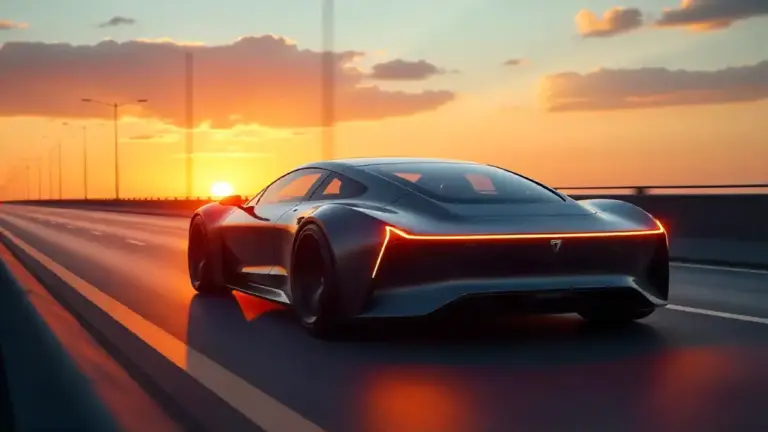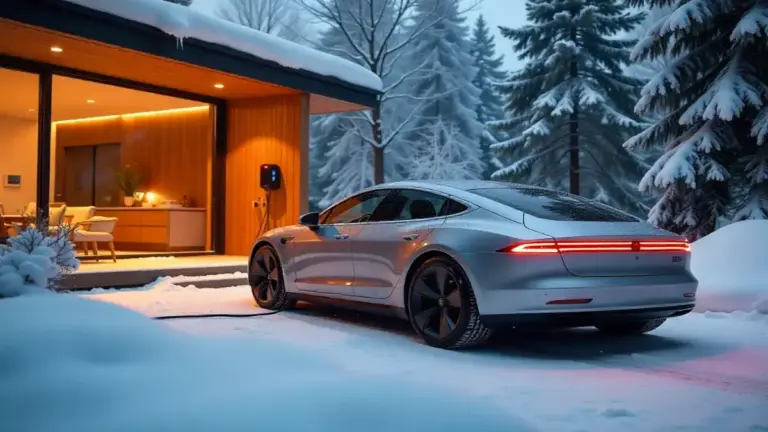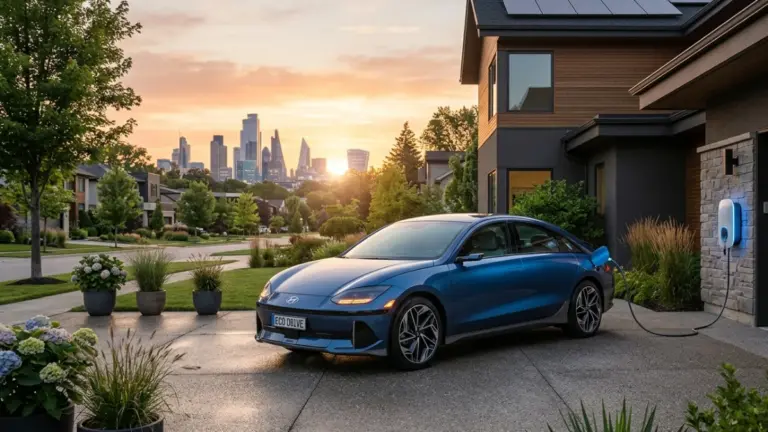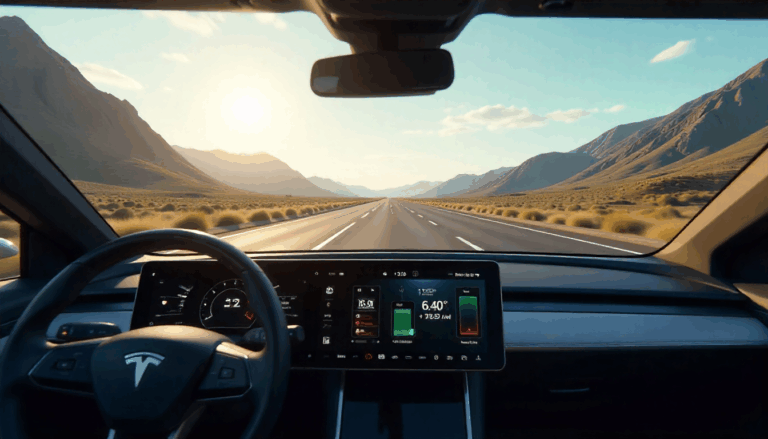

Remember when electric vehicles were those quirky, golf-cart-looking things that made people do double-takes? Well, those days are long gone. In 2025, we’re witnessing something remarkable—electric mobility isn’t just a trend anymore; it’s becoming the backbone of how we move around our world. And the transformation happening right now? It’s nothing short of revolutionary.
Let me take you on a journey through what’s actually happening in the world of electric transportation. Whether you’re thinking about buying your first EV, curious about where this is all heading, or just wondering if we’ll finally solve urban traffic nightmares, buckle up—the future of mobility is already here.
The Electric Vehicle Explosion: Numbers That Tell a Story
Here’s a stat that might surprise you: in the first quarter of 2025 alone, over 4 million electric vehicles were sold worldwide—that’s 35% more than the same period in 2024. By year’s end, we’re looking at over 20 million new EVs hitting the roads globally. That’s one in every four new cars sold being electric.
But here’s what makes this really interesting: this isn’t just happening in one or two markets anymore. China is leading the charge with electric vehicles now representing over 50% of new car sales. Europe isn’t far behind at around 25%, and even in the United States—where pickup trucks have been king for decades—EVs are finally gaining serious traction.
What changed? Well, for starters, there are now over 785 electric car models available globally, and that number’s climbing toward 1,000 by 2026. From affordable city cars priced under $25,000 to luxury SUVs with 600-kilometer ranges, there’s genuinely something for everyone now. The days of limited choice? They’re behind us.
Charging Infrastructure: Solving the “Where Do I Plug In?” Problem
You can have the most amazing electric car in the world, but without places to charge it, it’s basically an expensive paperweight, right? That’s why what’s happening with charging infrastructure might be the most exciting part of this whole story.
In 2025, the United States alone has nearly 200,000 public charging ports, up from just 30,000 a decade ago. And we’re not just talking about slow chargers here—there are now over 65,000 DC fast-charging stations across North America. These modern chargers can add 200 miles of range in just 15-20 minutes. That’s about the time it takes to grab a coffee and stretch your legs on a road trip.
Europe is going even further. France has committed to expanding its ultra-fast charging network from 17,000 points today to 40,000 by 2028, with a €4 billion investment backing it up. Meanwhile, the Netherlands boasts over 180,000 public charging points, Germany has 160,000, and these numbers are climbing fast.
But here’s the game-changer: Tesla’s Supercharger network—which includes over 34,700 stalls—is now opening up to non-Tesla vehicles. Imagine doubling the available charging options for millions of EV drivers overnight. That’s exactly what’s happening as automakers adopt standardized charging connectors.
The best part? Companies are adding about 45 new charging stalls every single day in the US alone. At this pace, we’ll hit 100,000 fast-charging ports by 2027. Range anxiety? It’s becoming a thing of the past.
Battery Breakthroughs: The Heart of the Revolution
Let’s talk about what really makes electric vehicles tick—the batteries. And honestly, the innovations happening here are mind-blowing.
Chinese battery giant CATL has started producing its Qilin battery, which boasts energy densities up to 255 watt-hours per kilogram and supports 6C ultra-fast charging. Translation? More range, faster charging, and batteries that actually get better over time. BYD isn’t far behind, preparing to launch second-generation Blade Batteries with 8C ultra-fast charging—meaning you could potentially charge your EV in about 7.5 minutes.
But the real excitement is around solid-state batteries. These next-generation powerhouses replace liquid electrolytes with solid materials, offering higher energy density, faster charging, and enhanced safety. Toyota aims to launch its first solid-state EV by 2027, promising a 750-mile range and dramatically faster charging times.
And here’s something you might not expect: sodium-ion batteries are emerging as a sustainable alternative to lithium-ion. They cost roughly half as much, use abundant materials, and while they have lower energy density, they’re perfect for entry-level EVs and grid storage. The U.S. Department of Energy is investing $50 million to commercialize this technology.
Think about what this means: batteries that are safer, charge faster, last longer, and cost less. That’s not incremental improvement—that’s transformation.
Green Logistics: When Delivery Trucks Go Electric
Ever noticed how many delivery trucks are zipping around your neighborhood these days? The logistics industry is responsible for up to 11% of global greenhouse gas emissions, and that number was set to climb. But here’s where electric mobility is making a massive difference.
The green logistics market is projected to grow from $1.39 trillion in 2025 to $2.06 trillion by 2030. Companies like UPS, FedEx, and DHL are rapidly electrifying their fleets. In China, battery-electric heavy trucks made up over 20% of new sales by the end of 2024—more than double the beginning of the year.
But it’s not just about swapping diesel engines for electric motors. It’s about reimagining the entire system. AI-powered route optimization is cutting fuel consumption by 10-15%. Smart warehousing with LED lighting and IoT sensors is slashing energy use. Electric cargo bikes are replacing delivery vans in dense city centers.
Companies are discovering something surprising: going green isn’t just good for the planet—it’s good for the bottom line. Lower fuel costs, reduced maintenance, and improved efficiency are making sustainable logistics a competitive advantage, not just a feel-good initiative.

Urban Mobility: Rethinking How Cities Move
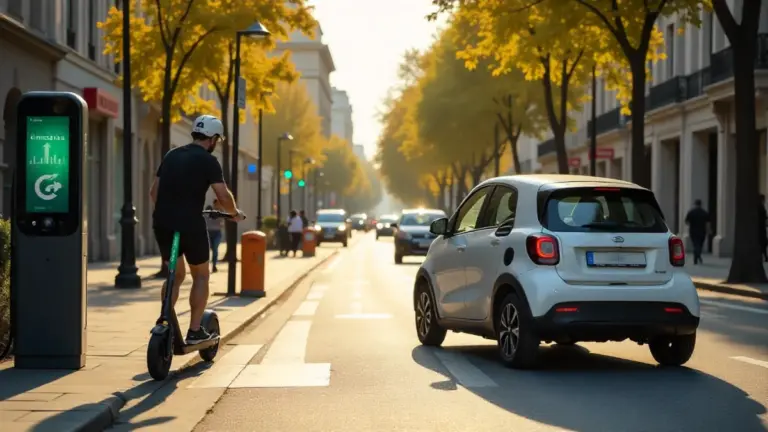
Picture this: you’re in a big city, and instead of being stuck in traffic in your car, you hop on an e-bike for part of your journey, catch an autonomous electric shuttle for another leg, and finish up on an electric scooter. Sound far-fetched? It’s already happening.
Micromobility—electric bikes, scooters, and other small electric vehicles—is transforming urban transportation. Modern e-bikes can travel 50-100 miles on a single charge, easily handle hills, and make cycling practical even for people who found it too strenuous before. Cities are responding by building protected bike lanes and bicycle-friendly infrastructure, with the contactless payment market expected to reach $18 billion by the end of 2025.
Electric scooters have matured from a passing fad to viable transportation. Shared scooter programs in hundreds of cities provide convenient last-mile connectivity, bridging the gap between transit stations and final destinations. And the numbers are compelling: e-bikes cost about $21 per year to charge, compared to $2,635 annually for gasoline. That’s a difference that matters.
But here’s what’s really exciting: entirely new categories are emerging. Electric cargo bikes for urban deliveries. Three-wheeled electric vehicles offering weather protection. Even autonomous electric shuttles handling first-and-last-mile connections. Cities like Amsterdam, Copenhagen, and San Francisco are leading the way, showing us what’s possible when you design urban spaces around people, not just cars.
The Road Ahead: What This All Means for You
So where does all this leave us? Let me break it down.
First, if you’ve been on the fence about electric vehicles, 2025 might be your year. Prices are dropping, choices are exploding, and charging infrastructure is finally catching up. That range anxiety that kept you up at night? It’s becoming less relevant every day.
Second, the changes happening go way beyond just cars. We’re talking about a complete reimagining of how we move people and goods around. From the delivery truck that brings your packages to the scooter you might use to grab lunch, electrification is touching every mode of transportation.
Third, this isn’t some distant future—it’s happening right now. Global EV sales are actually accelerating, despite what you might read in some headlines. The industry added 3.2 million more EV sales in 2025 compared to 2024, and that growth is getting larger, not smaller.
But perhaps most importantly, this transformation is being driven by choice, not just policy. People are choosing electric vehicles because they’re better—quieter, faster, cheaper to run, and more enjoyable to drive. Cities are choosing electric public transit because it improves air quality and reduces noise. Companies are choosing electric fleets because they save money while meeting sustainability goals.
Your Next Steps
If you’re thinking about joining the electric revolution, here’s my advice: start small. Maybe your next vehicle doesn’t need to be fully electric—a plug-in hybrid could be a great stepping stone. Or if you live in a city, try renting an electric scooter or e-bike for a week. Experience it yourself.
Research the models available in your price range. With over 785 options globally, there’s almost certainly one that fits your needs. Check out the charging infrastructure in your area—you might be surprised at how extensive it’s become. And talk to actual EV owners. Most of them will tell you they’d never go back.
The future of transportation isn’t coming—it’s here. Electric vehicles represented 25% of all new vehicle sales globally in 2025, and that percentage is only going up. Battery technology is advancing faster than most experts predicted. Charging infrastructure is expanding at an unprecedented rate. And entire new categories of electric mobility are emerging.
Whether you’re drawn by the environmental benefits, the lower running costs, the better performance, or simply the excitement of being part of this transformation, there’s never been a better time to explore electric mobility. The revolution isn’t just happening on the roads—it’s happening in warehouses, on bike lanes, and in the innovative minds of engineers and designers worldwide.
So the next time you see an electric vehicle quietly glide past, remember: you’re watching the future unfold. And that future? It’s electric, it’s sustainable, and it’s absolutely worth being excited about.