You know that feeling when you’re scrolling through your social feed and suddenly everyone’s talking about the same thing? That’s exactly what’s happening in the electric mobility world right now—and trust me, the conversations are getting interesting.
I’ve spent the last few months diving deep into discussions across Reddit’s EV communities, LinkedIn’s automotive groups, and Medium’s transportation thought leaders. What I found wasn’t just technical debate—it was real people grappling with the future of how we’ll all get around. Some of these conversations are heated, some are surprisingly optimistic, but all of them are shaping what electric mobility will look like by 2030.
So what are drivers, engineers, and everyday commuters really arguing about when it comes to electric transportation? Let’s jump into the five biggest debates that are defining our electric future.
The Great Charging Infrastructure Divide: Are We Building Enough, or Just Building Wrong?
Here’s where things get spicy. You’d think the debate would be simple—”we need more chargers”—but it’s way more nuanced than that.
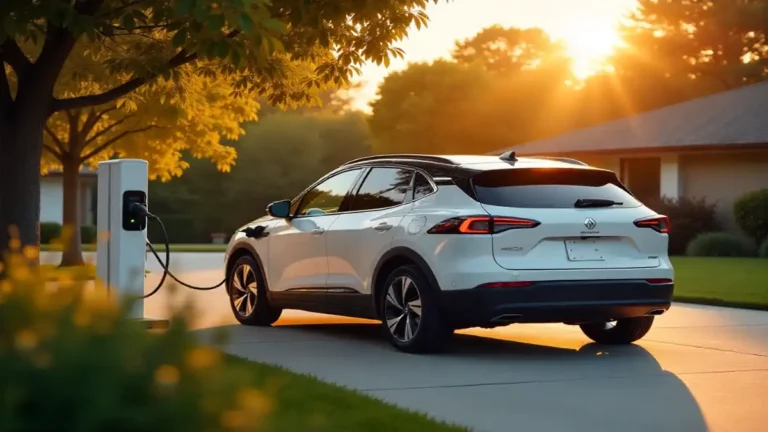
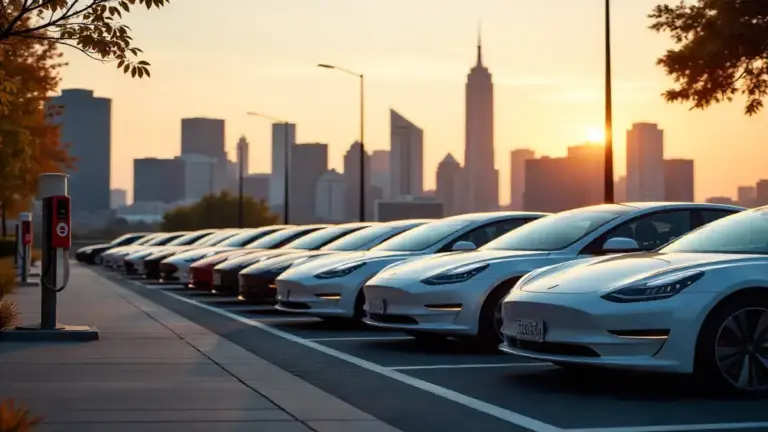
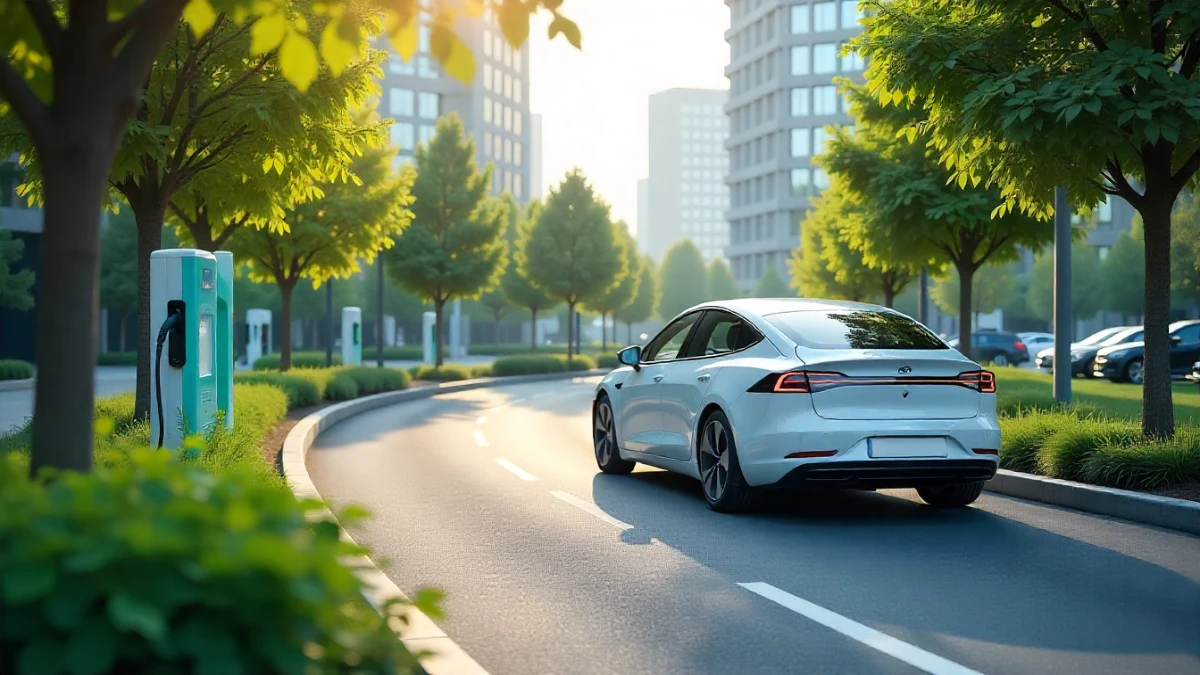
On one side, you’ve got the “quantity now” crowd. These folks argue we need to blanket every parking lot, shopping center, and highway rest stop with chargers yesterday. They point to range anxiety as the number one barrier preventing mainstream EV adoption, and honestly, they’re not wrong. I’ve seen Reddit threads with hundreds of comments from would-be EV buyers saying they’d switch tomorrow if charging was as convenient as gas stations.
But here’s where it gets interesting—the “quality over quantity” camp has compelling counterarguments. They’re focused on ultra-fast charging networks and smart placement strategies. Why install a dozen slow chargers when three ultra-fast ones could serve more people in less time? LinkedIn discussions among fleet managers reveal that charging speed matters more than raw numbers for commercial adoption.
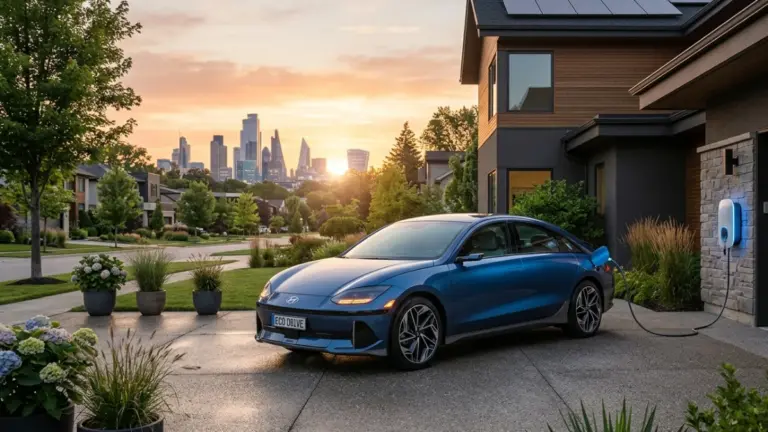
The real debate, though, centers on workplace and residential charging. Medium articles from urban planners highlight a crucial gap: apartment dwellers who can’t charge at home represent a massive untapped market. Some cities are experimenting with curbside charging, while others are mandating new construction include EV infrastructure. The question isn’t just “how many chargers?” but “where exactly do people need them most?”
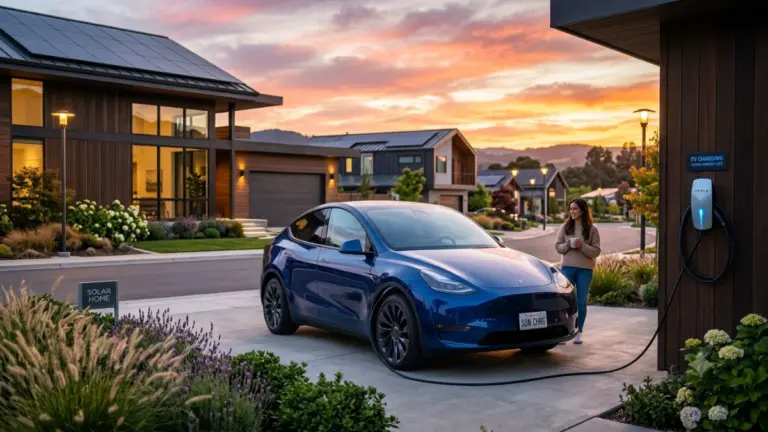
What fascinates me most? The data shows that EV owners with home charging rarely use public infrastructure except for road trips. This suggests we might be solving the wrong problem for half our potential users while completely missing the boat for apartment dwellers.
Battery Technology: The Promise vs. Reality Gap
If you want to start an argument in any EV forum, just mention solid-state batteries. I dare you.
The optimists are convinced that solid-state technology will revolutionize everything by 2028. They’ll cite promising lab results, investment announcements from major automakers, and projections of 1,000-mile ranges with 10-minute charging times. And you know what? Some of their enthusiasm is justified. Companies like QuantumScape and Solid Power are making real progress.
But then you’ve got the skeptics—often engineers and industry veterans—who’ve seen “breakthrough” battery announcements come and go for years. They’re quick to point out that lab prototypes and mass production are completely different animals. One particularly memorable Reddit thread I followed had a battery researcher explaining why moving from a working prototype to a factory-ready, cost-effective product could take another decade.
The debate that really matters for you as a driver? Battery degradation and longevity. Real-world data is finally coming in from early Tesla Model 3s and Nissan Leafs with 100,000+ miles, and the results are… surprisingly good? Most are retaining 85-90% capacity, which is better than many predicted. But discussions on Medium highlight concerns about second-hand EV values—will batteries last long enough to support a robust used car market?
Here’s something that doesn’t get enough attention: battery chemistry diversity is exploding, with different solutions for different use cases. LFP batteries for affordable city cars, nickel-rich batteries for performance vehicles, and sodium-ion batteries potentially solving cost and resource constraints. The future might not be one battery technology ruling them all, but rather the right battery for the right vehicle.
Shared Mobility: Is Car Ownership Dead or Just Taking a Nap?
This debate gets philosophical fast. Are we headed toward a future where nobody owns cars, or is that just Silicon Valley wishful thinking?
The pro-sharing camp paints a compelling picture: imagine summoning an autonomous EV whenever you need one, never paying for insurance, maintenance, or parking. LinkedIn discussions among urban planners suggest that vehicle sharing could reduce the number of cars needed in cities by 80%, freeing up massive amounts of space currently dedicated to parking.
But reality? It’s messier. Reddit users in rural and suburban areas are quick to point out that shared mobility works great in Manhattan but falls apart in Montana. The pandemic also threw a wrench in these predictions—suddenly, having your own vehicle felt safer and more important than sharing.
What I find most interesting is the emerging middle ground: micro-ownership models. Some companies are experimenting with car subscriptions, fractional ownership, and community-based sharing among neighbors. It’s not quite full ownership, but it’s not anonymous ride-hailing either.
The data suggests a hybrid future: younger urban residents might embrace shared mobility, while families and suburban dwellers will likely keep privately owned vehicles. The real question is whether automakers can profitably serve both markets simultaneously.
Smart City Integration: Too Ambitious or Not Ambitious Enough?
Here’s where the debates get truly fascinating—and occasionally dystopian, depending on who’s talking.
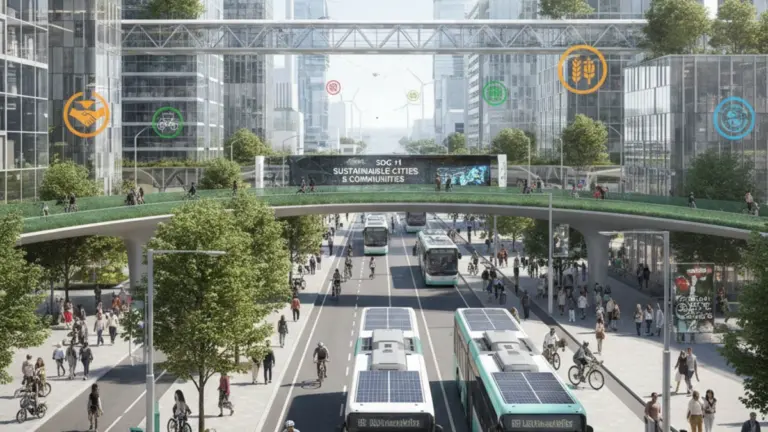
The visionaries see EVs as mobile grid batteries, vehicle-to-grid technology stabilizing renewable energy, and traffic systems that eliminate congestion through coordinated autonomous driving. Medium articles from tech enthusiasts describe cities where your car communicates with traffic lights, finds parking automatically, and sells excess battery power back to the grid during peak hours.
The privacy advocates? They’re not having it. Every Reddit thread about connected vehicles includes concerns about surveillance, data harvesting, and who controls all this information. And they’re not entirely paranoid—modern EVs generate gigabytes of data about driving patterns, locations, and user behavior.
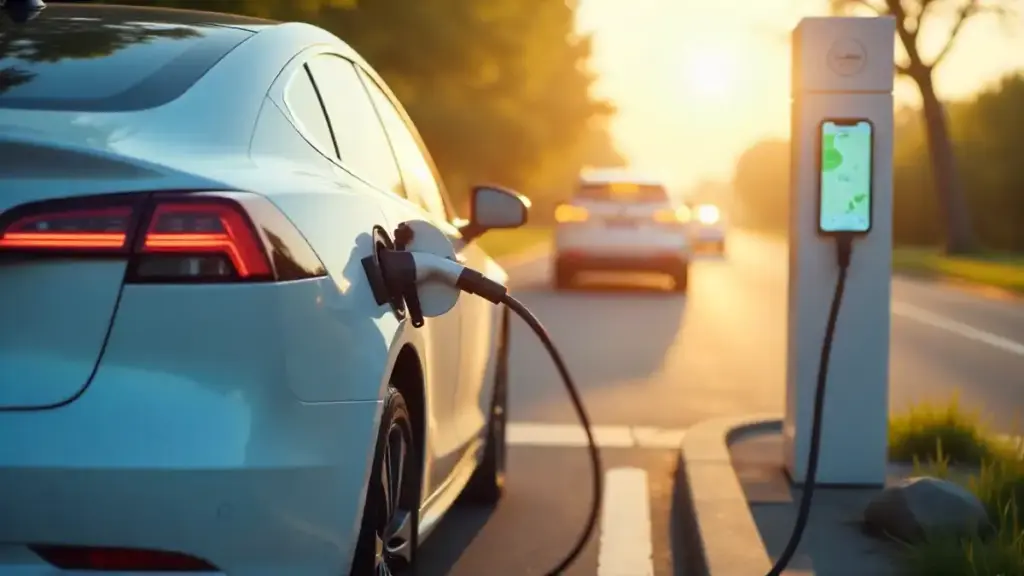
But here’s the practical debate that matters for everyday drivers: infrastructure coordination. Should charging stations, traffic management, and parking systems all talk to each other? Absolutely. Can we make this happen without creating a surveillance nightmare? That’s where things get complicated.
LinkedIn discussions among city planners reveal a more mundane challenge: getting different systems and jurisdictions to coordinate is harder than the technology itself. Your EV might be smart, but if it can’t communicate with the charging network, parking system, and traffic management separately managed by three different companies and two government agencies, what’s the point?
The European model is emerging as interesting middle ground—standardized protocols and interoperability requirements without centralizing all control. It’s less sexy than the fully integrated smart city vision, but it might actually happen.
Range Confidence: The Psychology vs. Engineering Battle
Save the best for last? This might be the most emotionally charged debate in electric mobility.
On paper, the range problem is solved. Most new EVs offer 250-300 miles, which covers 99% of daily driving needs. Engineers will tell you that the average American drives less than 40 miles per day, making range anxiety purely psychological.
But psychology matters! Reddit is full of stories about drivers who won’t consider an EV because “what if I need to drive 500 miles tomorrow?” Never mind that they haven’t driven that far in years—the possibility matters to them.
The debate splits into fascinating camps. One side argues we should focus on changing perceptions through education and showcasing real-world usage patterns. Show people that charging on road trips isn’t that different from stopping for food and bathroom breaks. Demonstrate that home charging means starting every day with a “full tank.”
The other side says screw psychology—just give people 500+ mile ranges and the debate evaporates. Several upcoming models promise exactly that, though at premium prices.
What’s genuinely interesting is how this breaks down demographically. LinkedIn surveys show that commercial fleet managers focus on total cost of ownership over range, while individual buyers remain hung up on maximum distance. It’s the same technology, but completely different priorities.
Medium articles from behavioral economists suggest the solution might be reframing the question entirely. Instead of “how far can it go?”, maybe we should ask “how does this fit into my actual life?” For most people, the answer is “perfectly fine with occasional planning for long trips.”
What This All Means for You
So where does this leave us? If you’re considering going electric, these debates aren’t just abstract arguments—they’re shaping what vehicles you’ll have access to and what experience you’ll have using them.
Here’s my honest take after swimming in these discussions for months: the transition to electric mobility isn’t following anyone’s perfect roadmap. It’s messy, regional, and full of competing priorities. But that’s actually encouraging—it means the future is still being written, and user feedback is genuinely shaping outcomes.
The charging infrastructure will improve, though probably not as fast as early adopters want or as slow as skeptics fear. Battery technology will get better gradually rather than through one miraculous breakthrough. Shared mobility will coexist with private ownership rather than replacing it. Smart city integration will happen in boring, practical ways rather than through grand visions. And range anxiety will fade as more people simply try EVs and realize they work fine.
What matters most? Your actual use case. Don’t let online debates paralyze you. If you can charge at home and rarely drive over 200 miles without stopping, most modern EVs will serve you brilliantly today. If you’re an apartment dweller in a city with limited charging, maybe wait a bit longer while infrastructure catches up. If you regularly drive long distances in rural areas, current EVs might require more planning than you’re comfortable with.
The beautiful thing about these debates? They’re driving innovation fast. Every concern raised in forums becomes a problem for engineers to solve, every complaint becomes a feature for automakers to add, every barrier becomes an opportunity for infrastructure builders to address.
By 2030, many of these debates will seem quaint. We’ll look back and chuckle at how worried we were about charging times or range. But right now, in 2025, we’re in the messy middle—and that’s exactly when these conversations matter most.
So keep talking, keep debating, and keep pushing for what you need. The future of mobility is being shaped by these discussions—and you’re part of it.