Electric vehicles offer lower fuel and maintenance costs, reduced emissions, and a smoother driving experience in 2026. Most EV owners save $1,000–$1,300 annually on energy costs while cutting greenhouse gas emissions by up to 60%. However, home charging access, local electricity rates, and driving habits remain key factors in determining whether an EV is the right financial and practical choice.
Is switching to an electric car actually worth it, or is it just hype? Here’s the short answer: for most American drivers today, an EV will save you real money on fuel and maintenance. It will also cut your carbon footprint by roughly 40-60%, and deliver a smoother, quieter ride than anything with a gas tank. That said, EVs aren’t a slam dunk for everyone, and the details matter.
I’ve spent years testing electric vehicles, talking to owners, and digging through the data on cost, range, and reliability. In this guide, I’ll walk you through the benefits that actually hold up in 2026. That includes lower running costs, environmental impact, performance, convenience, and a few honest caveats worth weighing before you buy.
1. Lower Fuel Costs — And They’re More Predictable
This is the benefit most people ask about first, so it’s a good place to start.
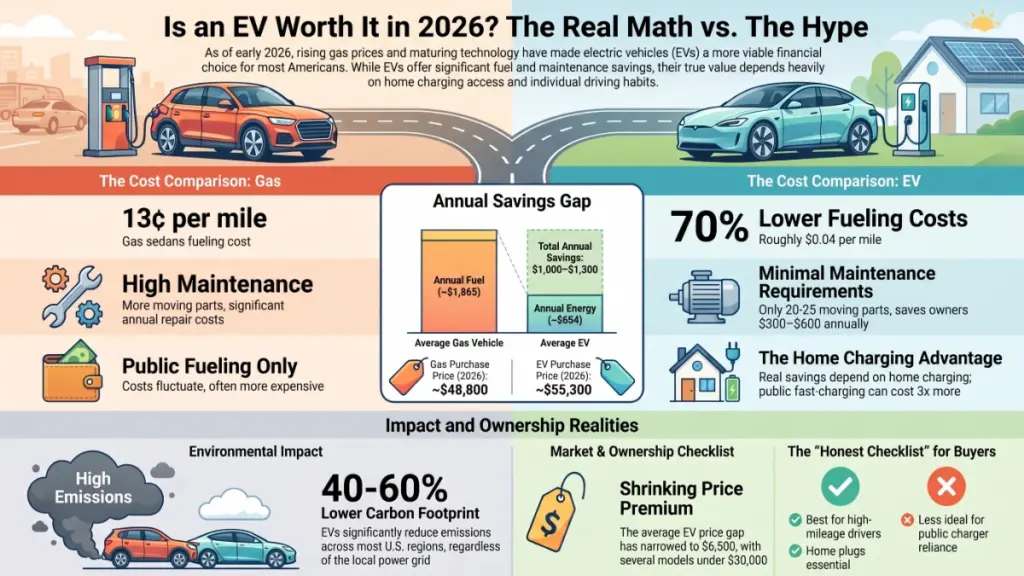
Gas prices have pushed toward $4 a gallon in early 2026, following supply disruptions tied to the closure of the Strait of Hormuz. That’s widened the gap between fueling a gas car and charging an EV even further. Take a Tesla Model 3 as a benchmark: at roughly 4 miles per kWh and a national average residential electricity rate of about $0.17/kWh, you’re looking at around $0.04 per mile. A comparable gas sedan averaging 32 mpg costs closer to $0.13 per mile at today’s pump prices, more than three times as much.
Here’s what that looks like in annual terms:
| Cost Category | Average Gas Vehicle | Average EV |
|---|---|---|
| Annual fuel/energy spend | ~$1,865 | ~$654 |
| Annual maintenance | Higher (oil changes, belts, exhaust) | Lower (fewer moving parts) |
| Typical annual savings with an EV | — | ~$1,000–$1,300 |
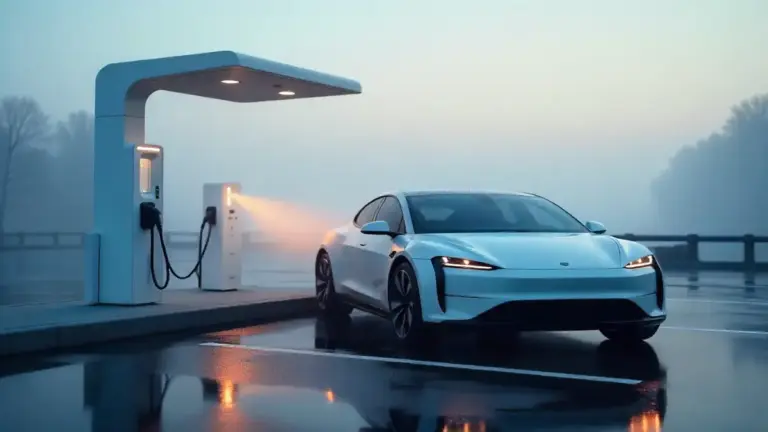
One thing I always tell people: your savings depend heavily on whether you can charge at home. Drivers who rely mostly on public DC fast charging, which can run 40-60 cents per kWh, see a much smaller advantage. Sometimes it barely beats a fuel-efficient gas car at all. If you’ve got a driveway or garage with a plug, though, the math tilts strongly in your favor.
2. Less Maintenance, Fewer Surprise Repair Bills
An EV motor has as few as 20-25 moving parts, compared to the hundreds found in a traditional internal combustion engine. There are no oil changes, no transmission fluid, and no spark plugs, timing belts, or exhaust systems to fail on you at 80,000 miles.
In practice, this translates to owners commonly saving $300-$600 a year on maintenance compared to a similar gas car. Regenerative braking also means brake pads last dramatically longer, since the motor handles a lot of the slowing down for you.
That said, here’s the honest counterpoint: EV parts can be pricier and slower to source when something does go wrong. Some reliability surveys have even found EVs and plug-in hybrids reporting more overall problems than gas-only cars, often software glitches and infotainment quirks rather than mechanical failures. It’s a trade-off worth knowing about: fewer routine shop visits, but repairs, when needed, aren’t always cheap or fast.
3. A Genuinely Smaller Environmental Footprint
You’ve probably heard the claim that EVs are “cleaner.” Here’s what the actual research says.
A 2026 MIT study modeled emissions across nearly every U.S. zip code. It found that electric vehicles produce fewer greenhouse gas emissions and don’t cost more to own than comparable gas cars in most parts of the country. The researchers found battery-electric vehicles cut emissions by roughly 40-60%, with the biggest gains showing up in dense urban areas.
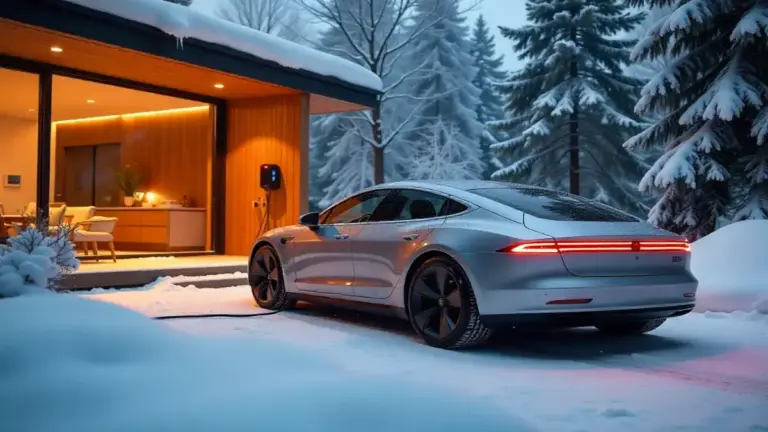
One myth this study specifically knocked down involves cold weather. Yes, an EV’s efficiency can drop in freezing conditions. But the annual emissions benefit barely budges, even in places like North Dakota. Regional electricity mix, traffic density, and how many miles you actually drive all matter about equally. So an EV in a coal-heavy grid still tends to beat a gas car, just by a smaller margin than an EV running on wind and solar.
4. A Different, and for Many People Better, Driving Experience
Numbers aside, this is the part people underestimate until they’ve actually driven one. Instant torque means EVs accelerate smoothly from a stop, without the lag or shifting of a gas engine. Cabins feel noticeably quieter too, with no engine noise, and the low center of gravity from a floor-mounted battery pack makes handling feel planted and stable.
Owners I’ve talked to consistently mention the same things. No more worrying about oil changes. No more guessing whether a mechanic is trustworthy. And for many, there’s simple relief in a predictable monthly “fuel” bill instead of unpredictable trips to the gas station.
5. Charging Costs Are More Stable Than Gas Prices
Gas prices are hostage to geopolitics. A shipping lane closure halfway around the world can send prices at your local station up overnight. Electricity doesn’t behave that way. While utility rates do fluctuate, EV owners can lock in fixed-rate plans, charge during off-peak hours, and use smart home charging to control costs in a way that’s simply not possible at the pump.
This predictability is easy to overlook. But if you’ve ever budgeted around a $60 fill-up that becomes an $80 fill-up with zero warning, you’ll understand why it matters.
6. Purchase Prices Are Coming Down
The upfront cost gap between EVs and gas cars has been shrinking. In February 2026, the average new EV sold for about $55,300, roughly $6,500 more than the average gas-powered vehicle, but the smallest premium on record. Several EV models are now available under $30,000, with financing offers on entry-level models starting below $250 a month.
It’s worth noting that the federal EV tax credit expired in 2025, which changes the math for some buyers. Some states still offer their own incentives, and separate credits exist for home charging equipment installation in various programs. It’s worth checking what’s available in your area before you buy.
7. Is an EV Right for You? Here’s the Honest Checklist
I’m not going to tell you an EV is right for everyone, because it isn’t. Ask yourself:
- Can you charge at home? This is the single biggest factor in whether you’ll actually save money.
- How many miles do you drive per year? Savings scale with mileage, and under 5,000-6,000 miles a year, the payback is slow.
- What are local gas and electricity prices? High gas prices paired with moderate electricity rates, common on much of the West Coast, strongly favor EVs. High electricity rates paired with lower gas prices, common in parts of New England, narrow the gap.
- Do you drive long distances regularly? Road-trippers should factor in charging network coverage and charging times along their usual routes.
Key Takeaways
- The average EV owner saves roughly $1,000-$1,300 a year on fuel compared to a gas car, and often $300-$600 more on maintenance.
- EVs cut greenhouse gas emissions by an estimated 40-60% compared to similar gas vehicles in most U.S. regions, even in cold climates.
- Home charging access is the single biggest factor determining whether an EV saves you money.
- Purchase price premiums are shrinking, though the expiration of the federal tax credit in 2025 changes the calculation for some buyers.
- EVs aren’t universally cheaper. Low-mileage drivers or those relying on expensive public fast charging may find the advantage smaller or nonexistent.
Final Thought
The electric vehicle conversation has matured a lot in the last few years. It’s no longer a question of whether this technology works; it clearly does. The more practical question now is whether it fits your driving habits, your home setup, and your local energy prices. Run your own numbers using a fuel-cost calculator before you decide. For the majority of American drivers with access to home charging, though, the math increasingly favors going electric.