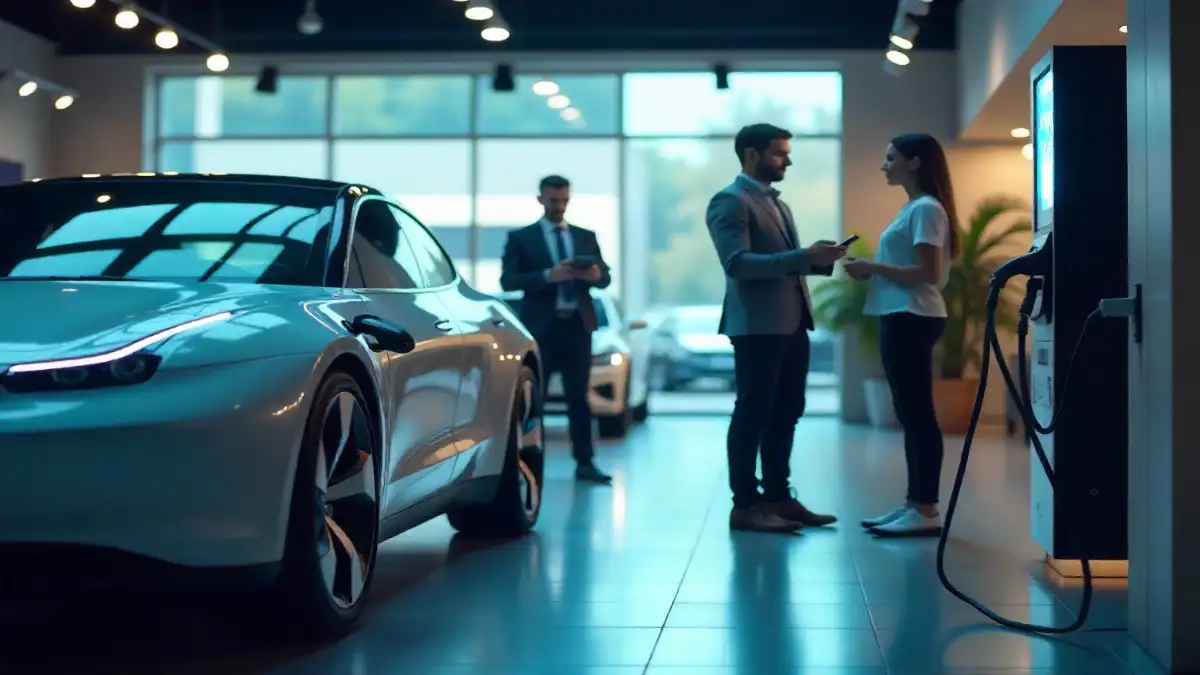
You’re standing in a car dealership, keys to your trusty gas-guzzler in one hand, a tablet displaying electric vehicle specs in the other. The salesperson is throwing numbers at you faster than you can process them, and you’re left wondering: “When it comes to Electric Car Price vs Gas Car Price, which one is really worth the investment, and which might be the most expensive mistake of my automotive life?”
If you’ve found yourself in this exact scenario – or you’re simply curious about making the switch to electric – you’re not alone. The price comparison between electric and gasoline vehicles has become one of the most hotly debated topics in automotive circles, and for good reason. The answer isn’t as straightforward as you might expect, but don’t worry – I’m here to break it all down for you in terms that won’t require an economics degree to understand.
The Sticker Shock Reality: Initial Purchase Prices
Let’s address the elephant in the room first: yes, electric cars typically cost more upfront than their gasoline counterparts. But before you close your wallet and walk away, let’s examine exactly what “more” means in today’s market.
Consider the popular compact sedan category. A 2024 Honda Civic LX starts around $24,000, while the Nissan Leaf S – a comparable electric option – begins at approximately $28,000. That’s a $4,000 difference, which might seem significant at first glance. However, here’s where it gets interesting: federal tax incentives can immediately reduce that electric vehicle price by up to $7,500, potentially making the Leaf actually cheaper than the Civic before you even drive it off the lot.
The luxury segment tells a similar story with some surprising twists. A BMW 3 Series sedan starts around $36,000, while a Tesla Model 3 begins at roughly $39,000. Again, factor in available incentives, and you’re looking at potentially identical or even lower costs for the electric option.
But here’s what most people don’t realize: the price gap is shrinking faster than ice cream melts in July. Just five years ago, the average electric car cost about $15,000 more than a comparable gas vehicle. Today, that difference has dropped to around $3,000-$5,000 before incentives, and industry experts predict price parity – meaning identical sticker prices – by 2027.
Breaking Down the Numbers by Vehicle Class
Budget-Friendly Options If you’re shopping in the under-$30,000 range, your electric options used to be practically nonexistent. Now? You’ve got choices that might surprise you. The Nissan Leaf starts at $28,000, the Chevrolet Bolt EV at around $26,500, and several used options that can dip below $20,000. Compare this to popular gas cars like the Toyota Corolla ($25,000) or Honda Civic ($24,000), and the math becomes much more favorable.
Mid-Range Family Vehicles This is where things get really interesting. The Tesla Model Y, America’s best-selling electric SUV, starts at about $47,000. A comparable gas SUV like the Toyota Highlander? Also around $47,000. The Volkswagen ID.4 electric SUV undercuts both at roughly $39,000. Meanwhile, the Ford Mustang Mach-E offers performance that would make a sports car jealous, starting at about $43,000 – less than many loaded pickup trucks.
Luxury Territory In the luxury space, electric vehicles often cost less than you’d expect. The Genesis Electrified GV70 starts around $60,000, while the gas version of the same SUV begins at $57,000 – a difference of just $3,000 for what many consider superior technology and performance.
The Hidden Costs and Savings Game-Changer
Here’s where the conversation gets really exciting: the initial purchase price is only part of your total cost equation. Think of it like buying a house – the purchase price matters, but so do utilities, maintenance, and all those monthly expenses.
Electric vehicles have significantly lower operating costs. The average American spends about $2,000 per year on gasoline. With an electric car, that same driving typically costs around $500-$600 in electricity. That’s $1,400 in annual savings, or $7,000 over five years. Suddenly, that higher sticker price doesn’t look so intimidating, does it?
Maintenance tells an even more compelling story. Gas engines have thousands of moving parts that need regular attention: oil changes every 3,000-5,000 miles, air filter replacements, spark plug changes, transmission services, and more. Electric motors? They have about 20 moving parts and require minimal maintenance beyond tire rotations and brake inspections. The average gas car owner spends about $1,200 annually on maintenance and repairs, while electric vehicle owners typically spend around $400.
State and Federal Incentives: Your Secret Weapon
This is where savvy car buyers can really win. The federal government offers up to $7,500 in tax credits for new electric vehicle purchases, and many states add their own incentives on top. California offers up to $2,000 in rebates, Colorado provides up to $4,000, and some utilities offer additional cash incentives.
But here’s the kicker: these incentives are designed to make electric vehicles more accessible right now, while the technology scales up. Many are set to phase out as EVs become more mainstream, so early adopters often get the best deals.
Real-World Scenarios: What This Means for Your Wallet
Let me paint you a picture with real numbers. Sarah, a commuter from suburban Denver, was choosing between a 2024 Honda CR-V ($28,000) and a Volkswagen ID.4 ($39,000). At first glance, the gas SUV seemed like the obvious choice. But after factoring in Colorado’s $4,000 state rebate, the $7,500 federal tax credit, and her utility company’s $500 incentive, her effective price for the ID.4 dropped to $27,000 – less than the Honda.
Over five years, she’ll save approximately $7,000 in fuel costs and $4,000 in maintenance expenses. That’s $11,000 in her pocket, making her “more expensive” electric SUV actually $12,000 cheaper overall.
Looking Ahead: The Price Revolution
The automotive industry is experiencing a fundamental shift. Battery prices – the most expensive component of electric vehicles – have dropped by 90% over the past decade and continue falling. Major automakers are investing billions in electric vehicle production, creating economies of scale that drive prices down further.
By 2030, industry analysts predict electric vehicles will cost less to manufacture than gas cars, even without any government incentives. We’re already seeing this transition begin with models like the Tesla Model 3, which costs less to produce than many comparable luxury sedans.
Making Your Decision: Beyond Just the Numbers
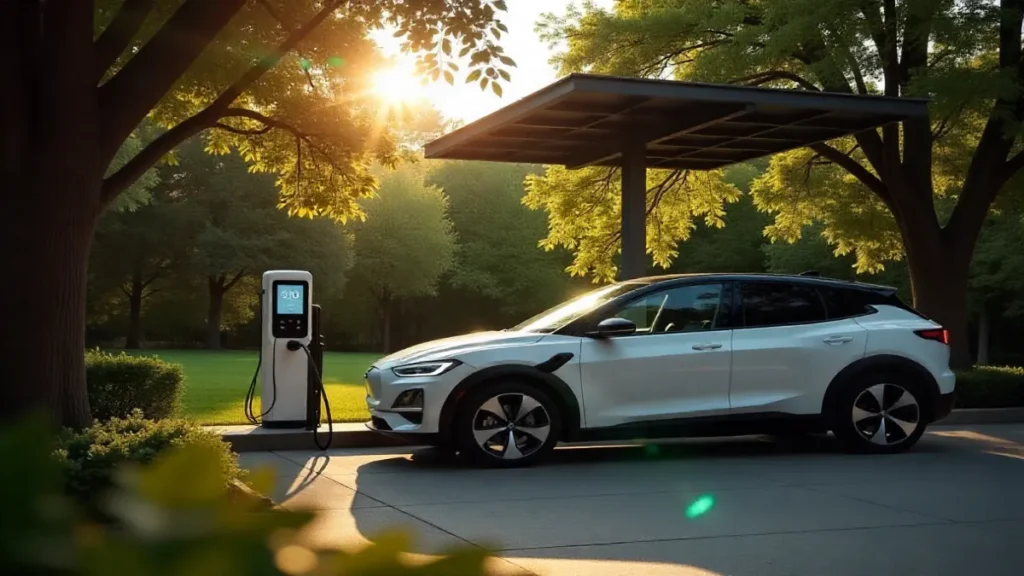
While price is crucial, remember that buying a car is about more than just dollars and cents. Electric vehicles offer instant torque, whisper-quiet operation, and the convenience of “filling up” at home while you sleep. Many owners describe the driving experience as transformative – smoother, quieter, and more responsive than traditional vehicles.
You’re also future-proofing your purchase. As gas stations begin disappearing from urban areas and charging infrastructure expands, electric vehicle owners will have more convenient refueling options, not fewer.
The Bottom Line: A Smart Financial Move
The upfront cost difference between electric and gas vehicles is smaller than ever and continues shrinking. When you factor in available incentives, lower operating costs, and reduced maintenance expenses, electric vehicles often represent the more economical choice – even if you’re purely motivated by saving money.
The question isn’t whether you can afford to buy an electric car; it’s whether you can afford not to consider one. With the combination of improving technology, expanding charging networks, and compelling financial benefits, the electric vehicle revolution isn’t just about saving the planet – it’s about saving money while enjoying a superior driving experience.
Your wallet, your daily commute, and yes, even the environment will thank you for taking a serious look at electric. The future of automotive value is electric, and it’s more affordable than you think.