If you’re thinking about buying an electric vehicle, you’ve probably asked yourself: “Should I buy now or wait?” It’s a question I hear all the time, and honestly, the answer isn’t simple. The landscape of EV incentives is shifting faster than a Tesla in Ludicrous Mode, and understanding where things are headed can save you thousands of dollars—or help you avoid missing out on deals that won’t last forever.
Let me walk you through what’s happening with electric car incentives and what you can realistically expect in the coming years. Whether you’re a first-time EV buyer or someone watching the market closely, these changes will affect your wallet and your options.
The Current State of EV Incentives: A Quick Snapshot
Right now, we’re living in what I’d call the “transition era” of EV incentives. The federal tax credit of up to $7,500 has been around in various forms since 2008, but recent changes have made it more complex. The Inflation Reduction Act reshaped these credits with new requirements about battery sourcing, manufacturing locations, and vehicle prices.
Here’s what’s interesting: while some buyers are frustrated by the stricter rules, these changes actually signal where incentives are heading. The government isn’t just throwing money at EVs anymore—they’re using incentives strategically to build domestic supply chains and make EVs accessible to middle-income families, not just luxury buyers.
State and local programs add another layer. Some states like California, Colorado, and New York offer their own rebates that stack on top of federal credits. Others provide HOV lane access, reduced registration fees, or free public charging. It’s a patchwork system, and that’s about to change.
Federal Incentives: What’s Coming Down the Pipeline
The federal government is clearly committed to electrification, but how they support it is evolving. Based on current policy discussions and industry trends, here’s what I expect:
Shifting from Tax Credits to Point-of-Sale Rebates
Starting in 2024, the federal credit became available as an immediate rebate at the dealership instead of waiting until tax season. This is huge. Think about it—would you rather wait months to get money back on your taxes, or drive off the lot with $7,500 already knocked off the price? This change makes EVs accessible to buyers who don’t have large tax liabilities or can’t afford to front the full cost and wait for a refund.
I predict this trend will continue and expand. We’ll likely see more streamlined processes where the paperwork happens automatically at purchase. The days of filling out IRS Form 8936 might soon be behind us.
Tighter Domestic Manufacturing Requirements
The current rules requiring battery components and minerals to come from North America or trade partners will probably get stricter, not looser. Why? Because building a domestic EV supply chain isn’t just about environmental goals—it’s about economic security and job creation.
What does this mean for you? In the short term (next 2-3 years), fewer models will qualify for the full credit as manufacturers scramble to meet requirements. We’re already seeing this with some popular models losing eligibility or qualifying for only partial credits. But by 2027-2028, I expect more vehicles to qualify again as battery factories come online in the U.S. and Mexico.
Income and Price Caps May Adjust
Currently, the federal credit phases out for individuals earning over $150,000 (or $300,000 for joint filers), and vehicles must cost under $55,000 for sedans or $80,000 for SUVs and trucks. These numbers haven’t been adjusted for inflation since they were set.
My prediction? We’ll see modest increases to these caps, probably tied to inflation adjustments. A $60,000 cap for sedans and $85,000 for trucks seems reasonable by 2026 or 2027. The government wants EVs to go mainstream, and keeping price limits frozen while vehicle costs rise doesn’t help that goal.
State and Local Incentives: The Great Divergence
Here’s where things get really interesting—and complicated. States are taking wildly different approaches, and I expect this divergence to grow.
The Leaders Will Push Harder
States like California aren’t slowing down. California’s Clean Vehicle Rebate Project has been a model for years, and they’re doubling down with additional programs for low-income buyers and used EVs. Expect California to introduce incentives for home charging installation, battery storage systems, and even vehicle-to-grid technology.
Colorado, Massachusetts, New Jersey, and Washington are following similar paths. These states see EVs as part of their climate commitments, and they’re willing to invest. I wouldn’t be surprised to see combined state and federal incentives in these places reaching $10,000-$12,000 by 2026.
The Middle Ground Will Stay Cautious
Many states offer modest incentives—maybe $1,000-$2,500 rebates or tax exemptions. These programs will probably continue but won’t expand dramatically. These states want to support EV adoption without making major budget commitments, especially as federal incentives carry more of the load.
Some States Will Resist
Let’s be honest: not every state is on board with aggressive EV incentives. Some states with strong oil and gas industries or political opposition to federal climate policies might actually reduce or eliminate their EV programs. A few states have already introduced additional registration fees for EVs to offset “lost” gas tax revenue.
If you live in one of these states, don’t expect local help. Your best bet will be maximizing federal incentives and looking for utility company programs.
Utility Company Programs: The Unsung Heroes
Here’s something many people overlook: your local utility company might offer better incentives than your state government. I’m serious.
Electric utilities love EVs because they represent new electricity demand—and they’re willing to pay to encourage off-peak charging. Current programs often include rebates for home chargers, special time-of-use electricity rates, and even cash incentives for buying an EV.
Looking ahead, I expect utility incentives to grow significantly. Why? Because EVs can become grid assets through vehicle-to-grid technology. Imagine your car battery helping stabilize the grid during peak demand and you getting paid for it. Utilities are already piloting these programs, and they’ll expand rapidly.
By 2027, don’t be surprised if your utility offers a comprehensive package: free Level 2 charger installation, reduced electricity rates for overnight charging, and payments for participating in grid services. These programs could be worth $2,000-$3,000 over a few years.
Used EV Incentives: A Growing Market
This is where I think we’ll see the biggest changes. The used EV market is exploding, and policymakers are paying attention.
The federal government now offers a $4,000 tax credit for used EVs meeting certain criteria (price under $25,000, at least two years old, income caps apply). This program is still new and somewhat clunky, but it addresses a real need: making EVs accessible to buyers who can’t afford new vehicles.
I predict this program will expand. The price cap might increase to $30,000, and we’ll see simplified eligibility requirements. Some states will add their own used EV incentives, possibly $500-$1,500 rebates. This makes sense because used EVs help lower-income families go electric while putting older EVs to good use instead of sending them to scrap yards.
What About Charging Infrastructure Incentives?
Here’s something that doesn’t get enough attention: incentives aren’t just about buying the car. They’re also about charging infrastructure, and that’s where serious money is flowing.
The National Electric Vehicle Infrastructure (NEVI) program is deploying $5 billion to build fast-charging stations along highway corridors. This won’t directly put money in your pocket, but it’ll make EV ownership more practical by eliminating range anxiety.
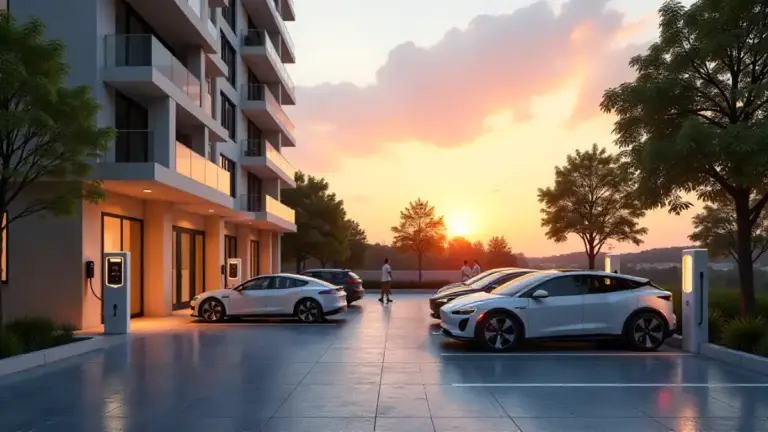
For individual buyers, expect more programs for home charging equipment. The federal government currently offers a 30% tax credit (up to $1,000) for home charger installation. Many states and utilities add to this. I expect these programs to continue and grow, with total incentives potentially covering 50-75% of installation costs.
Renters and apartment dwellers will see new programs too. Several states are piloting incentives for multi-unit dwelling charging installations. This is critical because about one-third of Americans rent their homes.
The Timeline: When Should You Buy?
So, should you buy now or wait? Here’s my honest assessment:
Buy Now If:
- A model you want qualifies for current federal and state incentives
- You have the tax liability to claim credits (or can use point-of-sale rebate)
- Your current vehicle is costing you money in repairs
- You’re in a state with strong incentive programs that might not last forever
Wait If:
- You’re borderline on price caps or income limits that might adjust upward
- The model you want doesn’t currently qualify, but the manufacturer is building domestic battery capacity
- You can benefit from used EV credits in 1-2 years as more vehicles enter that market
- New incentive programs in your state or utility area are being discussed
The Sweet Spot: For most buyers, I think 2024-2026 will be the golden window. Federal incentives are strong, point-of-sale rebates are available, and enough models qualify to give you real choices. After 2026, incentives might start phasing down as EV adoption accelerates and they’re seen as less necessary.
Looking Beyond 2030: The Phase-Out Question
Here’s the uncomfortable truth: EV incentives won’t last forever. They’re designed to jump-start adoption, not subsidize it permanently.
I expect federal tax credits to begin phasing out around 2030-2032, probably starting with luxury vehicles and gradually reducing for all EVs. By 2035, they might be gone entirely or reserved only for low-income buyers.
State incentives will follow similar patterns, though California and a few others might maintain programs longer. The focus will shift from purchase incentives to infrastructure and grid integration.
Does this mean you should panic and buy immediately? No. It means the market is maturing. By the time incentives phase out, EV prices should be competitive with gas cars on their own merits, and charging infrastructure will be ubiquitous.
My Take: Plan Smart, Act Strategically
After following the EV market for years, here’s what I tell friends and family: incentives matter, but they’re not everything. Don’t buy an EV just because there’s a tax credit. Buy it because it fits your life, meets your needs, and makes financial sense over the time you’ll own it.
That said, smart timing can save you serious money. Research what’s available now, keep an eye on upcoming changes, and be ready to act when the stars align. Check the IRS website regularly for updated eligible vehicle lists. Talk to your utility company about their programs. Look at total cost of ownership, not just sticker price.
The future of EV incentives is dynamic, complex, and honestly, pretty exciting. We’re watching policy evolve in real-time to support the biggest transportation shift in a century. Understanding these changes helps you make smarter decisions and potentially save thousands.
And remember: every EV on the road, incentivized or not, is a step toward cleaner air, energy independence, and a more sustainable future. Sometimes the real incentive is knowing you’re part of something bigger.