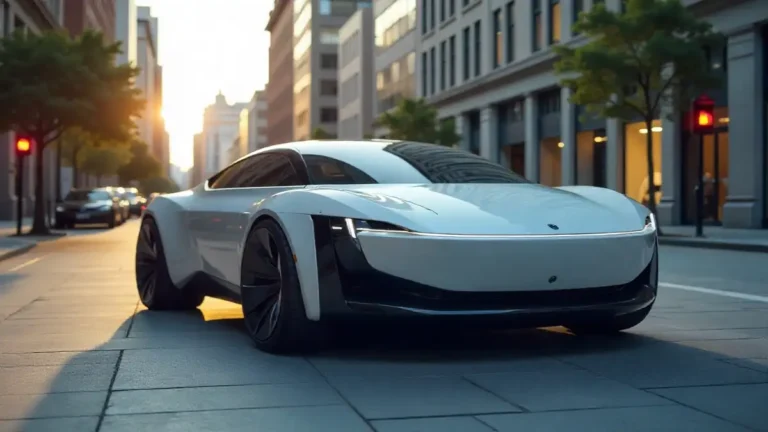
Have you ever wondered why some electric cars look like they’re from the future while others could be mistaken for traditional vehicles? The answer lies in electric car design – a fascinating field where aesthetics, technology, and brand identity collide. Designers are exploring bold new approaches that redefine how we experience cars in the electric era.
When freed from the constraints of bulky engines, radiators, and exhaust systems, designers suddenly found themselves with a blank canvas. Some chose to create radical, otherworldly forms that scream “I’m electric!” Others decided to blend seamlessly into existing automotive landscapes. The result? An incredibly diverse range of design approaches that reveal as much about brand identity as they do about the future of transportation.
Let’s explore how different electric car brands are using design to tell their stories – and what these choices mean for you as a driver.
Tesla: Minimalism Meets Silicon Valley Futurism
Walk up to any Tesla, and you’ll immediately understand their design philosophy: clean, simple, and undeniably modern. It’s like Apple decided to make cars instead of phones.
The Aesthetic Philosophy: Tesla’s design language centers on what they call “progressive minimalism.” Clean lines, flush door handles, and an almost complete absence of exterior ornamentation create vehicles that look more like sculptures than traditional cars. The Model S, even after more than a decade, still looks futuristic parked next to most luxury sedans.
Aerodynamic Efficiency: Every curve and surface serves a purpose. The Model S achieves a drag coefficient of just 0.208 – that’s slipperier through the air than most sports cars. The smooth underbody, carefully sculpted rear spoiler, and even the door handles that retract when not in use all contribute to maximizing range. You’re not just looking at pretty design elements; you’re seeing physics in action.
Interior Innovation: Step inside any Tesla, and you’re greeted by perhaps the most radical interior design in automotive history. The massive center touchscreen dominates everything, while traditional buttons and switches have virtually disappeared. It’s polarizing – some people love the clean, tech-forward approach, while others miss physical controls. But there’s no denying it’s distinctive.
Functionality Through Design: Those flush door handles aren’t just for looks – they reduce wind noise and improve aerodynamics. The glass roof provides an open feeling while maintaining structural strength. Even the frunk (front trunk) serves a practical purpose, offering extra storage space where an engine used to live.
What This Means for You: Tesla’s design appeals if you want people to know you’re driving something different. These cars make a statement about embracing the future. However, the minimalist interior might feel stark if you prefer traditional luxury cues.
Mercedes-EQS: Redefining Luxury for the Electric Age
Mercedes took a completely different approach with their EQS lineup, asking: “How do we translate 130 years of luxury car expertise into the electric era?” The answer is stunning.
Design Language: The EQS embodies what Mercedes calls “Sensual Purity” – smooth, flowing lines that look organic rather than angular. The front end features a “Black Panel” grille that houses sensors and cameras behind a glossy black surface. It’s unmistakably a Mercedes, but unlike any Mercedes you’ve seen before.
Aerodynamic Achievement: With a drag coefficient of just 0.20, the EQS is one of the most aerodynamically efficient production cars ever made. But unlike Tesla’s angular approach, Mercedes achieved this efficiency through flowing, curved surfaces that look almost liquid. The design manages to be both beautiful and functional.
Interior Luxury: The EQS interior showcases the “Hyperscreen” – a massive 56-inch curved glass surface that spans the entire dashboard. But unlike Tesla’s stark minimalism, Mercedes surrounds this technology with traditional luxury materials: real wood, premium leather, and metal accents. It’s high-tech luxury rather than tech-first design.
Lighting as Art: Mercedes has elevated automotive lighting to an art form. The EQS features distinctive light signatures front and rear, with optional Digital Light headlights that can project warnings or guidance information onto the road ahead. At night, an EQS is instantly recognizable from its lighting alone.
What This Means for You: If you want cutting-edge EV technology wrapped in traditional luxury, the EQS delivers. It appeals to buyers who want electric efficiency without sacrificing the premium experience they expect from a luxury car.
BMW i4 and iX: Athletic Performance Meets German Engineering
BMW faced a unique challenge: how do you maintain the brand’s “Ultimate Driving Machine” identity in electric vehicles? Their solution balances sporty aesthetics with EV functionality.
Design Evolution: The iX represents BMW’s boldest design statement, featuring a massive kidney grille that’s now a sensor panel rather than an air intake. It’s controversial – you either love the dramatic proportions or find them overwhelming. The i4, meanwhile, maintains more traditional BMW sedan proportions while incorporating EV-specific elements.
Aerodynamic Integration: BMW’s “Aerodynamic Wheels” on the iX aren’t just for show – they channel airflow to reduce drag while maintaining the brand’s sporty aesthetic. The active grille shutters and carefully sculpted body surfaces help achieve impressive efficiency without sacrificing the athletic stance BMW customers expect.
Interior Philosophy: BMW’s approach to EV interiors combines their traditional driver-focused cockpit with modern technology. The curved display combines digital gauges with infotainment, but physical controls remain for climate and volume. It’s evolution rather than revolution.
Sustainable Materials: BMW has pioneered the use of sustainable materials without compromising luxury. The iX interior features recycled plastics, natural fibers, and sustainably sourced wood. You get premium materials with a clear conscience.
What This Means for You: BMW’s design appeals if you want an electric car that still feels like a BMW. The styling maintains sporty proportions while the interiors balance innovation with familiarity.
Ford Mustang Mach-E: American Icon Goes Electric
Ford made perhaps the boldest design decision in the EV world: taking their most iconic performance nameplate and reimagining it as an electric crossover. The risk was enormous, but the execution is remarkable.
Honoring Heritage: The Mach-E manages to look unmistakably like a Mustang while being a completely different type of vehicle. The tri-bar taillights, long hood proportions, and aggressive stance all echo the classic pony car. It’s design nostalgia executed brilliantly.
Crossover Proportions: Unlike low-slung sedans, the Mach-E had to work as a practical family vehicle. Ford’s designers created muscular, athletic proportions that suggest performance while providing the interior space families need. The result looks powerful without being bulky.
Interior Identity: The Mach-E’s interior blends modern technology with classic American design cues. The large vertical touchscreen dominates, but the overall design feels more approachable than Tesla’s stark minimalism. Physical knobs remain for climate control – a practical touch many drivers appreciate.
Performance Through Design: Every element reinforces the performance message. The hood’s power bulges are purely aesthetic but maintain visual connection to Mustang heritage. The optional Performance package adds aggressive styling cues that back up the impressive acceleration figures.
What This Means for You: The Mach-E appeals if you want electric performance wrapped in familiar American design language. It’s perfect for buyers who want to embrace electric technology without feeling like they’re driving a “weird” car.
Lucid Air: Luxury Redefined by Former Tesla Designers
Lucid represents what happens when former Tesla designers get unlimited budgets to create their vision of the ultimate luxury electric sedan. The results are breathtaking.
Design Sophistication: The Air’s proportions are nearly perfect – long, low, and elegant without being aggressive. The design manages to look both contemporary and timeless, suggesting it will age gracefully. Details like the retractable door handles and sculpted light signatures show obsessive attention to finish quality.
Space Optimization: Lucid’s designers maximized interior space through clever packaging. The Air feels remarkably spacious inside despite sleek exterior proportions. The glass roof creates an airy cabin that rivals much larger vehicles.
Interior Luxury: The Air’s interior represents a new interpretation of automotive luxury. High-quality materials are everywhere, but the design feels fresh rather than traditional. The multiple displays are integrated seamlessly, and physical controls are beautifully crafted rather than eliminated entirely.
Aerodynamic Excellence: With a drag coefficient of 0.21, the Air proves that maximum efficiency and stunning aesthetics aren’t mutually exclusive. Every surface contributes to both airflow management and visual appeal.
What This Means for You: Lucid appeals to buyers who want the ultimate expression of electric luxury. It’s for people who appreciate subtle design excellence and are willing to pay premium prices for cutting-edge technology.
Rivian: Rugged Functionality Meets Electric Innovation
Rivian took electric vehicle design in a completely different direction: what if we made EVs for people who actually use their trucks? The result is refreshingly honest and incredibly functional.
Purposeful Aesthetics: The R1T pickup and R1S SUV look like they’re ready for adventure. The distinctive “stadium” headlight signature and horizontal light bar create immediate recognition, while the proportions suggest capability rather than efficiency. These are electric vehicles that don’t apologize for being trucks.
Functional Innovation: Rivian’s “Tank Turn” capability influenced the design – the vehicles needed to accommodate independent wheel motors. The high ground clearance, protective cladding, and robust construction all serve real functional purposes while creating distinctive visual character.
Interior Practicality: The R1T’s interior focuses on durability and functionality over luxury. Materials are chosen to withstand outdoor adventures, and the design prioritizes storage and organization. The optional “Camp Mode” demonstrates how design serves real-world use cases.
Unique Features: The R1T’s “tunnel” that runs through the bed creates distinctive proportions while providing secure, weatherproof storage. It’s a design element that could only exist in an electric truck, freed from the constraints of traditional drivetrain packaging.
What This Means for You: Rivian appeals if you need genuine truck capability in an electric package. The design honestly communicates its intended use rather than trying to be something it’s not.
Design Trends Shaping the Electric Future
Looking across all these brands, several clear trends emerge that are defining electric vehicle design:
Aerodynamic Efficiency: Every manufacturer is obsessing over wind resistance because it directly impacts range. This is pushing designs toward smoother, more sculpted surfaces and integrated details.
Distinctive Lighting: LEDs allow designers to create signature lighting that helps establish brand identity. Expect increasingly sophisticated lighting designs as brands compete for recognition.
Interior Revolution: Without engines taking up space, interiors are becoming more spacious and flexible. Expect continued experimentation with screen integration and sustainable materials.
Brand Identity Evolution: Each manufacturer is defining what their brand means in the electric era. Some maintain traditional identity while others completely reinvent themselves.
Choosing Design That Matches Your Lifestyle
When selecting an electric vehicle, design matters more than you might expect. The aesthetic choices reflect deeper philosophical differences about what electric cars should be:
Choose Tesla if: You want everyone to know you’re driving something different and appreciate minimalist, tech-forward design. The aesthetic clearly communicates early adopter status.
Choose Mercedes if: You want electric efficiency wrapped in traditional luxury. The design maintains premium brand expectations while embracing new technology.
Choose BMW if: You want sporty performance suggested through design language you already understand and appreciate. The styling evolution feels familiar rather than revolutionary.
Choose Ford if: You want electric capability in recognizable, approachable American design. The Mustang connection provides performance credibility without intimidation.
Choose Lucid if: You want the ultimate expression of electric luxury and appreciate subtle design sophistication. The aesthetic suggests exclusivity and advanced technology.
Choose Rivian if: You need honest truck capability and appreciate design that prioritizes function over flash. The styling communicates adventure-ready capability.
Design as the Future of Brand Identity
What’s fascinating about electric vehicle design is how it’s forcing every manufacturer to answer fundamental questions about their brand identity. Without engine noise, exhaust notes, or traditional performance cues, design becomes the primary way brands communicate their values and intended audience.
The design choices we see today are creating the visual language that will define automotive aesthetics for the next decade. Whether you prefer Tesla’s minimalism, Mercedes’ luxury, BMW’s athleticism, Ford’s heritage, Lucid’s sophistication, or Rivian’s functionality, you’re participating in a design revolution that’s reshaping how we think about cars.
The beauty of this moment is the incredible variety available. Unlike the cookie-cutter designs that dominated the gasoline era, electric vehicles are encouraging bold, distinctive approaches. Your choice of electric vehicle design says something about who you are and what you value – and that’s exactly what great automotive design should do.
The future of automotive design is electric, and it’s more exciting and diverse than anyone could have imagined.