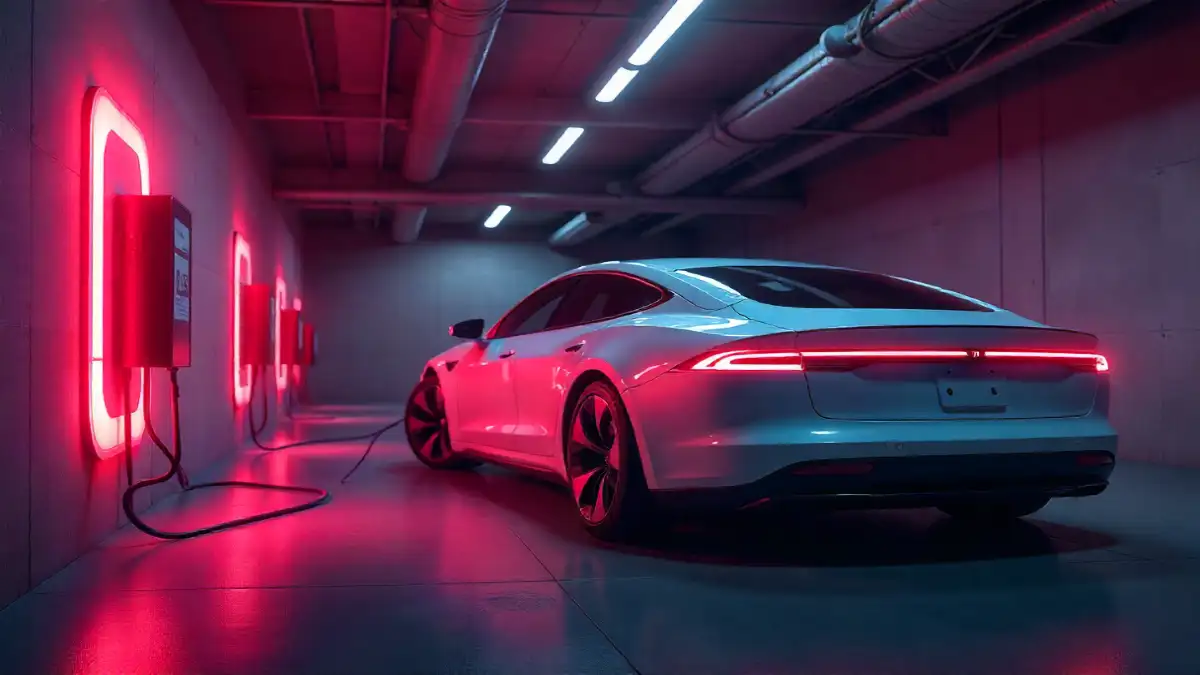
Picture this: you’re standing in your garage, looking at your brand-new electric vehicle, and suddenly you’re hit with a wave of questions. How long will it take to charge? What kind of charger do you need? And why does everyone keep talking about electric car charging levels like it’s some kind of video game?
Don’t worry – you’re not alone in feeling overwhelmed by EV charging terminology. The truth is, understanding charging levels is actually simpler than most people think, and once you get the basics down, you’ll be charging like a pro. Whether you’re considering your first electric car or you’re already an EV owner looking to optimize your charging setup, this guide will walk you through everything you need to know about Level 1, Level 2, and DC Fast Charging.
Think of it this way: charging an electric car is a lot like filling different sized containers with water. You can use a garden hose, a fire hose, or something in between – each has its place depending on how much water you need and how quickly you need it.
Level 1 Charging: The Slow and Steady Approach
Let’s start with the basics. Level 1 charging is like using that garden hose we mentioned – it gets the job done, but you’ll need patience. This is the charging method that uses a standard 120-volt household outlet, the same one you’d plug your toaster into.
The Technical Details:
- Voltage: 120V AC
- Typical amperage: 12-16 amps
- Charging speed: 2-5 miles of range per hour
- Power output: 1.4-1.9 kW
Here’s what this means in real-world terms: if your electric car has a completely drained battery and a 250-mile range, you’re looking at roughly 50-125 hours to fully charge it using Level 1. That’s anywhere from two to five full days of continuous charging. Sounds intimidating, right?
But here’s the thing – most people don’t actually need to charge from zero to full every single day. The average American drives about 40 miles per day, which means Level 1 charging can actually keep up with many people’s daily driving needs, especially if you’re plugging in overnight.
When Level 1 Makes Sense:
- You’re a light driver (under 50 miles per day)
- You have consistent overnight parking with outlet access
- You’re supplementing with workplace or public charging
- You’re renting and can’t install a Level 2 charger
- Budget is a primary concern (no installation costs)
I know what you’re thinking – “Jonathan, this seems painfully slow.” And you’re not wrong. But consider Sarah, a friend of mine who works from home and drives maybe 30 miles on her busiest days. She’s been happily using Level 1 charging for two years with her Nissan Leaf, and it works perfectly for her lifestyle. The key is honest self-assessment of your driving habits.
Level 2 Charging: The Sweet Spot for Most EV Owners
If Level 1 is a garden hose, then Level 2 is like having a proper fire hose – significantly more powerful and much more practical for regular use. This is where most EV owners find their charging sweet spot.
The Technical Breakdown:
- Voltage: 240V AC (same as your clothes dryer)
- Amperage: Typically 16-80 amps (most home units are 32-48 amps)
- Charging speed: 10-60 miles of range per hour
- Power output: 3.8-19.2 kW
Now we’re talking! With Level 2 charging, that same 250-mile range vehicle could be fully charged in 4-10 hours, depending on the specific charger and your car’s onboard charging capabilities. This means you can easily top off overnight and wake up to a full battery every morning.
Installation Requirements: Here’s where things get a bit more complex. Level 2 charging requires a 240V outlet, which means you’ll likely need an electrician unless you already have an appropriate outlet in your garage. The good news? Many homes already have 240V service for appliances like electric dryers, water heaters, and air conditioners, so the infrastructure is probably already there.
Installation costs typically range from $500 to $1,500, depending on your electrical panel’s capacity and the distance from the panel to your charging location. Yes, it’s an upfront investment, but most EV owners find it pays for itself in convenience and peace of mind.
Types of Level 2 Chargers: You’ve got options here. You can install a dedicated EV charging station (often called EVSE – Electric Vehicle Supply Equipment), or you can use a portable charger that plugs into a 240V outlet. Dedicated units are typically faster and more weatherproof, while portable units offer flexibility if you move or want to take the charger with you.
Popular home charging stations include the ChargePoint Home, JuiceBox, and Tesla Wall Connector. Many of these come with smart features like scheduling (to charge during off-peak electricity rates), smartphone apps for monitoring, and even integration with solar panels.
When Level 2 Is Your Best Bet:
- You drive more than 50 miles per day regularly
- You want the convenience of overnight charging
- You have a garage or dedicated parking spot with electrical access
- You’re committed to EV ownership long-term
- You have multiple EVs in your household
DC Fast Charging: When You Need Speed
Now we’re moving into the realm of serious power – think industrial-strength fire hose. DC Fast Charging (sometimes called Level 3, though that’s not technically correct) is where electric vehicles really start to compete with gas stations in terms of refueling speed.
The Power Behind the Speed:
- Voltage: 200-800V DC
- Power output: 25-350 kW (and climbing)
- Charging speed: 60-200+ miles of range in 20-30 minutes
- Bypasses your car’s onboard charger entirely
Here’s the key difference: unlike Level 1 and Level 2 charging, which provide AC power that your car converts to DC, fast charging provides DC power directly to your battery. It’s like mainlining electricity – much faster, but it requires specialized equipment and isn’t something you’ll have at home (unless you’re exceptionally wealthy and have very understanding neighbors).
The Reality of Fast Charging: When people talk about charging an EV in 15 minutes, they’re usually referring to going from 20% to 80% battery capacity, not 0% to 100%. This is because charging speeds slow down significantly as your battery approaches full capacity – it’s a safety feature that protects your battery’s longevity.
Think of it like filling a glass with water. You can pour quickly at first, but as it gets near the top, you need to slow down to avoid overflow. EV batteries work similarly to protect themselves from damage.
Fast Charging Networks: The landscape here is rapidly evolving. Tesla’s Supercharger network has long been the gold standard, but they’re opening access to non-Tesla vehicles. Meanwhile, networks like Electrify America, ChargePoint, and EVgo are rapidly expanding across the country.
Charging costs vary significantly – anywhere from $0.25 to $0.60 per kWh, depending on the network and location. While it’s more expensive than charging at home, it’s still typically cheaper than gasoline on a per-mile basis.
When You’ll Rely on DC Fast Charging:
- Road trips and long-distance travel
- Urban dwelling without home charging options
- Emergency top-ups when you’ve miscalculated range
- Commercial fleet operations with quick turnaround needs
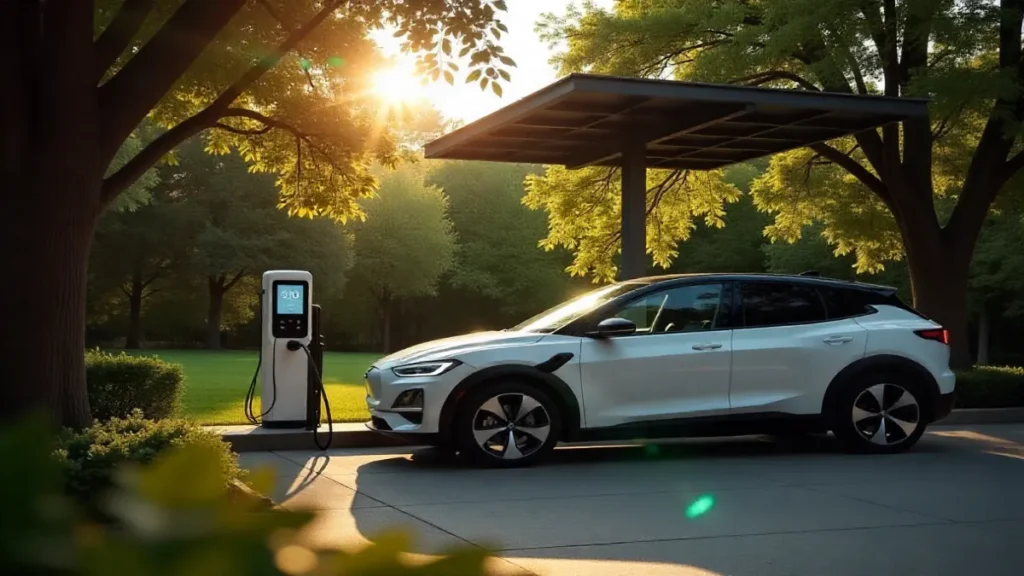
Choosing the Right Charging Strategy for Your Lifestyle
Here’s where the rubber meets the road – or should I say, where the plug meets the port? Your ideal charging setup probably involves a combination of these levels, and that’s perfectly normal.
Most EV owners develop what I call a “charging hierarchy”:
Primary charging (80-90% of the time): This is typically Level 2 at home or work. It’s convenient, relatively inexpensive, and handles your daily driving needs.
Secondary charging (5-15% of the time): This might be Level 1 at a friend’s house, Level 2 at shopping centers, or workplace charging that supplements your home setup.
Emergency/travel charging (1-5% of the time): DC Fast Charging for road trips or those “oops, I forgot to plug in” moments.
Consider Mike, who lives in an apartment complex in Denver. He negotiated with his landlord to install Level 2 charging in his designated parking spot (splitting the cost), uses workplace Level 2 charging twice a week, and relies on DC fast charging for his monthly trips to visit family in Colorado Springs. His setup works because he planned it around his specific needs.
The Bottom Line: Making Charging Work for You
The beauty of electric vehicle charging is that it’s remarkably flexible once you understand your options. Unlike gas stations, where you’re limited to wherever they happen to be located, you can potentially charge your EV anywhere there’s electricity – which is pretty much everywhere.
The key is being honest about your driving patterns, living situation, and budget. If you’re driving 200+ miles daily for work, you’ll need a different strategy than someone who commutes 20 miles and works from home three days a week.
Start by tracking your current driving habits for a week or two. How many miles do you drive daily? Where do you park overnight? Do you have access to charging at work? Are there public chargers near places you frequently visit?
With this information, you can build a charging plan that actually works for your life, not some theoretical perfect scenario. And remember – the EV charging infrastructure is improving rapidly. What seems challenging today will likely be much easier in just a year or two.
The transition to electric driving isn’t just about buying a different car – it’s about rethinking how and where you refuel. But once you make that mental shift and set up your charging routine, most EV owners find it’s actually more convenient than stopping at gas stations. After all, when’s the last time a gas station came to your house and filled up your tank while you slept?