Have you ever wondered what’s really powering those silent, smooth electric cars gliding past you on the highway? It all comes down to electric car batteries – the heart of every EV. They’re not magic, though they might feel like it when you experience that instant torque for the first time.
I remember when my neighbor first got his Tesla Model 3 back in 2018. He spent twenty minutes explaining how his car’s battery was “completely different” from anything in gas cars, but honestly, I was more interested in that acceleration than the technical details. Now, after years of following the EV industry, I’ve come to appreciate that understanding battery technology isn’t just for engineers – it’s becoming essential knowledge for anyone considering an electric future.
Today’s electric car batteries are like the smartphones in your pocket: they look similar on the outside, but the technology inside varies dramatically between manufacturers and models. Let’s dive into the fascinating world of EV batteries and discover what makes each type unique.
The Lithium-Ion Dynasty: Today’s Powerhouse
Walk into any dealership today, and you’ll find that virtually every electric car runs on some variation of lithium-ion battery technology. But here’s where it gets interesting – saying “lithium-ion” is like saying “smartphone.” There are actually several distinct chemistries hiding under that umbrella term, each with its own personality.
Lithium Iron Phosphate (LFP) batteries are the workhorses of the EV world. Tesla uses them in their Standard Range models, and Chinese manufacturers like BYD have perfected them for mass production. Think of LFP as the reliable friend who’s always there when you need them. They’re incredibly safe – you could literally drive a nail through one without it catching fire – and they last forever. We’re talking about batteries that can handle over 3,000 charge cycles while maintaining 80% capacity. The trade-off? They’re heavier and don’t pack quite as much energy per pound as their fancier cousins.
Lithium Nickel Manganese Cobalt (NMC) batteries, on the other hand, are the overachievers. These are what you’ll find in most premium EVs like the BMW iX or Mercedes EQS. They store more energy in less space, which means better range and performance. But they’re also more temperamental – think of them as the high-maintenance sports car of battery chemistry. They need more sophisticated cooling systems and can be picky about charging conditions.
Lithium Nickel Cobalt Aluminum (NCA) batteries power Tesla’s Long Range models and are all about maximizing energy density. They’re like having a marathon runner’s endurance in a sprinter’s body. However, they come with their own challenges, particularly around cobalt sourcing and long-term stability.
The reality is that most drivers will never notice the difference between these chemistries in daily driving. They all deliver that characteristic EV experience: instant acceleration, quiet operation, and the ability to “fuel up” at home. The differences matter more for manufacturers trying to balance cost, performance, and safety in their designs.
Solid-State: The Promising Newcomer
Now, let’s talk about the technology that has everyone in the industry buzzing: solid-state batteries. Imagine replacing the liquid electrolyte in current batteries with something solid – it sounds simple, but it’s revolutionizing everything we thought we knew about energy storage.
Toyota has been the biggest cheerleader for solid-state technology, promising commercial deployment by the mid-2020s. Their vision is compelling: batteries that charge from 10% to 80% in just ten minutes, last for over a million miles, and pack twice the energy density of today’s best lithium-ion cells. It’s like upgrading from a flip phone to the latest iPhone – a complete generational leap.
The magic of solid-state lies in what they eliminate: the fire risk. Current lithium-ion batteries contain flammable liquid electrolytes that can ignite under certain conditions. Solid-state batteries use ceramic or polymer electrolytes that simply can’t burn. This means manufacturers can pack more energy into smaller spaces without the extensive cooling and safety systems current EVs require.
But here’s the reality check – and I learned this from speaking with battery engineers at various automotive conferences – solid-state batteries face significant manufacturing challenges. Creating these solid electrolytes at scale while maintaining quality and controlling costs is proving incredibly difficult. It’s like trying to mass-produce fine crystal glasses: possible in theory, but economically challenging in practice.
QuantumScape, backed by Volkswagen, claims they’ve solved many of these issues and expects to begin commercial production around 2025. Samsung and other tech giants are also racing toward commercialization. However, most industry experts I’ve spoken with suggest widespread adoption is still 5-10 years away.
Emerging Technologies: The Wild Cards
The battery world never stands still, and several emerging technologies could reshape the entire landscape. Let’s explore the most promising alternatives that might power your future electric car.
Lithium-metal batteries represent an intriguing middle ground between today’s lithium-ion and tomorrow’s solid-state. Companies like SES (SolidEnergy Systems) are developing lithium-metal batteries that could deliver 40% more range than current EVs while using existing manufacturing equipment. It’s like getting solid-state performance without needing to rebuild every battery factory in the world.
Sodium-ion batteries might sound exotic, but they’re gaining serious attention, especially from Chinese manufacturers like CATL. Sodium is abundant – you can literally extract it from seawater – which could dramatically reduce battery costs. The performance isn’t quite there yet for premium EVs, but for urban commuter cars or energy storage, sodium-ion could be transformative.
Lithium-sulfur batteries promise the highest theoretical energy density of any battery chemistry. A lithium-sulfur pack could potentially deliver 500+ miles of range in a compact car. However, they face durability challenges that researchers are still working to solve. Think of them as the experimental race car engines of the battery world – incredible potential, but not quite ready for your daily commute.
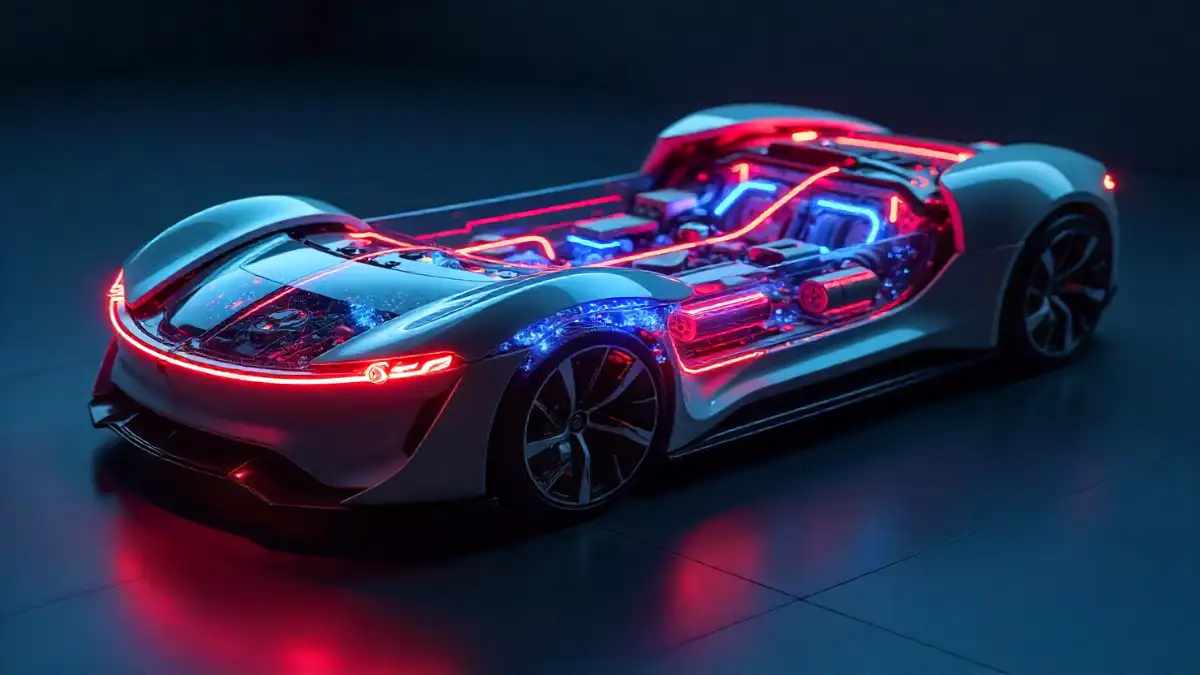
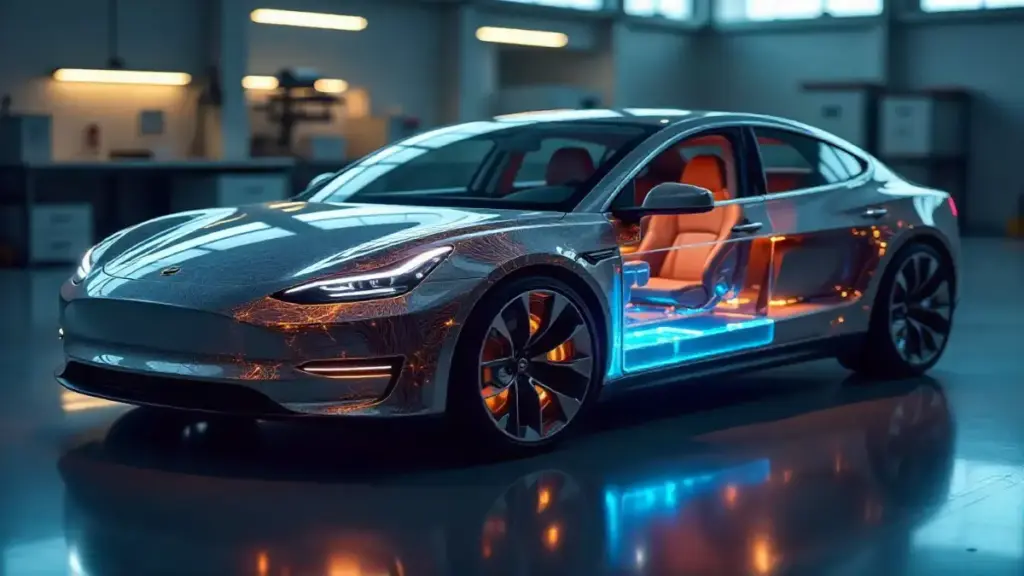
The most fascinating development might be structural batteries – where the battery pack itself becomes part of the car’s chassis. Tesla has hinted at this technology, and it could reduce vehicle weight by 10% or more while increasing rigidity. Imagine a car where the floor isn’t just hiding the batteries – it IS the batteries.
Making Sense of the Battery Maze
So, what does all this mean for you as a potential EV buyer? The honest answer is that battery chemistry probably shouldn’t drive your purchasing decision today. Whether your car uses LFP, NMC, or NCA, you’re getting proven technology that will reliably move you from point A to point B for many years.
Instead, focus on the practical implications: How far do you need to drive daily? How fast do you need to charge? What’s your budget? A Tesla Model 3 with LFP batteries might offer slightly less range than the NMC version, but it’s also several thousand dollars cheaper and will likely outlast the car itself.
The exciting developments in solid-state and other emerging technologies will eventually trickle down to consumer vehicles, probably in the premium segment first. If you’re shopping for an EV today, you’re getting mature, reliable technology. If you can wait until 2027-2030, you might get access to genuinely transformative battery advances.
Here’s my advice: don’t let battery anxiety keep you from considering an EV if it otherwise fits your lifestyle. Today’s batteries are far better than most people realize, and tomorrow’s will be even more impressive. The transition to electric driving is happening now, and the battery technology supporting it is more than ready for prime time.
The future of automotive batteries isn’t just about incremental improvements – it’s about fundamentally reimagining how we think about energy storage, vehicle design, and transportation itself. And that future is arriving faster than most people expect.
Roy K. Miller is an EV expert passionate about electric mobility, green technology, and the future of transportation. He helps readers and drivers make smarter choices while sharing insights and updates on the latest developments in the EV world.