Have you ever wondered if there’s a smarter way to charge your electric car than just plugging it in when you get home? What if your EV could charge itself when electricity is cheapest, help stabilize the power grid, and even make you money in the process? Welcome to the world of smart charging—a technology that’s transforming how we think about powering our electric vehicles.
Smart charging isn’t just about convenience; it’s about making your EV work harder for you while supporting a cleaner, more efficient energy grid. Let me walk you through how this fascinating technology works and why it might be one of the most underrated features of electric vehicle ownership.
What Exactly Is Smart Charging?
Let’s start with the basics. Traditional charging is pretty straightforward: you plug in your car, and it charges at maximum speed until the battery is full. Simple, right? But here’s the thing—this approach doesn’t consider when electricity is cheapest, what’s happening on the power grid, or whether you actually need a full charge by 2 AM.
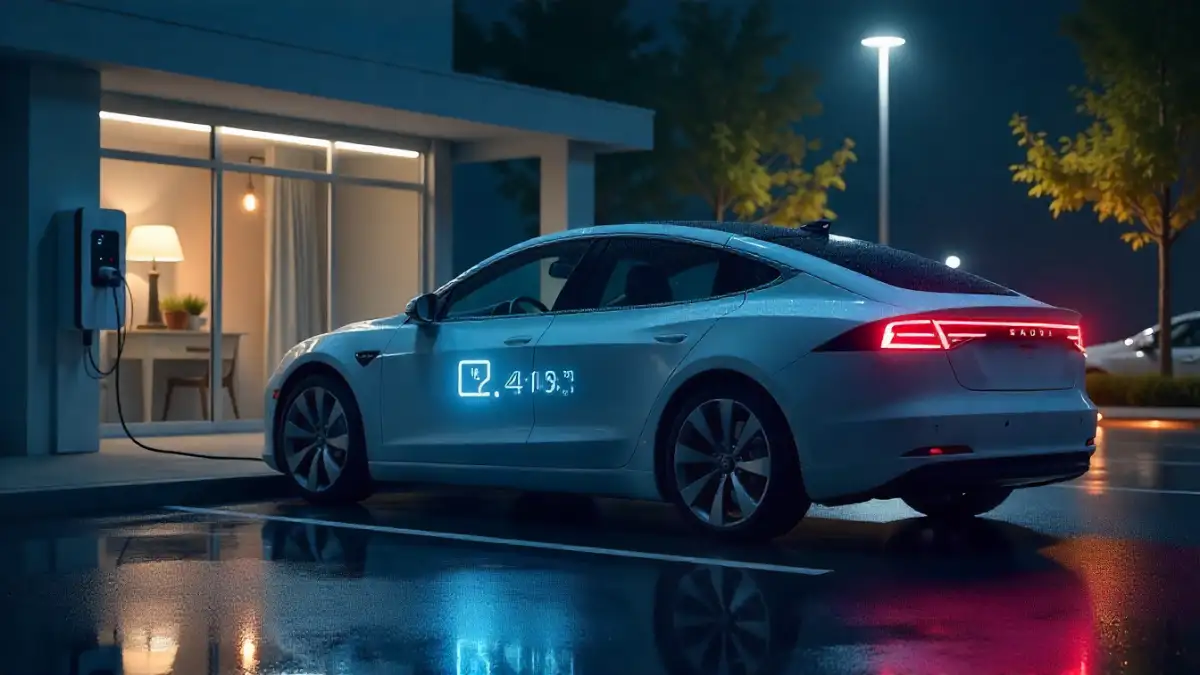
Smart charging flips this script entirely. It’s a system where your EV, charging station, and the power grid communicate with each other to optimize when and how fast your car charges. Think of it like having a personal energy manager that constantly monitors electricity prices, your driving schedule, and grid demand to make the smartest charging decisions possible.
The technology uses a combination of software, internet connectivity, and sometimes artificial intelligence to schedule charging sessions. Your car might start charging at midnight when electricity rates drop, pause during peak hours when the grid is stressed, and ensure you still wake up to a fully charged battery exactly when you need it.
What makes this possible? Most smart charging systems connect through Wi-Fi or cellular networks, allowing them to receive real-time data about electricity prices and grid conditions. Some work through smartphone apps where you set your preferences, while others integrate directly with your utility company’s systems.
How Smart Charging Saves You Money
Here’s where things get really interesting for your wallet. Electricity prices aren’t constant—they fluctuate throughout the day based on demand. During peak hours (typically late afternoon and early evening when everyone’s home using appliances), electricity costs more. During off-peak hours (usually overnight), it’s significantly cheaper.
With time-of-use (TOU) electricity rates, which many utilities offer, the difference can be substantial. In some areas, charging during off-peak hours can cost 50-70% less than peak charging. Let’s put that in perspective: if you drive 12,000 miles annually in an EV that gets 3.5 miles per kWh, you’re using about 3,400 kWh per year. If peak electricity costs $0.30 per kWh and off-peak costs $0.12 per kWh, the difference between charging strategies is over $600 annually.
Smart charging makes capturing these savings effortless. Instead of manually setting alarms to start charging at midnight, your system automatically schedules charging during the cheapest hours. You simply tell it when you need your car ready, and it handles the optimization.
Some utilities and charging networks even offer additional incentives for smart charging participants. These programs, sometimes called demand response initiatives, might pay you to allow the utility to slightly adjust your charging schedule during grid emergencies. It’s usually a small inconvenience—maybe your car charges to 85% instead of 90% by morning—but you receive credits on your electricity bill.
California’s Pacific Gas & Electric, for example, offers EV-specific rates where overnight electricity can drop below $0.10 per kWh. Texas, with its deregulated market, sometimes sees negative electricity prices during high wind production periods—meaning smart chargers could theoretically get paid to charge your car.
Supporting Grid Stability and Renewable Energy
Beyond personal savings, smart charging plays a crucial role in our broader energy transition. As more EVs hit the roads, the collective impact on the power grid becomes significant. Without smart charging, millions of EV owners plugging in simultaneously after work could create massive demand spikes that strain grid infrastructure.
Smart charging helps smooth out these peaks. By distributing charging sessions throughout off-peak hours, it reduces stress on the grid and helps utilities avoid building expensive new power plants that would only be needed during peak demand.
But there’s an even more exciting dimension: supporting renewable energy integration. Solar and wind power are fantastic for the environment, but they’re intermittent—the sun doesn’t always shine, and the wind doesn’t always blow. This creates a challenge for grid operators who need to balance supply and demand constantly.
Smart charging can respond to these fluctuations. When there’s excess solar power at midday, smart chargers can ramp up charging rates. When wind farms are producing heavily overnight, your EV can soak up that clean energy. This flexibility makes renewable energy sources more viable and valuable.
Some advanced systems take this further with vehicle-to-grid (V2G) technology, which allows your EV battery to send power back to the grid during peak demand. While still relatively rare, this technology turns your car into a mobile power source that can help stabilize the grid during emergencies or high-demand periods. Imagine your parked EV helping power your neighbor’s home during a heat wave while earning you money—that’s the future V2G promises.
Setting Up and Using Smart Charging
So how do you actually start smart charging? The process is more straightforward than you might think, though your options depend on your vehicle, home charging setup, and utility provider.
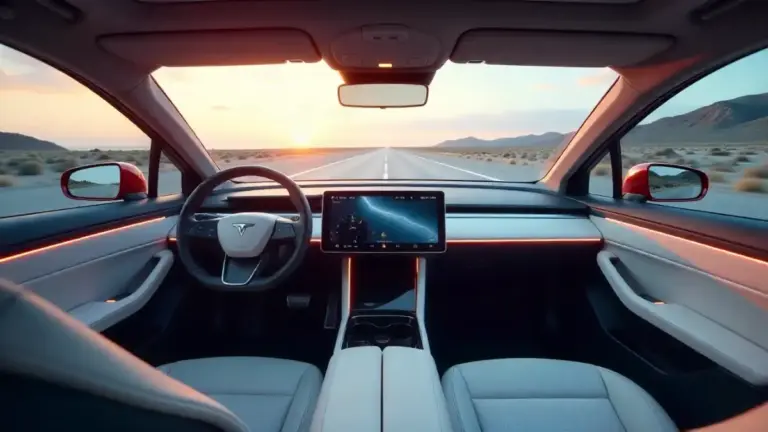
Through Your Vehicle: Many newer EVs have built-in smart charging features. Teslas, for instance, let you schedule charging times through the car’s touchscreen or smartphone app. You can set departure times, and the car will automatically charge during off-peak hours to be ready when you need it. Other manufacturers like Ford, Chevrolet, and Nissan offer similar functionality through their companion apps.
Smart Charging Stations: If your EV doesn’t have built-in smart features, or you want more advanced capabilities, consider a smart home charging station. Devices from companies like ChargePoint, Wallbox, or Emporia connect to your Wi-Fi and offer apps with sophisticated scheduling, energy monitoring, and cost tracking. These typically cost $500-$700 installed but offer more granular control than vehicle-based systems.
Utility Programs: Check if your electric utility offers smart charging programs. Some provide discounted or free smart chargers in exchange for participating in demand response programs. Others offer special EV electricity rates that make off-peak charging significantly cheaper. These programs often come with their own apps or web portals where you can monitor your charging and savings.
Energy Management Systems: For the truly committed, whole-home energy management systems like Tesla’s Powerwall or similar solar battery setups can integrate EV charging with solar production and home energy use, optimizing everything together.
The key is setting your preferences correctly. Most systems ask you to input your typical departure times and minimum charge levels. The algorithm then works backward to ensure you have enough charge when needed while maximizing savings. Many people find that setting a departure time for their morning commute and a minimum charge of 80% works well for daily driving.
Don’t worry about complicated programming—modern smart charging systems are designed to be user-friendly. Set it up once, and it largely runs on autopilot, adjusting automatically as electricity rates and your needs change.
Real-World Considerations and Tips
While smart charging offers impressive benefits, let’s address some practical considerations. First, you’ll need to be on a time-of-use electricity rate to see meaningful savings. If you’re still on a flat-rate plan, contact your utility about switching—most are happy to help EV owners transition.
Battery health is another common concern. Some worry that scheduling charging might lead to degraded battery performance. The good news? Modern EV batteries are remarkably resilient, and smart charging can actually help preserve battery life by avoiding unnecessarily charging to 100% or maintaining full charge for extended periods.
For those with solar panels, coordinating smart charging with solar production creates additional opportunities. Some systems can prioritize charging when your panels are producing excess power, effectively letting you “fill up” with free electricity you generate yourself.
Weather can affect charging speeds, particularly in cold climates where battery conditioning might require additional energy. Smart charging systems typically account for this, but you might notice your car starts charging earlier on cold nights to ensure adequate conditioning time.
One tip from experienced EV owners: build in some buffer time. If you absolutely must leave by 7 AM, set your departure time for 6:30 AM. This ensures any unexpected delays in charging don’t leave you scrambling.
The Future of Smart Charging
Looking ahead, smart charging technology is evolving rapidly. Bidirectional charging (V2G and vehicle-to-home) is becoming more common, with some utilities launching pilot programs. Artificial intelligence is making charging algorithms more sophisticated, learning your patterns and optimizing even more effectively over time.
Integration with smart home systems is improving too. Imagine your EV automatically adjusting its charging based on your home’s overall energy use, weather forecasts, and even your calendar appointments. Some systems are already moving in this direction, creating truly holistic energy management.
Workplace and public charging stations are also adopting smart features, allowing you to take advantage of time-of-use rates and grid services wherever you charge, not just at home.
Making the Switch to Smart Charging
Smart charging represents one of those rare win-win-win situations: you save money, reduce strain on the power grid, and support the integration of renewable energy. It’s not complicated to set up, doesn’t require constant attention, and can save you hundreds of dollars annually.
If you’re already driving an EV, check your vehicle’s settings or app—you might already have smart charging features you haven’t activated. If you’re considering an EV purchase, factor smart charging capabilities into your decision. And regardless of where you are in your electric vehicle journey, contact your utility to learn about EV-specific rates and programs.
The future of transportation isn’t just electric—it’s intelligent. Smart charging is how we make that future work efficiently and sustainably. So go ahead, let your car charge itself smarter while you sleep. Your wallet and the planet will thank you.