You know that feeling when you’re scrolling through your feed late at night, and suddenly you’re three hours deep into an electric vehicle debate between a Tesla owner in Oslo and a charging network engineer in California? Yeah, me too. And here’s what I’ve discovered: the real story of electric mobility in 2025 isn’t happening in press releases or boardrooms—it’s unfolding in Reddit threads, LinkedIn discussions, and community forums where actual users are sharing their unfiltered experiences.
So grab your coffee (or tea, I don’t judge), and let’s dive into what people are really saying about the electric revolution this year. Spoiler alert: it’s messier, more exciting, and way more nuanced than the headlines suggest.
The Charging Conversation Has Evolved (And It’s Getting Real)
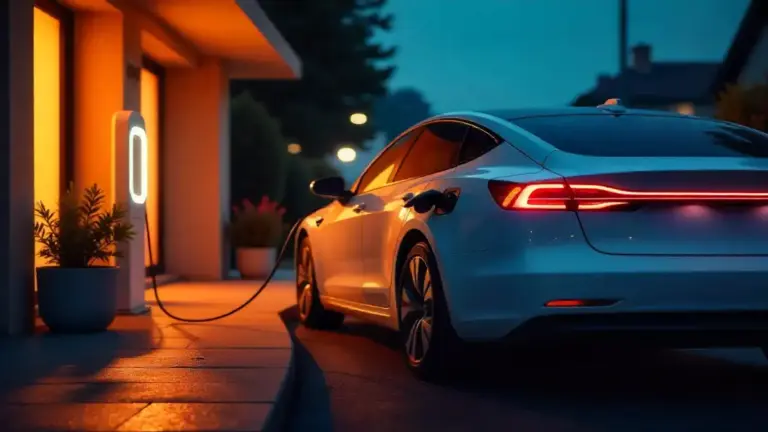
Remember when range anxiety was the big boogeyman of EV adoption? Well, in 2025, the conversation has shifted dramatically. Sure, people still care about how far they can drive, but if you spend any time in r/electricvehicles or the various EV groups on LinkedIn, you’ll notice something interesting: charging infrastructure has become the real hot-button issue.
And I’m not talking about the lack of chargers—though that’s still a problem in many areas. What’s fascinating is how sophisticated the discussion has become. Users are now debating charging speeds, payment system interoperability, and the user experience of different networks with the kind of detail you’d expect from tech reviewers dissecting the latest smartphone.
One Reddit user in the Pacific Northwest summed it up perfectly: “I don’t care if there’s a charger every five miles if I need three different apps, two RFID cards, and a prayer to get any of them working.” That sentiment echoes across countless threads, and it’s pushing the industry to finally address the fragmentation problem.
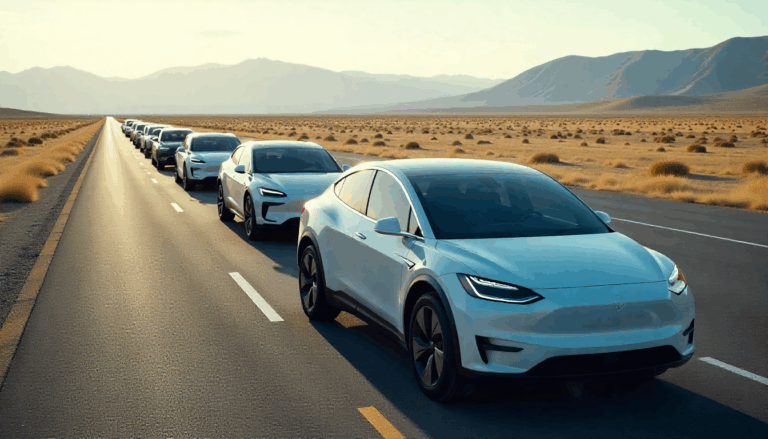
The good news? Real-world users report that things are improving. Tesla’s decision to open its Supercharger network to other brands is being hailed as a game-changer, with non-Tesla owners sharing stories of seamlessly charging their Ford Mustang Mach-Es and Hyundai Ioniq 5s at previously exclusive stations. It’s the kind of interoperability the community has been demanding for years.
But here’s where it gets interesting: the charging conversation has also split into distinct camps. Apartment dwellers are having very different discussions than homeowners with garages. Urban drivers face different challenges than suburban or rural EV owners. What works brilliantly for one person might be completely impractical for another—and online communities are finally giving voice to these diverse experiences.
Smart Cities Are Getting Smarter (With Some Growing Pains)
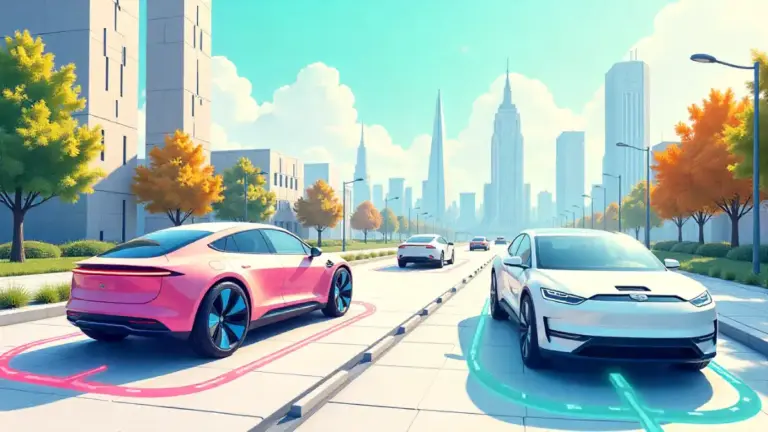
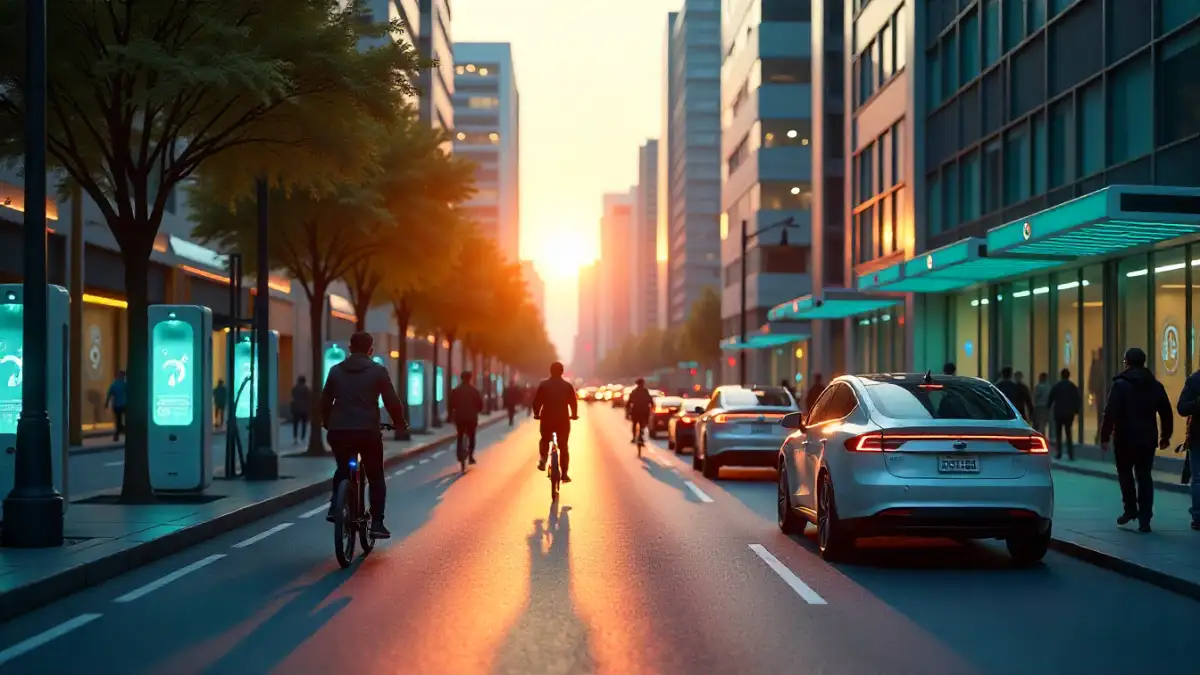
If you’ve been following urban planning discussions on platforms like LinkedIn, you’ve probably noticed the explosion of content around “smart city” integration with electric mobility. City planners, engineers, and mobility experts are actively debating how to weave EVs, charging infrastructure, and public transit into cohesive urban ecosystems.
The vision is compelling: imagine pulling up to a parking spot that not only charges your car but also communicates with the grid to optimize charging times based on renewable energy availability. Your vehicle becomes part of a larger energy network, potentially even feeding power back to your home during peak hours.
Sounds like science fiction? It’s already happening in pockets around the world. Users in cities like Amsterdam, Oslo, and Singapore are sharing their experiences with vehicle-to-grid (V2G) systems, smart charging platforms, and integrated mobility apps that treat your EV as one piece of a larger transportation puzzle.
But—and this is a big but—the implementation hasn’t been smooth everywhere. Forums are full of complaints about overpromised and underdelivered smart features, parking apps that don’t talk to charging apps, and infrastructure that looks great on paper but falls apart in real-world use.
One particularly insightful LinkedIn discussion I followed involved city planners from three different continents comparing notes on what worked and what didn’t. The consensus? The technology exists, but the coordination between municipalities, utility companies, and private charging networks remains a massive challenge. It turns out building a smart city isn’t just about having smart technology—it’s about getting dozens of stakeholders to actually work together.
The Hydrogen Debate: Hype, Hope, or Distraction?
Now, let’s wade into controversial waters: hydrogen fuel cells. If you want to start a heated debate in any EV community, just casually mention hydrogen vehicles and watch the fireworks.
On one side, you’ve got the hydrogen enthusiasts—often found in industry-focused LinkedIn groups—pointing to the technology’s potential for heavy-duty transport, long-haul trucking, and maritime applications. They’ll share exciting developments from companies investing billions in hydrogen infrastructure and fuel cell technology.
On the other side, you’ve got battery-electric advocates (particularly vocal on Reddit) who view hydrogen passenger vehicles as a technological dead end, arguing that the efficiency losses in hydrogen production, storage, and conversion make it a poor choice compared to direct battery charging.
What’s fascinating in 2025 is that this debate has matured. The most thoughtful discussions acknowledge that this isn’t an either-or situation. Hydrogen might not make sense for your daily commute in a compact car, but it could be perfect for applications where battery weight and charging time are prohibitive—think 18-wheelers crossing continents or ships traversing oceans.
Real-world users and industry insiders are increasingly talking about hydrogen as a complement to battery electric technology rather than a competitor. The question isn’t “which technology will win?” but rather “which technology makes sense for which application?”
Still, if we’re being honest, hydrogen passenger vehicles remain a tough sell in 2025. The infrastructure is sparse, the vehicles are expensive, and the efficiency argument is hard to ignore. Community sentiment suggests hydrogen’s moment might come—but probably not for everyday passenger vehicles anytime soon.
The Micro-Mobility Revolution Nobody Saw Coming
Here’s something that caught me by surprise while scrolling through mobility forums: the absolute explosion of interest in micro-mobility solutions. And I’m not just talking about e-bikes and scooters (though those are huge)—I’m talking about the entire ecosystem of small, electric, personal transportation devices.
Electric skateboards, one-wheel boards, e-cargo bikes, electric mopeds—the variety is staggering, and the community enthusiasm is infectious. What started as novelty items for early adopters has become a serious transportation solution for many urban dwellers.
The Reddit community r/ebikes has become a treasure trove of real-world advice, with users sharing everything from commute routes to battery maintenance tips to strategies for carrying groceries. These aren’t hobbyists tinkering with toys; these are people who’ve genuinely replaced car trips with electric micro-mobility solutions.
What’s driving this boom? A few factors keep coming up in discussions:
Cost: A quality e-bike runs $1,500-$3,000. A new EV? Try $40,000+. For many people, especially younger urban residents, that math is simple.
Practicality: In dense cities, an e-bike often gets you places faster than a car, with none of the parking headaches.
Fitness: Unlike purely passive transportation, e-bikes give you a workout—you just get a helpful boost when you need it.
Fun: Okay, this one’s subjective, but scroll through micro-mobility forums and you’ll see it repeatedly. People genuinely enjoy these devices in a way that’s different from driving.
The industry is taking notice. Major automotive companies are launching their own micro-mobility divisions, and cities are scrambling to update infrastructure to accommodate these new forms of transport. Protected bike lanes, e-scooter parking zones, and charging stations specifically designed for smaller vehicles are becoming standard considerations in urban planning discussions.
The Real Talk on EV Ownership Costs
Let’s address the elephant in the room—or rather, in every EV discussion forum: cost. If you want to understand how people really feel about EVs in 2025, don’t read the marketing materials. Read the budget breakdowns and TCO (total cost of ownership) calculations that users are voluntarily sharing online.
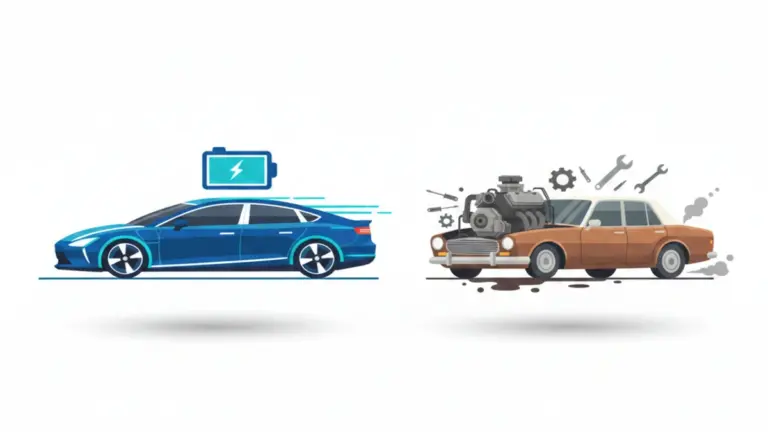
The narrative is complicated. Yes, EVs typically cost more upfront than comparable gas vehicles. But the enthusiastic owners sharing their spreadsheets (and there are many—EV owners love a good spreadsheet) consistently show that when you factor in fuel savings, lower maintenance costs, and various incentives, the math often works out favorably over time.
One particularly detailed post I encountered tracked five years of Tesla Model 3 ownership against a Honda Accord. The conclusion? The Tesla actually cost less to own over that period when accounting for fuel, maintenance, and depreciation—despite costing significantly more to purchase initially.
But—and this is crucial—these calculations depend heavily on individual circumstances. How much you drive, your electricity rates, available charging options, climate (batteries in extreme cold are less efficient), and local incentives all dramatically affect the equation.
The most honest discussions acknowledge this complexity rather than trying to claim EVs are universally cheaper or universally more expensive. They’re different, with different cost structures that benefit some buyers more than others.
What About That Used EV Market?
Here’s a topic generating serious buzz in 2025: the growing used EV market. As first-generation modern EVs (think 2017-2019 models) age out of their initial ownership period, we’re seeing interesting discussions about what happens next.
On Reddit’s r/electricvehicles and various Tesla-specific forums, potential buyers are asking crucial questions: How much battery degradation should I expect? Are replacement batteries affordable? Which models have held up best? What should I look for when buying used?
Early data suggests that battery degradation has been less severe than many feared. Users are reporting that well-maintained EVs from the late 2010s typically retain 85-92% of their original battery capacity—more than enough for most daily driving needs.
This is creating opportunities. Used EVs that might have seemed expensive a few years ago are now entering the sub-$20,000 range, making electric mobility accessible to buyers who couldn’t afford or didn’t want to spend $40,000+ on a new vehicle.
The community is actively documenting which models age gracefully and which have issues. Nissan Leafs with their air-cooled batteries show more degradation in hot climates. Teslas generally hold up well but may face expensive repair bills for other components. Chevy Bolts offer great value but had that whole battery recall situation.
This real-world, crowdsourced reliability data is becoming invaluable for prospective buyers, and it’s filling gaps that traditional automotive journalism hasn’t fully addressed yet.

The Bottom Line: It’s Complicated (In a Good Way)
So what’s the real pulse of electric mobility in 2025? After spending way too much time in these online communities, here’s what I’ve learned:
The electric revolution is happening, but it’s messier and more nuanced than the simple narratives suggest. Charging infrastructure is improving but remains frustrating in many places. Smart city integration is promising but requires coordination that’s proving difficult to achieve. Hydrogen has a future, but probably not in your driveway. Micro-mobility is quietly transforming urban transportation. And the total cost picture depends enormously on individual circumstances.
What’s most encouraging isn’t the technology itself—it’s the depth and sophistication of the conversations happening around it. Real users are sharing honest experiences, identifying problems, and pushing the industry to do better. Industry experts are engaging directly with consumers in ways that would have been impossible a decade ago.
If you’re considering joining the electric mobility revolution in any form—whether that’s a full EV, a plug-in hybrid, or just an e-bike for your commute—my advice is simple: dive into these communities. Read the debates, ask questions, and learn from people who’ve already taken the plunge.
Because the future of transportation isn’t being decided in corporate boardrooms alone. It’s being shaped by every driver who shares their charging experience, every city planner who engages in LinkedIn discussions, and every e-bike commuter who posts their route on Reddit.
And from where I’m sitting, scrolling through these conversations late into the night? That future looks pretty interesting.
What’s your take on electric mobility in 2025? Have you made the switch, or are you still watching from the sidelines? The conversation continues—online and everywhere.