Welcome to Transportation’s Most Exciting Era
Remember when electric cars were those quirky, short-range vehicles that made people nervous about getting stranded? Well, 2025 has completely rewritten that story. We’re living through what I like to call the “transportation revolution”—and honestly, it’s more exciting than I ever imagined when I first started following this industry.
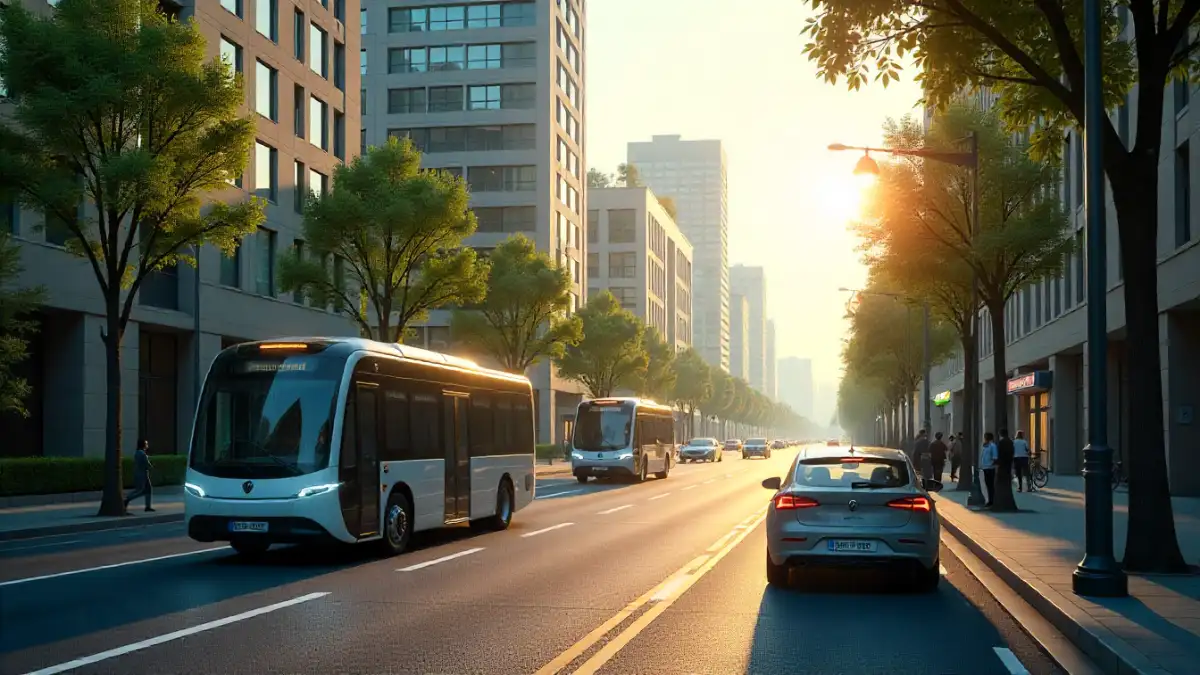
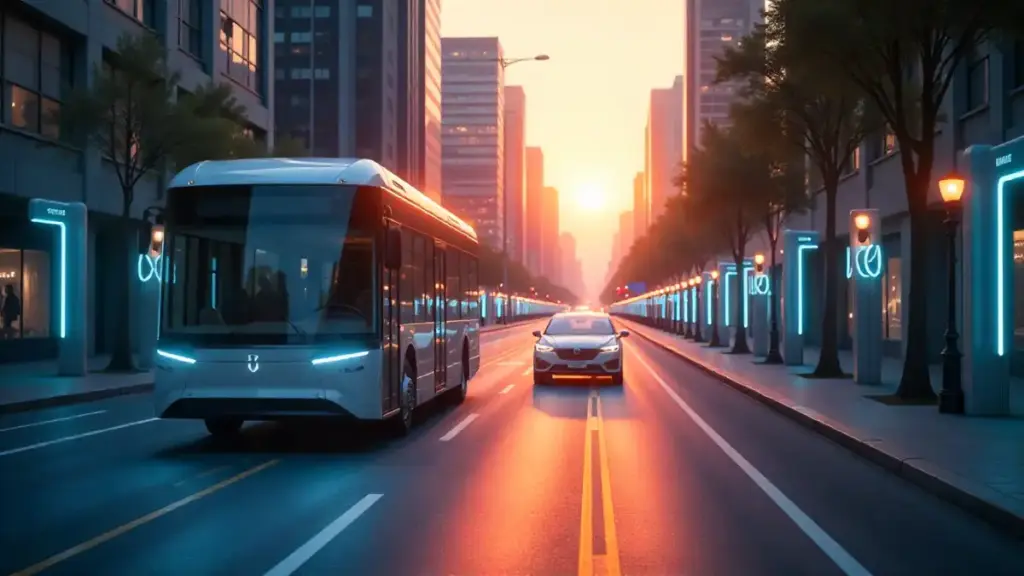
Here’s what hits me every morning when I look out my window: the delivery van rolling past is electric and nearly silent. The scooters lined up at the corner? Electric. Even the city buses rumbling down the main street run on batteries now. This isn’t some distant future we’re planning for—this is happening right now, and it’s reshaping how we think about getting from point A to point B.
In this article, we’re going to explore the innovations that are making 2025 a landmark year for electric mobility and sustainable transportation. Whether you’re considering your first EV, curious about the charging infrastructure that’s springing up everywhere, or wondering how autonomous vehicles fit into this puzzle, I’ve got you covered. Let’s dive into the technologies and trends that are genuinely changing our world.
The EV Revolution: Beyond Just Cars
Today’s Electric Vehicles Are Different Beasts
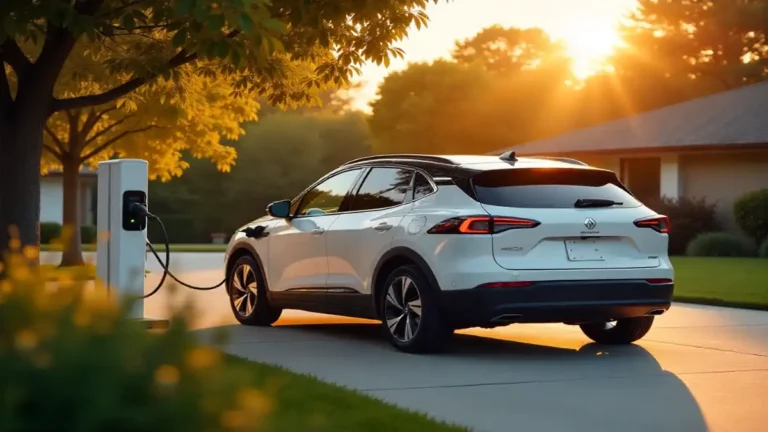
Let’s talk about what’s actually rolling off production lines in 2025. The electric vehicles available today would make 2020-era EVs look like beta versions. We’re seeing real-world ranges that consistently hit 400+ miles on a single charge, with some models pushing toward 500 miles. That’s more than most people drive in a week, let alone a day.
But here’s what really gets me excited: the variety. You’re no longer choosing between a handful of models that all look vaguely similar. Want an electric pickup truck that can tow 10,000 pounds? Done. Need a compact city car for zipping through tight urban spaces? There are dozens of options. Dreaming about a luxury electric SUV with all the bells and whistles? Take your pick from multiple manufacturers.
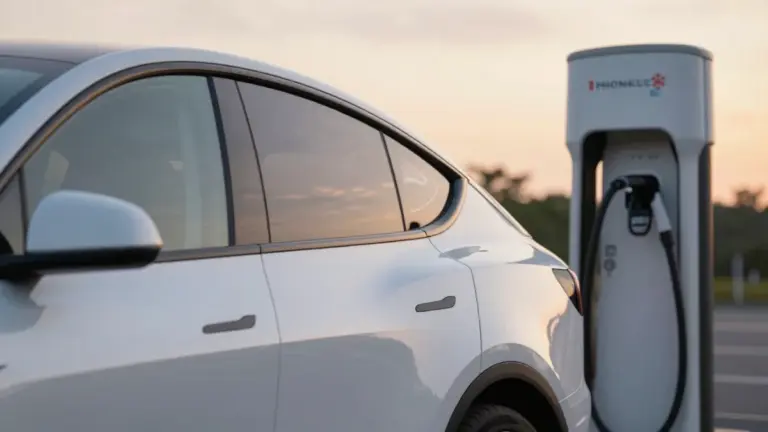
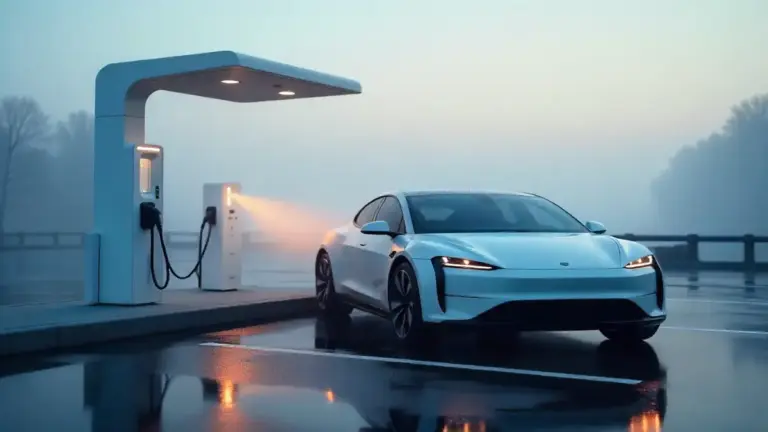
The charging speed improvements are equally impressive. Modern EVs equipped with the latest 800-volt architecture can add 200 miles of range in about 15 minutes. Think about that—less time than it takes to grab lunch, and you’re back on the road. We’ve reached the point where charging stops feel more like convenient breaks rather than frustrating delays.
The Price Point Puzzle Is Solving Itself
One of the biggest questions I get asked is: “When will EVs actually be affordable for average families?” The answer is increasingly “right now.” Battery costs have dropped by roughly 60% since 2020, and that’s translating directly to lower sticker prices. Several automakers now offer compelling electric models in the $30,000-$35,000 range—and that’s before federal and state incentives, which can knock another $7,500 or more off the price.
Used EV prices are becoming particularly interesting. As more vehicles come off lease and hit the second-hand market, people are finding well-maintained three-year-old electric cars for prices that make traditional used car shopping look expensive by comparison. Plus, you’re inheriting the lower maintenance costs and fuel savings from day one.
Charging Infrastructure: The Network Effect in Action
Finding a Charger Is No Longer a Scavenger Hunt
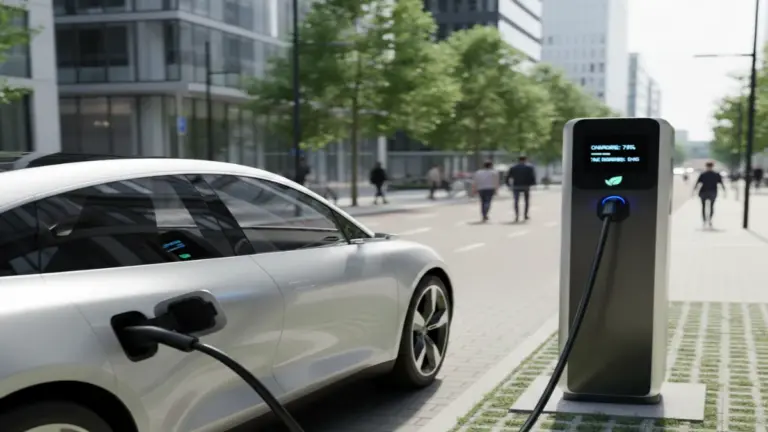
Remember the anxiety of planning road trips around the handful of charging stations available just a few years ago? That’s becoming ancient history. The charging network in 2025 has reached what I call “critical mass”—the point where you don’t really think about it anymore, much like gas stations.
Major charging networks have deployed ultra-fast chargers across highways and in urban centers. We’re talking about sites with 8, 12, sometimes 20+ charging stalls in high-traffic areas. And here’s the kicker: these aren’t the temperamental chargers of yesteryear. Reliability rates have soared above 95% for major networks, meaning when you pull up, it actually works.
The locations are getting smarter, too. Chargers are popping up where you’d naturally spend 20-30 minutes anyway: grocery stores, shopping centers, movie theaters, restaurants. The charging experience is integrating seamlessly into your daily routine rather than requiring special detours.
The Technology Behind the Plugs
Let’s geek out for a moment about what’s actually happening with charging technology. The shift toward higher voltage systems (like the 800-volt platforms I mentioned earlier) is a game-changer. Combined with liquid-cooled charging cables that can handle up to 350 kW of power, we’re seeing charging speeds that seemed impossible just a few years ago.
Wireless charging is also moving from “interesting concept” to “actually available.” Several automakers now offer models with integrated wireless charging capability, letting you simply park over a charging pad and walk away. It’s convenient for fleet operators and home users alike, though the technology is still catching up to plug-in speeds.
And here’s something that doesn’t get enough attention: vehicle-to-grid (V2G) technology. Your EV isn’t just drawing power from the grid anymore—it can send power back. During peak demand periods or power outages, your car’s battery can become a backup power source for your home or even contribute to grid stability. This two-way relationship is transforming how we think about energy storage.
Micromobility: The Small Revolution Making Big Impacts
E-Bikes and Scooters Aren’t Just for Fun Anymore
I’ll admit it—I was skeptical about e-bikes at first. They seemed like toys for weekend warriors. But watching how people actually use them in 2025 has completely changed my perspective. These aren’t recreational devices; they’re legitimate transportation solutions, especially for urban environments.
E-bikes have matured into reliable workhorses. Battery ranges of 40-80 miles are common, with removable batteries you can charge at your desk. They’re replacing short car trips, easing parking nightmares, and cutting commute times in congested cities. And let’s be honest—arriving at work without being drenched in sweat compared to a traditional bike? That’s a genuine quality-of-life improvement.
Electric scooters have similarly evolved from flimsy rental units to robust personal transportation devices. The latest models feature better suspension, longer range, and safety features that make them viable alternatives for commutes up to 5-10 miles. I’m seeing more professionals in business attire riding these to work, and it no longer looks out of place.
The Infrastructure Catching Up
Cities are finally building the infrastructure these devices need. Protected bike lanes are expanding in urban centers, and some cities have dedicated light electric vehicle lanes that separate micromobility from both car traffic and pedestrians. Secure parking facilities with charging stations are becoming standard at transit hubs, office buildings, and apartment complexes.
This integration with public transit is particularly clever. Take an e-scooter to the train station, fold it up or lock it securely, ride the train downtown, then complete the last mile on your scooter. These multimodal journeys are becoming the norm rather than the exception, and they’re dramatically reducing car dependency.
Autonomous Vehicles: From Hype to Reality
Where We Actually Are with Self-Driving
Let’s cut through the hype and talk honestly about autonomous vehicles in 2025. We don’t have fully self-driving cars available to the general public yet, despite what some headlines might suggest. What we do have is increasingly sophisticated driver assistance systems and limited autonomous services in specific areas.
Several cities now have robotaxi services operating in defined zones. These aren’t science fiction—they’re real vehicles carrying real passengers without human drivers, though often with safety operators ready to intervene. The technology works reliably in these controlled environments with good weather and well-mapped streets.
For personal vehicles, advanced driver assistance has reached impressive levels. Lane-keeping, adaptive cruise control, automated parking, and highway self-driving are becoming standard on many models. You still need to pay attention and keep your hands ready, but these systems genuinely reduce driver fatigue and improve safety on long trips.
The Sustainability Connection
Here’s why autonomous vehicles matter for clean transportation: efficiency. Self-driving systems can optimize routes, maintain ideal speeds for energy efficiency, and coordinate with other vehicles to reduce congestion. Early data from autonomous taxi services shows they’re using about 20-30% less energy per mile than human-driven equivalents.
When you combine autonomous technology with electric powertrains and ride-sharing models, you get a powerful sustainability trifecta. Fewer vehicles on the road, zero direct emissions, and optimized usage patterns. Cities experimenting with autonomous electric shuttles for first-mile/last-mile connections are seeing measurable reductions in private car use.
Smart Cities and Integrated Transportation Systems
The Big Picture: Everything Connecting
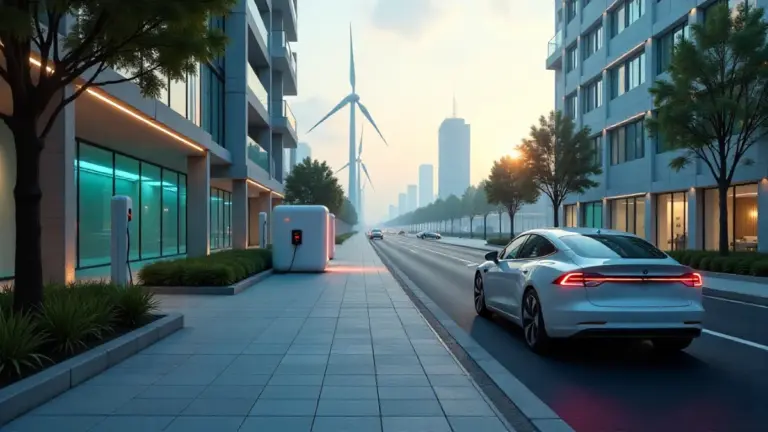
The real magic happening in 2025 isn’t any single technology—it’s how everything is connecting into integrated transportation ecosystems. Smart city platforms are bringing together EVs, public transit, micromobility, and ride-sharing into seamless networks you can navigate through a single app.
Imagine this: you check your phone, and it shows you the fastest route downtown combining your e-bike, the subway, and a shared electric scooter for the last leg. The app books your subway ticket, reserves the scooter, and even suggests the optimal time to leave based on real-time traffic and transit schedules. This level of integration is rolling out in forward-thinking cities around the world.
Traffic management is getting smarter, too. AI systems monitor congestion and adjust traffic signals in real-time to keep vehicles moving efficiently. Some cities are implementing dynamic pricing for road use and parking that encourages people to choose sustainable options or travel during off-peak times.
The Data Driving Decisions
All these connected systems generate massive amounts of data, and cities are using it to make better infrastructure decisions. They’re identifying where to place new charging stations based on usage patterns, adjusting bus routes based on actual demand, and prioritizing bike lane construction where it’ll have the biggest impact.
Privacy concerns are real and important—nobody wants their every movement tracked—but the anonymized, aggregated data is genuinely valuable for urban planning. The cities doing this well are being transparent about data collection and giving residents control over their information.
Challenges and Honest Conversations
It’s Not All Smooth Sailing
I’d be doing you a disservice if I pretended everything was perfect. The transition to electric mobility and sustainable transportation faces real challenges that we need to acknowledge and address.
Grid capacity is a legitimate concern. Adding millions of EVs creates significant new electricity demand. The good news is that most charging happens overnight during off-peak hours, and renewable energy generation is expanding rapidly. But we need continued investment in grid infrastructure and smart charging systems that distribute load effectively.
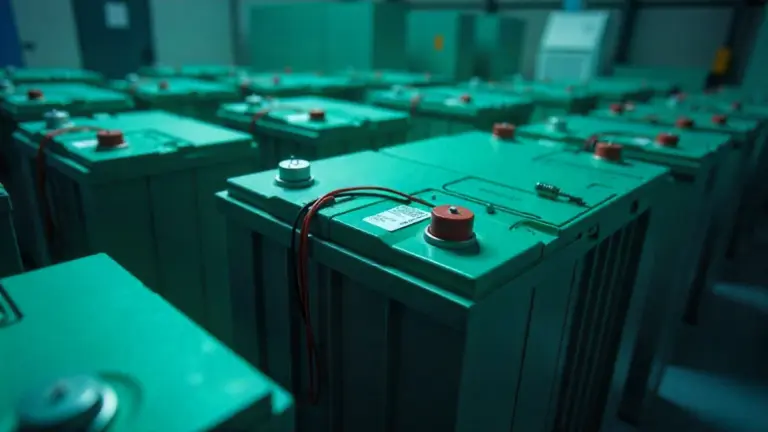
The mining and production of batteries raises environmental and ethical questions. Lithium, cobalt, and other materials require resource-intensive extraction. The industry is responding with better recycling programs, alternative battery chemistries that use more abundant materials, and improved supply chain transparency. But these are ongoing challenges, not solved problems.
Equity matters, too. While EV prices are dropping, they’re still out of reach for many families. Charging infrastructure is denser in affluent areas than in working-class neighborhoods. We need policies and programs that ensure the benefits of clean transportation are accessible to everyone, not just early adopters with disposable income.
Looking These Challenges in the Eye
The existence of these challenges doesn’t mean we should slow down—quite the opposite. They’re the growing pains of a massive industry transformation, and addressing them requires continued innovation, thoughtful policy, and public investment. The trajectory is clearly positive, even if the path isn’t perfectly smooth.
What This Means for You: Practical Takeaways
If You’re Considering an EV
Now is genuinely one of the best times to make the switch. You have more vehicle choices than ever, charging infrastructure is robust in most areas, and prices are increasingly competitive. Do your homework on range requirements (most people find they need less than they think), explore what charging options work for your situation, and don’t forget to factor in the incentives available in your area.
Test drive multiple models. The difference between brands in terms of driving dynamics, interior quality, and technology interface can be substantial. Find the one that fits your life, not just the one with the highest range or fastest acceleration.
If You’re Staying with Combustion (For Now)
That’s okay! Not everyone is ready to make the switch, and that’s perfectly legitimate. But consider how you might integrate other forms of sustainable transportation into your life. Could an e-bike handle some of your shorter trips? Might public transit work for your commute if you give it another try?
Even small changes add up when millions of people make them. You don’t have to be all-in on electric vehicles to contribute to cleaner transportation.
For Urban Planners and Policy Folks
The cities winning at sustainable transportation are those taking integrated approaches. It’s not just about adding EV chargers or bike lanes in isolation—it’s about creating systems where all the pieces work together. Engage with your communities, invest in infrastructure that serves everyone, and be bold in trying new approaches.
Conclusion: The Future Is Electric (and It’s Already Here)
We’re at an inflection point in transportation history, and 2025 is proving to be more transformative than I dared hope even a few years ago. Electric mobility isn’t a niche interest or a luxury anymore—it’s becoming the mainstream, default option for how we move around.
The innovations we’ve explored—from long-range EVs and ultra-fast charging to micromobility and autonomous vehicles—aren’t separate trends. They’re all pieces of a larger puzzle, creating transportation systems that are cleaner, more efficient, and frankly more enjoyable to use.
Yes, challenges remain. The transition to sustainable transportation requires continued investment, thoughtful policy, and technological innovation. But the momentum is undeniable, and it’s accelerating. Every month brings new vehicle models, expanded charging networks, and smarter integration of transportation systems.
For me, the most exciting part isn’t any single technology—it’s watching how all these pieces are coming together to reshape our cities and our lives. The air is getting cleaner. Streets are becoming quieter and safer. People have more transportation choices than ever before.
Whether you’re ready to buy your first EV, considering an e-bike for your commute, or simply curious about where transportation is headed, I encourage you to stay engaged with these developments. Try new transportation modes when you get the chance. Support policies that promote sustainable infrastructure. And keep asking questions about how we can make our transportation systems work better for everyone.
The future of mobility is electric, connected, and surprisingly human-centered. And honestly? That future is looking pretty good from where I’m sitting.
Ready to explore electric vehicles for yourself? Start by identifying your typical driving patterns and researching models that fit your needs. Visit charging networks in your area to see how convenient they really are. The best way to understand this revolution is to experience it firsthand.
Connect with me for more insights on electric vehicles and sustainable transportation. The conversation is just getting started, and I’d love to hear your experiences and questions as we navigate this exciting transition together.