You know that feeling when you’re running late, stuck in traffic, or circling the block for the third time looking for parking? Yeah, we’ve all been there. But here’s something that might change your daily commute game entirely: e-bike sharing programs are popping up in cities and towns across the country, and there’s probably one closer than you think.
I’ll be honest—when I first saw those brightly colored e-bikes stationed on street corners, I thought they were just another tech fad that would fade away. But after trying one on a whim during a particularly frustrating parking situation, I became a convert. These aren’t your childhood bicycles; they’re electric-assisted machines that can turn your sweaty, exhausting uphill ride into a breezy cruise. And the sharing part? That means no storage hassles, no maintenance headaches, and no long-term commitment.
Let me walk you through everything you need to know about finding and using e-bike sharing programs in your area. Whether you’re looking to ditch your car for short trips, explore your city from a new perspective, or just try before you buy your own e-bike, this guide has you covered.
What Exactly Are E-Bike Sharing Programs?
Think of e-bike sharing as the evolved cousin of traditional bike-sharing systems. You’ve probably seen regular bike-share programs in major cities—those rows of identical bikes you can rent by the hour. E-bike sharing takes that concept and supercharges it, literally.
These programs provide electric bicycles equipped with pedal-assist motors that give you an extra boost when you’re riding. You don’t need to own the bike, maintain it, or even worry about where to store it overnight. Simply locate one through an app, unlock it with your smartphone, ride wherever you need to go, and leave it at your destination (following local parking rules, of course).
The beauty of e-bikes compared to regular bikes? That motor assistance means you can arrive at your destination without breaking a sweat—perfect for work commutes where showing up drenched isn’t exactly professional. Hills that would normally have you gasping for air become manageable. Longer distances that seemed impractical suddenly become realistic options.
Most e-bike sharing programs operate on a dockless or hybrid system. Dockless means you can pick up and drop off bikes almost anywhere within a designated service area, while hybrid systems combine docking stations with some flexibility for parking elsewhere. This convenience factor is a game-changer compared to older bike-share models where you had to hunt for specific docking stations.
Major E-Bike Sharing Players in Your Neighborhood
Let’s talk about who’s actually operating these programs. The e-bike sharing landscape has evolved rapidly, with several major companies and local initiatives competing for riders.
Lime is one of the biggest names you’ll recognize, with their distinctive green e-bikes available in over 200 cities worldwide. They started with electric scooters but have expanded heavily into e-bikes, and their app makes finding and unlocking bikes incredibly straightforward. I’ve used Lime bikes in three different cities, and the consistency of their service is impressive—you generally know what you’re getting.
Lyft operates bike-sharing programs in major metropolitan areas including New York City (Citi Bike), Chicago (Divvy), and the San Francisco Bay Area. They’ve been adding more e-bikes to their fleets, though they also maintain traditional pedal bikes. The advantage with Lyft-operated systems is their integration with docking stations, which can make finding available bikes more predictable during peak times.
Uber has gotten into the micro-mobility game through its JUMP brand (though this has undergone several changes and partnerships). Where available, their e-bikes integrate with the main Uber app, making it convenient if you’re already using their ride-sharing services.
Spin, Veo, and Bird have also expanded beyond scooters into e-bikes in various markets. Each brings slightly different approaches—some focus on college campuses, others target downtown business districts, and some aim for comprehensive city coverage.
Don’t overlook local and regional programs, either. Many cities have partnered with these companies or launched their own initiatives. For example, some university towns have campus-specific programs, while certain municipalities operate their own non-profit bike-share systems with electric options. These local programs sometimes offer better rates for residents or students.
How to Actually Find E-Bike Programs Near You
Alright, enough background—let’s get practical. How do you find what’s available where you live or where you’re traveling?
Start with a simple search. I know this sounds obvious, but searching “e-bike sharing [your city name]” or “electric bike rental [your city]” will quickly show you what’s officially operating in your area. City transportation department websites often maintain lists of licensed micro-mobility operators.
Download the major apps. Even if you’re not ready to ride yet, downloading apps from Lime, Lyft, Uber, Spin, and other providers will show you their coverage maps. Open each app and check if your location falls within their service area. The apps display real-time bike availability, so you can see exactly how many e-bikes are nearby and where they’re located.
Check your city’s transportation website. Many municipalities have dedicated pages about micro-mobility options, complete with maps showing where bikes can be ridden and parked. Some cities require permits for operators, so the official website will list which companies are legally authorized to operate in your area.
Use consolidated discovery apps. Apps like Transit or Citymapper aggregate multiple transportation options, including various bike-share programs, into one interface. This is particularly useful if you live in a city with multiple operators—you can compare pricing and availability across all of them without switching between apps.
Look around you. Sometimes the most obvious method works best. If you’re walking around your downtown area, business district, or near transit stations, keep your eyes open for parked e-bikes. They’re usually branded with company logos and QR codes. Snap a photo of the company name, then search for their app.
Ask locals or check social media. Local Reddit communities, Facebook groups, or neighborhood apps like Nextdoor often have discussions about which bike-sharing programs work best in your area. Real user experiences can be invaluable, especially for learning about any quirks or issues with specific programs.
One thing I learned the hard way: service areas can be pretty specific. A program might operate in downtown but not reach residential neighborhoods just a mile away. Always check the coverage map before assuming you can use a bike to get home—I once rode an e-bike to a friend’s place only to discover it was outside the service area, meaning I’d get charged a hefty out-of-zone fee if I parked it there.
What to Expect: Pricing, Process, and Practical Considerations
Now that you know where to find these programs, let’s talk about what using them actually looks like and what it’ll cost you.
Pricing structures vary, but most programs follow a similar pattern. You’ll typically encounter:
- Unlock fees: Usually $1-$2 just to unlock and start your ride
- Per-minute rates: Generally $0.15-$0.40 per minute of riding
- Membership options: Monthly passes ranging from $10-$30 that include discounted rides or a certain number of free minutes
- Pause fees: Some programs charge if you lock the bike temporarily during your trip but aren’t ready to end the ride
Let me give you a real example: A 15-minute ride might cost you around $1 unlock fee plus $0.25 per minute, totaling $4.75. For occasional use, this is reasonable. But if you’re commuting daily, a monthly membership that gives you 30, 45, or 60 minutes per day could save you significant money—potentially bringing your per-ride cost down to $1-2.
The signup process is refreshingly simple. Download the app, create an account with your email, add a payment method (credit card or mobile payment), and you’re usually ready to ride within minutes. Some programs require you to upload a photo ID or verify your driver’s license, particularly if you’re under a certain age.
Actually riding is where the fun begins. Here’s the typical flow:
- Open the app and locate a nearby e-bike on the map
- Walk to the bike and scan its QR code or enter its ID number
- The app unlocks the bike (you’ll hear a beep or see a light)
- Adjust the seat height if needed (usually a quick-release lever)
- Familiarize yourself with the controls—typically a throttle or pedal-assist settings on the handlebars
- Check that the brakes work before you start moving
- Ride to your destination within the service area
- Park legally (not blocking sidewalks, ramps, or building entrances)
- End your ride in the app and make sure it’s locked
Pedal-assist versus throttle: This is important to understand. Most e-bike share bikes use pedal-assist, meaning the motor only kicks in when you’re pedaling. You can usually adjust the assistance level (low, medium, high) to control how much help you get. Some bikes include a throttle that provides power without pedaling, but these are less common in sharing programs due to regulatory restrictions in many cities.
The first time I rode an e-bike share bike, I wasn’t prepared for how quickly it accelerated with pedal assist on high. Start with a lower assistance level until you get a feel for it, especially if you’re navigating busy streets or bike lanes.

Tips for Making the Most of E-Bike Sharing
After dozens of rides across different programs, here are the insider tips that’ll make your experience smoother:
Battery life matters. Before you unlock a bike, the app usually displays its battery level. If you’re planning a longer trip, don’t grab a bike showing 20% battery—it might not make it. I once picked a low-battery bike for what I thought would be a quick trip, then decided to extend my ride, and the motor assistance died halfway up a hill. Not fun.
Timing is everything. E-bikes in business districts get snapped up during morning and evening rush hours. If you’re commuting, consider leaving 10 minutes earlier than usual to ensure you can find a bike. Alternatively, some apps let you reserve a bike for a few minutes, though this might cost extra.
Learn the parking rules. This cannot be stressed enough. Cities have specific regulations about where you can leave these bikes, and programs will charge you extra fees (sometimes $10-25) if you park improperly. Generally, bikes should be upright, out of pedestrian paths, not blocking wheelchair ramps, and away from bus stops or building entrances. Take a photo of where you parked in case there’s ever a dispute.
Safety first, always. Wear a helmet if you have one (some programs offer free or discounted helmets through partnerships with local shops). Obey traffic laws—you’re considered a vehicle, so stop at red lights, use hand signals, and ride in bike lanes where available. Check that lights work if you’re riding at dusk or night; most e-bikes have integrated front and rear lights.
Plan for weather and terrain. E-bikes handle rain better than you might think, but be cautious on wet roads where braking distances increase. The motor assistance makes hills manageable, but extremely steep climbs will still drain battery quickly and require some effort on your part.
Try before you commit. If you’re thinking about buying your own e-bike, bike-sharing programs offer a perfect opportunity to test different styles and see if e-biking fits your lifestyle. Spend a few weeks using share bikes for various trips—commuting, errands, recreation—before dropping $1,000+ on your own bike.
Compare programs. If multiple operators serve your area, test them all. I’ve found significant differences in bike quality, app reliability, and customer service between programs. One company’s bikes might have more comfortable seats, while another has better battery life or coverage in the neighborhoods you frequent most.
The Bigger Picture: Why This Matters
Let’s zoom out for a moment. E-bike sharing isn’t just about personal convenience—though that’s certainly a major benefit. These programs represent a shift in how we think about urban mobility and sustainability.
Transportation generates roughly one-third of greenhouse gas emissions in urban environments, with personal vehicles being major contributors. When you choose an e-bike for a short trip instead of driving, you’re making a tangible environmental impact. One study found that if just 15% of short car trips in cities were replaced with e-bike trips, carbon emissions could drop significantly.
The public health benefits are real too. Even with motor assistance, you’re still pedaling and engaging in physical activity. It’s not as intense as traditional cycling, but it’s far better than sitting in a car. For people who find regular cycling too strenuous or who worry about arriving sweaty, e-bikes remove those barriers to active transportation.
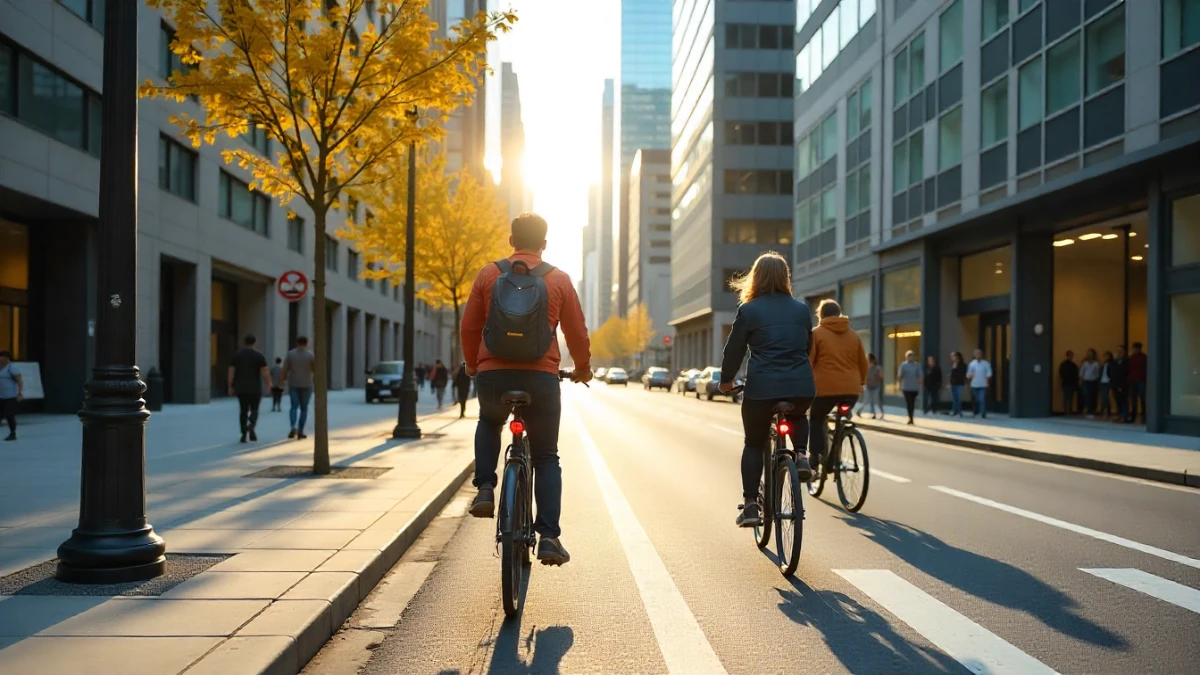
From an urban planning perspective, e-bikes take up far less space than cars—both while moving and when parked. Cities struggling with congestion and parking shortages are increasingly looking at micro-mobility as part of the solution. When bike-sharing works well, it can reduce pressure on public transit during peak hours and provide first-mile/last-mile connections that make overall public transportation more practical.
I’m not suggesting e-bike sharing will replace car ownership or solve all transportation challenges. But as part of a diverse mix of mobility options—walking, biking, transit, ride-sharing, and yes, personal vehicles when necessary—they fill an important niche for trips between 1-5 miles that are too far to walk comfortably but too short to justify the hassle of driving and parking.
What’s Coming Next
The e-bike sharing industry continues to evolve rapidly. Keep an eye out for these developing trends:
Improved battery technology means bikes are getting lighter with longer ranges. Some newer models can travel 40-50 miles on a single charge with moderate assistance, making them viable for longer commutes.
Better integration between different transportation modes is happening through apps and payment systems. Soon, you might plan and pay for a trip that combines subway, e-bike, and bus all through one interface.
Cargo e-bikes are starting to appear in some sharing fleets, with baskets or platforms designed for carrying groceries, packages, or even small children in attached seats. This expands the practical uses beyond just personal transportation.
Subscription models are becoming more sophisticated, with tiered options for casual users, regular commuters, and heavy users. Some programs now offer family or household plans.
Expanded coverage is pushing beyond downtown areas into suburbs and smaller cities. As the economics improve and demand grows, you’re likely to see e-bike sharing reach more communities over the next few years.
Your Next Steps
If you’ve read this far, you’re probably at least curious about trying e-bike sharing. Here’s what I recommend:
This week: Download 2-3 apps for programs operating in your area. Check their coverage maps and pricing. Most apps don’t charge you anything until you actually unlock a bike, so there’s no harm in exploring.
This month: Take a test ride on a weekend when you’re not in a hurry. Choose a route you know well—maybe to a coffee shop, park, or friend’s place—so you can focus on getting comfortable with the bike rather than navigation.
This quarter: If that first ride goes well, identify 2-3 regular trips where an e-bike could work: your commute, grocery shopping, gym visits, whatever. Try substituting the e-bike for your usual transportation method a few times to see if it fits your lifestyle.
Keep an open mind, but also be realistic. E-bike sharing isn’t perfect for every situation or every person. Weather, distance, cargo needs, physical limitations, and safety concerns are all legitimate factors. But for many of us, these programs offer a flexible, affordable, and genuinely enjoyable transportation option that we didn’t have before.
The next time you’re stuck in traffic or circling for parking, remember that there might be a better way sitting on a street corner nearby, fully charged and ready to go. Give it a shot. You might surprise yourself with how often that e-bike becomes your preferred way to get around town.