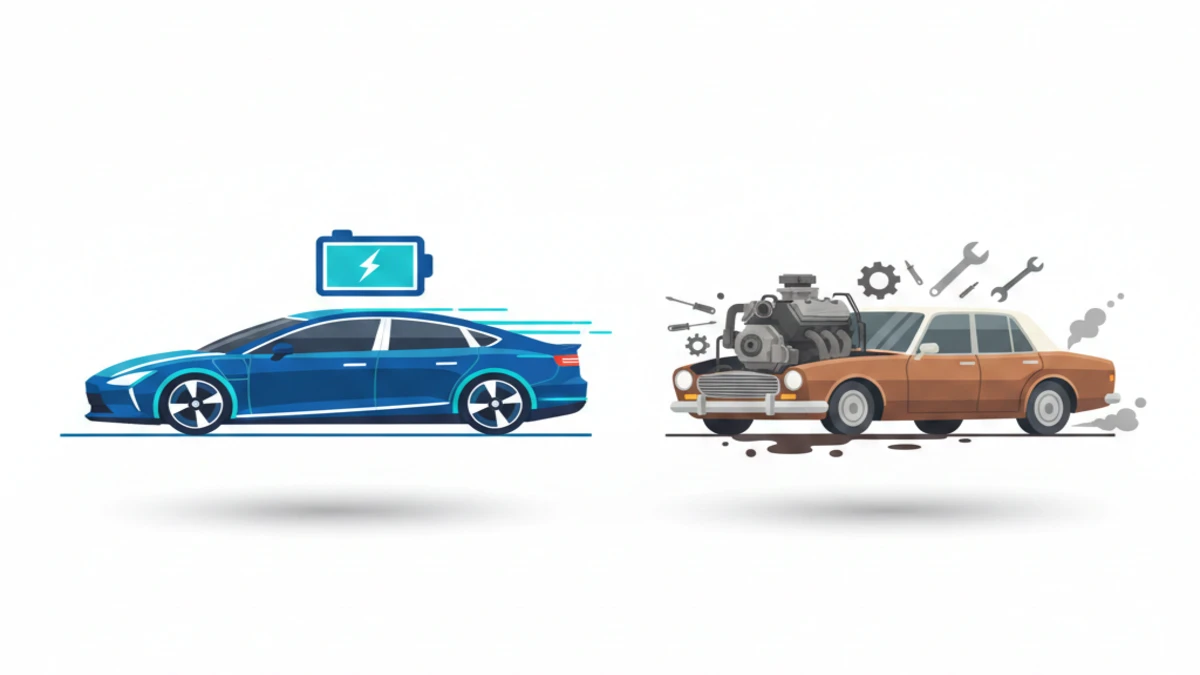
The automotive landscape is shifting with the rise of electric vehicle technology trends. As consumers consider making the switch, understanding the maintenance costs associated with electric and traditional vehicles is crucial.
Recent ev advancements have led to a significant decrease in maintenance needs for electric vehicles compared to their traditional counterparts. This shift is driven by the simpler design of electric vehicles, with fewer moving parts and no oil changes required.
Key Takeaways
- Electric vehicles have lower maintenance costs due to fewer moving parts.
- The simpler design of electric vehicles reduces the need for frequent repairs.
- Understanding maintenance costs is essential for consumers considering electric vehicles.
- EV advancements continue to drive down maintenance expenses.
- The shift to electric vehicles is changing the automotive maintenance landscape.
Understanding the Basics of Vehicle Maintenance
As electric car innovation continues to advance, understanding the maintenance needs of different vehicle types is crucial. The shift towards sustainable transportation developments has led to a growing interest in comparing the maintenance costs of electric and traditional vehicles.
How Traditional Vehicles Require Regular Maintenance
Traditional vehicles, powered by internal combustion engines, require regular maintenance to ensure optimal performance. This includes routine oil changes, filter replacements, and checks on belts and hoses. Regular maintenance is crucial to prevent engine wear and tear, and to address any potential issues before they become major problems.
For instance, failing to change the oil regularly can lead to engine sludge buildup, which can cause significant damage over time. Similarly, neglecting to replace worn-out brake pads can result in reduced stopping power and increased risk of accidents.
Why Electric Vehicles Have Different Maintenance Needs
Electric vehicles (EVs), on the other hand, have different maintenance needs due to their distinct powertrain and mechanical components. EVs have fewer moving parts compared to traditional vehicles, with the electric motor being a key differentiator. This results in reduced wear and tear on the vehicle, and subsequently, lower maintenance costs.
Moreover, EVs do not require oil changes, and their regenerative braking systems reduce the strain on brake pads. However, EV owners need to be mindful of battery health and ensure that their vehicle’s software is up-to-date.
EV vs Traditional Vehicle Maintenance Costs: A Detailed Breakdown
As the automotive landscape shifts towards electric vehicles, a detailed examination of maintenance costs reveals significant differences between EVs and traditional vehicles. The future of electric vehicles looks promising, not just in terms of environmental benefits but also in potentially lower maintenance costs.
How to Calculate Regular Service Expenses for Both Types
Calculating regular service expenses for EVs and traditional vehicles involves understanding their different maintenance needs. Traditional vehicles require regular oil changes, filter replacements, and other services that are not needed for EVs. For instance, EVs do not need oil changes, which can save owners around $100 to $200 per year. To calculate these expenses, owners should consider the manufacturer’s recommended service schedule and factor in the cost of parts and labor.
For traditional vehicles, regular services include oil changes, tire rotations, and brake pad replacements. In contrast, EVs require less frequent servicing, mainly focusing on tire rotations and brake checks, as regenerative braking reduces wear on brake pads.

Comparing Parts Replacement Schedules and Costs
Parts replacement is a significant aspect of vehicle maintenance. Traditional vehicles have more components that require replacement over time, such as engine parts, transmission components, and exhaust systems. EVs, on the other hand, have fewer moving parts, reducing the need for frequent replacements. However, EVs do require battery maintenance, although most manufacturers provide lengthy warranties on EV batteries.
When comparing parts replacement costs, it’s essential to consider the longevity of EV batteries and the potential savings from reduced maintenance needs. The integration of renewable energy sources for charging EVs further enhances their overall efficiency and environmental benefits.
Finding and Evaluating Specialized Service Centers
As the number of EVs on the road increases, finding specialized service centers has become more accessible. EV owners should look for service centers certified by the vehicle’s manufacturer, ensuring that technicians are trained to work on EVs. Evaluating service centers involves checking reviews, comparing prices, and assessing the range of services offered.
For both EVs and traditional vehicles, choosing the right service center can significantly impact maintenance costs and overall ownership experience. By doing thorough research, vehicle owners can make informed decisions that save them money and ensure their vehicles remain in good condition.
Key Maintenance Components and Their Cost Implications
The shift towards smart mobility solutions has sparked a debate on the maintenance costs of electric vehicles versus traditional vehicles. Understanding the key components that require maintenance in both types of vehicles is crucial for making informed decisions.
Maintaining Engines vs. Electric Motors
One of the most significant differences in maintenance between electric vehicles (EVs) and traditional vehicles lies in their powertrains. Traditional vehicles have complex engines with many moving parts, requiring regular maintenance such as oil changes and filter replacements. In contrast, EVs are powered by electric motors, which have fewer moving parts and do not require oil changes, significantly reducing maintenance needs.
Understanding Brake System Differences and Savings
EVs also offer advantages in terms of brake system maintenance. The regenerative braking system in EVs helps to reduce wear on brake pads, potentially leading to lower maintenance costs over time. Traditional vehicles, on the other hand, rely on conventional braking systems that wear out faster. This difference can result in significant savings for EV owners.
Managing Fluid Changes vs. Battery Care
Traditional vehicles require regular fluid changes, including engine oil, transmission fluid, and coolant, which can add up in maintenance costs. EVs, however, do not need oil changes, reducing their maintenance requirements. However, EV owners need to consider the cost of battery maintenance and potential replacement, although many manufacturers provide warranties that cover batteries for several years.
Optimizing Tire Maintenance for Both Vehicle Types
Tire maintenance is a common requirement for both EVs and traditional vehicles. Proper tire inflation, rotation, and alignment are essential for extending tire life and ensuring vehicle safety. While the cost of tire maintenance is similar for both types of vehicles, EV owners may need to check tire pressure more frequently due to the instant torque characteristics of EVs.
In conclusion, understanding the maintenance needs of EVs and traditional vehicles can help owners manage their costs effectively. As the electric vehicle market growth trends continue, being informed about these differences becomes increasingly important for consumers.
How to Track and Project Maintenance Costs Over 5 Years
Projecting maintenance costs for five years can help you compare the financial implications of owning an EV versus a traditional vehicle. As ev advancements continue to evolve, understanding these costs is crucial for making an informed decision.
To effectively track and project your maintenance costs, start by gathering data on the typical maintenance expenses associated with both types of vehicles. This includes routine services, parts replacement, and any specialized maintenance requirements.
Creating a Year-by-Year Maintenance Budget
Developing a year-by-year maintenance budget allows you to anticipate and plan for the costs associated with your vehicle. Start by identifying the maintenance tasks required for your vehicle type, then estimate the costs for each task. For EVs, this might include battery maintenance, while traditional vehicles may require more frequent oil changes.
Consider using a spreadsheet to track your expenses and project future costs. This will help you stay organized and ensure that you’re prepared for any upcoming maintenance needs.
Factoring in Depreciation and Resale Value
When calculating the total cost of ownership, it’s essential to factor in depreciation and resale value. EVs tend to depreciate at a different rate compared to traditional vehicles, and their resale value can be influenced by factors such as battery health and technological advancements.
Calculating Your Total Cost of Ownership
To calculate your total cost of ownership, sum up all the maintenance costs, depreciation, and other expenses over the five-year period. This comprehensive analysis will provide a clear picture of what to expect financially. By considering the impact of electric car innovation on maintenance costs, you can make a more informed decision about your vehicle choice.
By following these steps, you can gain a deeper understanding of the long-term financial implications of your vehicle choice and make a decision that aligns with your budget and preferences.
Practical Steps to Reduce Maintenance Expenses
Understanding how to reduce maintenance expenses is crucial for both traditional vehicle and EV owners looking to save money. As we move towards a more sustainable future, adopting practices that lower maintenance costs can significantly impact your overall savings.
DIY Maintenance Tasks for Traditional Vehicle Owners
Traditional vehicle owners can benefit from performing routine DIY maintenance tasks. Simple actions like checking and replacing air filters, monitoring tire pressure, and performing basic fluid checks can significantly reduce maintenance costs. For instance, replacing a dirty air filter can improve fuel efficiency by up to 10%.
Essential Maintenance Tips for EV Owners
EV owners can also take steps to minimize their maintenance expenses. Regularly checking tire pressure and ensuring proper wheel alignment can enhance the vehicle’s efficiency and prolong tire life. Moreover, keeping your EV’s software up to date is crucial for maintaining its performance and ensuring that any issues are addressed promptly.
How to Evaluate and Maximize Warranty Coverage
Understanding and maximizing your warranty coverage is a critical step in reducing maintenance expenses. For both traditional and electric vehicles, reviewing the warranty terms and conditions can help you identify what is covered and for how long. Keeping track of maintenance records and ensuring that all work is done by authorized dealers can help in making warranty claims.
| Maintenance Task | Traditional Vehicles | Electric Vehicles |
|---|---|---|
| Regular Checks | Oil changes, filter replacements | Tire pressure, software updates |
| Brake System | Regular inspections, pad replacements | Regenerative braking system checks |
| Warranty Coverage | Typically 3-5 years or 36,000-60,000 miles | Typically 8-10 years or 100,000 miles on battery |
By adopting these practical steps and understanding the specific needs of your vehicle, you can significantly reduce your maintenance expenses and contribute to the future of electric vehicles and sustainable transportation developments.
Conclusion
As the world shifts towards renewable energy integration and smart mobility solutions, the electric vehicle (EV) market is experiencing significant growth trends. Understanding the maintenance costs of EVs compared to traditional vehicles is crucial for making informed decisions.
The detailed breakdown of maintenance costs reveals that EVs generally have lower expenses due to fewer moving parts and no oil changes required. This results in cost savings for EV owners, making them an attractive option for those looking to reduce their environmental footprint.
When considering the total cost of ownership, factors such as depreciation, resale value, and maintenance expenses play a significant role. As the electric vehicle market continues to grow, it’s essential to evaluate these factors to make the most of your investment.
By choosing an EV, you’re not only reducing your maintenance costs but also contributing to a more sustainable transportation system. As smart mobility solutions become more prevalent, the benefits of EV ownership will continue to grow.