Picture this: You’re running late for work, but instead of sitting in bumper-to-bumper traffic, you check your smartphone and see that an autonomous shuttle arrives in three minutes, a bike-share station two blocks away has e-bikes available, and real-time traffic data suggests an alternate route that’ll save you 15 minutes. This isn’t science fiction—it’s smart city mobility planning in action.
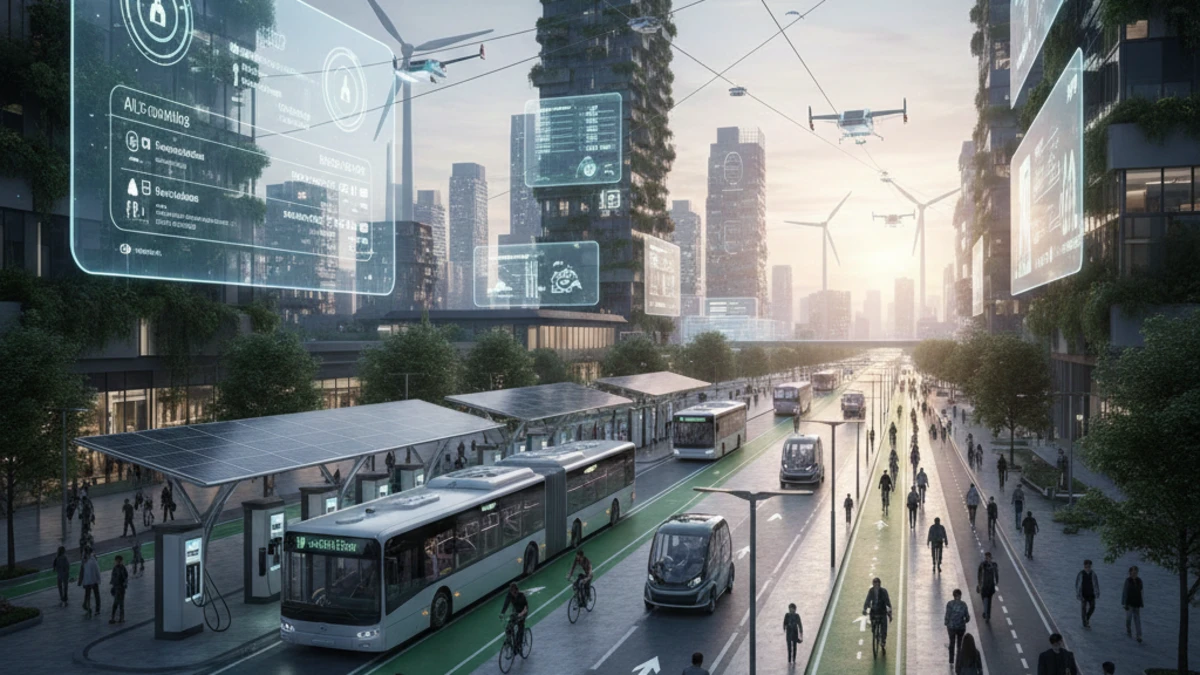
As cities worldwide grapple with congestion, pollution, and aging infrastructure, smart mobility planning has emerged as the blueprint for urban transportation’s future. By integrating electric vehicles, connected infrastructure, intelligent traffic systems, and data analytics, cities are reimagining how people move through urban spaces. The goal? Create transportation networks that are efficient, sustainable, accessible, and actually enjoyable to use.
In this article, you’ll discover how smart city mobility planning works, why electric vehicles are central to these initiatives, what technologies make it possible, and how cities around the world are already transforming their transportation landscapes. Whether you’re a city planner, an EV enthusiast, or simply curious about urban innovation, understanding smart mobility planning reveals where our cities are headed—and how we’ll get there.
What Is Smart City Mobility Planning?
Smart city mobility planning represents a fundamental shift from traditional transportation approaches. Instead of simply building more roads or adding bus routes, it uses technology, data, and integrated systems to optimize how people and goods move through urban environments.
At its core, smart mobility planning combines several key elements:
Integrated Transportation Networks: Rather than treating buses, trains, bikes, cars, and pedestrian infrastructure as separate systems, smart cities create seamless connections between all modes of transport. You might take an e-scooter to a train station, ride the train downtown, then grab an electric rideshare for the final mile—all coordinated through a single mobile app.
Data-Driven Decision Making: Cities collect and analyze massive amounts of real-time data from traffic sensors, GPS systems, parking meters, public transit vehicles, and even smartphone location data (anonymized, of course). This information reveals traffic patterns, identifies bottlenecks, predicts demand, and helps planners make evidence-based improvements.
Sustainable Transportation: Smart mobility planning prioritizes low-emission options, with electric vehicles playing a starring role. The goal is reducing carbon emissions, improving air quality, and creating healthier urban environments. According to the International Energy Agency, transportation accounts for nearly 24% of global CO2 emissions, making this transition critical.
User-Centric Design: The best smart mobility systems focus relentlessly on user experience. They ask: “What would make someone choose public transit over driving?” or “How can we make electric vehicle charging as convenient as possible?” The answer usually involves removing friction, improving reliability, and offering genuine convenience.
Think of smart mobility planning as creating an urban transportation ecosystem—where every element works together, adapts to changing conditions, and continuously improves based on real-world performance data.
The Electric Vehicle Foundation: Why EVs Are Central to Smart Cities
Electric vehicles aren’t just participants in smart city mobility—they’re essential building blocks. Here’s why EVs have become foundational to urban transportation planning:
Zero-Emission Urban Transport
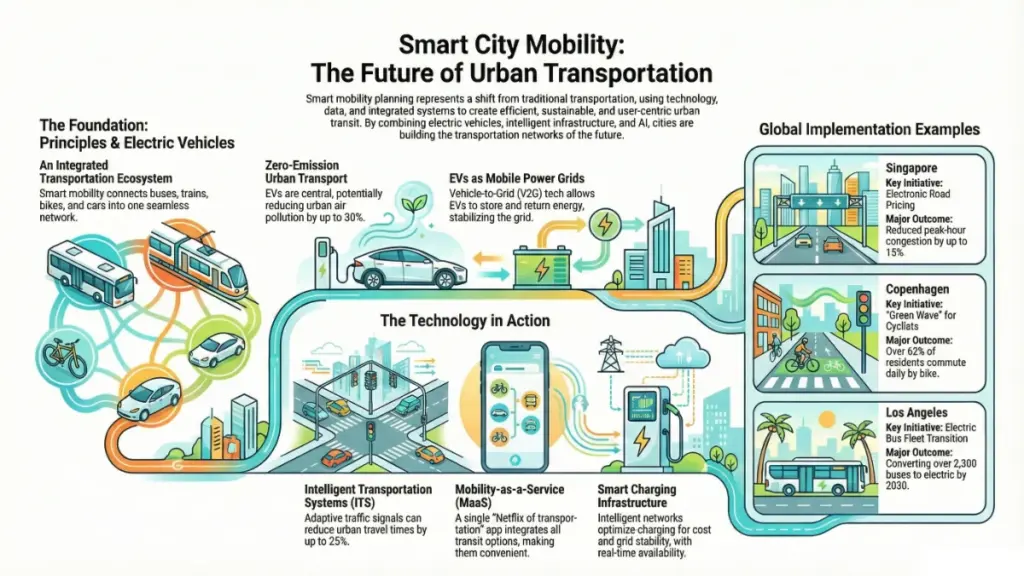
Cities face mounting pressure to improve air quality and meet climate commitments. Electric vehicles produce no tailpipe emissions, making them ideal for dense urban environments where pollution impacts public health most severely. A 2024 study by the European Environment Agency found that switching to electric public transit and delivery vehicles could reduce urban air pollution by up to 30% in major European cities.
When you’re stuck behind a diesel bus at a red light, you know exactly what I’m talking about—that cloud of exhaust is a thing of the past with electric buses.
Grid Integration and Energy Flexibility
Modern EVs don’t just consume electricity; they can store and return it to the grid through vehicle-to-grid (V2G) technology. This creates fascinating possibilities:
- Peak Shaving: EVs charge during off-peak hours when electricity is cheaper and cleaner, then feed power back during peak demand
- Renewable Energy Storage: Electric vehicle batteries can store excess solar and wind energy, helping cities maximize renewable resources
- Emergency Backup: During grid outages, EV batteries can power critical infrastructure or even homes
Several cities, including Utrecht in the Netherlands and San Diego, California, are already piloting V2G programs with electric bus fleets and municipal vehicles.
Data and Connectivity
Electric vehicles are essentially computers on wheels, generating valuable data about routes, energy consumption, charging patterns, and driver behavior. This information helps cities:
- Optimize charging infrastructure placement
- Predict electricity demand
- Improve traffic flow through connected vehicle systems
- Identify where transportation improvements would have the most impact
Quieter Urban Environments
Beyond emissions, EVs dramatically reduce noise pollution. Electric buses, delivery vans, and cars create significantly quieter streets, improving quality of life in residential neighborhoods and commercial districts. Cities like Oslo, Norway, report measurable reductions in urban noise levels as EV adoption increases.
Economic Efficiency
While EVs have higher upfront costs, their total cost of ownership is often lower—especially for high-mileage applications like buses, taxis, and delivery vehicles. Cities save money on fuel and maintenance while meeting sustainability goals. Los Angeles Metro estimates saving $400,000 annually in fuel and maintenance costs for every 10 diesel buses replaced with electric models.
Core Technologies Enabling Smart Mobility
Smart city mobility planning relies on a sophisticated technology stack that makes integrated, efficient transportation possible. Let’s break down the key innovations:
Intelligent Transportation Systems (ITS)
ITS encompasses the digital infrastructure that monitors and manages traffic flow in real-time. This includes:
Adaptive Traffic Signals: Instead of running on fixed timers, these signals adjust based on actual traffic conditions. Sensors detect vehicle presence, speed, and density, then optimize signal timing to reduce congestion. Cities like Pittsburgh have reduced travel times by up to 25% using adaptive systems.
Traffic Prediction Algorithms: Machine learning models analyze historical and real-time data to predict traffic patterns hours in advance. This allows cities to proactively manage congestion and helps commuters plan better routes.
Connected Vehicle Infrastructure: Vehicles communicate with traffic signals, parking systems, and each other (V2V and V2I communication) to coordinate movement and avoid collisions. This technology is particularly important for autonomous vehicle integration.
Mobility-as-a-Service (MaaS) Platforms
MaaS represents the “Netflix of transportation”—one app that integrates multiple mobility options into a seamless user experience. Instead of separate apps for buses, trains, bike-shares, and rideshares, you access everything through a single platform that:
- Shows all available transportation options for your route
- Compares costs, travel times, and environmental impact
- Handles payment for all services in one transaction
- Provides real-time updates and alternative routes if disruptions occur
Helsinki’s Whim app pioneered this concept, and cities worldwide are now developing similar platforms. The vision: make owning a personal car unnecessary by making shared, sustainable transportation more convenient.
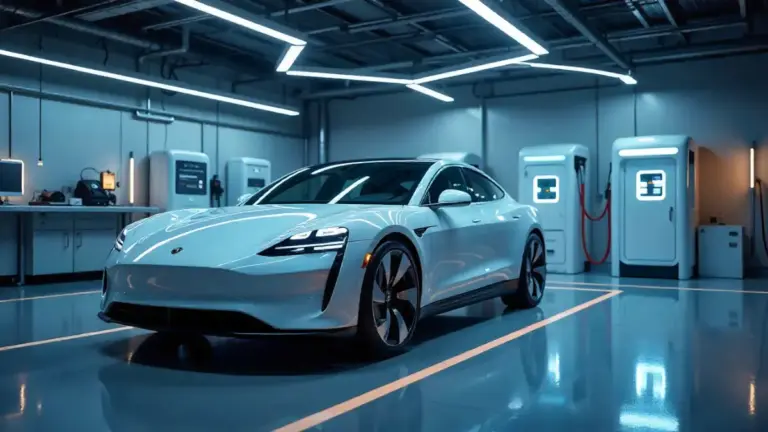
Smart Charging Infrastructure
For electric vehicles to work at scale, cities need intelligent charging networks that:
Optimize Energy Distribution: Smart chargers communicate with the grid to charge vehicles when electricity is cleanest and cheapest, often during overnight hours when renewable energy production exceeds demand.
Provide Convenient Access: Chargers located strategically at workplaces, shopping centers, parking garages, and residential areas ensure EV drivers can easily recharge. Apps show charger availability, location, and pricing in real-time.
Enable Fast Charging Corridors: High-speed DC fast chargers along major routes allow longer trips and reduce range anxiety. These chargers can add 100+ miles of range in 20-30 minutes.
Support Various Vehicle Types: From personal cars to electric buses and delivery trucks, smart charging infrastructure accommodates different power requirements and charging protocols.
Data Analytics and AI
The brain of smart mobility planning is sophisticated data analysis. Cities collect information from countless sources—traffic cameras, GPS systems, ticketing data, weather forecasts, event calendars—and use AI to:
- Identify patterns and predict future demand
- Optimize transit schedules and routes based on actual usage
- Detect problems before they cause major disruptions
- Simulate the impact of proposed infrastructure changes
- Personalize transportation recommendations for individual users
Barcelona, for example, uses AI to analyze data from 1,000+ sensors throughout the city, optimizing everything from parking availability to bus frequencies in real-time.
Autonomous Vehicle Technology
While fully autonomous vehicles aren’t yet common, they’re already being integrated into smart mobility planning:
- Autonomous Shuttles: Operating on fixed routes in controlled environments like university campuses, business districts, or airports
- Last-Mile Delivery: Self-driving delivery robots handling package delivery in pedestrian areas
- Future Integration: Cities are designing infrastructure today to accommodate autonomous vehicles tomorrow, including dedicated lanes, smart intersections, and communication systems
Real-World Smart City Mobility Success Stories
Let’s examine how cities worldwide are putting smart mobility planning into practice—because theory is interesting, but results are what matter.
Singapore: The Gold Standard
Singapore has invested heavily in smart mobility, earning recognition as one of the world’s most advanced smart cities. Their approach includes:
Electronic Road Pricing (ERP): A sophisticated congestion pricing system that charges vehicles for entering congested areas during peak hours. Prices adjust in real-time based on traffic conditions, genuinely reducing congestion by up to 15% during implementation.
Integrated Public Transit: Singapore’s Mass Rapid Transit (MRT) system connects seamlessly with buses, and the government actively discourages private car ownership through high taxes and limited parking. The result? Over 60% of trips are made via public transportation.
Autonomous Vehicle Trials: The city-state is testing self-driving buses and shuttles in several districts, with plans for broader deployment. They’re also developing infrastructure specifically designed for autonomous vehicle integration.
Data-Driven Planning: Singapore’s Land Transport Authority uses extensive data analytics to optimize routes, predict maintenance needs, and improve service reliability. Their trains achieve 99.9% on-time performance—something many cities can only dream about.
Amsterdam: Cycling Meets Electric Innovation
Amsterdam has long been famous for cycling infrastructure, but they’re now integrating electric vehicles and smart technology:
Electric Boat Network: Given Amsterdam’s canal system, they’re introducing electric water taxis and encouraging electric canal boats, reducing both noise and water pollution in historic waterways.
Smart Parking: The city uses sensors and apps to guide drivers to available parking spaces, reducing time spent circling for spots (which contributes significantly to urban congestion). They’re also converting parking spaces to bike lanes and green space in the city center.
EV Charging Network: Amsterdam has installed thousands of public charging stations, including charging lamp posts that serve dual purposes. They’re targeting complete phase-out of gasoline and diesel cars by 2030.
Integrated Mobility App: Residents can plan trips combining bikes, electric scooters, trams, and trains through a single platform, with real-time availability and pricing information.
Los Angeles: Transforming Car Culture
Los Angeles might seem an unlikely smart city success story given its car-centric reputation, but the city is making impressive strides:
Electric Bus Fleet Transition: LA Metro is converting its entire bus fleet—over 2,300 buses—to electric by 2030. This represents one of the largest electric bus deployments in North America and will eliminate an estimated 1.6 million tons of CO2 emissions annually.
Smart Traffic Management: The city has deployed adaptive traffic signals across major corridors, reducing travel times and improving traffic flow. They’re also using AI to predict traffic patterns and optimize signal timing citywide.
Mobility Hubs: LA is creating “mobility hubs” where multiple transportation options converge—bike-shares, e-scooters, transit stops, EV charging, and rideshare pickup zones. These hubs make it easier to combine different transportation modes for a single trip.
Data-Driven Infrastructure: The city analyzes data from millions of trips to identify where infrastructure improvements would have the greatest impact, targeting investments where they’ll actually reduce congestion and improve safety.
Copenhagen: The 15-Minute City
Copenhagen exemplifies how smart planning can create a city where everything you need is within 15 minutes by bike or public transit:
Cycling Superhighways: Protected, high-speed cycling routes connect suburbs to the city center, making bike commuting faster and safer than driving for many residents. Over 62% of Copenhagen residents commute by bike daily.
Intelligent Street Lighting: LED streetlights adjust brightness based on pedestrian and cyclist presence, saving energy while improving safety. The system also collects (anonymized) data on movement patterns to inform planning decisions.
Green Wave for Cyclists: Traffic signals are timed so cyclists maintaining 20 km/h hit green lights consecutively—a “green wave” that makes cycling more efficient and enjoyable than stopping at every intersection.
Electric Public Transit Integration: Buses, metros, and the planned expansion of electric ferries all connect seamlessly, with payment and routing handled through integrated apps.
Challenges and Solutions in Smart Mobility Planning
Despite impressive progress, implementing smart city mobility faces real obstacles. Understanding these challenges—and how cities are addressing them—provides a realistic picture of what’s involved.
Infrastructure Investment Costs
The Challenge: Upgrading transportation infrastructure is expensive. Installing EV charging networks, adaptive traffic systems, and connected infrastructure requires substantial upfront investment that many cities struggle to fund.
Solutions in Practice:
- Public-Private Partnerships: Cities partner with private companies who install and operate charging infrastructure, sharing revenue from usage fees
- Phased Implementation: Rather than citywide deployment, cities start with pilot programs in specific districts, prove value, then expand gradually
- Federal Funding: In the U.S., the Infrastructure Investment and Jobs Act allocated $7.5 billion specifically for EV charging infrastructure, helping cities overcome funding barriers
- Monetizing Data: Some cities generate revenue by providing (anonymized) transportation data to businesses for planning purposes
Digital Divide and Equity Concerns
The Challenge: Smart mobility solutions often rely on smartphones and digital literacy, potentially excluding lower-income residents, elderly populations, and those without reliable internet access.
Solutions in Practice:
- Multiple Access Points: Maintaining traditional payment options (cash, physical tickets) alongside digital systems
- Community Digital Literacy Programs: Offering free training on using mobility apps and digital payment systems
- Subsidized Connectivity: Some cities provide free public Wi-Fi throughout transit systems and public spaces
- Equity-First Planning: Explicitly prioritizing smart mobility improvements in underserved neighborhoods rather than only affluent areas
Los Angeles, for example, ensures that at least 40% of EV charging infrastructure is installed in disadvantaged communities, addressing both environmental justice and access concerns.
Data Privacy and Security
The Challenge: Smart mobility generates enormous amounts of personal data about where people go, when they travel, and how they move through cities. This raises legitimate privacy concerns and creates cybersecurity risks.
Solutions in Practice:
- Data Anonymization: Aggregating and anonymizing data so individual movements can’t be tracked
- Transparent Data Policies: Clearly communicating what data is collected, how it’s used, and who has access
- Opt-In Systems: Allowing residents to choose whether to share detailed movement data in exchange for personalized services
- Strong Cybersecurity: Implementing robust security measures to protect transportation systems from hacking or manipulation
The European Union’s General Data Protection Regulation (GDPR) provides a framework many cities follow, ensuring data practices meet strict privacy standards.
Integration Complexity
The Challenge: Legacy transportation systems, different technology vendors, and competing priorities make creating truly integrated mobility networks technically complex.
Solutions in Practice:
- Open Data Standards: Requiring systems to use common data formats and APIs that allow different platforms to communicate
- Centralized Coordination: Establishing dedicated smart city offices that oversee integration across departments and vendors
- Pilot Programs: Testing integration on small scales before citywide deployment, working out technical issues incrementally
- Vendor Collaboration Requirements: Making interoperability a requirement in contracts with technology providers
Behavior Change Resistance
The Challenge: Even with great infrastructure, getting people to change transportation habits—especially abandoning personal car use—is difficult.
Solutions in Practice:
- Convenience First: Making alternatives genuinely more convenient than driving, not just cheaper or more sustainable
- Financial Incentives: Offering subsidies for public transit passes, bike purchases, or EV charging
- Gamification: Apps that reward sustainable transportation choices with points, discounts, or recognition
- Targeted Marketing: Campaigns highlighting time saved, money saved, and health benefits rather than just environmental messaging
Copenhagen’s success didn’t happen overnight—it took decades of consistent investment and cultural shift. The key is making sustainable options the easiest choice, not just the “right” choice.
The Future of Smart City Mobility: What’s Next?
Smart mobility planning continues evolving rapidly. Here’s where the field is headed based on current developments and emerging technologies:
Fully Autonomous Public Transit
While autonomous vehicles face regulatory and technical hurdles for private use, public transit deployment is progressing faster. Expect to see:
- Dedicated Autonomous Bus Lanes: Operating on fixed routes with dedicated infrastructure, reducing complexity
- On-Demand Micro-Transit: Small autonomous shuttles that adjust routes based on real-time demand, filling gaps between major transit lines
- 24/7 Service: Without driver labor costs, autonomous transit can run continuously, improving access to late-night or early-morning transportation
Several Chinese cities are already deploying autonomous bus networks, and European cities are close behind.
Advanced AI for Predictive Planning
Artificial intelligence will move beyond optimizing current systems to fundamentally reimagining transportation:
- Predictive Maintenance: AI detecting potential infrastructure failures before they occur, preventing disruptions
- Dynamic Pricing: Real-time adjustment of transit and parking prices to manage demand and reduce congestion
- Personalized Mobility: AI-powered apps that learn your patterns and proactively suggest optimal transportation based on your schedule, preferences, and current conditions
Urban Air Mobility
Electric vertical takeoff and landing (eVTOL) aircraft—basically electric air taxis—are moving from concept to reality:
- Short-Distance Flights: Connecting airports to city centers or spanning cities divided by geography (think San Francisco to Oakland)
- Emergency Services: Electric air ambulances providing rapid response in congested cities
- Cargo Delivery: Drones and larger electric aircraft moving goods without adding to street traffic
Companies like Joby Aviation and Lilium are conducting test flights with plans for commercial service by 2025-2026 in select cities.
Blockchain for Mobility Payments
Blockchain technology could revolutionize how mobility services are paid for and coordinated:
- Seamless Cross-Border Travel: Using cryptocurrency or blockchain tokens to pay for transportation across different cities and countries
- Decentralized Mobility Networks: Peer-to-peer vehicle sharing and ride coordination without centralized platforms
- Automated Micro-Transactions: Paying for exactly what you use—down to the second or meter—without transaction fees
Renewable Energy Integration
Smart cities will increasingly integrate mobility and energy systems:
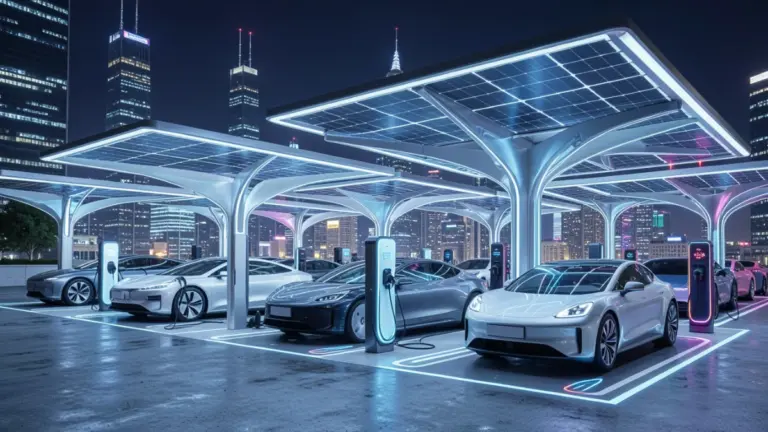
- Solar-Powered Charging Stations: EV chargers powered directly by solar panels, reducing grid demand
- Vehicle-to-Everything (V2X): EVs powering homes, businesses, and grid infrastructure, creating distributed energy storage
- Smart Grid Optimization: AI coordinating when and where EVs charge based on renewable energy availability, maximizing clean energy use
How to Get Started: Practical Steps for Cities and Individuals
Whether you’re a city planner, elected official, or engaged citizen, here’s how to participate in the smart mobility transformation:
For City Leaders and Planners
Start with Data: Before making major investments, understand your current transportation patterns. Conduct comprehensive surveys, analyze existing data sources, and identify your city’s specific pain points. What works in Singapore might not work in Detroit.
Pilot Before Scaling: Test new technologies and approaches in limited areas first. Copenhagen’s cycling infrastructure didn’t appear overnight—it started with a few protected lanes and expanded based on proven success.
Prioritize Equity: Ensure smart mobility improvements benefit all residents, not just affluent neighborhoods. Explicitly include equity metrics in planning goals and measure outcomes.
Engage Communities: The best smart mobility plans emerge from genuine community input. Host public forums, conduct surveys, and involve residents in decision-making—they know their neighborhoods better than any consultant.
Think Multimodal: Resist the temptation to focus solely on one transportation mode. True smart mobility integrates cars, bikes, transit, walking, and emerging options into a cohesive system.
For Individuals
Vote with Your Choices: Use sustainable transportation when available. Every trip on public transit, bike, or EV demonstrates demand and justifies further investment.
Provide Feedback: When your city launches new mobility programs, participate and provide constructive feedback. Planners need real user input to improve systems.
Stay Informed: Attend city council meetings when transportation is discussed, join local advocacy groups, and engage with planning processes in your community.
Consider an EV for Your Next Vehicle: Personal EV adoption accelerates infrastructure development and demonstrates market demand that encourages further investment.
Support Smart Policy: Advocate for policies that prioritize sustainable transportation—dedicated bike lanes, congestion pricing, EV incentives, and public transit funding.
Conclusion: The Road Ahead
Smart city mobility planning represents more than just better transportation—it’s reimagining how we design and experience urban life. By integrating electric vehicles, intelligent infrastructure, data analytics, and user-centered design, cities can create transportation systems that are cleaner, more efficient, more equitable, and genuinely enjoyable to use.
The transition won’t happen overnight. It requires significant investment, overcoming technical challenges, changing ingrained behaviors, and maintaining long-term political commitment. But cities worldwide are proving it’s not only possible—it’s already happening.
Key Takeaways:
- Smart mobility planning integrates multiple transportation modes through technology, data, and intelligent infrastructure
- Electric vehicles are foundational to smart cities, offering zero emissions, grid integration, and valuable data
- Technologies like AI, IoT, and connected infrastructure enable real-time optimization and user-friendly experiences
- Successful cities prioritize equity, start with pilot programs, and design for people rather than just efficiency
- The future includes autonomous transit, urban air mobility, and deep integration between transportation and renewable energy systems
Your Next Steps:
If you’re involved in city planning, start small—pilot a bike-share program, install adaptive traffic signals on one corridor, or launch a mobility app trial in one neighborhood. Prove value, learn lessons, and expand gradually.
If you’re a resident, make sustainable transportation choices when possible, provide feedback on city initiatives, and advocate for policies that prioritize smart mobility investments in your community.
The cities that thrive in the coming decades will be those that move beyond car-centric planning to create truly multimodal, sustainable, intelligent transportation systems. Smart city mobility planning isn’t about abandoning personal freedom or forcing everyone onto buses—it’s about providing genuine choice, improving quality of life, and building urban environments where getting around is easy, affordable, and sustainable.
The future of urban transportation is electric, connected, and smarter than ever. The question isn’t whether smart mobility planning will transform our cities—it’s whether your city will lead the transformation or catch up later. The road ahead is clear; it’s time to start moving forward.