You might think electric cars are virtually maintenance-free since they don’t have traditional engines, right? Well, here’s something that surprises many new EV owners: your electric vehicle still needs coolant, and yes, you’ll need to maintain it. I remember when my neighbor bought his first Tesla and assumed he’d never have to pop the hood again—until his service reminder mentioned a coolant check. His confused expression? Priceless.
The truth is, while EVs eliminate oil changes and many traditional maintenance headaches, they still rely on sophisticated cooling systems to keep everything running smoothly. Let’s dive into what you need to know about electric car coolant maintenance, because understanding this could save you from expensive repairs and keep your EV performing at its best for years to come.
Why Electric Cars Need Coolant in the First Place
Here’s the thing about electric vehicles: they might not have combustion engines, but they generate plenty of heat. Your EV’s battery pack, electric motors, and power electronics all produce heat during operation—and too much heat is the enemy of efficiency and longevity.
Think of it like your laptop or smartphone. When these devices work hard, they heat up, and if they get too hot, they throttle performance to protect themselves. Your electric car works the same way, except the stakes are much higher. A battery pack can cost tens of thousands of dollars to replace, so keeping it at the optimal temperature (typically between 60-80°F) isn’t just recommended—it’s essential.
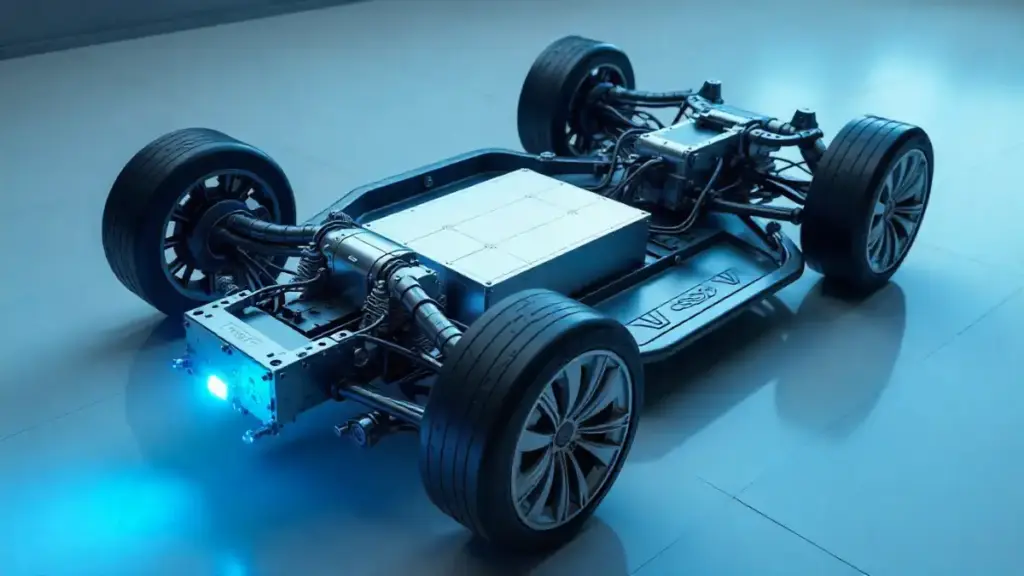
The coolant system in your EV circulates a special fluid through channels around the battery pack, motors, and inverters, absorbing heat and dissipating it through radiators or heat exchangers. Some advanced systems, like those in the BMW i4 or Porsche Taycan, even use coolant to pre-condition the battery for optimal fast-charging performance. Pretty clever, right?
What Makes EV Coolant Different?
You can’t just grab any coolant from the auto parts store and pour it into your electric car. EV coolants are specifically formulated to handle the unique demands of electric vehicle systems. Unlike traditional engine coolant that primarily deals with combustion engine temperatures, EV coolant must be electrically non-conductive (or have very low conductivity) to prevent short circuits if leaks occur near high-voltage components.
Most manufacturers use either ethylene glycol or propylene glycol-based coolants with special additives. For example, Tesla uses a pink-colored coolant with specific electrical conductivity requirements, while Nissan Leaf uses a blue coolant with different specifications. These aren’t interchangeable—using the wrong type could void your warranty or, worse, damage expensive components.
The coolant also needs to remain stable across a wider temperature range than conventional coolants. Some EVs, particularly those with heat pumps like the Hyundai Ioniq 5 or Kia EV6, circulate coolant through multiple systems including the cabin climate control, making the fluid’s properties even more critical.
When Should You Check Your EV’s Coolant?
Here’s where EV maintenance gets wonderfully simple compared to gas cars. Most manufacturers recommend checking coolant levels every 12 months or during annual service appointments. However, you should also keep an eye out for warning signs between scheduled checks.
Your dashboard will be your first alert system. Modern EVs monitor coolant levels and temperatures constantly. If you see a warning light or message about cooling system issues, don’t ignore it—these systems are too important to your EV’s health. I’ve heard stories of owners dismissing these warnings only to face reduced charging speeds or even temporary power limitations to protect the battery.
You should also visually inspect for puddles or drips under your car, especially after it’s been parked overnight. Unlike oil, which is dark and obvious, EV coolant can be various colors (pink, blue, orange) depending on your vehicle, but it has a slightly sweet smell and slick feel. If you notice any leaks, get them checked immediately. Even a small leak can compromise your cooling system’s effectiveness.
Additionally, if you notice your charging speeds have decreased significantly, or your range seems reduced without explanation, it could indicate a cooling system problem. Batteries that can’t maintain proper temperature won’t charge or discharge as efficiently.
How to Check Your Electric Car’s Coolant
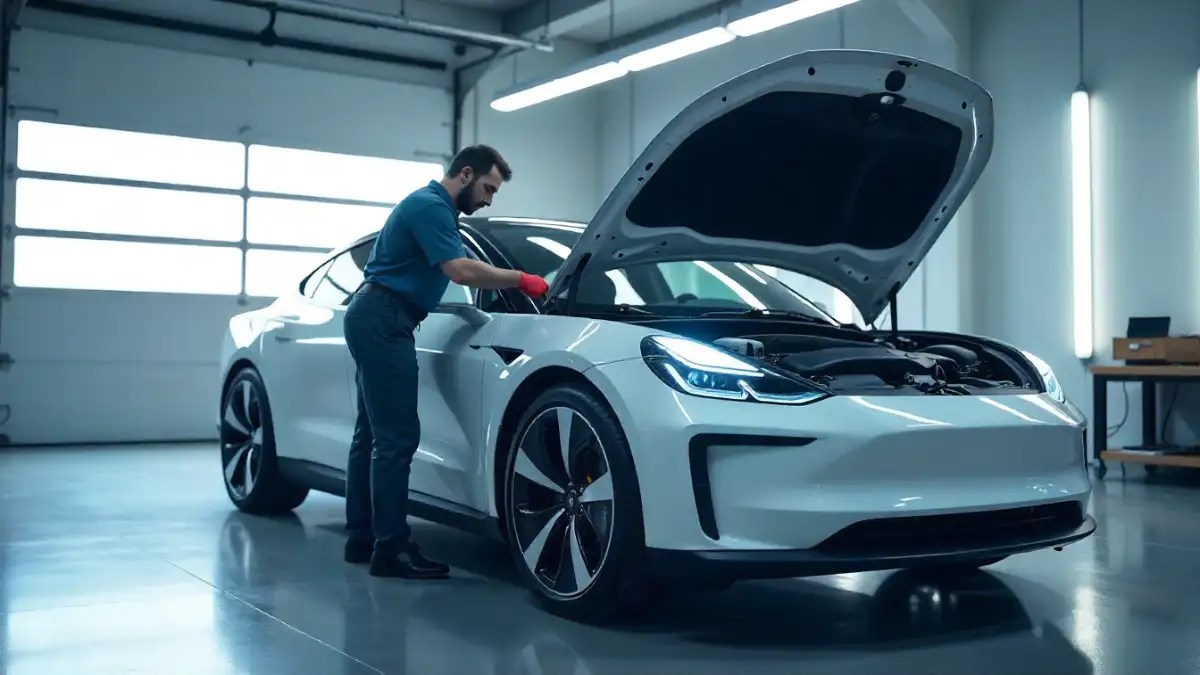
Most EV owners can handle basic coolant level checks themselves—it’s easier than you might think. First, always check your owner’s manual for the specific location of the coolant reservoir in your vehicle. Unlike traditional cars with everything under one hood, EVs might have multiple cooling loops and reservoirs in different locations.
The most important rule? Never open the cooling system when it’s hot. Even though EVs don’t have hot exhaust gases, the coolant system can still be under pressure and quite warm, especially after driving or charging. Wait at least an hour after your last drive before checking.
Once it’s safe, locate the coolant reservoir—it’s usually a translucent plastic tank with “MIN” and “MAX” markings on the side. The coolant level should be between these marks when the car is cold and level. If it’s low, that’s your sign that something needs attention. However, don’t just top it off yourself without understanding why it’s low. A slightly low level might be normal, but significant loss indicates a leak that needs professional diagnosis.
Also, take a moment to look at the coolant’s condition. It should be clear and the proper color for your vehicle. If it looks rusty, has particles floating in it, or has changed color significantly, that’s a sign the coolant might be breaking down and needs replacement.
The Coolant Replacement Process: What to Expect
Unlike conventional cars where you might change coolant every 2-3 years, most electric vehicles have longer intervals—typically every 4-6 years or 50,000-100,000 miles, depending on the manufacturer. The Chevrolet Bolt recommends coolant replacement at 150,000 miles, while Tesla suggests inspecting and potentially replacing coolant every 4 years for Model 3 and Model Y.
When it’s time for replacement, this is definitely a job for professionals unless you’re particularly mechanically inclined. EV cooling systems often require special procedures, including bleeding air from the system and using specific equipment to ensure all loops are properly filled. The cost typically ranges from $150 to $400, depending on your vehicle and location—considerably less than many traditional car maintenance tasks.
The technician will drain the old coolant, flush the system to remove any contaminants, and refill it with the manufacturer-specified coolant to exact levels. They should also pressure-test the system to check for leaks and verify that all components are functioning properly. Don’t skip this service when it’s due—old, degraded coolant loses its protective properties and could lead to corrosion or inadequate cooling.
Some manufacturers, like Volkswagen with their ID.4, include coolant replacement in their scheduled maintenance packages, which can make budgeting easier. Always check what’s covered under your warranty or maintenance plan.
Common Coolant System Issues and Prevention
The good news is that EV cooling systems are generally reliable, but they’re not immune to problems. The most common issue is leaks, often from hoses, connections, or the radiator itself. Temperature cycling, vibration, and age can cause seals and hoses to deteriorate over time.
Another potential problem is coolant pump failure. Your EV has electric pumps that circulate coolant through the system, and like any electric component, they can fail. Listen for unusual whining noises or check if your car displays any coolant circulation warnings. Catching pump issues early can prevent your battery or motors from overheating.
Contamination is less common but can occur if someone adds the wrong coolant type or if the system gets compromised. This is why it’s crucial to only use manufacturer-approved coolant and to have work done by qualified technicians who understand EV-specific requirements.
To prevent issues, stick to your maintenance schedule, address warning lights promptly, and park on clean surfaces occasionally so you can spot leaks early. Also, if you live in extremely cold climates, make sure your coolant is rated for the temperatures you’ll encounter. Most EV coolants provide protection down to -40°F, but it’s worth verifying.
The Bottom Line: Simple Maintenance for Long-Term Health
Here’s what you need to remember about electric car coolant maintenance: it’s less frequent than many traditional car maintenance tasks, but it’s just as important. Your cooling system protects some of the most expensive components in your vehicle—the battery pack alone represents a huge investment.
Check your coolant level annually, watch for warning lights, and follow your manufacturer’s replacement schedule. Use only the specified coolant type for your vehicle, and don’t hesitate to have professionals handle the replacement when it’s due. These simple steps will help ensure your EV’s battery and motors stay at optimal temperatures, maintaining performance and longevity.
The beauty of EV ownership is that maintenance tasks like this are relatively infrequent. You’re not changing oil every few months or replacing spark plugs and timing belts. But the maintenance you do need to perform—including coolant care—directly impacts your vehicle’s efficiency and lifespan. Stay on top of it, and your electric car will reward you with years of reliable, efficient driving.