You’ve probably noticed more electric vehicles on the road lately, but what you might not see are the billions of dollars flowing into electric mobility startups behind the scenes. While Tesla grabbed headlines for years, a new wave of innovative companies is now capturing the attention—and wallets—of investors worldwide. In 2024 alone, electric mobility startups raised over $25 billion globally, and that money isn’t just sitting in bank accounts. It’s building the charging networks you’ll use, developing the affordable EVs you’ll drive, and creating the infrastructure that’ll make electric transportation as convenient as stopping for gas.
But here’s the fascinating part: this isn’t just about cars anymore. The real action is happening across electric bikes, scooters, charging technology, battery innovation, and even flying taxis. So where exactly is all this money going, and more importantly, what does it mean for you as a potential EV buyer or current owner? Let’s pull back the curtain on the electric mobility funding boom.
The Big Picture: Why Investors Are Going All-In on Electric Mobility
Remember when investing in electric vehicles seemed risky? Those days are long gone. Venture capitalists, private equity firms, and even traditional automakers are now competing to fund the next generation of electric mobility companies. The reason is simple: the global transportation market is undergoing its biggest transformation since Henry Ford introduced the assembly line.
Governments worldwide are setting aggressive targets to phase out internal combustion engines. The European Union wants to ban new gasoline car sales by 2035. California has similar plans. China, the world’s largest auto market, is pushing hard for electrification. When you add stricter emissions regulations and growing consumer demand for sustainable options, you’ve got a perfect storm of opportunity that investors can’t ignore.
But here’s what makes this moment different from previous cleantech investment waves: the technology actually works now. Early electric vehicles had limited range and took forever to charge. Today’s EVs can travel 300+ miles on a single charge and can add 200 miles of range in just 20 minutes at fast-charging stations. The technology has crossed the threshold from “interesting experiment” to “viable replacement,” and investors know it.
Where the Smart Money Is Going: Four Key Investment Categories
Battery Technology and Manufacturing
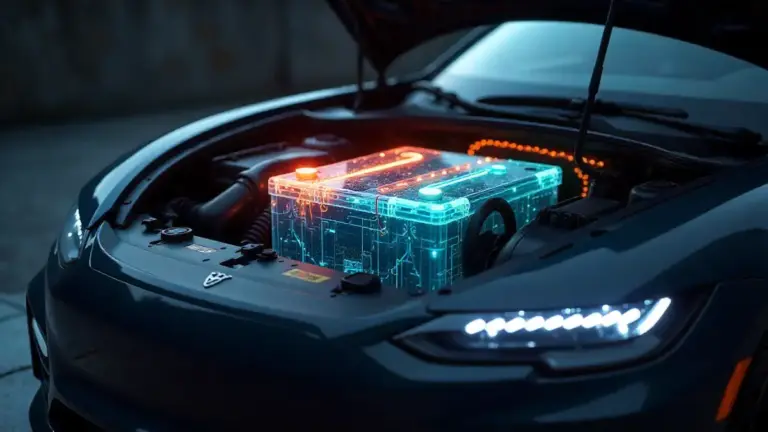
If electric vehicles are smartphones on wheels, then batteries are their beating hearts. And right now, battery startups are absolutely swimming in investment capital. Companies developing next-generation battery technologies—solid-state batteries, silicon anodes, lithium-metal batteries—are raising hundreds of millions in single funding rounds.
Take QuantumScape, for example. This solid-state battery developer has attracted over $1 billion in funding, including backing from Volkswagen. Why? Because solid-state batteries promise to solve multiple problems at once: longer range, faster charging, better safety, and longer lifespan. If successful, they could make current lithium-ion batteries look like flip phones compared to modern smartphones.
But it’s not just about revolutionary new chemistry. Investors are also pouring money into companies that can manufacture batteries faster and cheaper. Northvolt, a Swedish battery manufacturer, has raised over $9 billion to build gigafactories across Europe. Their goal? To produce enough batteries to power one million electric vehicles annually by 2030. That’s the kind of scale that changes markets.
The impact on you? Better batteries mean electric vehicles with 500+ mile ranges at lower prices. They mean you’ll spend less time charging and more time driving. And they mean your EV’s battery might actually outlast the rest of the car, eliminating one of the biggest concerns potential buyers have.
Charging Infrastructure: Building the Gas Stations of Tomorrow
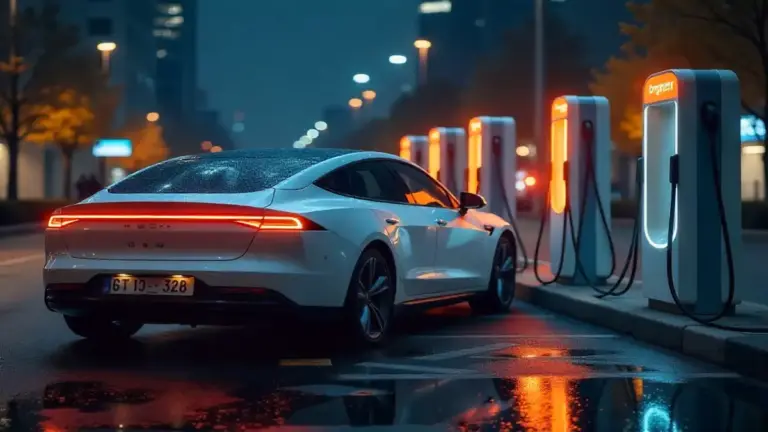
Here’s a question that keeps many potential EV buyers up at night: “But where will I charge it?” Investors are betting billions that the answer will soon be “everywhere.” Charging infrastructure startups are among the biggest recipients of electric mobility funding, and for good reason—you can’t have a transportation revolution without the infrastructure to support it.
Companies like ChargePoint and EVgo have raised hundreds of millions to blanket highways, cities, and workplaces with charging stations. But the real innovation is happening in how these stations work. New startups are developing ultra-fast chargers that can fully charge a vehicle in the time it takes to grab a coffee. Others are creating charging solutions for apartment dwellers who don’t have garages—a massive market that’s been largely underserved.
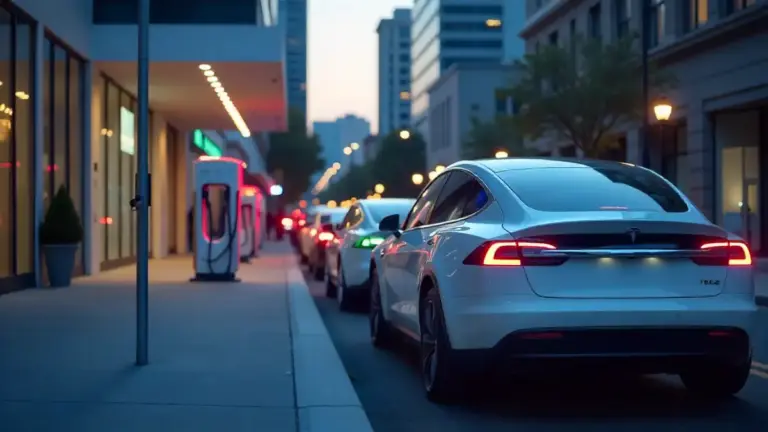
One particularly clever approach comes from companies installing chargers in places you’re already spending time: grocery store parking lots, movie theaters, and restaurants. The idea is genius, really. You’re not adding a charging stop to your day; you’re using time you’d spend anyway. Several startups focusing on “destination charging” have raised significant funding to roll out this model nationwide.
What does this mean for your daily life? In the next few years, charging anxiety should become a thing of the past. You’ll have as many—if not more—charging options as there are gas stations today. And unlike gas stations, many chargers will be right where you work, shop, or play.
Electric Vehicle Manufacturers: Not Just Tesla Anymore
While Tesla proved that electric vehicles could be desirable, profitable, and performance-oriented, a new generation of EV startups is targeting the segments Tesla hasn’t fully conquered. And investors are paying attention.
Rivian, the electric truck and SUV maker, raised a staggering $13.7 billion before going public. Why? Because they’re building electric vehicles for truck lovers—a demographic that represents a huge chunk of the American market. Their R1T pickup truck and R1S SUV aren’t compromises; they’re vehicles that do everything a traditional truck does, plus the benefits of electric propulsion.
On the opposite end of the spectrum, companies like Canoo are developing affordable, practical electric vehicles for urban commuters and delivery services. They’ve raised over $600 million to bring unique, lifestyle-focused EVs to market. Their approach is different: modular platforms that can be adapted for different uses, from personal vehicles to delivery vans.
Then there’s Lucid Motors, which raised over $4.4 billion to challenge Tesla’s dominance in the luxury EV segment. Their Lucid Air sedan boasts over 500 miles of range—more than any Tesla—and targets buyers who want cutting-edge technology wrapped in premium materials.
The variety matters because it means you’ll have real choices. Whether you’re looking for a work truck, a family SUV, a luxury sedan, or an affordable commuter car, there will be multiple electric options competing for your business. Competition drives innovation and keeps prices in check—both good news for consumers.
Micromobility: The Last-Mile Revolution
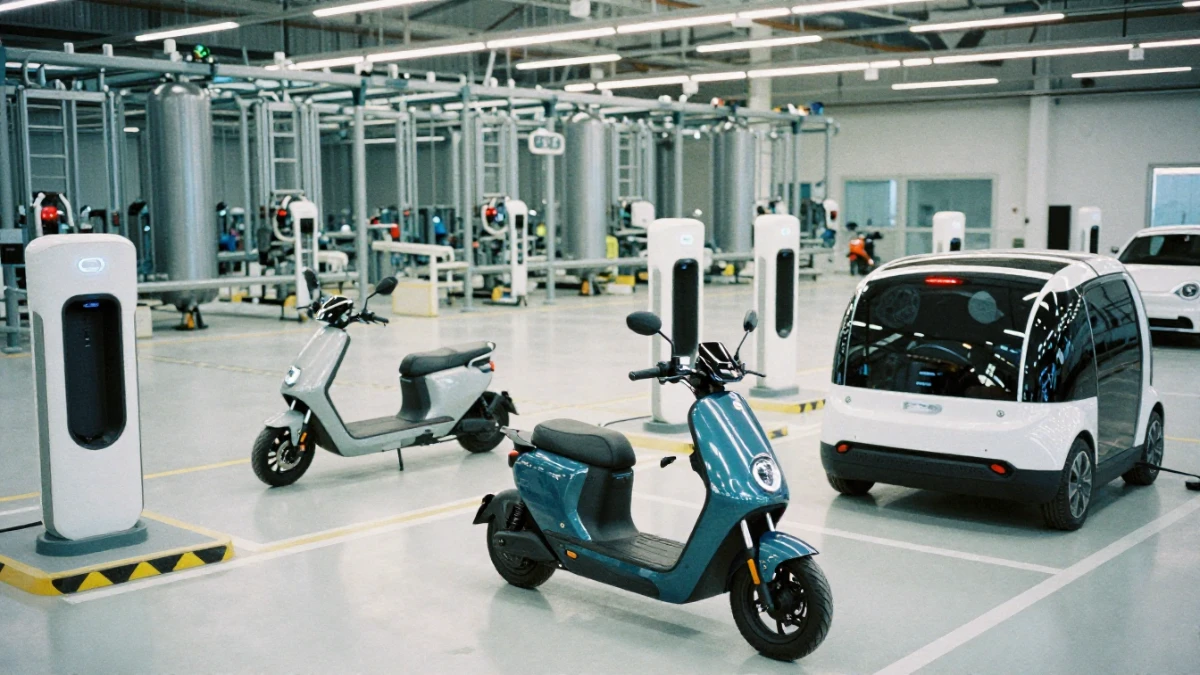
Not every trip requires a two-ton vehicle, and investors are backing startups that recognize this reality. Electric bikes, scooters, and mopeds are attracting serious funding because they solve a specific problem: getting people from public transportation stops to their final destinations, or providing affordable, convenient transportation for short trips.
Bird and Lime, the shared electric scooter companies, each raised hundreds of millions in their early years. While shared micromobility has faced challenges, personal electric bikes and scooters are booming. Companies like VanMoof (which raised over $180 million before its recent struggles) and Cowboy (with over $100 million raised) are creating premium electric bikes that make commuting enjoyable rather than a chore.
The beauty of micromobility is its accessibility. A quality electric bike costs $2,000-$4,000—a fraction of even the cheapest electric car. They’re perfect for urban dwellers, college students, or anyone who wants to leave the car at home for short trips. And unlike cars, they help solve congestion and parking problems rather than contributing to them.
For you, this means more options for getting around without a car. Need to run errands within a few miles of home? An electric bike might be faster than driving and definitely more fun. Live in a city with good bike infrastructure? You might find yourself using your car much less often, saving money on insurance, maintenance, and parking.
What Makes a Startup Attractive to Investors Right Now?
Having watched this space closely, I’ve noticed investors are looking for specific qualities in electric mobility startups. Understanding these factors helps explain why some companies raise hundreds of millions while others struggle to get funding.
Scalability is king. Investors want companies that can grow fast once they prove their concept. A great charging technology that works in one city is interesting; a charging technology that can be rolled out to 10,000 locations within two years is investment-worthy.
Partnerships matter tremendously. Startups that have secured deals with major automakers, retail chains, or utilities get funded faster. These partnerships provide validation, revenue visibility, and distribution channels. When a startup announces a partnership with Ford or Walmart, investors pay attention.
Technology moats are crucial. In a crowded market, investors want to fund companies with proprietary technology that competitors can’t easily replicate. This could be a patent on battery chemistry, software that optimizes charging networks, or a unique manufacturing process that reduces costs.
Market timing is everything. The electric mobility market is hot right now, but investors are specifically focused on solutions that address today’s pain points: charging speed, battery cost, vehicle affordability, and infrastructure gaps. Startups solving these problems are getting funded; those working on future problems that consumers don’t yet care about struggle.
The Regional Funding Race: Where Different Countries Are Placing Their Bets
Electric mobility funding isn’t uniform across the globe—different regions are betting on different aspects of the transition, and it reveals a lot about their strategic priorities.
China is going all-in on batteries and manufacturing scale. Chinese electric mobility startups raised over $10 billion in 2024, with most funding going to battery production and affordable EV manufacturing. Companies like BYD, CATL, and Nio have received massive investments—often with government backing—to dominate the global battery supply chain and EV market. The Chinese strategy is clear: control the critical components and manufacture at scale to achieve cost advantages no one else can match.
Europe is focusing on sustainability and charging infrastructure. European startups are attracting billions to build charging networks, develop sustainable battery recycling, and create premium electric vehicles. Northvolt’s massive funding rounds reflect Europe’s desire to reduce dependence on Asian battery suppliers. European investors are also backing startups working on vehicle-to-grid technology, which lets EVs store renewable energy and feed it back to the power grid—a neat solution that addresses both transportation and energy storage needs.
The United States is betting on trucks, technology, and autonomy. American investors love big, bold bets. Rivian’s truck focus, Lucid’s luxury technology showcase, and the massive funding flowing to autonomous electric vehicle companies reflect American market preferences. There’s also significant investment in domestic battery production and charging networks, driven partly by government incentives from the Inflation Reduction Act.
How Government Policy Is Supercharging Investment
Here’s something that doesn’t get enough attention: government policy is essentially printing money for electric mobility startups. The U.S. Inflation Reduction Act alone provides $369 billion in clean energy incentives, including substantial tax credits for EV purchases, battery manufacturing, and charging infrastructure. These policies don’t just help consumers; they dramatically reduce risk for investors.
Think about it from an investor’s perspective: if the government is offering a $7,500 tax credit to anyone buying an EV, that’s essentially guaranteed demand for the vehicles your startup produces. If there are tax credits for building charging stations, your infrastructure investment becomes much more attractive. Government backing transforms speculative bets into calculated investments with reduced downside risk.
Europe has similar programs. China has been subsidizing its electric vehicle industry for over a decade. When governments worldwide are aligned in supporting the same industry, investors feel confident the market will grow—and grow substantially.
The Risks: Not Every Startup Will Survive
Let’s be honest: not every electric mobility startup attracting funding today will be around in five years. The startup graveyard is already littered with companies that had great ideas but poor execution, ran out of cash before reaching production, or simply got beaten by better competitors.
Remember Faraday Future? They raised over $2 billion and promised to revolutionize electric vehicles. Years later, they’re struggling to produce even small numbers of cars. Lordstown Motors went bankrupt. Arrival, an electric van maker that once had a $13 billion valuation, saw its stock price collapse.
The challenges are real: manufacturing vehicles at scale is incredibly difficult and capital-intensive. Battery costs, while falling, still make EVs more expensive than comparable gas cars. Charging infrastructure needs to expand dramatically before most consumers feel comfortable buying electric. And competition is intensifying as traditional automakers like Ford, GM, and Volkswagen commit billions to their own electric lineups.
For you as a consumer, this means doing your homework before buying from a newer EV manufacturer. Established brands offer better service networks, longer track records, and greater certainty they’ll be around to honor warranties. Startups might offer cooler technology or innovative features, but they come with more risk.
What This Funding Boom Means for Your Next Vehicle Purchase
So how does all this investment activity translate to your actual experience as a car shopper? Let me break it down practically.
More choices, faster than you think. The funding going to new EV manufacturers means you’ll have dozens of electric vehicle options by 2026-2027. Whether you’re looking for a small city car, a family SUV, a work truck, or a luxury sedan, there will be multiple competitive electric options. This variety means automakers have to compete harder for your business, which tends to improve quality and features while restraining prices.
Better charging experiences coming quickly. The billions flowing into charging infrastructure mean that within two to three years, charging your EV will be as convenient as filling up with gas—maybe more so, since you’ll be able to charge while you shop, work, or eat. Range anxiety, the fear that keeps many people from buying electric, should largely disappear as charging networks expand and fast-charging technology improves.
Prices will continue falling. Investment in battery manufacturing and new battery technologies is driving costs down rapidly. Battery pack prices have fallen about 90% over the past decade, and they’re expected to continue dropping. This means electric vehicles are approaching price parity with gas cars, and within a few years, EVs will likely be cheaper to buy upfront—not just cheaper to operate.
Technology will improve faster. Competition fueled by investment capital accelerates innovation. Every startup is working on ways to improve range, reduce charging time, lower costs, or enhance the driving experience. These improvements will find their way into vehicles quickly. The EV you buy in 2027 will be significantly better than one from 2024, and much better than anything available today.
The Bottom Line: What You Should Do Now
If you’re considering an electric vehicle but waiting for the “right time,” here’s my take: the right time depends on your specific situation, but it’s arriving quickly for most people.
If you’re buying a new vehicle in 2025, seriously consider electric options. The technology is proven, the variety is growing, and the total cost of ownership is already competitive with gas cars for many buyers. Plus, you’ll benefit from federal and state incentives that might not be as generous in future years.
If you’re holding off for another year or two, keep watching the electric mobility space. The startups getting funded today will be launching products in 2026-2027, and the competition will likely produce some genuinely excellent, affordable options. The charging infrastructure will be more built out, battery technology will have improved, and used EV options will be more plentiful and affordable.
And if you’re an enthusiast who loves following the industry, keep an eye on where the investment money flows. The companies raising the biggest rounds and attracting the smartest investors today will likely be the ones shaping your transportation options tomorrow. The electric mobility revolution isn’t coming—it’s already here. The question isn’t whether electric vehicles will replace gas cars, but how quickly it will happen.
The answer, based on where billions of investment dollars are going, is: faster than most people expect. And that’s exciting news for anyone who drives.