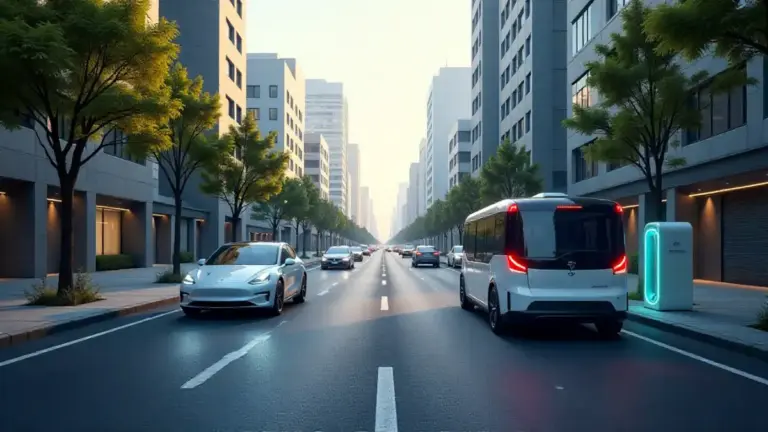
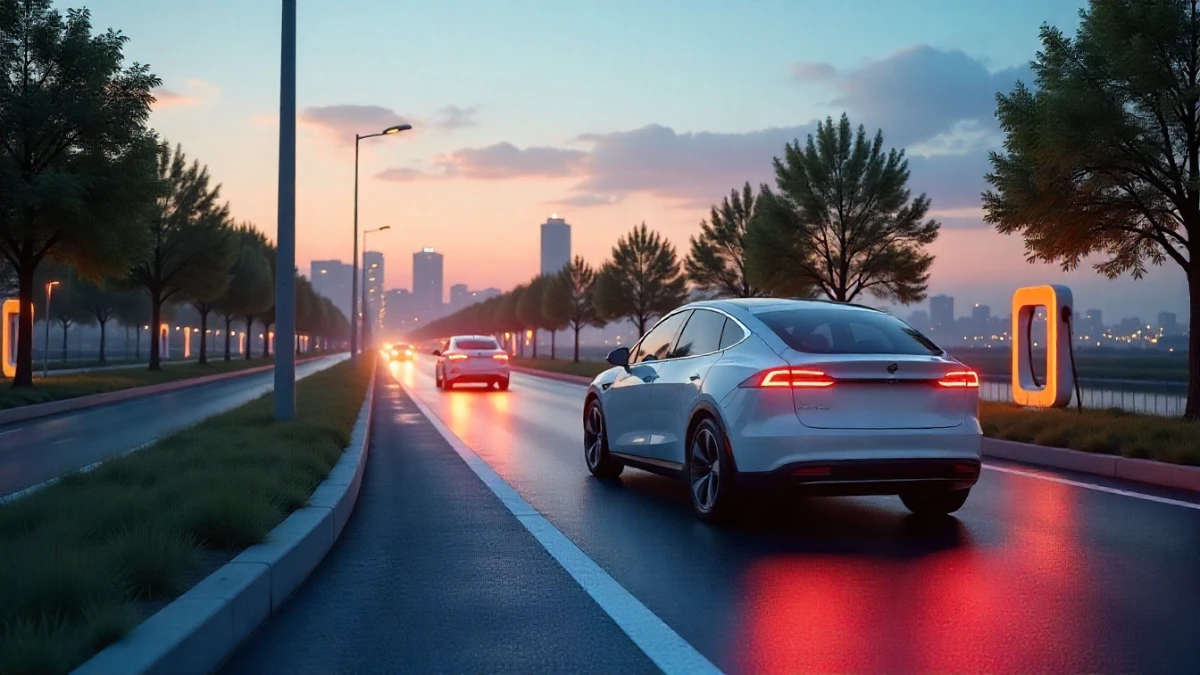
The electric revolution isn’t coming — it’s already happening. A few years ago, spotting an electric car felt futuristic. Today, you see EVs everywhere, and the shift is much bigger than vehicles alone. We are living through a transformation of how people and goods move across cities and countries.
By 2025, electric mobility has moved from niche to mainstream. It’s reshaping industries, urban life, and consumer choices. Whether you’re buying a car, running a business, or simply curious about the future of transportation, this shift affects you directly.
EV Market Growth in 2025: Beyond the Tipping Point
Electric vehicles have finally crossed the global tipping point.
In 2025, EV sales are expected to surpass 17 million, representing 20% of global new car sales.
Why EVs Are Growing Faster Than Expected
- Modern batteries now deliver 300–400 miles of range.
- Prices have dropped as production scales.
- EVs exist in every category: compact cars, SUVs, pickups, and luxury models.
Global Market Snapshot
- China: ~60% of global EV sales
- Europe: EVs = ~25% of new car registrations
- North America: 12–15% market share and growing fast
Governments worldwide plan to phase out combustion engines between 2030 and 2035. This momentum pushes adoption even further.
The Leaders: Which Brands Dominate Electric Mobility in 2025?
Competition is intense. Legacy automakers and new EV-first companies are shaping the future.
Tesla
Tesla remains a global EV leader. The brand continues to push innovation in software, batteries, and driver-assistance technology. More importantly, Tesla proved EVs can be fun, fast, and desirable.
BYD
China’s BYD is one of the fastest-growing EV manufacturers. Producing more than 3 million EVs and PHEVs a year, the company benefits from vertical integration — including its own batteries and electronics.
Traditional Automakers
- Volkswagen Group is shifting aggressively with its ID lineup.
- General Motors is building its future around the Ultium platform.
- Ford made major progress with the F-150 Lightning, now a popular electric truck.
Luxury Innovators
Mercedes-Benz EQ, BMW i, Audi e-tron, and Lucid Motors compete on technology, comfort, and long-range performance.
The EV market is now diverse, competitive, and rapidly evolving.
Charging Infrastructure in 2025: The New Energy Backbone
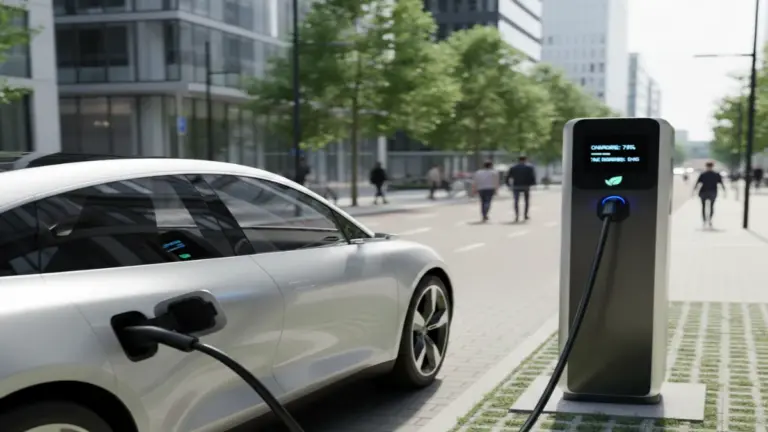
Charging availability is one of the most important factors in EV adoption. In 2025, global infrastructure reached new levels.
Global Expansion
There are now over 3 million public charging points, including more than 750,000 fast chargers worldwide.
What’s Getting Better
- Fast chargers now deliver 200+ miles in 20–30 minutes.
- Major networks such as Supercharger, Ionity, and Electrify America offer reliable routes for long-distance travel.
- Home charging is smarter, cheaper, and often powered by solar.
Destination Charging Is Everywhere
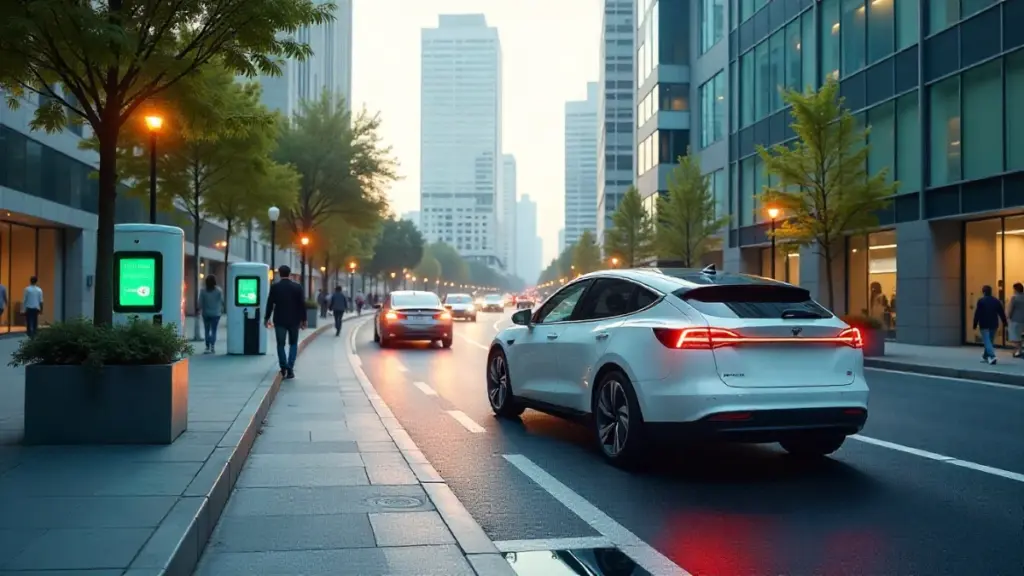
Hotels, offices, malls, and restaurants now offer EV charging as a standard amenity.
Remaining Challenges
- Rural gaps
- Limited charging solutions for apartments
- Grid upgrades needed in some regions
Still, charging is more accessible, faster, and smarter than ever.
Electric Logistics: The Quiet but Powerful Shift
Commercial transportation is electrifying quickly because it makes strong business sense.
Delivery Fleets
Amazon, UPS, DHL, and FedEx are rolling out thousands of electric vans.
EV fleets deliver:
- Lower fuel costs
- Lower maintenance
- Cleaner and quieter neighborhoods
Public Transit
Cities are replacing diesel buses with electric models. Many aim for 100% zero-emission fleets by 2030–2035. Riders benefit from quieter, smoother, cleaner transport.
Electric Trucks
Tesla, Volvo, and Mercedes-Benz are testing and deploying electric trucks capable of 300–500 miles per charge — ideal for regional routes.
Commercial adoption is creating a ripple effect across the entire industry.
The Next Wave of Innovation: What Comes After 2025?
Electric mobility advances quickly, and new breakthroughs are already in sight.
Solid-State Batteries
These next-generation batteries promise:
- Faster charging
- Higher energy density
- Improved safety
- Longer lifespan
New Charging Experiences
- Wireless charging by parking over a pad
- Vehicle-to-home (V2H) backup power
- Vehicle-to-grid (V2G) energy sharing to stabilize the grid
Your vehicle will soon double as a mobile energy asset.
Autonomous + Electric
Electric cars are ideal platforms for autonomous systems. Future mobility may involve shared, driverless, electric fleets that reduce traffic and emissions.
More Sustainable Manufacturing
Improved recycling systems and better material sourcing reduce the environmental impact of EV production.
The Road Ahead: Challenges We Must Still Solve
The transition isn’t simple. A few key challenges remain.
Grid Capacity
Electric grids in many regions need upgrades to support millions of EVs charging daily.
Battery Materials
The industry must accelerate ethical sourcing and expand recycling to create a circular supply chain.
Affordability
Upfront prices remain high for some buyers, especially without government incentives.
Workforce Adjustments
Factory workers and communities depending on combustion-engine jobs need support as the industry shifts.
Even with these challenges, the direction is clear — the transition is accelerating.
What This Means for You
Electric mobility is no longer a futuristic concept. It’s here, it’s practical, and it’s becoming the default.
For Drivers
EVs now offer:
- Lower running costs
- Smooth, quiet performance
- Convenience of home charging
For Businesses
Electric fleets reduce fuel expenses and maintenance costs, while improving sustainability and brand image.
For Cities
Cleaner air, quieter streets, and modern transport solutions improve life for everyone.
Electric mobility in 2025 isn’t about hype — it’s about reality. And the next few years will bring even more dramatic progress.