Remember that feeling of sitting in bumper-to-bumper traffic, watching your gas gauge drop while your stress levels spike? You’re not alone. The average American spends nearly an hour commuting each day, and most of us are doing it in ways that aren’t particularly kind to our wallets—or the planet.
But here’s the good news: sustainable commuting has evolved far beyond the “ride your bike in the rain” stereotype. In 2025, you’ve got more eco-friendly options than ever before, many of which can actually save you money and improve your quality of life. Whether you’re looking to reduce your carbon footprint, cut commuting costs, or simply find a less stressful way to get to work, this guide will walk you through the most practical sustainable commuting options available today.
You’ll discover how electric vehicles, public transit, bike-sharing programs, and even smart carpooling apps can transform your daily commute from a necessary evil into an opportunity—for savings, for better health, and yes, for helping the environment. Let’s explore what actually works in the real world.
Why Sustainable Commuting Matters More Than Ever
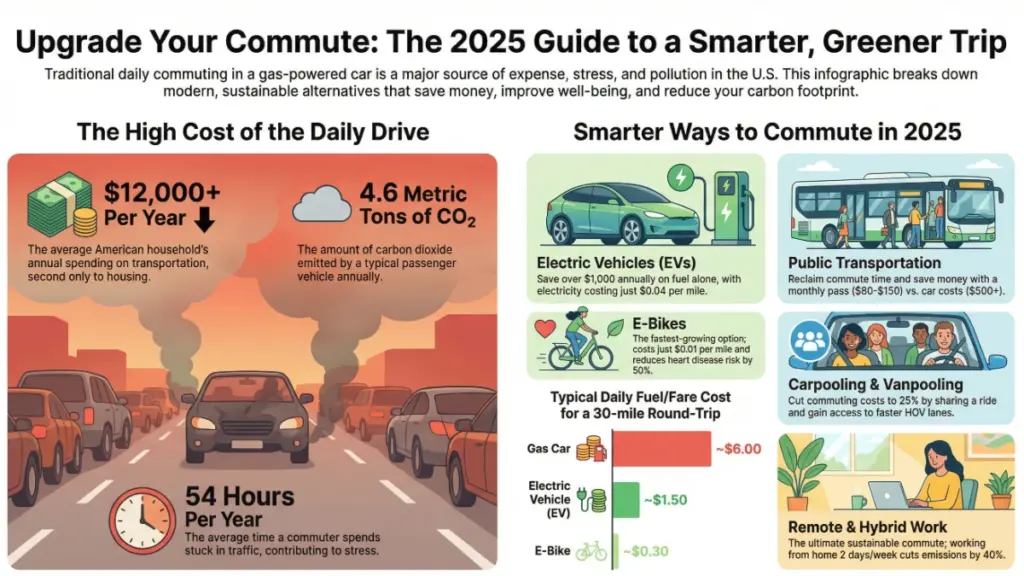
The numbers are sobering: transportation accounts for nearly 29% of U.S. greenhouse gas emissions, with personal vehicles responsible for the lion’s share. That’s roughly 4.6 metric tons of CO2 per vehicle annually. But beyond the environmental impact, traditional commuting is also hitting us where it hurts most—our bank accounts and our health.
The average American household spends over $12,000 per year on transportation, making it the second-largest expense after housing. Add in the 54 hours per year the average commuter spends stuck in traffic, and you start to see why finding better alternatives isn’t just about being eco-conscious—it’s about reclaiming your time and money.
The Real Cost of Traditional Commuting
Consider this: a typical gas-powered car costs about $0.68 per mile to operate when you factor in fuel, maintenance, insurance, and depreciation. For someone with a 30-mile round-trip commute, that’s over $200 per week, or roughly $10,000 annually just to get to work and back.
But the costs extend beyond finances. Studies show that long car commutes are linked to increased stress, higher blood pressure, and reduced time for exercise and family. The good news? Almost every sustainable commuting alternative addresses these issues while being gentler on the environment.
Electric Vehicles: The Game-Changer for Daily Commuters
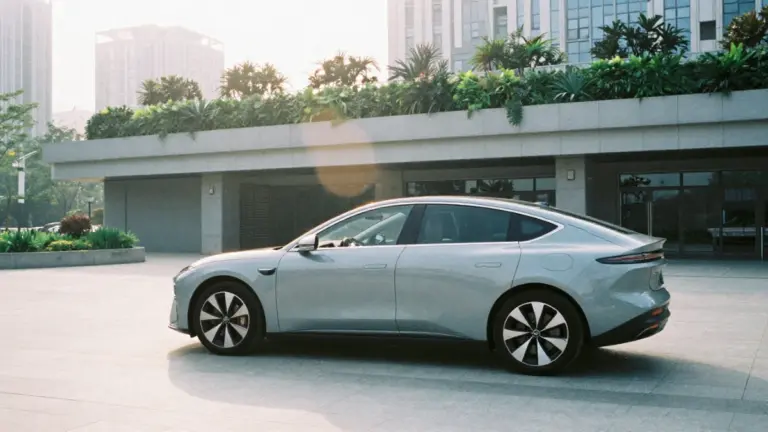
If you’re not ready to give up the convenience of personal transportation, electric vehicles (EVs) might be your sweet spot. The EV landscape in 2025 looks dramatically different from just a few years ago, with more affordable options, better range, and charging infrastructure that actually makes sense for daily use.
Why EVs Excel at Commuting
Electric vehicles are practically designed for the daily commute. Most Americans travel less than 40 miles per day, well within the range of even the most affordable EVs on the market. Modern EVs like the Chevrolet Equinox EV (starting around $35,000) offer over 300 miles of range, meaning you could commute all week without charging.
The math is compelling: electricity costs roughly $0.04-0.05 per mile compared to $0.15-0.20 per mile for gas. For that 30-mile daily commute, you’re looking at about $1.50 in electricity versus $6 in gas—a savings of over $1,000 per year in fuel costs alone. Factor in minimal maintenance (no oil changes, fewer brake replacements thanks to regenerative braking), and the cost advantages become even clearer.
Real-World EV Commuting Strategies
Here’s what actually works for EV commuters in 2025:
Charge at home overnight: This is the secret weapon. With a Level 2 home charger, you’ll wake up to a “full tank” every morning. Most utilities offer time-of-use rates, so charging overnight costs even less—sometimes as little as $0.02 per mile.
Look for workplace charging: More employers are installing EV chargers as a benefit. Some even offer free charging, effectively giving you free fuel for your commute. According to the Department of Energy, workplace charging stations have increased by 40% since 2023.
Consider plug-in hybrids (PHEVs) as a transition: Not ready to go fully electric? PHEVs like the Toyota RAV4 Prime can handle most daily commutes on electricity alone (42 miles of EV range) while offering gas backup for longer trips. You get the efficiency of an EV for your commute without range anxiety.
Making the Numbers Work
The federal EV tax credit (up to $7,500) is back and more accessible in 2025, with income limits raised and more qualifying vehicles. Many states add their own incentives—California offers up to $7,500 additional, Colorado provides $5,000, and even states like Texas and Ohio now offer rebates.
When you combine these incentives with the fuel and maintenance savings, an EV can actually cost less over five years than a comparable gas vehicle, even with a higher sticker price. Online calculators from the EPA and various auto sites can show you the exact break-even point based on your commuting distance.
Public Transportation: Smarter Than You Remember
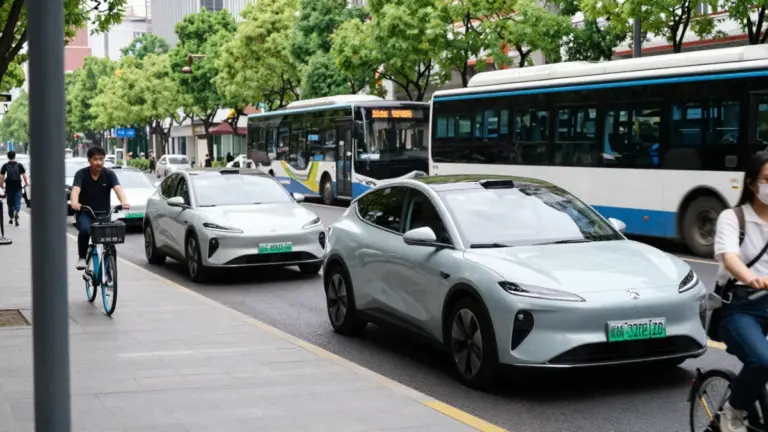
I know what you’re thinking—public transit is slow, crowded, and unreliable, right? That perception is increasingly outdated. Many cities have invested heavily in modernizing their transit systems, and the experience in 2025 is often surprisingly pleasant.
The Hidden Benefits of Transit Commuting
Beyond the obvious environmental advantages (public transit produces 45% less CO2 per passenger mile than personal vehicles), there’s something liberating about giving up the driver’s seat. That hour-long commute becomes an hour to read, catch up on emails, listen to podcasts, or simply decompress.
Transit commuters also tend to walk more—about 19 minutes per day on average—providing built-in exercise that car commuters miss. And let’s talk money: a monthly transit pass typically costs $80-150 compared to $500+ per month for car ownership, parking, and fuel.
When Public Transit Makes Sense
Public transportation works best when:
- Your commute follows major transit corridors
- Your schedule is relatively regular
- You live within walking distance or a short bike ride from a station
- Your workplace is transit-accessible
Cities like New York, San Francisco, Washington D.C., Boston, and Chicago have particularly robust systems. But mid-sized cities like Portland, Seattle, Denver, and Minneapolis have also significantly improved their transit options in recent years.
Pro tip: Use apps like Transit, Citymapper, or your local transit authority’s app to optimize your route. Many now offer real-time tracking, delay alerts, and even integration with bike-sharing and ride-sharing for first-mile/last-mile connections.
Hybrid Approaches That Actually Work
Don’t think it’s all-or-nothing. Many successful sustainable commuters use what I call the “flexible approach”:
- Drive to a park-and-ride station and take transit for the final leg
- Use transit most days, keep a car for weather emergencies or off-schedule trips
- Combine transit with an e-bike or e-scooter for the last mile
- Use ride-sharing (Uber/Lyft) for occasional needs rather than daily commuting
Cycling and E-Bikes: The Fastest-Growing Commute Option
Bike commuting has exploded in recent years, and it’s not just hardcore cyclists anymore. E-bikes have fundamentally changed what’s possible, making longer distances and hillier routes accessible to riders of all fitness levels.
The E-Bike Revolution
E-bikes are arguably the most transformative development in sustainable commuting. They extend the practical cycling range from about 3-5 miles to 10-20 miles for most riders, all while arriving at work without breaking a sweat.
A quality commuter e-bike costs $1,500-3,500, which sounds steep until you realize it pays for itself in under two years compared to car ownership. Operating costs? About $0.01 per mile for electricity. That’s essentially free transportation.
Popular e-bike options for commuters:
- RadPower RadCity: $1,499, 45-mile range, great for flat to moderate terrain
- Trek Verve+ 2: $2,499, integrated lighting and rack, premium build quality
- Specialized Turbo Vado SL: $3,500, lightweight and natural-feeling ride
- Ride1Up 700 Series: $1,495, excellent value with quality components
Making Bike Commuting Work Year-Round
The secret to successful bike commuting isn’t buying the most expensive gear—it’s solving the practical challenges:
Weather management: Modern rain gear is lightweight and breathable. Fenders keep road spray off your clothes. For cold weather, layers work better than one heavy coat. Many dedicated bike commuters say there’s no such thing as bad weather, only bad gear.
Safe storage at work: More employers offer secure bike parking or even bike rooms with showers. If yours doesn’t, a heavy-duty U-lock (Kryptonite New York Lock is the gold standard) is essential.
Route planning: Use apps like Google Maps (bicycle directions), Komoot, or Strava to find bike-friendly routes. Often, the best bike route isn’t the most direct car route—look for dedicated bike lanes, trails, or quieter streets.
The Health and Financial Benefits
Bike commuters save an average of $8,000 per year compared to driving. They’re also significantly healthier—regular cycling reduces cardiovascular disease risk by 50% and adds years to your life expectancy. Think of it as getting paid to exercise.
For many people, the biggest barrier is psychological. Start by biking once a week, then build up as you get comfortable. Most cities now have bike-to-work days where you can ride with groups of other commuters, making that first ride less intimidating.
Carpooling and Ride-Sharing: Making the Most of Existing Vehicles
Sometimes the most sustainable choice is simply using the resources we already have more efficiently. Carpooling has gotten a major upgrade in recent years, with apps that make finding and coordinating rides easier than ever.
Modern Carpooling Solutions
Forget the awkward “who’s driving this week?” conversations of old-school carpools. Apps like Scoop, Waze Carpool (in select cities), and even workplace-specific platforms match you with commuters on similar routes and schedules.
The financial case is straightforward: If four people carpool together, each person’s commuting costs drop to roughly 25% of solo driving. Split gas and tolls, reduce wear on your vehicle, and gain access to HOV lanes that can save 20-30 minutes on congested routes.
Vanpooling: The Underrated Option
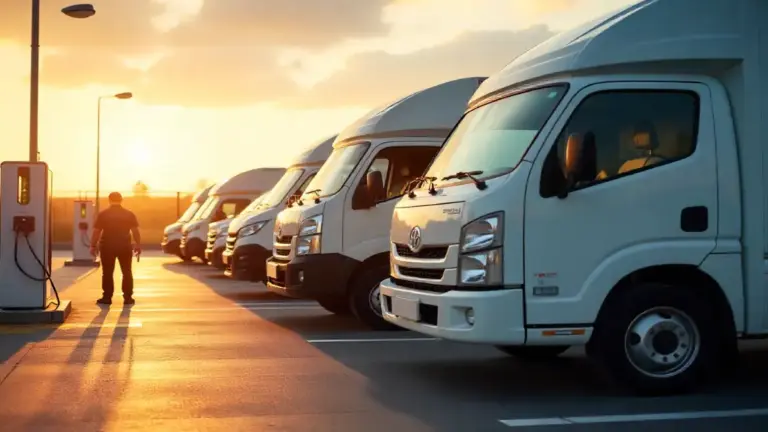
Vanpools are like carpools on steroids—typically 7-15 people sharing a van for commuting. Many employers subsidize vanpools, and some regional transit authorities provide the vehicles and maintenance.
The Metro Commuter Services in Washington D.C., for example, provides vans for just $100-200 per person per month, including fuel and maintenance. That’s less than many parking spots cost, and you’re not driving.
Key advantages:
- Lower per-person costs than any other option except walking
- More comfortable than public transit
- Predictable schedules and dedicated groups
- Often includes HOV lane access
- Someone else handles vehicle maintenance
Making Shared Rides Work
The success of carpooling and vanpooling comes down to compatibility and flexibility. Look for:
- Similar schedules (within 30 minutes)
- Compatible routes (no more than 5-10 minutes out of the way)
- Shared expectations about things like music, conversation, and temperature
- Backup plans for when someone can’t make it
Many successful carpoolers use a hybrid approach—carpooling 3-4 days per week with flexibility for personal errands or appointments.
Remote Work and Flexible Schedules: The Ultimate Sustainable Commute
Let’s address the elephant in the room: the most sustainable commute is the one you don’t take. The pandemic proved that many jobs can be done remotely, and in 2025, hybrid work arrangements are increasingly common.
The Environmental Impact of Remote Work
Working from home even two days per week can reduce your transportation emissions by 40%. A full-time remote worker eliminates roughly 2-3 metric tons of CO2 annually—equivalent to planting about 50 trees.
Beyond the environmental benefits, remote workers save an average of $4,000-6,000 per year on commuting costs and reclaim 200+ hours of time previously spent traveling.
Advocating for Flexible Work
If your employer hasn’t offered remote options, 2025 is a good time to start the conversation. Come prepared with:
- Examples of similar companies offering flexibility
- A proposal for how you’ll maintain productivity (or improve it)
- Specific days or schedule that would work best
- A trial period to prove the concept
Many employers now see flexible work as a retention and recruitment tool. The data backs them up—companies offering remote options report higher employee satisfaction and lower turnover.
Optimizing Hybrid Schedules for Sustainability
If you have some flexibility in when you come to the office, strategic planning can maximize your sustainability impact:
- Batch errands on office days to reduce extra trips
- Coordinate with carpooling partners for shared office days
- Use office days to schedule meetings and collaborative work
- Work from home on days with bad weather, making bike commuting more viable other days
Micro-Mobility: Scooters, Mopeds, and the Last Mile Problem
The “last mile problem”—getting from your home or transit station to your final destination—has spawned innovative solutions. Micro-mobility options bridge gaps in your commute while maintaining sustainability.
Electric Scooters and Mopeds
Stand-up electric scooters (like those from Lime or Bird) work well for short distances, but personal e-scooters are becoming increasingly popular for commuters. A quality commuter scooter costs $400-800 and can handle 15-25 miles on a charge.
Electric mopeds like the NIU NQi Sport ($3,299) offer a middle ground between bicycles and cars—faster than bikes, cheaper than cars, and able to use bike lanes in many areas. They’re particularly popular in dense urban areas where parking is expensive.
When Micro-Mobility Makes Sense
These options excel when:
- Your commute is 2-8 miles
- You live or work near transit but not walkable distance from stations
- You need something faster than walking but don’t need a full car
- Parking at your destination is limited or expensive
- Weather in your area is generally moderate
Important considerations: Check local laws—e-scooter regulations vary widely. Many cities now require helmets, have speed limits, and restrict where you can ride. Storage and security are also factors, though most fold for easy transport.
Building Your Personal Sustainable Commuting Strategy
Here’s the reality: there’s no one-size-fits-all solution. The best sustainable commuting strategy for you depends on your specific circumstances—distance, weather, family obligations, physical abilities, budget, and preferences.
Creating Your Commute Mix
The most successful sustainable commuters I know use a mix of options based on circumstances:
Example 1: The Flexible Professional
- Monday & Friday: Work from home
- Tuesday: Drive EV (need car for client meeting)
- Wednesday: Bike (weather permitting) or transit
- Thursday: Carpool with coworker
Example 2: The Urban Dweller
- Daily: Transit for main commute (30 minutes)
- Last mile: Bike-share or walk (10 minutes)
- Backup: Ride-share app for emergencies or late nights
- Weekend: Car-share service for errands
Example 3: The Suburban Commuter
- Monday-Thursday: Drive to park-and-ride (10 minutes), transit to work (40 minutes)
- Friday: Work from home
- Uses e-bike for errands and weekend activities
Overcoming Common Barriers
Let’s address the real obstacles people face:
“It takes too long”: Sometimes sustainable options do take longer. But that time might be more valuable than you think—reading, catching up on work, or simply relaxing. Calculate the true cost difference including your time, and you might be surprised.
“I need my car for [kids, errands, flexibility]”: Consider keeping a car but using it less. Even reducing car commutes from 5 days to 2-3 days per week has significant environmental and financial impacts.
“It’s too expensive to switch”: Many sustainable options have upfront costs but save money over time. Look for subsidies, employer benefits, and tax incentives. Some employers offer commuter benefits that provide pre-tax dollars for transit, vanpools, or parking at park-and-ride facilities.
“I live too far from work”: Distance is a legitimate barrier, but consider: could you relocate closer? Could you advocate for remote work options? Could you combine driving with park-and-ride transit?
The Transition Plan
Don’t try to overhaul your commute overnight. Here’s a practical approach:
- Week 1-2: Track your current commute costs and time
- Week 3-4: Research alternatives available to you
- Month 2: Try one alternative once per week
- Month 3: If it works, increase frequency
- Month 4-6: Refine and optimize based on what you’ve learned
Small changes compound. Going from 5 car commutes per week to 3 reduces your transportation emissions by 40% and could save $3,000 annually.
The Future of Sustainable Commuting
The landscape continues to evolve rapidly. Here’s what’s coming that might influence your decisions:
Expanded EV options: By 2026, virtually every major manufacturer will offer multiple EV models under $35,000. Charging infrastructure is expanding exponentially—the number of public charging stations in the U.S. has doubled since 2023.
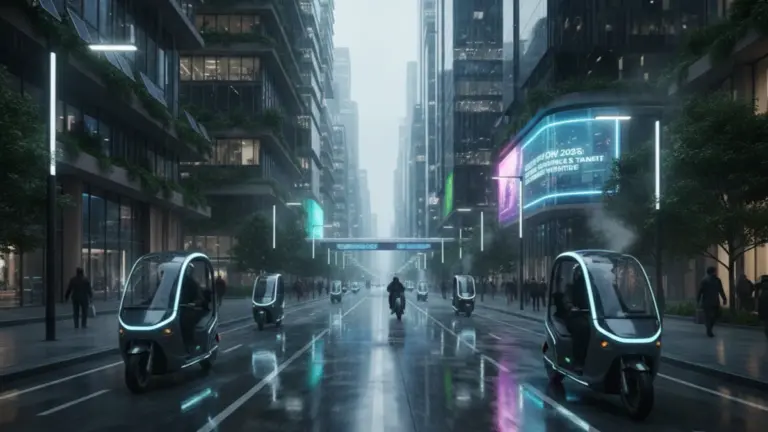
Autonomous vehicles: While still years away from widespread adoption, autonomous ride-sharing could dramatically reduce the cost of getting around without personal vehicle ownership.
Improved transit infrastructure: The Infrastructure Investment and Jobs Act is funding major transit improvements in cities nationwide. More frequent service, better connections, and cleaner vehicles are coming online throughout 2025-2027.
E-bike incentives: Several states now offer e-bike rebates (California offers up to $1,000, Colorado up to $1,400), making them even more affordable. Expect this trend to expand.
15-minute cities: Urban planning is increasingly focusing on making essential services accessible within 15 minutes by walking or cycling, reducing the need for long commutes.
Taking the First Step
Sustainable commuting isn’t about achieving perfection—it’s about making better choices when you can. Every car trip replaced with transit, every solo drive replaced with a carpool, every gas vehicle replaced with an EV contributes to both environmental and personal benefits.
Start with one small change this month. Maybe it’s biking to work one day per week. Maybe it’s trying the bus route you’ve always ignored. Maybe it’s finally having that conversation with your employer about working from home occasionally.
The beautiful thing about sustainable commuting is that it’s not a sacrifice—most people who make the switch report being happier with their commute, not just more eco-conscious. Less stress, more money saved, better health, and the satisfaction of knowing you’re part of the solution.
Your commute doesn’t have to be soul-crushing or planet-crushing. With the options available in 2025, it can actually become one of the better parts of your day.
What will your first step be?
Resources for Further Reading:
- U.S. Department of Energy Alternative Fuels Data Center: afdc.energy.gov
- American Public Transportation Association: apta.com
- League of American Bicyclists: bikeleague.org
- EPA Green Vehicle Guide: fueleconomy.gov
Have questions about making the switch to sustainable commuting? Drop a comment below or reach out—I’ve helped dozens of people find commute solutions that actually work for their lives.