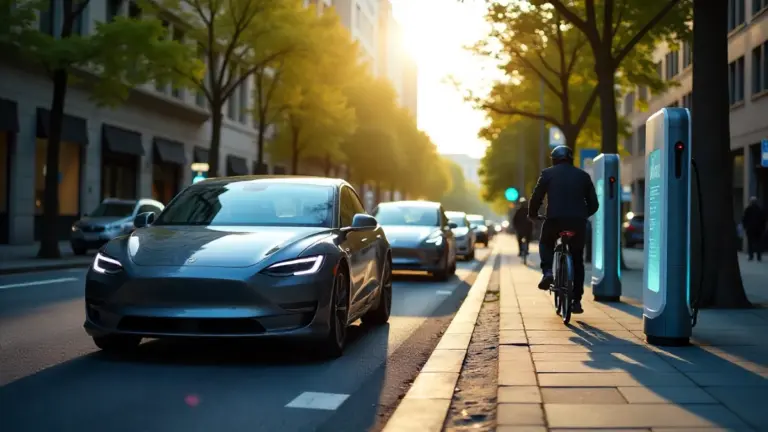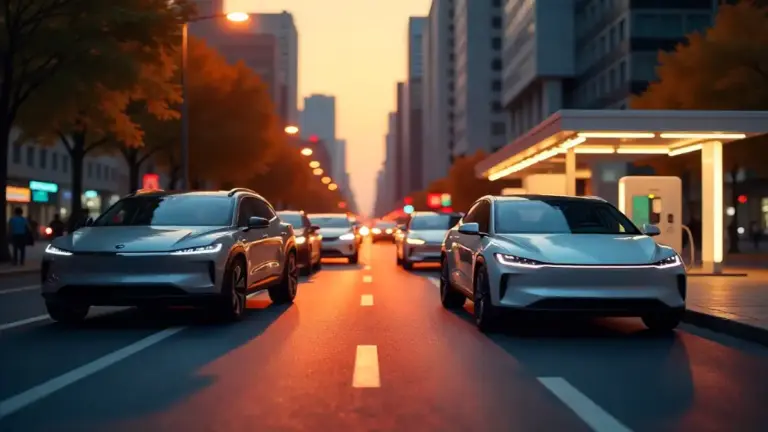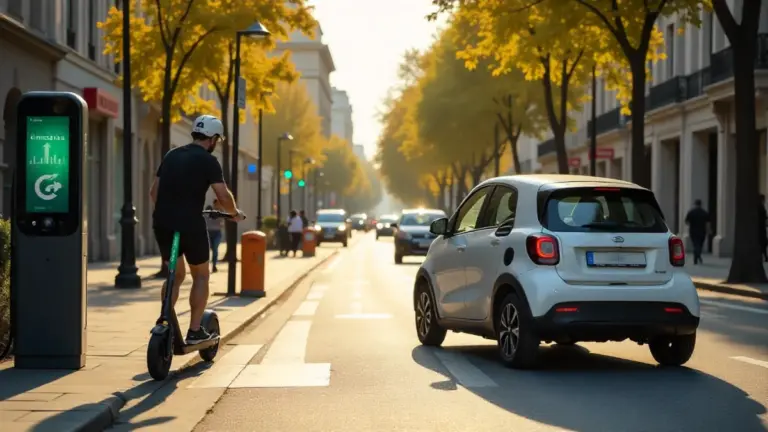
Picture this: you’re planning a weekend getaway to a new city, and your trusty electric vehicle is packed and ready to go. But then it hits you – what about the global electric car infrastructure? Will you actually be able to charge your car when you get there? It’s a question that’s crossed every EV owner’s mind at least once, and honestly, it’s one of the most practical concerns holding back potential electric car buyers today.
The truth is, the global charging landscape is as varied as the cities themselves. While some metropolitan areas have embraced the electric future with open arms (and abundant charging stations), others are still playing catch-up. Let’s take a real-world tour of how different cities around the globe are handling this electric revolution, because understanding where we stand today helps us see where we’re heading tomorrow.
The Nordic Leaders: Oslo and Amsterdam Show How It’s Done
When it comes to electric vehicle infrastructure, Norway’s capital Oslo isn’t just leading – it’s practically in a league of its own. Walking through Oslo today feels like glimpsing into the future. You’ll spot charging stations as commonly as you’d see parking meters in other cities, and here’s the kicker: nearly 90% of new car sales in Norway are electric vehicles.
What makes Oslo special? It’s not just the quantity of charging points (though with over 2,000 public stations for a city of 700,000, they’ve got that covered). It’s the thoughtful placement. You’ll find chargers integrated into shopping centers, apartment complexes, and even along residential streets. The city recognized early on that charging infrastructure needed to be as convenient as stopping for gas – maybe even more so.
Amsterdam follows a similar playbook but with its own Dutch twist. The city has committed to having a charging station within 200 meters of every resident by 2025. Think about that for a moment – that’s closer than most people park from their front door! They’ve also pioneered smart charging systems that balance the electrical grid load, preventing the infrastructure from becoming overwhelmed as adoption grows.
But here’s what really sets these cities apart: they didn’t wait for perfect technology. They started building infrastructure when EVs were still relatively niche, betting on the future rather than reacting to the present.
The Asian Powerhouses: Shenzhen and Tokyo’s Different Approaches
Shenzhen, China, took a completely different route – and the results are equally impressive. This tech hub didn’t just encourage electric vehicle adoption; it mandated it. All public buses, taxis, and ride-sharing vehicles in Shenzhen are electric. Period. We’re talking about over 16,000 electric buses and 22,000 electric taxis serving a population of 12 million people.
The infrastructure followed this bold policy move. Shenzhen now boasts one of the world’s highest ratios of charging stations to population, with fast-charging networks that can power up a vehicle in minutes rather than hours. But here’s the interesting part – they focused heavily on commercial and public transportation first, then built out residential charging. It’s a top-down approach that’s proven remarkably effective.
Tokyo, meanwhile, is taking a more measured, technologically sophisticated approach. The city is preparing for what they call “ultra-rapid charging” – stations that can add 200+ miles of range in under 10 minutes. They’re also experimenting with wireless charging technology embedded in parking spaces and even roadways. While Tokyo currently has fewer total charging points than some other major cities, each station is equipped with cutting-edge technology that hints at where the industry is headed.
The North American Reality Check: Progress with Growing Pains
Let’s be honest about North America – we’re making progress, but it’s been a bit of a roller coaster ride. California cities like San Francisco and Los Angeles are leading the charge (pun intended), with thousands of public charging stations and ambitious expansion plans. California’s network is comprehensive enough that range anxiety is becoming less of a concern for most trips.
But venture outside these EV-friendly bubbles, and the story changes quickly. Even in major cities like Phoenix or Atlanta, finding a reliable charging station can still feel like a treasure hunt. The good news? This is changing rapidly thanks to significant federal investment and private sector initiatives.
New York City presents an interesting case study in urban challenges. With millions of residents living in apartments and condos, home charging isn’t always an option. The city is responding with curbside charging programs and requirements for new buildings to include EV-ready electrical systems. It’s messy and complicated, but it’s happening.
The European Continent: A Mixed But Improving Picture
London and Berlin represent the European middle ground – not quite as advanced as the Nordic countries, but well ahead of many global peers. London’s congestion charge exemptions for electric vehicles created a strong incentive for adoption, and the charging infrastructure has grown to match demand. The city now has over 5,000 public charging points, with new installations prioritizing areas where residents can’t charge at home.
Berlin’s approach has been particularly clever. They’ve focused on destination charging – installing stations at shopping centers, offices, and tourist attractions where cars naturally sit for extended periods. This strategy acknowledges that you don’t always need ultra-fast charging; sometimes slow and convenient beats fast and inconvenient.
Paris deserves a special mention for its integration efforts. Charging stations there aren’t just functional; they’re designed to blend with the city’s aesthetic. It might sound superficial, but public acceptance often depends on these details. Nobody wants their beautiful neighborhood cluttered with ugly infrastructure.
What This Means for Your EV Journey
So, what does this global snapshot mean for you as a current or potential EV owner? First, the trajectory is unmistakably positive. Every major city is investing in charging infrastructure, though some are much further along than others.
If you’re planning to buy an electric car, research your local infrastructure first. Apps like PlugShare or ChargeHub can show you exactly what’s available in your area. Don’t just count the numbers – look at the charging speeds, pricing, and user reviews. A charging station that’s always broken or impossibly expensive isn’t really helpful.
For those already driving electric, these global examples offer hope and perspective. The infrastructure challenges you face today aren’t permanent. Cities worldwide are learning from each other’s successes and mistakes, accelerating improvements everywhere.
The Road Ahead: Lessons from the Leaders
The cities that have succeeded in building robust EV infrastructure share several common strategies. They planned ahead rather than reacting to demand. They focused on user convenience, not just technical capability. They integrated charging into daily life rather than treating it as a separate activity. And perhaps most importantly, they committed fully rather than hedging their bets.
As we look toward the future, the question isn’t whether cities will build adequate charging infrastructure – it’s how quickly they’ll get there. The leaders have shown it’s not only possible but profitable. The followers are learning from their experience, potentially leapfrogging earlier mistakes.
Your next electric road trip might take you through cities with vastly different charging landscapes, but one thing is certain: each year brings more options, faster charging, and greater confidence in electric mobility. The infrastructure race isn’t over, but the direction is clear – and it’s accelerating toward a more connected, more sustainable future for all of us.
The electric revolution isn’t just about the cars themselves; it’s about reimagining how we power our journeys. And city by city, charge by charge, that future is taking shape right before our eyes.