Picture this: You’re ready to ditch your gas-guzzler for something cleaner, but you’re standing at a crossroads. On one side, there’s the buzzing world of battery electric vehicles (EVs) with their instant torque and growing charging networks. On the other, hydrogen fuel cell vehicles promise quick refueling and impressive range. Which path should you take?
I’ve spent the last decade watching both technologies evolve, and here’s the straight answer: Battery electric vehicles currently make more sense for most drivers due to better infrastructure, lower costs, and higher efficiency. However, hydrogen fuel cells aren’t out of the race—they’re finding their sweet spot in commercial applications and could still surprise us.
In this comprehensive guide, you’ll discover how these two technologies actually work, their real-world performance, costs, environmental impact, and which one might be right for your specific situation. Whether you’re a daily commuter, a road trip enthusiast, or just curious about the future of transportation, I’ll help you cut through the hype and understand what these technologies can actually deliver today.
How These Technologies Actually Work (The Simple Version)
Battery Electric Vehicles: Stored Energy on the Go
Think of a battery EV like a massive smartphone on wheels. Instead of a tiny lithium-ion battery powering your apps, you’ve got a skateboard-sized battery pack (typically 60-100 kWh) sitting beneath the floor, storing electrical energy that powers electric motors.
Here’s what happens when you drive:
- Energy source: Large lithium-ion battery pack stores electricity from the grid
- Power delivery: Battery sends current directly to electric motors
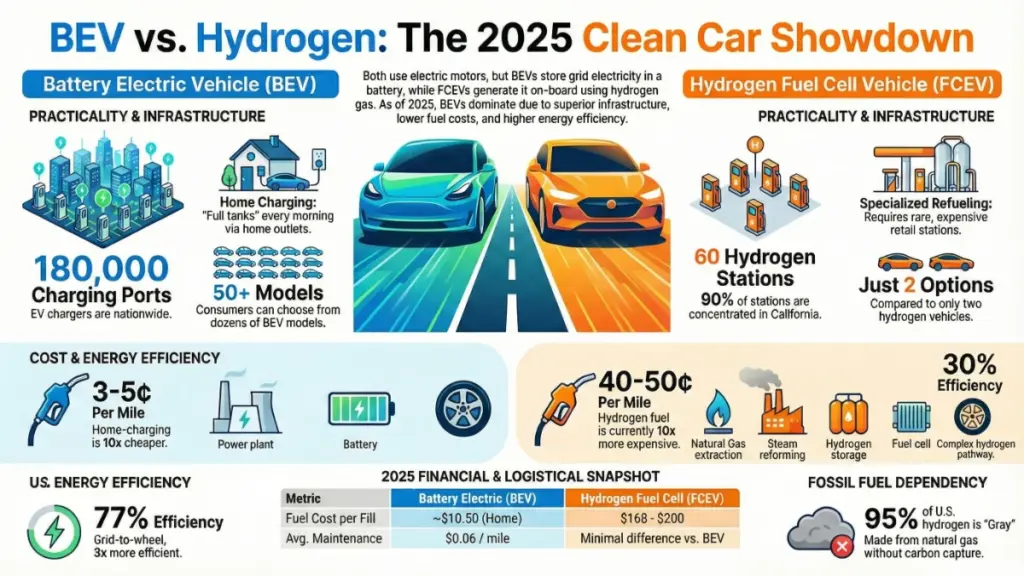
- Efficiency: About 77% of electrical energy from the grid makes it to the wheels (according to the U.S. Department of Energy)
- Recharging: Plug into charging stations or home outlets to refill the battery
The beauty of this system is its simplicity—fewer moving parts than your old combustion engine means less maintenance and more reliability.
Hydrogen Fuel Cell Vehicles: Mobile Power Plants
Fuel cell vehicles are more complex, essentially carrying a miniature power plant under the hood. They generate electricity on-demand through a chemical reaction.
The process breaks down like this:
- Energy source: Compressed hydrogen gas stored in high-pressure tanks (typically 10,000 psi)
- Power generation: Hydrogen combines with oxygen from the air in a fuel cell stack, creating electricity and water vapor
- Efficiency: Only about 40-45% of the original energy makes it to the wheels
- Refueling: Fill up at specialized hydrogen stations in 3-5 minutes
You might wonder: if they’re both “electric” vehicles, what’s the difference? The key distinction is where the electricity comes from. Battery EVs store it directly; fuel cell vehicles manufacture it on the fly.
Real-World Performance: Range, Speed, and Driving Experience
Range: The Long-Distance Question
Battery Electric Vehicles (2025 data):
- Entry-level models: 250-300 miles (like the Chevrolet Equinox EV)
- Mid-range models: 300-350 miles (Tesla Model 3, Hyundai Ioniq 6)
- Premium/long-range: 400-500+ miles (Mercedes EQS, Lucid Air)
Hydrogen Fuel Cell Vehicles:
- Toyota Mirai: 402 miles
- Hyundai Nexo: 380 miles
- Honda Clarity (discontinued): 360 miles
On paper, hydrogen edges out most mainstream EVs, but here’s the catch: that range advantage only matters if you can actually find hydrogen stations. More on that shortly.
Refueling vs. Recharging: Time Is Money
This is where hydrogen advocates get excited. At a hydrogen station, you’ll spend about 3-5 minutes filling up—essentially the same experience as pumping gas. Pull up, connect the nozzle, wait for the satisfying click, and you’re done.
Battery EVs tell a different story:
- Home charging (Level 2): 8-12 hours for a full charge (perfect for overnight)
- Public fast charging (DC): 20-40 minutes to reach 80% on modern chargers
- Ultra-fast charging: Some 2025 models add 200+ miles in 15 minutes
I’ll be honest—if you’re road-tripping cross-country, those 20-minute charging stops add up. But for daily driving? Charging overnight at home means you wake up to a “full tank” every morning, which is actually more convenient than stopping at gas stations weekly.
Driving Dynamics: The Fun Factor
Both technologies deliver that signature electric vehicle experience: instant torque, whisper-quiet operation, and smooth acceleration. You won’t notice a difference in how they feel to drive because they both use electric motors for propulsion.
The Tesla Model 3 Performance launches 0-60 mph in 3.1 seconds. The Toyota Mirai? About 9 seconds. But that’s a performance model versus a efficiency-focused sedan—not a fair technology comparison. When fuel cell makers decide to build performance vehicles, the technology can certainly deliver.
Infrastructure Reality Check: Where Can You Actually Fuel Up?
The EV Charging Network (Rapidly Expanding)
As of early 2025, the United States has roughly 180,000 public charging ports, and that number grows weekly. Here’s what that looks like:
Level 2 chargers (slower, found everywhere):
- Shopping centers, grocery stores, office buildings
- Hotels, restaurants, municipal parking
- Essentially anywhere people park for 1+ hours
DC fast chargers (quick charging on the go):
- Major highway corridors via networks like Electrify America, EVgo, ChargePoint
- Tesla Supercharger network (now opening to other brands)
- Every major interstate route now has charging coverage
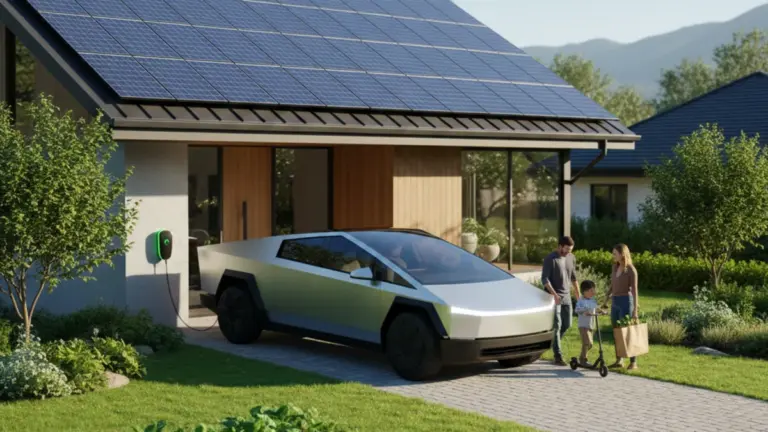
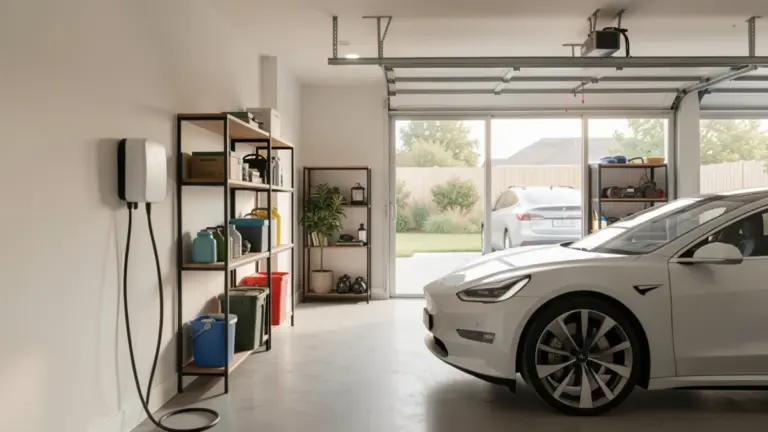
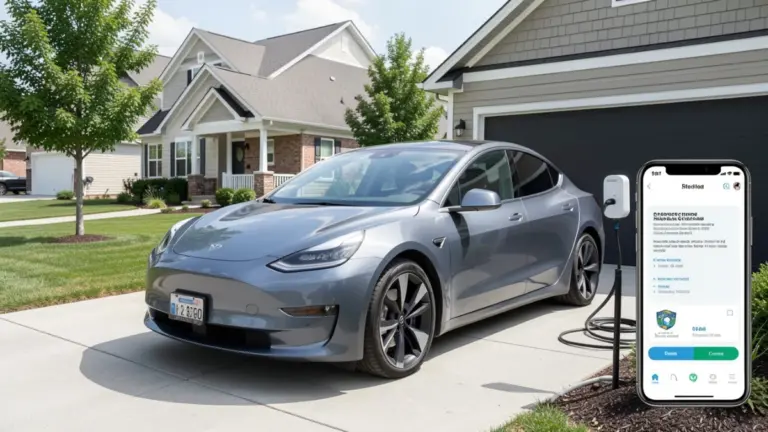
Home charging (the secret weapon): About 80% of EV charging happens at home. Install a Level 2 charger in your garage for $500-1,500, and you’ll rarely think about public charging for daily use.
The Hydrogen Desert (Sparse and Concentrated)
Here’s where hydrogen faces its biggest challenge. The United States has approximately 60 retail hydrogen stations total, with about 55 of them concentrated in California.
Let that sink in: if you don’t live in the Los Angeles area, the San Francisco Bay Area, or a few other California hotspots, hydrogen fuel cell vehicles aren’t really an option. You might find one or two stations in Hawaii or the Northeast, but for 90% of Americans, hydrogen infrastructure simply doesn’t exist.
Why so few stations?
- Building a hydrogen station costs $1-2 million (versus $150,000 for a fast charging station)
- Hydrogen production, compression, and transportation are expensive
- Limited vehicle selection creates a chicken-and-egg problem
Even in California, hydrogen station reliability has been inconsistent, with frequent outages and occasional shortages frustrating early adopters.
The Money Talk: Purchase Price, Fuel Costs, and Maintenance
Upfront Investment
Battery Electric Vehicles (2025 pricing):
- Affordable options: $25,000-35,000 (Chevy Equinox EV, Nissan Leaf)
- Mainstream: $40,000-60,000 (Tesla Model Y, Ford Mustang Mach-E)
- Premium: $70,000+ (Mercedes EQS, BMW iX)
- Federal tax credit: Up to $7,500 for qualifying models
Hydrogen Fuel Cell Vehicles:
- Toyota Mirai: ~$50,000
- Hyundai Nexo: ~$60,000
- Honda Clarity: Discontinued
- California incentives: Up to $4,500 additional rebate
The selection is dramatically different—you can choose from 50+ battery EV models versus just 2 hydrogen vehicles currently sold in the U.S.
Fuel Costs: The Ongoing Expense
Electricity for EVs:
- Home charging (national average): About $0.14 per kWh
- Cost to “fill up” a 75 kWh battery: ~$10.50
- Typical range from that charge: 250-300 miles
- Real-world cost: Roughly 3-5 cents per mile
Public fast charging costs more (often 2-3x home rates), but most charging happens at home where it’s cheaper.
Hydrogen:
- Current California price: $30-36 per kilogram
- Toyota Mirai holds about 5.6 kg
- Cost to fill: $168-200 for 400 miles
- Real-world cost: About 40-50 cents per mile
Yes, you read that right. Hydrogen currently costs 10x more than home charging an EV. California has offered fuel credits to early Mirai buyers ($15,000 worth of free hydrogen), which helps explain why anyone would choose this option today.
Maintenance: What Actually Breaks?
Both technologies benefit from electric drivetrains with fewer moving parts than gas engines:
Battery EVs need:
- Tire rotations
- Brake fluid changes (less frequent due to regenerative braking)
- Cabin air filter replacements
- Coolant for the battery system
- No oil changes, transmission services, or spark plugs
Hydrogen fuel cell vehicles need:
- All the same basics as EVs
- Fuel cell stack monitoring (though these are warrantied for 8+ years)
- Hydrogen system inspections
- Slightly more complex due to additional components
The difference is minimal—both are dramatically cheaper to maintain than conventional vehicles. Studies show EV maintenance runs about $0.06 per mile versus $0.10 per mile for gas vehicles.
Environmental Impact: Which Is Actually Greener?
This is where things get nuanced, and we need to look at the complete picture.
Battery Electric Vehicles: Well-to-Wheel Emissions
The environmental impact depends heavily on your electrical grid:
Best case scenario (renewable-heavy grids like California, Washington):
- Lifecycle emissions: 50-60% lower than comparable gas vehicles
- Near-zero emissions when charged from solar or wind power
- Battery production creates upfront carbon debt, paid back after ~20,000-30,000 miles
Average U.S. grid (mix of coal, natural gas, renewables):
- Lifecycle emissions: Still 40-50% lower than gas vehicles
- Improving as the grid gets cleaner over time
Manufacturing impact:
- Battery production is energy-intensive
- Mining lithium, cobalt, and nickel has environmental consequences
- Industry is rapidly improving recycling and responsible sourcing
Hydrogen Fuel Cells: It Depends on the Hydrogen Source
Here’s the critical question: where does the hydrogen come from?
“Green” hydrogen (electrolysis using renewable energy):
- Potentially zero-emission when made from solar/wind
- Currently <5% of global hydrogen production
- Very expensive ($5-8 per kg production cost)
“Blue” hydrogen (natural gas reformation with carbon capture):
- Moderately low emissions if capture works effectively
- Still relies on fossil fuels
- Limited carbon capture infrastructure
“Gray” hydrogen (natural gas reformation, no carbon capture):
- Currently 95% of U.S. hydrogen production
- Emissions comparable to or worse than just burning gasoline
- Defeats the entire purpose of fuel cell vehicles
The uncomfortable truth: most hydrogen today is made from natural gas, which undermines the environmental benefits. Until green hydrogen becomes affordable and widespread, fuel cell vehicles aren’t necessarily cleaner than EVs charged from the average grid.
The Efficiency Question
This is where physics weighs in decisively. Let’s trace 100 units of renewable energy:
Battery EV pathway:
- Renewable energy → grid → battery → motor → wheels
- Efficiency: ~75-80%
- You get 75-80 units of useful energy
Hydrogen pathway:
- Renewable energy → electrolyzer → hydrogen → compression → transport → fuel cell → motor → wheels
- Efficiency: ~25-35%
- You get 25-35 units of useful energy
Translation: You need roughly 3x more renewable energy to power a hydrogen vehicle the same distance as a battery EV. This matters enormously when we’re trying to decarbonize quickly with limited renewable energy resources.
The Infrastructure Challenge: Building Out Networks
Why EV Charging Is Winning
Installing EV charging infrastructure follows a virtuous cycle:
- More EVs on the road create demand for chargers
- Businesses install chargers to attract EV-driving customers
- More chargers make EVs more practical
- More people buy EVs
The numbers show it working:
- Tesla operates 50,000+ Supercharger ports globally
- Major automakers investing billions in charging networks (GM, Ford, Mercedes partnership)
- Biden administration funding 500,000 public chargers by 2030
- Every new apartment complex and shopping center includes charging
Home charging is the killer app that hydrogen can’t match. Imagine if 80% of gas station visits could happen in your driveway overnight—that’s the EV experience.
Why Hydrogen Stations Aren’t Happening
The hydrogen infrastructure faces serious headwinds:
Economic challenges:
- $1-2 million per station vs. $150K for EV fast chargers
- Requires constant hydrogen delivery trucks (ironic emissions)
- Low utilization rates make profitability nearly impossible
- Limited vehicle selection means limited customer base
Technical complexity:
- Hydrogen storage requires extreme pressure (10,000 psi)
- Refrigeration needed to prevent heating during fueling
- Safety systems and protocols are extensive
- Maintenance costs are significant
California has spent hundreds of millions on hydrogen infrastructure with disappointing results. Several stations have closed, and reliability issues persist. Without massive government intervention, the network isn’t expanding beyond California anytime soon.
Use Cases: Where Each Technology Shines
Battery EVs Excel For:
Daily commuters and urban drivers:
- Home charging eliminates gas station stops
- Perfect for predictable daily mileage
- Lower operating costs over time
- Extensive charging network for occasional trips
Families with multiple vehicles:
- One EV for daily use, keep a gas vehicle for road trips if needed
- Dual charging setup at home is simple and affordable
Fleet vehicles with set routes:
- Delivery vans, service vehicles, municipal fleets
- Predictable charging schedules
- Massive fuel savings
- Companies like Amazon and FedEx are going all-in
Anyone with home charging access:
- Single-family homes, townhouses with garages
- Apartments installing shared charging
- This is the secret ingredient that makes EVs practical
Hydrogen Could Work For:
Commercial trucking (theoretically):
- Quick refueling matters more for commercial operations
- Weight advantages over massive battery packs
- Long-haul routes need quick turnaround
- But: Infrastructure doesn’t exist, and battery semi trucks are arriving first (Tesla Semi, Nikola)
Heavy industry and forklifts:
- Warehouses use hydrogen forklifts successfully
- Centralized refueling at one facility works
- Constant operation needs quick refueling
- This is actually happening today
Ships and aviation (future possibilities):
- Hydrogen’s energy density could work for these applications
- Battery weight is prohibitive for large vessels and aircraft
- Still largely experimental in 2025
Remote areas with abundant renewable energy:
- Could produce hydrogen locally from excess solar/wind
- No grid connection needed
- Very niche application
The Honest Assessment for Personal Use
If you’re buying a personal vehicle in 2025, battery EVs are the practical choice unless you:
- Live in California near hydrogen stations
- Have a very specific use case requiring 400-mile range AND 5-minute refueling
- Don’t have access to home charging (but can access hydrogen—unlikely)
- Really, really want to be an early adopter with limited options
The infrastructure gap isn’t close. Even Toyota, the biggest hydrogen advocate, sells far more battery EVs (bZ4X) than Mirais.
Future Outlook: What’s Coming in the Next 5-10 Years
Battery EV Trajectory (Strong Momentum)
Technology improvements arriving now:
- Solid-state batteries (2026-2028): 500+ mile range, faster charging, better safety
- 800-volt architectures: Already here, enabling 200 miles in 10-15 minutes
- Bidirectional charging: Use your EV as home backup power (Ford F-150 Lightning already does this)
- Cheaper batteries: Costs dropped 90% since 2010, still falling
Infrastructure expansion:
- Tesla Superchargers opening to all brands
- Every automaker building or partnering on charging networks
- Apartment buildings adding charging as standard amenity
- Wireless charging pads starting to appear
Market penetration:
- EVs hit 9% of U.S. new car sales in 2024
- Projections show 30-40% by 2030
- California requires all new cars to be zero-emission by 2035
- Multiple states following California’s lead
Bottom line: Battery EVs are mainstream now and becoming dominant.
Hydrogen Fuel Cell Outlook (Uncertain Path)
Optimistic scenario:
- Green hydrogen costs drop as renewable energy expands
- Government invests heavily in hydrogen infrastructure
- Breakthrough in fuel cell costs and efficiency
- Finds niche in commercial trucking and specific applications
Realistic scenario:
- Remains niche technology for specific industrial uses
- Personal vehicle market concedes to battery EVs
- Possible applications in aviation, shipping, and heavy industry
- California infrastructure stagnates without more government support
Pessimistic scenario:
- Hydrogen for transportation becomes a “dead end”
- Resources shift entirely to battery EV development
- Existing stations close due to low utilization
- Technology remembered as an interesting experiment
What experts say: Most automotive analysts project hydrogen personal vehicles won’t achieve significant market share. However, hydrogen as an energy storage medium and industrial fuel still has potential—just not necessarily in your driveway.
Toyota continues investing in hydrogen technology while also expanding battery EV offerings. Hyundai is hedging bets similarly. Honda exited the market entirely. That tells you something about industry confidence.
Common Questions Answered
Can I road trip in an EV? Yes, absolutely. Modern EVs with 300+ mile range and the expanding fast-charging network make road trips feasible, just with 20-30 minute charging stops every 3-4 hours. Apps like PlugShare and A Better Route Planner help you plan routes with charging stops. Is it as quick as gas? No. Is it a dealbreaker? For most people, no.
Is hydrogen safer than batteries? Both are safe when properly engineered. Hydrogen is flammable but disperses quickly in air. Lithium batteries can catch fire but have extensive protection systems. Modern vehicles of both types have excellent safety records. The “hydrogen Hindenburg” fear is outdated—modern hydrogen tanks are incredibly robust.
What about battery degradation? Modern EVs lose about 2-3% capacity per year, leaving 80-90% capacity after 8-10 years. That’s perfectly acceptable for most uses. Battery warranties typically cover 8 years/100,000 miles, guaranteeing at least 70% capacity. Real-world Tesla data shows batteries lasting 200,000+ miles.
Can the grid handle millions of EVs? Yes, with smart charging. EVs mostly charge at night when demand is low. Studies show the grid can handle 80% EV adoption with minimal upgrades. Smart charging, bidirectional power, and time-of-use rates distribute the load effectively.
Why isn’t hydrogen cheaper? Production, compression, transportation, and storage are all expensive. Green hydrogen requires massive renewable energy input. Until we have excess renewable capacity and better production methods, costs stay high. It’s a chicken-and-egg problem: low demand means low volume, keeping prices high.
Making Your Decision: A Practical Framework
Choose a Battery EV if you:
Have home charging access (garage, driveway, dedicated parking) , Drive less than 250 miles in a typical day , Want lower fuel and maintenance costs , Live anywhere in the U.S. with highway access , Value practicality and immediate availability , Want the widest selection of vehicles , Appreciate technology that’s proven and improving , Care about efficiency and environmental impact
Consider Hydrogen if you:
Live within 20 miles of a California hydrogen station , Absolutely need 5-minute refueling regularly , Cannot charge at home or work , Want to support emerging technology , Qualify for significant incentives that offset fuel costs , Have a backup vehicle for when stations are offline , Don’t mind limited model selection
My Honest Recommendation
For 99% of car buyers in 2025, battery electric vehicles are the clear choice. The infrastructure exists, the technology is proven, the costs are competitive, and the experience is genuinely better than gas vehicles for daily driving.
Hydrogen fuel cells remain a fascinating technology with theoretical advantages, but those advantages don’t translate to real-world benefits today. The infrastructure gap is too wide, the fuel costs are too high, and the vehicle selection is too limited.
That said, I’m not writing off hydrogen entirely. For heavy trucks, buses, trains, ships, and aircraft—where battery weight becomes prohibitive—hydrogen might find its place. For passenger cars? Battery EVs have already won this race.
The Bottom Line: Technology Meets Reality
The hydrogen fuel cell versus battery electric vehicle debate isn’t really about which technology is “better” in a vacuum. It’s about which technology solves real transportation problems for real people today.
Battery EVs deliver on their promises: They’re practical for most people, the infrastructure is expanding rapidly, costs are competitive with gas vehicles, and they genuinely reduce emissions even on today’s grid. They’re not perfect—charging takes longer than refueling, and range anxiety is real for some buyers—but millions of satisfied owners prove these are manageable compromises.
Hydrogen fuel cells promise a lot but deliver little in practice. Three-minute refueling doesn’t help if the nearest station is 200 miles away. Impressive range doesn’t matter if the fuel costs $200 to fill up. Environmental benefits evaporate if the hydrogen comes from natural gas.
Here’s what I tell friends and family: If you’re ready to go electric today, buy a battery EV. Choose one with enough range for your longest regular trip, make sure you can charge at home, and don’t overthink it. You’ll spend less time “refueling” than you ever did with gas because you’ll charge overnight while you sleep.
If you’re absolutely convinced hydrogen is the future and live in Southern California near infrastructure, okay—buy a Mirai with those fuel credits and report back in three years. Just know you’re placing a bet on infrastructure that hasn’t materialized in two decades despite massive investment.
The future of personal transportation is electric. The question isn’t whether it runs on batteries or hydrogen—it’s just when you’re ready to make the switch to the technology that’s actually here, working, and improving every day.
Your move: Visit a local EV dealership, test drive a few models, and experience the instant torque and smooth operation for yourself. Then check PlugShare to see how many chargers are near your home and along your regular routes. The reality might surprise you—in a good way.