TL;DR: You’re not just buying a vehicle—you’re investing in cutting-edge technology, from the battery pack powering your daily commute to the electric motors delivering that smooth, instant torque you’ve come to love.
Buying an electric car is one of the most significant purchases you’ll ever make. You’re not just buying a vehicle—you’re investing in cutting-edge technology, from the battery pack powering your daily commute to the electric motors delivering that smooth, instant torque you’ve come to love. So it’s completely natural to wonder: if something goes wrong, who has your back?
The short answer? Your EV warranty does—but only if you know exactly what it covers. Electric car warranties are more complex than those on traditional gas-powered vehicles, simply because EVs have more components worth protecting. Understanding your coverage isn’t just about peace of mind; it can save you thousands of dollars and help you make a smarter buying decision from the start.
In this guide, I’ll walk you through exactly what’s included in a typical electric car warranty, how battery coverage works, what to watch out for, and how today’s top brands stack up against each other. By the time you’re done reading, you’ll know your warranty inside and out.
What Is an Electric Car Warranty—and Why Is It Different?
If you’ve owned a gas-powered car before, you’re probably familiar with the standard bumper-to-bumper and powertrain warranties. With an EV, those same concepts apply—but there’s a critical addition that makes EV warranties unique: the battery warranty.
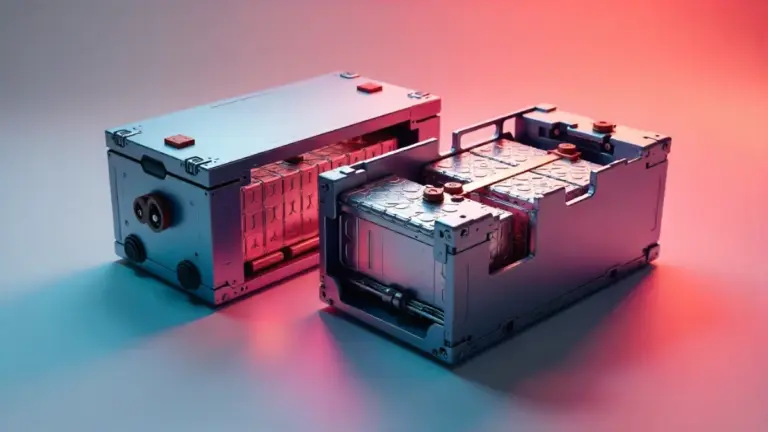
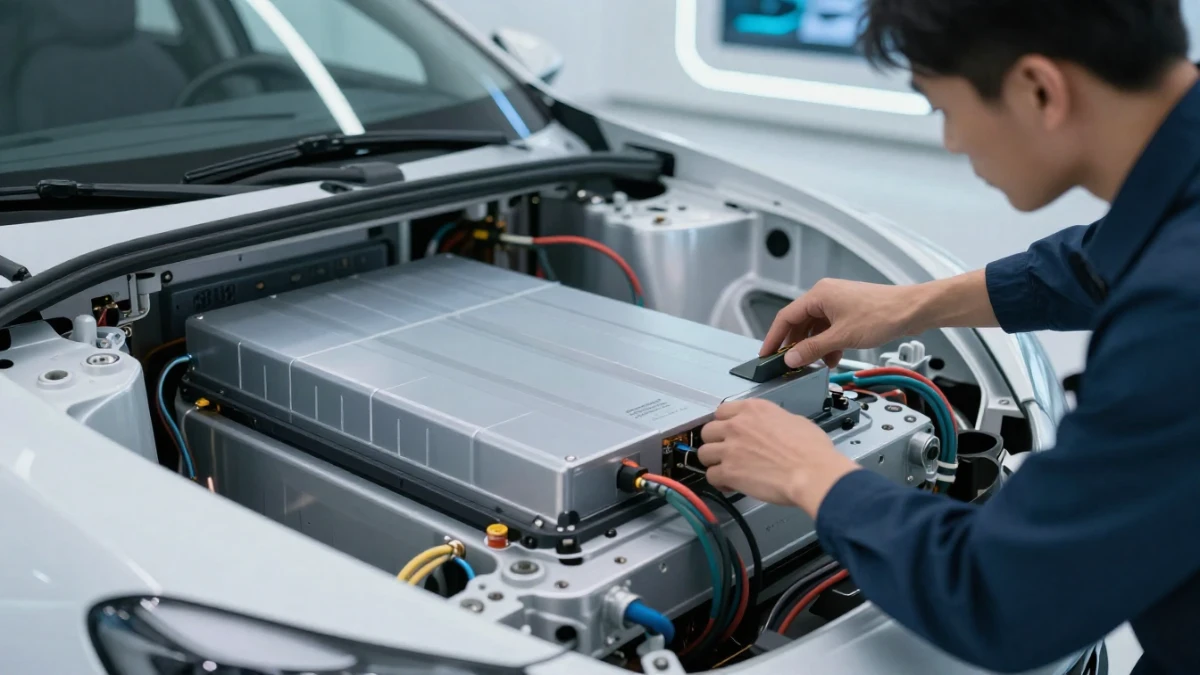
Think of an EV’s battery pack like your smartphone’s battery, only scaled up to the size of a suitcase and responsible for delivering 200–400+ miles of range per charge. It’s the most expensive single component in an electric car, often representing 30–50% of the vehicle’s total cost. So manufacturers and buyers alike have a huge stake in how it’s protected.
Here’s a quick breakdown of the types of warranties you’ll typically encounter with an EV:
- Basic / Bumper-to-Bumper Warranty: Covers most vehicle components for a set period—usually 3–5 years or 36,000–60,000 miles, whichever comes first. This includes your infotainment system, interior electronics, HVAC, and more.
- Powertrain Warranty: Covers the drivetrain components—in an EV, that’s primarily the electric motor(s), transmission (if applicable), and drive axles.
- Battery Warranty: The most important and EV-specific coverage. This protects the high-voltage battery pack against defects and—crucially—significant capacity loss.
- Corrosion / Rust Warranty: Covers rust perforation of body panels, typically for 5–12 years.
- Emissions Warranty: Required by federal law to cover emissions-related components, though less relevant for EVs.
Most EV owners are particularly interested in the battery warranty, and for good reason—a replacement battery pack can cost anywhere from $10,000 to $20,000 or more out of pocket.
Breaking Down the Battery Warranty: What’s Really Covered?
The Industry Standard: 8 Years / 100,000 Miles
Federal law mandates that EV manufacturers cover the battery pack for at least 8 years or 100,000 miles in states that follow California emissions standards—and most automakers apply this across all 50 states to keep things simple. That’s a reassuring baseline. However, the devil is in the details.
Most battery warranties cover two distinct scenarios:
- Manufacturing defects: If your battery fails outright due to a flaw in how it was made, the manufacturer will repair or replace it at no cost to you.
- Significant capacity loss: This is where things get interesting. EV batteries naturally degrade over time—just like your phone battery. Most warranties kick in if the battery’s capacity drops below a defined threshold, typically 70% of its original rated capacity.
So if your Tesla Model Y originally offered 330 miles of range and it degrades to 220 miles (roughly 66%), Tesla would cover a repair or replacement. But if it’s at 235 miles (71%)? You’re still technically within normal degradation, and you’d be on your own.
Capacity Retention Thresholds by Brand
Not all manufacturers set the same threshold. Here’s what several major brands promise:
- Tesla: 70% capacity retention over 8 years (varies by model—Long Range and Performance models get 100,000–150,000 miles)
- Hyundai / Kia: 70% retention over 10 years / 100,000 miles on many models
- GM (Chevy, GMC): 70% retention over 8 years / 100,000 miles
- Ford: Claims “normal” degradation is covered but doesn’t specify a threshold—read the fine print
- BMW: 70% retention over 8 years / 100,000 miles
My advice? Always ask the dealership for the specific capacity retention language in writing before you sign anything.
What the Warranty Doesn’t Cover (And What Might Surprise You)
Here’s where many EV owners get caught off guard. Even the most comprehensive warranty has exclusions, and knowing them upfront can save you from a nasty surprise down the road.
Common Exclusions
- Normal wear and tear (brake pads, tires, wiper blades)
- Cosmetic damage or paint issues (unless defective from the factory)
- Damage caused by accidents, flooding, or misuse
- Battery degradation that stays above the 70% threshold
- Damage from using non-approved charging equipment
- Modifications or aftermarket parts that affect covered systems
- Commercial use (rideshare, delivery) in some policies
That last point catches a lot of people off guard. If you plan to use your EV for Uber, Lyft, or a delivery service, check your warranty terms carefully. Some manufacturers void battery warranty coverage under high-cycle commercial use—though this is evolving as more drivers go electric for work.
The Charging Equipment Question
Here’s something worth paying close attention to: using third-party Level 2 chargers is almost universally fine. But some warranties get murky around damage caused by improper installation of home charging equipment. If a faulty home charger damages your onboard charger (the component inside your car that converts AC to DC), it may or may not be covered depending on how the manufacturer investigates the cause.
My recommendation: always use a certified electrician to install your home EV charger, and stick to reputable brands like ChargePoint, Eaton, or Grizzl-E. That paper trail matters if you ever need to make a warranty claim.
EV Warranty Comparison: How Top Brands Stack Up (2025)
To make your decision easier, here’s a side-by-side look at warranty coverage across some of the most popular EVs on the market right now:
| Brand & Model | Battery Warranty | Powertrain Warranty | Basic Coverage |
| Tesla Model 3/Y | 8 yrs / 100k–120k mi | 8 yrs / 100k–120k mi | 4 yrs / 50k mi |
| Chevrolet Equinox EV | 8 yrs / 100k mi | 5 yrs / 60k mi | 3 yrs / 36k mi |
| Ford Mustang Mach-E | 8 yrs / 100k mi | 5 yrs / 60k mi | 3 yrs / 36k mi |
| Hyundai IONIQ 6 | 10 yrs / 100k mi | 10 yrs / 100k mi | 5 yrs / 60k mi |
| BMW iX / i4 | 8 yrs / 100k mi | 4 yrs / 50k mi | 4 yrs / 50k mi |
| Rivian R1T / R1S | 8 yrs / 175k mi | 5 yrs / 60k mi | 5 yrs / 60k mi |
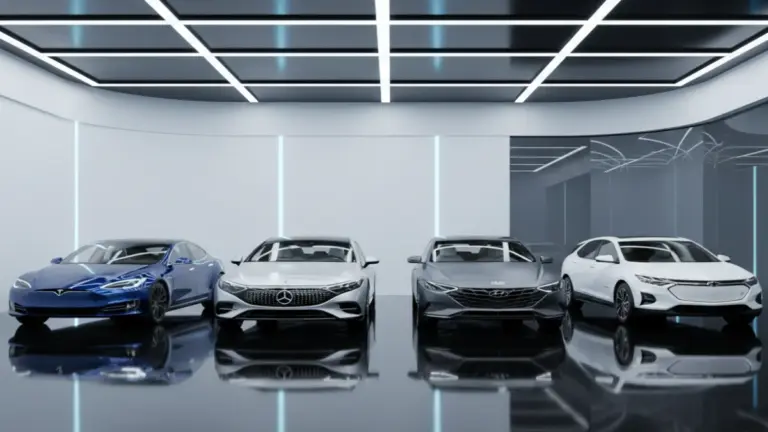
A few things jump out immediately. Hyundai offers exceptional battery coverage—10 years compared to the industry-standard 8. Rivian’s 175,000-mile battery warranty is the longest mileage cap in the mainstream market, making it a compelling choice for high-mileage drivers. Meanwhile, traditional automakers like Ford and GM stick close to federal minimums on basic coverage.
Making the Most of Your EV Warranty
Register Your Vehicle Promptly
This sounds obvious, but many people forget: your warranty clock starts at the date of purchase, not when you first drive the car. Register your vehicle with the manufacturer immediately to establish your coverage start date and ensure you receive recall and service notifications.
Keep Your Software Updated
One unique aspect of modern EVs—especially Teslas and Rivians—is that software updates can actually improve battery management, efficiency, and even range over time. Keeping your vehicle’s software current isn’t just about features; it’s part of proper maintenance that manufacturers may look at during warranty claims.
Document Everything
Whenever you bring your EV in for service—even for something minor—get a written record. Keep all your service receipts and any communications with the dealership or manufacturer. If you ever need to escalate a warranty dispute, documentation is your best friend.
Know Your State’s Lemon Laws
If your EV has been in the shop multiple times for the same defect without being successfully repaired, you may be entitled to a replacement or refund under your state’s lemon law. These laws vary by state, but they exist to protect consumers from persistent manufacturing defects. The National Consumer Law Center (nclc.org) is a great resource if you find yourself in this situation.
Extended Warranties and the Future of EV Coverage
Should You Buy an Extended Warranty?
Once your factory warranty expires, you’ll face a choice: go without coverage, purchase an extended warranty from the manufacturer, or buy a third-party vehicle service contract. My honest take? For EVs, I’d lean toward the manufacturer’s own extended warranty if one is available.
Third-party contracts often exclude EV-specific components or have complicated claims processes. Since EVs are still relatively new, independent warranty providers have limited actuarial data on long-term failure rates—meaning they may be more cautious about paying out claims. The manufacturer, by contrast, knows their own technology best and has reputational skin in the game.
What to Watch in the Coming Years
The EV warranty landscape is evolving rapidly. As battery technology matures—particularly with the shift toward solid-state batteries expected in the late 2020s—we’ll likely see longer warranties and higher capacity retention guarantees become the norm. Several automakers are already experimenting with battery health monitoring programs that provide real-time capacity data to owners, which should make warranty claims more transparent and data-driven.
There’s also growing momentum around battery second-life programs, where degraded EV batteries are repurposed for stationary energy storage. This could change how manufacturers think about battery replacement costs and, by extension, how aggressively they warranty their packs.
Final Thoughts: Knowledge Is Your Best Warranty
Electric car warranties offer genuinely strong protection—especially that federally mandated 8-year / 100,000-mile battery coverage. But like any insurance policy, the value lies in understanding exactly what you’re covered for before you need it.
Here are the key takeaways to carry with you:
- Your EV battery is covered for at least 8 years / 100,000 miles by federal law—and some brands go further.
- Capacity retention thresholds matter: know the specific percentage your manufacturer guarantees (typically 70%).
- Exclusions are real—commercial use, improper charging equipment, and aftermarket modifications can void coverage.
- Documentation is everything: keep service records and get everything in writing.
- Manufacturer-extended warranties are usually safer than third-party contracts for EVs.
Whether you’re shopping for your first EV or you’ve been driving electric for years, taking the time to read and understand your warranty isn’t just smart—it’s essential. Your EV is a remarkable piece of technology. Make sure it’s protected accordingly.