Sustainable Transportation: Revolutionizing the Way We Move
Sustainable transportation is transforming how we move, reducing emissions through green mobility solutions like public transit, cycling, and electric vehicles for a cleaner future.
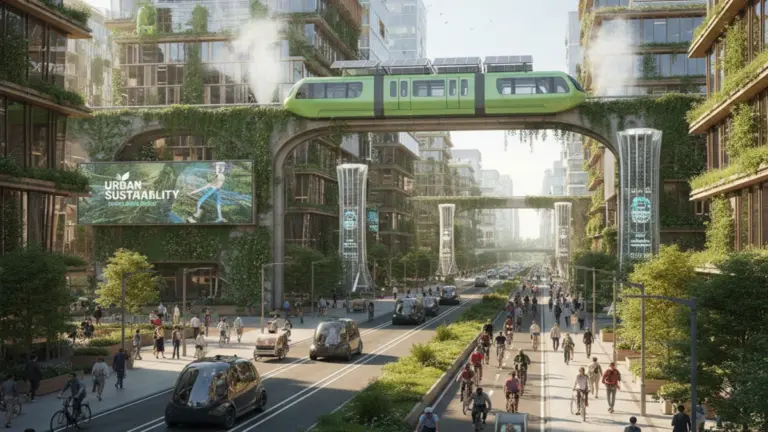
Sustainable transportation is transforming how we move, reducing emissions through green mobility solutions like public transit, cycling, and electric vehicles for a cleaner future.
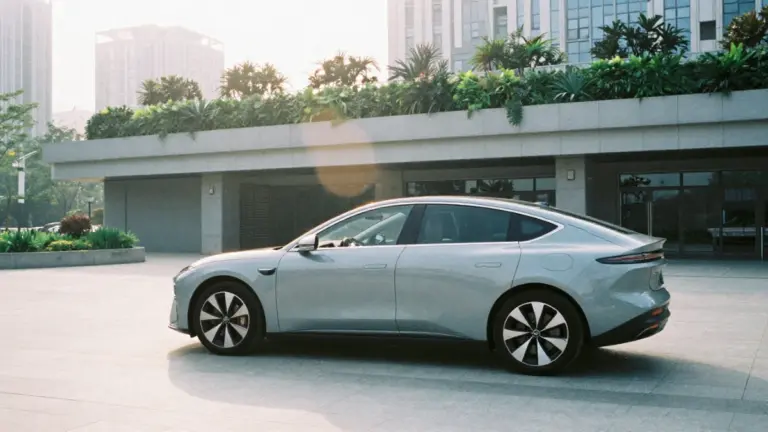
Electric vehicles deliver real savings, smoother driving, low maintenance, and cleaner air, making them a smart, practical upgrade beyond environmental hype.

Micromobility is reshaping cities in 2025, offering smarter, cleaner ways to travel short distances with e-scooters, e-bikes, cargo bikes, and integrated transport systems.
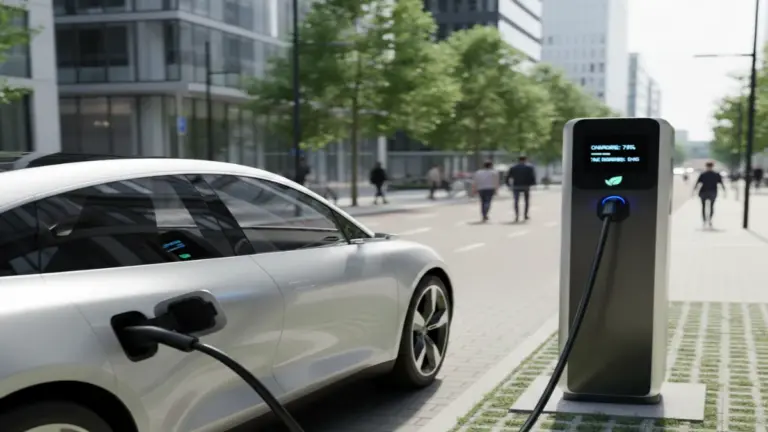
Learn how to find EV charging stations near you, plan routes, choose networks, and eliminate range anxiety with simple tools and smart charging strategies.
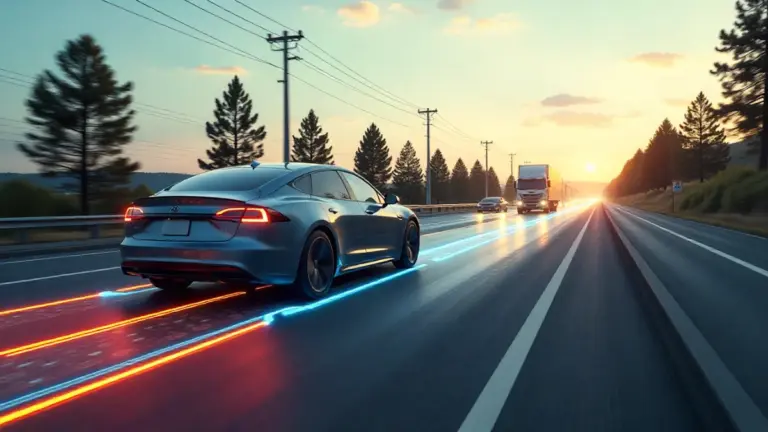
Imagine charging your EV while driving—discover how electric roads use inductive, conductive, and overhead systems to power vehicles on the move.
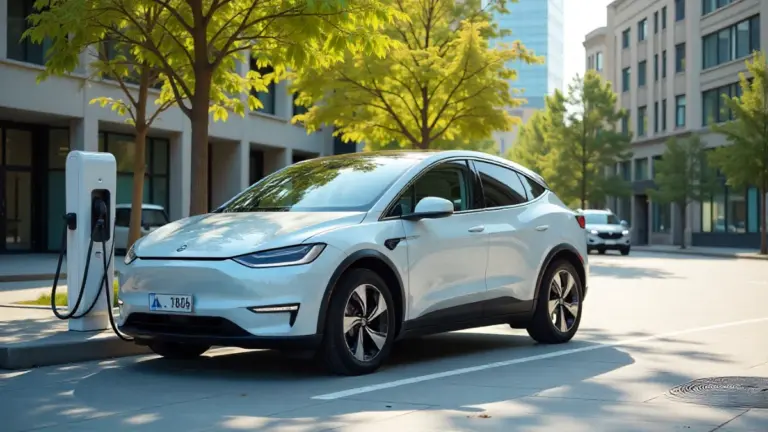
Finding public EV charging stations is easier than ever. This guide explains how to locate chargers, what to expect on arrival, and practical tips to make charging on the go simple and stress-free.
Electric cars are no longer niche—they’re becoming the mainstream choice worldwide. Falling prices, better range, and expanding infrastructure are accelerating adoption faster than expected.
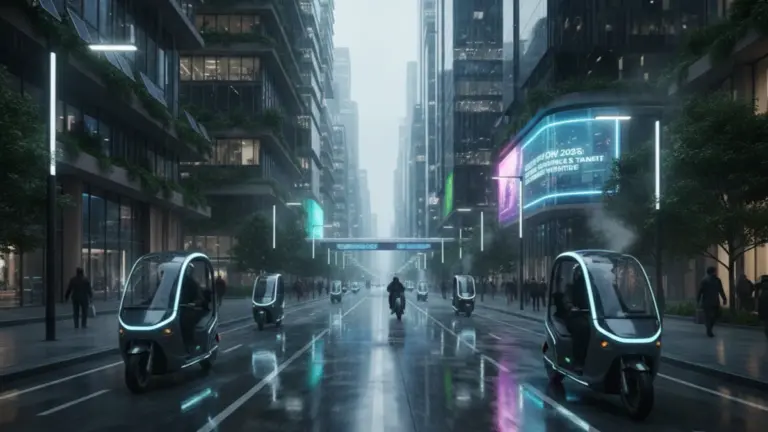
Micromobility in 2025 is transforming cities worldwide. From soaring market growth to environmental benefits and changing rider behaviors, these statistics reveal how e-bikes, e-scooters, and small EVs are reshaping modern transportation.
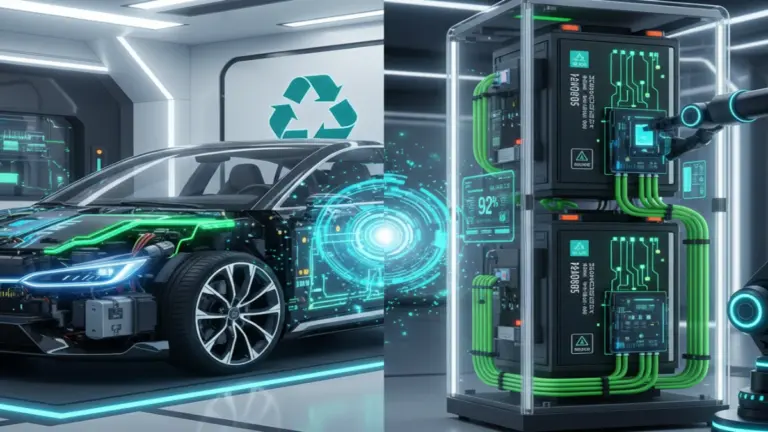
Electric vehicle batteries don’t simply “die.” They’re repurposed for energy storage and then recycled through advanced processes that recover valuable materials and support a sustainable circular economy.
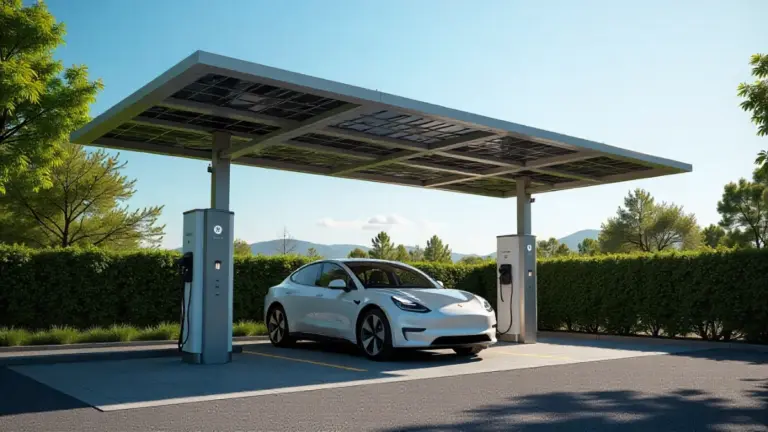
Solar-powered EV charging stations promise clean, sustainable energy, but their real impact depends on location, technology, and how they’re used. Here’s a clear breakdown of their benefits, limits, and future potential.