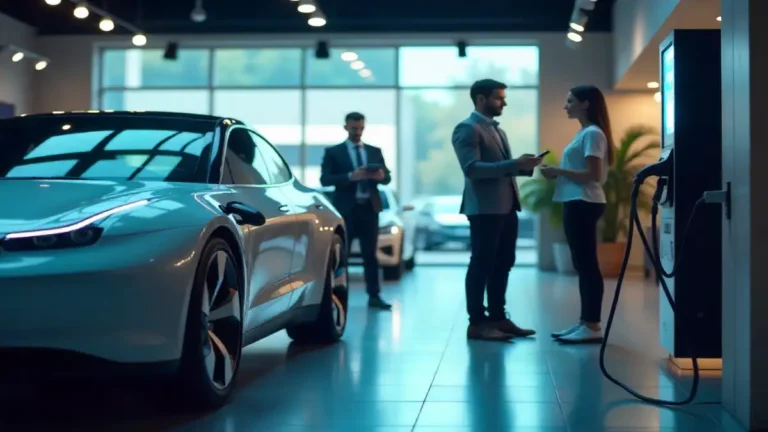
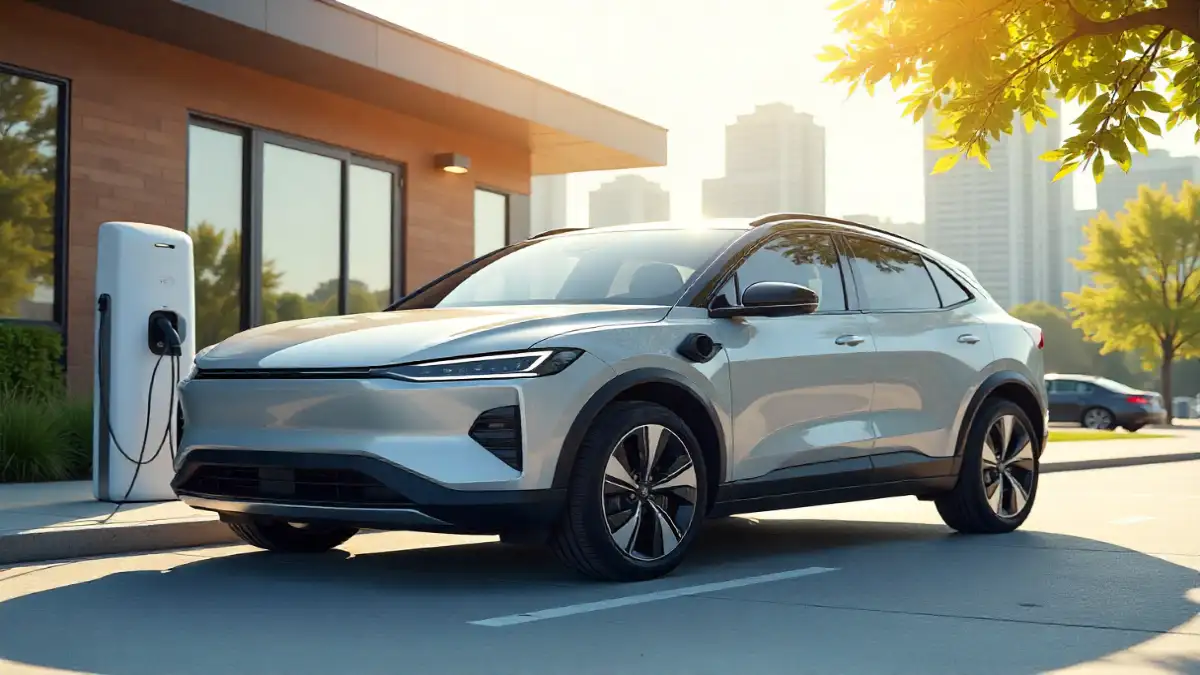
Picture this: you’re standing in a dealership, eyeing that sleek electric SUV, when the salesperson mentions you could save $7,500 thanks to electric car incentives. Suddenly, that monthly payment looks much more manageable. These incentives are designed to make your switch to electric vehicles not only eco-friendly but also financially smart.
If you’ve been on the fence about buying an electric car because of the price tag, you’re about to discover a treasure trove of savings opportunities. From federal tax credits to state rebates, utility company perks, and local incentives, there’s likely money waiting for you – you just need to know where to look.
Federal Tax Credits: Your Biggest Savings Opportunity
Let’s start with the heavy hitter – the federal EV tax credit. Under the Inflation Reduction Act, you can claim up to $7,500 for a new electric vehicle purchase. But here’s where it gets interesting: this isn’t your grandfather’s tax credit system anymore.
The new rules, which took effect in 2023, come with some strings attached. Your vehicle needs to meet final assembly requirements in North America, and there are income limits too. If you’re single and make more than $150,000, or married filing jointly earning over $300,000, you’re out of luck. The government also caps the vehicle price – $55,000 for cars and $80,000 for SUVs, trucks, and vans.
Here’s a game-changer though: starting in 2024, you can transfer this credit to the dealer and get the discount applied immediately at purchase. No more waiting until tax season to see your savings – you get them right there on the spot. It’s like having a $7,500 coupon for going electric.
But what about used EVs? The government hasn’t forgotten about budget-conscious buyers. There’s a separate $4,000 credit for qualified pre-owned electric vehicles, with lower income limits and a maximum vehicle price of $25,000.
State-Level Incentives: Where Location Really Pays Off
While federal credits grab the headlines, state incentives can be equally impressive – and sometimes even more generous. California leads the pack with its Clean Vehicle Rebate Project, offering up to $7,000 for battery electric vehicles. Combined with the federal credit, you’re looking at potential savings of over $14,000.
Colorado sweetens the deal with up to $5,000 in state tax credits, while New York offers rebates up to $2,000. Some states get creative with their incentives too. In Nevada, you might qualify for reduced registration fees, while several states offer HOV lane access – a perk that’s worth its weight in gold if you’ve ever been stuck in rush-hour traffic.
The key is understanding that these programs change frequently. States adjust their offerings based on budget availability and policy priorities. What’s available today might be different next year, so timing your purchase can matter significantly.
Local and Utility Company Perks: Hidden Gems in Your Backyard
Don’t overlook your local utility company – they’re often eager to support electric vehicle adoption. Many offer rebates for home charging station installations, which can save you hundreds of dollars on setting up your personal charging infrastructure.
Some utilities go further, offering special electricity rates for EV owners. Austin Energy in Texas, for example, provides discounted overnight charging rates, while Pacific Gas & Electric in California offers time-of-use plans that make charging during off-peak hours incredibly affordable.
Local municipalities sometimes add their own incentives to the mix. Cities might offer free parking for EVs, reduced permit fees for charging station installations, or even direct purchase rebates. These smaller incentives might not seem like much individually, but they add up quickly.
Workplace and Fleet Incentives: Money from Your Employer
If you’re fortunate enough to work for a forward-thinking company, you might find EV incentives in your employee benefits package. Some employers offer direct purchase incentives, subsidized charging at work, or preferential parking spots for electric vehicles.
The trend is growing as companies work toward sustainability goals. Tech giants like Google and Apple have comprehensive EV support programs for employees, but smaller companies are catching on too. It’s worth asking your HR department what’s available – you might be pleasantly surprised.
Maximizing Your Savings: Strategic Shopping Tips
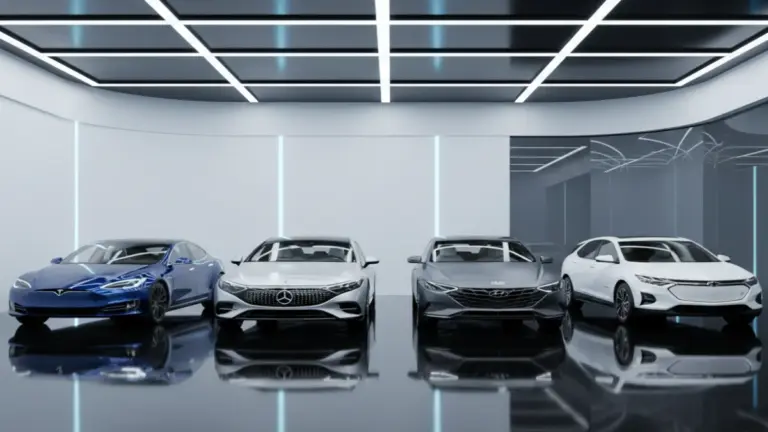
Here’s where savvy shopping really pays off. Different manufacturers qualify for different incentive levels, and understanding these differences can save you thousands. Some popular models have already hit their federal credit phase-out limits, while newer entrants to the market still qualify for full credits.
Research your timing too. Many state programs operate on a first-come, first-served basis with annual funding limits. Buying early in the year often gives you better odds of securing state incentives before the money runs out.
Consider the total cost of ownership, not just the purchase price. Factor in potential savings from reduced fuel costs, lower maintenance requirements, and any ongoing incentives like reduced registration fees or utility rate discounts.
Looking Ahead: The Evolving Incentive Landscape
The world of EV incentives is constantly evolving. As electric vehicle adoption grows, some incentives will naturally phase out while new ones emerge. The federal government has committed to supporting EV adoption through 2032, but the specifics will likely change.
Stay informed about policy changes, especially at the state level where political shifts can dramatically impact available programs. Following your state’s energy office or environmental department on social media can help you stay current on new opportunities.
Your Next Steps to EV Savings
Before you start shopping, take inventory of all available incentives in your area. The Department of Energy’s Alternative Fuels Data Center website offers a comprehensive database of federal, state, and local incentives. Your state energy office likely has resources too.
Consider working with dealers who understand the incentive landscape. They can help navigate the new point-of-sale federal credit transfer process and might know about manufacturer incentives you haven’t discovered yet.
Most importantly, don’t let perfect be the enemy of good. If you find a vehicle that meets your needs and qualifies for substantial incentives, the financial benefits of going electric are compelling. Between lower operating costs and available incentives, your electric vehicle might cost less than you think – and definitely less than you’d expect. The question isn’t whether you can afford to go electric; it’s whether you can afford not to explore these money-saving opportunities.