You’ve probably heard it a thousand times: we need to do something about climate change. One of the most effective ways individuals can make a difference today is by switching to electric cars. Electric cars and climate change are directly connected—every time we drive a gas-powered vehicle, we add greenhouse gases to the atmosphere, but EVs offer a practical way to cut emissions and protect our planet.
Here’s a surprising fact that might change how you think about your daily commute: transportation accounts for about 27% of greenhouse gas emissions in the United States, making it the largest contributor. And guess what? Nearly 60% of those emissions come from the cars we drive every day. That’s where electric vehicles come into the picture—not as some far-off futuristic solution, but as a practical tool we can use right now to make a real difference.
Why Your Gas Car Is More Than Just a Vehicle—It’s a Carbon Factory
Let’s get real about what happens when you drive a traditional gas-powered car. Every gallon of gasoline you burn releases about 20 pounds of carbon dioxide into the atmosphere. Think about that for a second. If you’re driving a typical car that gets 25 miles per gallon and you cover 12,000 miles a year, you’re personally responsible for pumping nearly 10,000 pounds of CO2 into the air annually. That’s roughly the weight of two adult elephants.
But it’s not just about the CO2. Gasoline engines also emit nitrogen oxides, particulate matter, and other pollutants that contribute to smog, acid rain, and respiratory problems. These emissions don’t just disappear—they accumulate in our atmosphere, trapping heat and gradually warming the planet.
Here’s what makes this particularly frustrating: traditional internal combustion engines are incredibly inefficient. They convert only about 20-30% of the energy in gasoline into actual motion. The rest? Wasted as heat. It’s like paying for a full pizza and throwing away seven out of ten slices.
How Electric Cars Actually Cut Emissions (Even When You Consider the Full Picture)
Now, I know what you’re thinking: “But Roy, doesn’t the electricity for EVs come from power plants that burn fossil fuels?” You’re absolutely right to ask that question, and it’s one of the most important aspects of this conversation.
The truth is, even when you factor in the electricity generation, electric cars produce significantly fewer emissions over their lifetime compared to gas-powered vehicles. Here’s why: electric motors are remarkably efficient, converting about 77-90% of the electrical energy into motion. That’s three to four times more efficient than gas engines.
Let’s look at some real numbers. According to research from the Union of Concerned Scientists, the average electric car in the United States produces emissions equivalent to a gasoline car that gets 88 miles per gallon. And that’s using today’s power grid, which still relies heavily on fossil fuels in many regions.
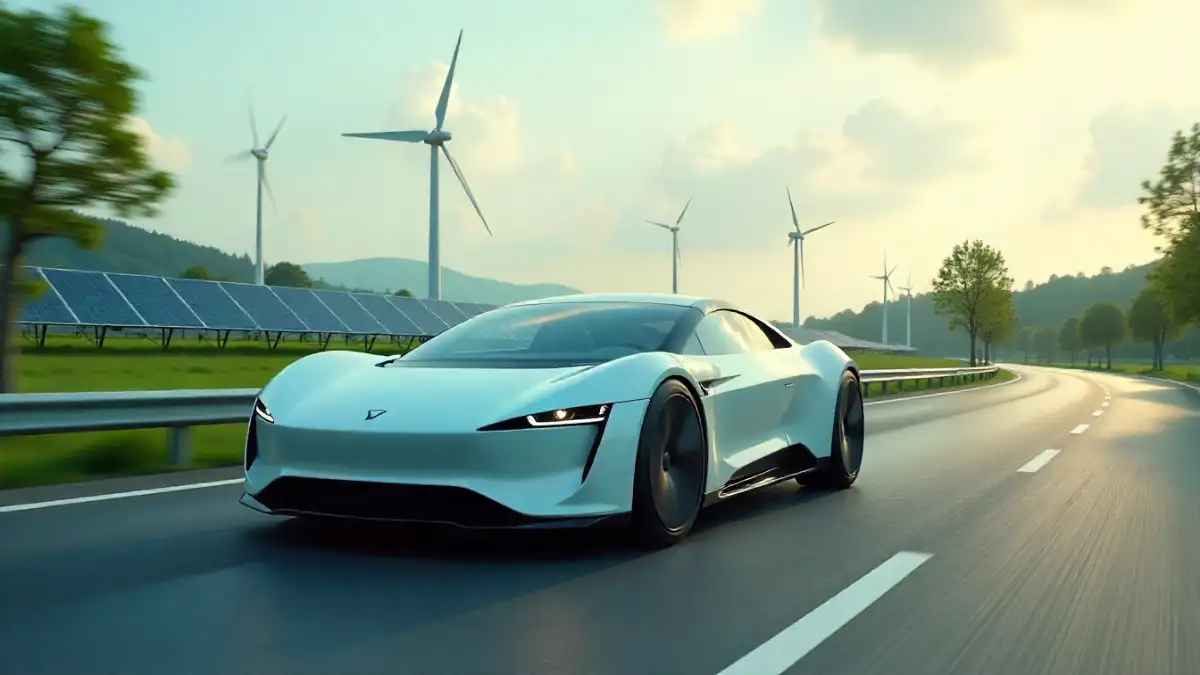
But here’s where it gets even better: as our electrical grid becomes cleaner—with more renewable energy from solar, wind, and hydroelectric sources—every electric car on the road automatically becomes cleaner too. Your gas car will always emit the same amount of CO2 per gallon, but your EV’s emissions footprint shrinks as the grid improves. It’s like buying a car that gets more environmentally friendly every year without you doing anything.
The Battery Question: Addressing the Elephant in the Room
I’d be doing you a disservice if I didn’t talk about the environmental impact of EV batteries. Manufacturing lithium-ion batteries does require significant energy and resources, and yes, this creates what’s called a “carbon debt” that needs to be paid back over the vehicle’s lifetime.
A typical EV battery production process generates about 2.5 to 16 tons of CO2 equivalent, depending on the battery size and where it’s manufactured. That’s not insignificant. However, studies consistently show that electric cars make up for this initial carbon debt relatively quickly—usually within 1 to 2 years of driving, depending on your local electricity sources.
Think of it like this: it’s similar to the energy investment required to install solar panels on your roof. Yes, there’s an upfront environmental cost, but over time, the emissions savings far outweigh the initial impact.
Plus, the industry is improving rapidly. Battery manufacturers are increasingly using renewable energy in their production facilities, and we’re getting better at recycling old EV batteries. Companies like Tesla, GM, and Volkswagen are already operating or building battery recycling facilities that can recover up to 95% of battery materials for reuse.
Real-World Impact: The Numbers That Actually Matter
Let’s bring this down to earth with some concrete examples. If you drive a Tesla Model 3 or a Chevrolet Bolt instead of a comparable gas-powered sedan, you’ll avoid emitting approximately 4 to 5 tons of CO2 per year, even accounting for electricity generation. Over a typical 10-year ownership period, that’s 40-50 tons of CO2—equivalent to planting about 600-750 trees.
Now multiply that by millions of drivers. If just 10% of the 280 million cars on American roads were electric, we’d reduce annual CO2 emissions by more than 100 million tons. That’s like taking 20 million gas-powered cars off the road entirely.
Some countries are already seeing these benefits at scale. Norway, where electric vehicles make up over 80% of new car sales, has seen transportation emissions drop significantly despite more people driving. The Netherlands, Iceland, and Sweden are following similar paths with impressive results.
Beyond Tailpipe Emissions: The Hidden Climate Benefits
Here’s something most people don’t consider: electric cars also reduce other forms of environmental damage beyond just greenhouse gases. They don’t need oil changes, so you’re not generating waste oil. They have fewer parts that wear out, meaning less manufacturing demand for replacement components. They reduce urban heat island effects because they don’t produce waste heat like gas engines do.
There’s also an economic domino effect. As more people switch to EVs, the demand for gasoline decreases, which can reduce the incentive for environmentally destructive oil extraction, including offshore drilling and tar sands operations. Every electric car on the road is essentially a vote against fossil fuel infrastructure.
And let’s not forget about air quality. While this isn’t directly about greenhouse gases, the reduction in local air pollution from EVs has immediate health benefits, especially in cities. Fewer respiratory illnesses, fewer hospital visits, and better quality of life—these are climate-adjacent benefits that are just as important.
The Grid Is Getting Greener—And So Are EVs
One of the most exciting aspects of electric vehicle adoption is how it pairs with renewable energy growth. In 2023, renewable energy sources generated about 21% of U.S. electricity, and that percentage is climbing every year. In states like California, Iowa, and Vermont, renewable energy makes up an even larger share.
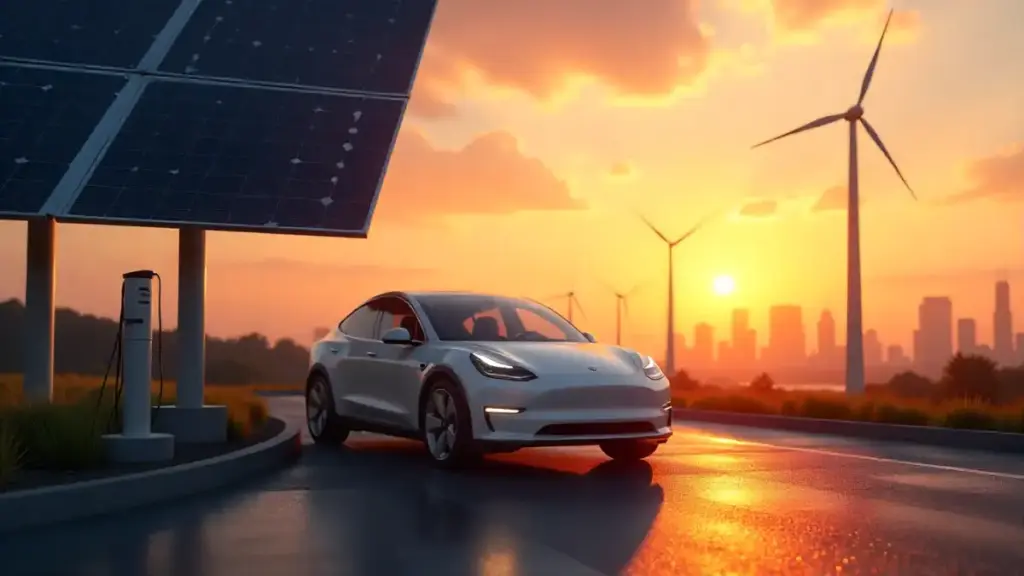
Here’s where it gets interesting: EVs can actually help stabilize renewable energy grids. Solar and wind power are variable—the sun doesn’t always shine, and the wind doesn’t always blow. But millions of EV batteries connected to the grid could act as massive energy storage systems, charging when renewable energy is abundant and even feeding power back to the grid during peak demand. This technology, called vehicle-to-grid (V2G), is already being tested in several countries.
Imagine your car helping to balance the electrical grid while it’s parked in your driveway, and getting paid for it. That’s not science fiction—it’s happening right now in pilot programs around the world.
What You Can Do: Making the Switch Count
So, are electric cars a silver bullet for climate change? No—there’s no such thing. We need a comprehensive approach that includes public transportation, urban planning, renewable energy, and yes, personal responsibility. But EVs are a crucial piece of the puzzle, one that you can directly participate in.
If you’re considering making the switch, here’s my advice: look at your actual driving patterns. Most Americans drive less than 40 miles per day, which means even affordable EVs with 200+ mile ranges have you covered for daily use. Calculate your potential emissions savings using online tools (the EPA has a great one). And don’t forget to factor in the lower operating costs—no gas, less maintenance, and often cheaper electricity rates if you charge at home overnight.
If buying an EV isn’t feasible right now, don’t worry. Supporting policies that promote clean energy, using public transportation when possible, and even just maintaining your current vehicle properly all make a difference.
The Bottom Line
Climate change is the defining challenge of our generation, and the decisions we make today about transportation will echo for decades. Electric cars aren’t perfect, but they’re significantly better than the alternative, and they’re getting better every year.
The internal combustion engine has served us well for over a century, but it’s time to move on. Every electric car on the road is a step toward cleaner air, a more stable climate, and a healthier planet for future generations. The technology is here, the infrastructure is improving, and the environmental benefits are undeniable.
The question isn’t whether electric cars help combat climate change—the data clearly shows they do. The question is: how quickly can we make the transition? And the answer to that depends on choices made by people just like you.
Your next car could be part of the problem, or it could be part of the solution. What will you choose?