Brief Description: This article explores the full spectrum of sustainable transportation options available today—from electric vehicles and public transit to bike-sharing and innovative urban planning solutions—helping readers understand how they can reduce their carbon footprint while still getting where they need to go efficiently and affordably.
Have you ever sat in traffic, watching your gas gauge drop and your stress levels rise, and thought, “There’s got to be a better way”? Well, here’s the good news: there absolutely is. In fact, there are dozens of better ways, and they’re becoming more accessible, affordable, and practical every single day.
Sustainable transportation isn’t just some distant dream anymore—it’s happening right now, in cities and towns across the globe. Whether you’re commuting to work, picking up groceries, or planning a road trip, there are greener options that can fit your lifestyle without requiring you to make huge sacrifices. Let me walk you through what’s actually working today and how you might be able to incorporate these solutions into your own life.
The Electric Revolution: More Than Just Cars
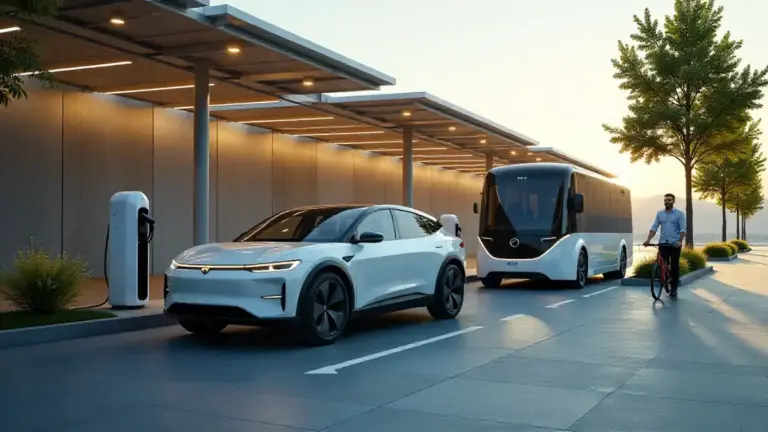
When most people think about sustainable transportation, electric vehicles immediately come to mind—and for good reason. EVs have made enormous strides in the past few years, but the electric revolution extends far beyond just passenger cars.
Electric Cars: The Gateway to Green Commuting
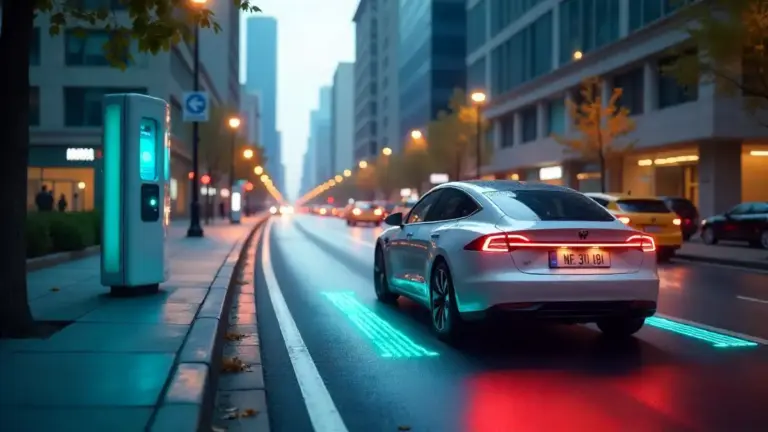
Let’s start with the obvious one. Electric cars have gone from quirky science experiments to legitimate alternatives that often outperform their gas-guzzling counterparts. Models like the Tesla Model 3, Chevrolet Bolt, and Ford F-150 Lightning aren’t just environmentally friendly—they’re genuinely fun to drive, with instant torque that’ll put a smile on your face every time you accelerate onto the highway.
The range anxiety that plagued early EVs? Largely solved. Most new electric vehicles can travel 250-350 miles on a single charge, which covers the vast majority of daily driving needs. And charging infrastructure is expanding rapidly—there are now over 50,000 public charging stations across the United States alone, with thousands more being added each year.
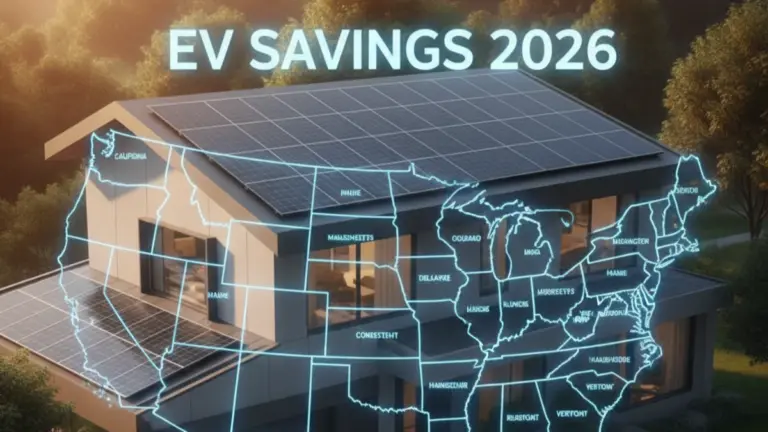
Here’s something that might surprise you: the total cost of ownership for many EVs is actually lower than comparable gas vehicles when you factor in fuel savings, reduced maintenance (no oil changes, fewer brake replacements thanks to regenerative braking), and available tax incentives. The federal government currently offers up to $7,500 in tax credits for new EV purchases, and many states add their own incentives on top of that.
Beyond Cars: Electric Bikes, Scooters, and More
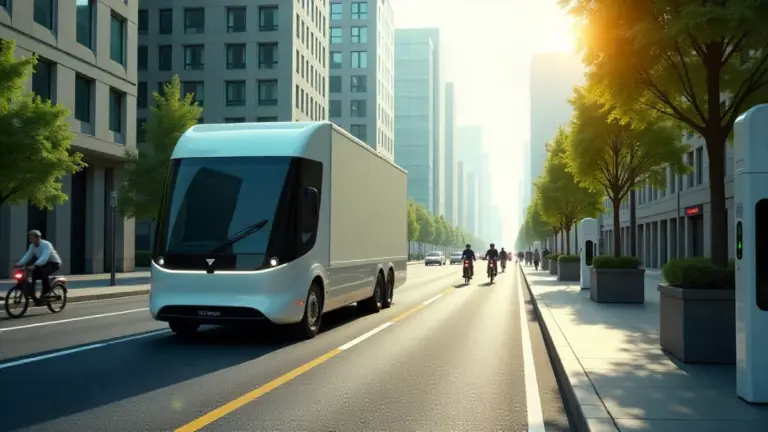
But electric transportation doesn’t stop at four wheels. E-bikes have absolutely exploded in popularity, and once you try one, you’ll understand why. They give you the health benefits and flexibility of cycling without arriving at your destination drenched in sweat. For urban commuters, an e-bike can often be faster than a car for trips under five miles—you can zip through traffic, take shortcuts through parks, and never worry about parking.
Electric scooters, motorcycles, and even electric skateboards are filling niches for different types of riders. Cities like Portland, Copenhagen, and Amsterdam have embraced these micromobility solutions, and they’re transforming how people think about short trips. Why fire up a 3,000-pound vehicle to grab coffee three blocks away when you can glide there on an e-scooter in two minutes?
Public Transportation: The Unsung Hero
I know what you’re thinking: “Public transit? Really?” But hear me out. Modern public transportation systems are nothing like the stereotype of dirty, unreliable buses and trains. Cities that have invested in their transit infrastructure are reaping enormous benefits—both environmental and economic.
The Environmental Math is Compelling
A single full bus takes approximately 40 cars off the road. A commuter train? That can replace hundreds of vehicles. The carbon footprint per passenger mile on public transit is dramatically lower than single-occupancy vehicles—we’re talking about emissions reductions of 45-75% depending on the system and route.
Cities like Zurich, Tokyo, and Singapore have built world-class transit systems that are faster, more reliable, and more comfortable than driving. Even in North America, cities are catching up. Seattle’s light rail expansion, Toronto’s subway system, and New York’s ongoing improvements show what’s possible when communities prioritize transit.
The Real-World Benefits Beyond Carbon
But here’s what really sells people on public transportation once they give it a try: you get your time back. Instead of white-knuckling a steering wheel in rush-hour traffic, you can read a book, catch up on emails, listen to a podcast, or simply relax. That daily commute transforms from wasted time into productive or restorative time.
Plus, there’s an economic argument that often gets overlooked. The average American spends over $10,000 per year on car ownership when you account for payments, insurance, gas, maintenance, and parking. A monthly transit pass? Usually $70-150. That’s potentially thousands of dollars per year back in your pocket.
Active Transportation: The Original Sustainable Solution
Sometimes the most sustainable solution is also the simplest: human power. Walking and cycling produce zero emissions, cost virtually nothing, and come with incredible health benefits. It’s almost too good to be true—except it absolutely is true.
Walking: Simple, Free, Effective
In neighborhoods designed for walkability, residents report higher happiness levels, better health outcomes, and stronger community connections. The “15-minute city” concept—where everything you need for daily life is within a 15-minute walk—is being adopted by cities from Paris to Portland. It’s not just environmentally sustainable; it creates more vibrant, livable communities.
The challenge, of course, is that many North American communities were built around cars. But that’s changing. Complete streets initiatives are redesigning roads to accommodate pedestrians and cyclists, not just vehicles. Protected bike lanes, improved crosswalks, and pedestrian-friendly zoning are making active transportation safer and more practical.
Cycling: Fast, Healthy, and Increasingly Safe
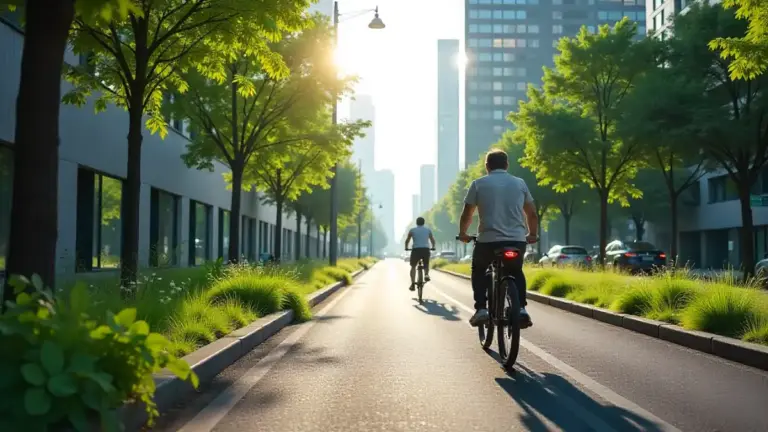
Cycling is experiencing a renaissance, particularly in cities that have invested in protected bike infrastructure. When cyclists have their own lanes separated from car traffic, ridership skyrockets—and for good reason. It’s safer, faster, and far less stressful than weaving through traffic.
Copenhagen provides an excellent case study. Over 60% of residents commute by bike, not because Danes are inherently more athletic or environmentally conscious, but because the city has made cycling the most convenient option. Protected lanes, bike-priority traffic signals, and secure parking facilities make cycling the obvious choice for many trips.
Shared Mobility: Getting More from Less
Here’s a fascinating statistic: the average car sits parked and unused about 95% of the time. That’s an incredibly inefficient use of resources—both environmental and financial. Shared mobility solutions are tackling this problem from multiple angles.
Car-Sharing and Ride-Sharing Services
Car-sharing services like Zipcar and Turo allow people to access vehicles when they need them without the burden of ownership. For many urban dwellers, this makes perfect sense. Why pay for insurance, parking, and maintenance for a car that mostly sits idle when you can rent one for the occasional trip out of town or IKEA run?
Ride-sharing apps like Uber and Lyft have their controversies, but they’ve also reduced the need for car ownership in many cities. When combined with public transit for regular commuting, ride-sharing for occasional trips can significantly reduce your transportation carbon footprint compared to owning a personal vehicle.
Bike-Sharing and Scooter-Sharing
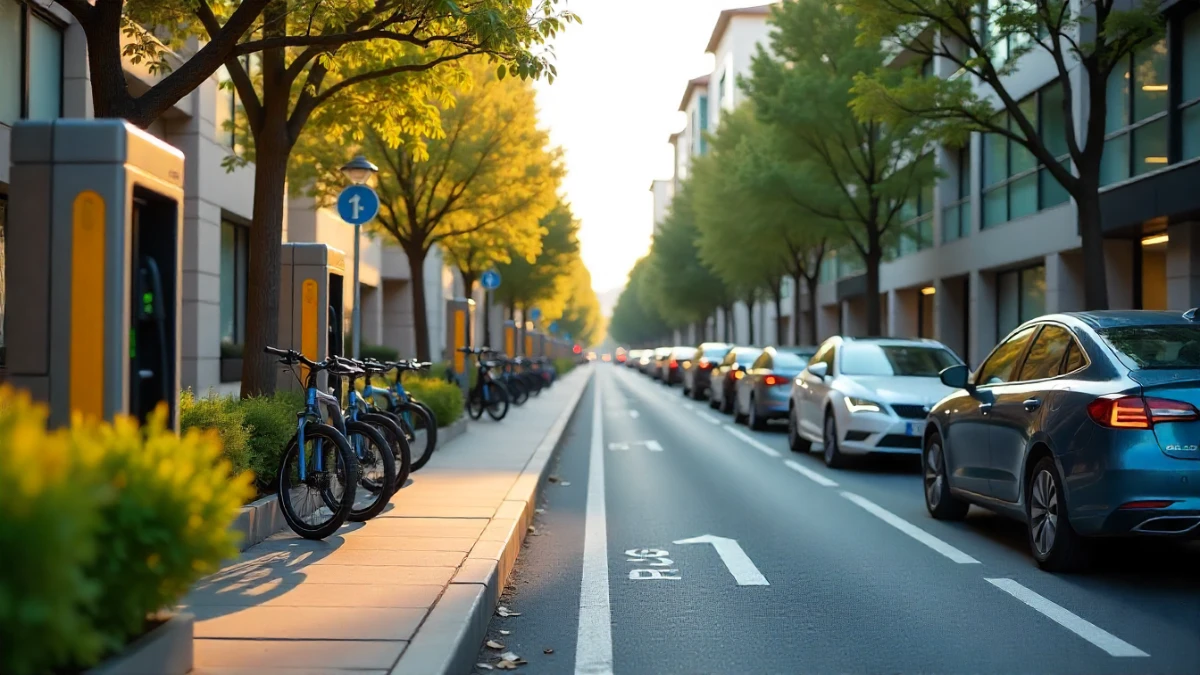
Bike-sharing programs have transformed urban mobility in cities worldwide. Whether it’s docked systems like Citi Bike in New York or dockless options that you can leave anywhere, these programs make cycling accessible even if you don’t own a bike or have secure storage for one.
The same goes for shared electric scooters. Yes, they can be controversial—those scooters scattered on sidewalks aren’t winning beauty contests—but they’re solving a real problem: the “last mile” connection between transit stations and final destinations. For many people, they’ve made car-free commuting finally feasible.
Innovative Solutions on the Horizon
The future of sustainable transportation is even more exciting than the present. Let me share some developments that are moving from concept to reality faster than most people realize.
Electric Aviation is Taking Off (Literally)
Electric aircraft for short regional flights are in active development, with companies like Heart Aerospace and ZeroAvia conducting test flights. We’re probably five to ten years away from commercial electric flights for routes under 500 miles, which could dramatically reduce aviation’s carbon footprint for shorter trips.
Autonomous Vehicles: Efficiency Through Intelligence
Self-driving vehicles promise to reduce traffic congestion, optimize routes for efficiency, and enable new forms of shared mobility. Imagine summoning a shared autonomous EV that picks up multiple passengers heading in the same direction—the efficiency gains would be enormous. We’re not quite there yet, but the technology is advancing rapidly.
Hyperloop and High-Speed Rail
While hyperloop technology remains experimental, high-speed rail is proven and expanding globally. Countries like Spain, China, and Japan have demonstrated that electric high-speed trains can replace short-haul flights for intercity travel, offering a more sustainable option that’s often faster door-to-door when you factor in airport security and waiting times.
Making It Work in Your Life: Practical Steps
All of this sounds great in theory, but how do you actually incorporate sustainable transportation into your real life? Let me offer some practical suggestions based on what’s worked for others—and what might work for you.
Start With Low-Hanging Fruit
You don’t need to immediately sell your car and commit to bike commuting year-round. Start small. Can you walk or bike to nearby errands instead of driving? Can you take public transit one or two days per week? Can you carpool with coworkers who live nearby?
These small changes add up faster than you might expect. If you can replace just 20% of your car trips with sustainable alternatives, you’re making a significant impact—and probably saving money too.
Evaluate Your Actual Needs
Most people overestimate how often they actually need a personal vehicle. Try tracking your trips for a month. You might discover that 80% of your driving is within a three-mile radius of your home—precisely the distances where alternatives to driving are most practical and pleasant.
If you do need a car occasionally for longer trips or hauling stuff, consider whether car-sharing or rental services could meet those needs more economically than ownership. Run the numbers; you might be surprised.
Take Advantage of Financial Incentives
Federal, state, and local governments offer various incentives for sustainable transportation choices. Beyond EV tax credits, there are commuter benefits, bike-to-work programs, and transit subsidies. Many employers offer pre-tax commuter benefits that can save you hundreds of dollars annually. These aren’t handouts—they’re smart policies that recognize the social benefits of reducing single-occupancy vehicle trips.
Advocate for Better Infrastructure
Individual choices matter, but systemic change matters more. Attend local planning meetings, support candidates who prioritize sustainable transportation infrastructure, and let your representatives know that protected bike lanes, improved transit, and pedestrian-friendly development are important to you.
Cities with the best sustainable transportation options didn’t get there by accident—they got there because residents demanded them. Your voice matters in shaping your community’s transportation future.
The Bottom Line: It’s About Choice and Flexibility
Here’s what I want you to take away from this: sustainable transportation isn’t about sacrifice or going backward. It’s about having better options that work for your life while also being better for the planet, your health, and often your wallet.
You don’t have to be perfect. You don’t have to swear off cars completely or commit to cycling in snowstorms. The goal is progress, not perfection. Every car trip you can replace with a sustainable alternative makes a difference—not just environmentally, but in creating demand for better infrastructure and more options for everyone.
The transformation is already underway. Electric vehicles are becoming mainstream, cities are building better bike lanes and transit systems, and new technologies are emerging constantly. The question isn’t whether sustainable transportation will become dominant—it’s how quickly we’ll get there and whether you’ll be part of that transition.
So here’s my challenge to you: try something new this week. Take the bus one day. Walk to the store instead of driving. Try an e-bike if you have access to one. See how it feels. You might discover that getting around greener isn’t just good for the planet—it might actually be more enjoyable than what you’re doing now.
The future of transportation is cleaner, more efficient, and more accessible than ever before. And the best part? That future is already here. You just need to hop on board.