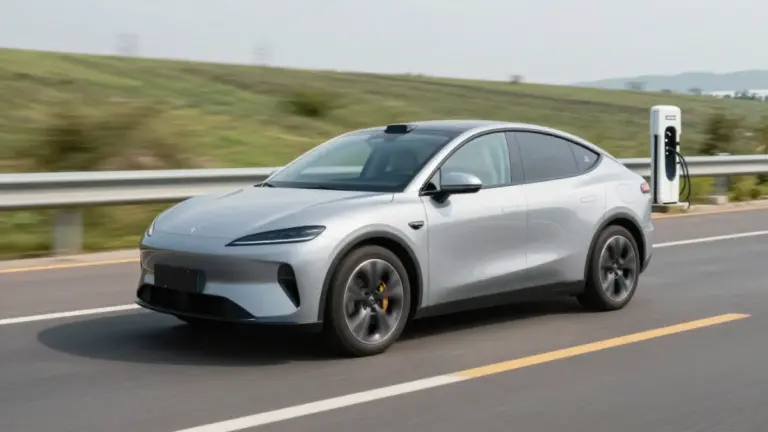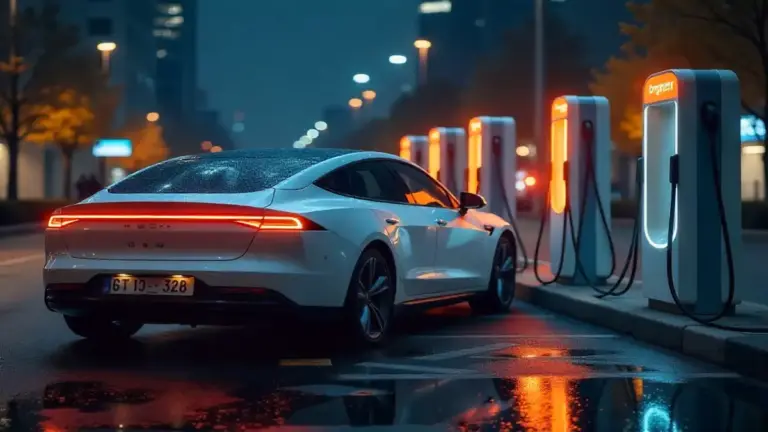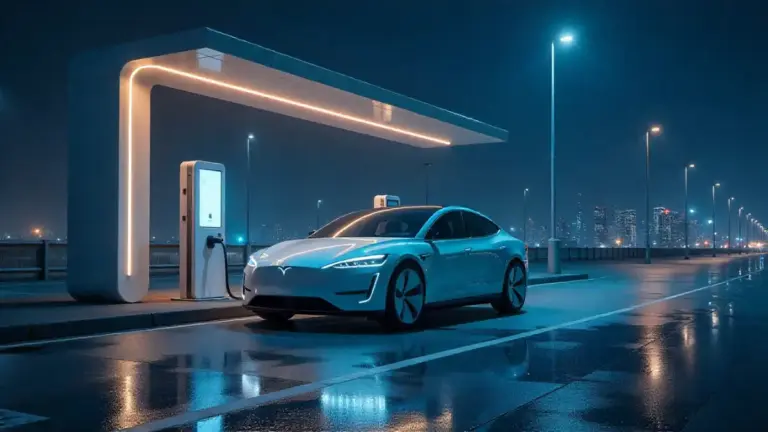
The future of electric car technology is closer than you think. Imagine sipping your morning coffee while your electric car drives itself, optimizes traffic routes, and even sells excess energy back to the grid. This isn’t science fiction—autonomous and smart EVs are transforming the way we drive and interact with transportation every day.
I’ve been following the electric vehicle revolution for years, and I can tell you that we’re standing at the edge of something truly extraordinary. The electric cars rolling off production lines today are just the opening act. What’s coming next will fundamentally change not just how we drive, but how we think about transportation, energy, and even our daily routines.
Let’s dive into the fascinating world of tomorrow’s electric vehicles and explore the technologies that will reshape our roads, our cities, and our lives.
The Self-Driving Revolution: When Your Car Becomes Your Chauffeur
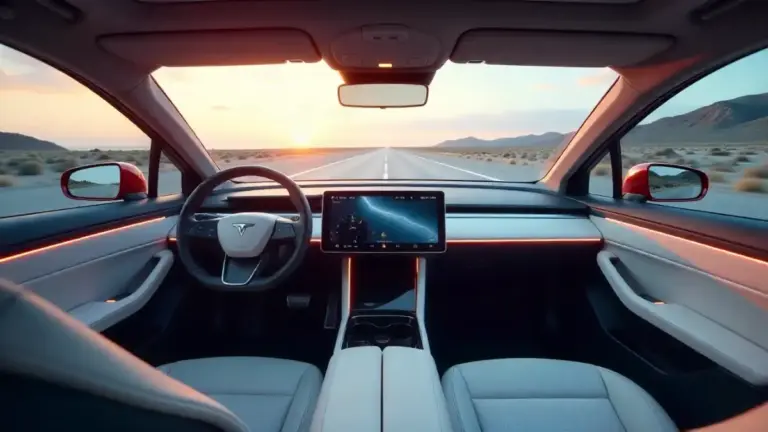
Remember when cruise control felt like the height of automotive luxury? Those days seem quaint compared to what’s brewing in the world of autonomous driving. Tesla’s Full Self-Driving capability is already giving us glimpses of the future, but it’s just the beginning of a much larger transformation.
The marriage between electric vehicles and autonomous driving isn’t coincidental – it’s inevitable. Electric cars are essentially computers on wheels, packed with sensors, cameras, and processing power that make self-driving possible. Unlike traditional gas-powered vehicles, EVs don’t have to work around noisy engines or complex mechanical systems that can interfere with the delicate sensors needed for autonomous operation.
Take Waymo’s fully autonomous taxis, already operating in Phoenix and San Francisco. These vehicles have logged millions of miles, learning and adapting with each trip. But here’s what excites me most: the next generation of autonomous EVs won’t just drive themselves – they’ll communicate with each other and with smart city infrastructure to optimize traffic flow in ways we’ve never seen before.
Imagine pulling into a parking garage where your car drops you off at the entrance, then finds and parks itself in the optimal spot. Or consider how autonomous EVs could revolutionize ride-sharing by operating 24/7 without human drivers, dramatically reducing transportation costs for everyone.
The technology is advancing rapidly, but the real breakthrough will come when these systems become reliable enough for widespread adoption. Companies like Mercedes-Benz are already offering Level 3 autonomy in certain conditions, where the car truly takes over driving responsibilities. Within the next decade, I expect we’ll see Level 4 and 5 autonomous vehicles become commonplace, fundamentally changing our relationship with personal transportation.
Battery Breakthroughs: The Heart of Tomorrow’s EVs
If autonomous driving is the brain of future electric vehicles, then advanced batteries are definitely the heart. The lithium-ion batteries powering today’s EVs are impressive, but they’re about to be overshadowed by technologies that will make current range anxiety seem like a distant memory.
Solid-state batteries represent perhaps the most significant leap forward. Unlike today’s liquid electrolyte batteries, solid-state versions promise to charge faster, last longer, and pack more energy into smaller spaces. Toyota has been particularly vocal about their solid-state battery development, claiming they’ll offer charging times of just 10 minutes for hundreds of miles of range.
But here’s what really gets me excited: these batteries won’t just power your car longer – they’ll power it smarter. Advanced battery management systems will learn your driving patterns and optimize charging cycles accordingly. Your car will know that you typically drive to work on Monday mornings and will pre-condition the battery for optimal performance and efficiency.
Silicon nanowire anodes are another game-changing technology on the horizon. These could potentially increase battery capacity by up to 10 times compared to current graphite anodes. Imagine an electric SUV with a 2,000-mile range – suddenly, long road trips become more convenient in an EV than in a gas car.
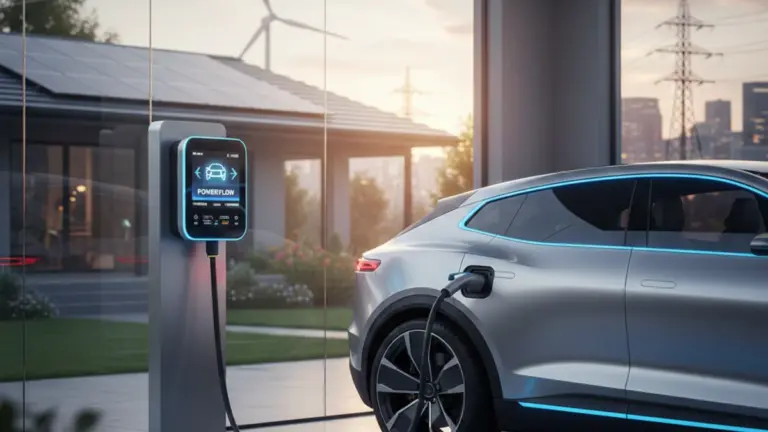
The charging experience is evolving too. We’re moving beyond plugging in to wireless charging systems that power your car simply by parking over a charging pad. Some companies are even developing dynamic wireless charging – roads that charge your car as you drive on them. It sounds futuristic, but pilot programs are already underway in several countries.
Vehicle-to-Grid: When Your Car Becomes a Power Plant
Here’s where things get really interesting. Future electric vehicles won’t just consume energy – they’ll become active participants in our electrical grid system. Vehicle-to-grid (V2G) technology transforms your car into a mobile power station that can sell electricity back to the utility company during peak demand periods.
Think about it: your car sits parked about 95% of the time. Instead of just sitting there, what if that massive battery could help stabilize the electrical grid and put money in your pocket? During hot summer afternoons when air conditioning demand peaks, your car could automatically sell power back to the grid at premium rates, then recharge later when electricity is cheaper and cleaner.
Ford’s F-150 Lightning already offers a taste of this future with its ability to power an entire home for several days during outages. But the next step is connecting thousands of these mobile batteries into a intelligent network that can respond to grid needs in real-time.
I’ve spoken with energy experts who predict that widespread V2G adoption could eliminate the need for many traditional power plants, especially those used only during peak demand periods. Your evening commute could literally be powered by energy stored in parked cars during the day. It’s a beautiful example of how electric vehicles will reshape not just transportation, but our entire energy ecosystem.
Smart Integration: The Connected Car Experience
The electric cars of tomorrow won’t exist in isolation – they’ll be seamlessly integrated into a smart, connected world. Your vehicle will communicate with your smart home to pre-heat or cool your house based on your commute schedule. It will sync with your calendar to automatically plan charging around your meetings and suggest optimal departure times based on real-time traffic and weather conditions.
Over-the-air updates will continuously improve your car’s capabilities, much like your smartphone gets better with each software update. Tesla has already demonstrated this by improving acceleration, adding new features, and extending range through software updates alone. Future EVs will receive updates for everything from battery optimization to new autonomous driving capabilities.
The integration goes beyond just your personal devices. Smart cities are developing infrastructure that communicates directly with vehicles. Traffic lights that optimize timing based on approaching traffic, parking systems that guide you to available spots, and charging stations that reserve capacity based on your planned arrival time.
The Road Ahead: Challenges and Opportunities
While the future looks incredibly bright, we shouldn’t ignore the challenges ahead. The electrical grid will need significant upgrades to handle widespread EV adoption and V2G integration. We’ll need to solve the rare earth mineral supply chain issues that could limit battery production. And we’ll have to address the social and economic impacts of autonomous vehicles on employment in transportation industries.
But here’s what gives me confidence: the pace of innovation in the EV space is accelerating, not slowing down. Every major automaker has committed to electrification, governments worldwide are investing heavily in charging infrastructure, and breakthrough technologies seem to emerge monthly.
The transition won’t happen overnight, but it’s happening faster than most people realize. The electric vehicle you buy in 2030 will likely seem as advanced compared to today’s EVs as a modern smartphone seems compared to a flip phone.
Your Electric Future Starts Now
The future of electric car technology isn’t just about better batteries or self-driving cars – it’s about reimagining our entire relationship with transportation and energy. These vehicles will be cleaner, smarter, safer, and more convenient than anything we’ve experienced before.
If you’re considering making the switch to electric, now is an excellent time to start learning about the technology and infrastructure in your area. Even today’s EVs offer a glimpse of this exciting future, with over-the-air updates, advanced driver assistance features, and integration with smart home systems.
The revolution is just getting started, and whether you’re an early adopter or prefer to wait for the technology to mature, one thing is certain: the way we think about cars, energy, and transportation is changing forever. The future isn’t just electric – it’s intelligent, connected, and more exciting than we ever imagined.
Ready to explore your electric future? Start by test-driving some of today’s EVs to experience firsthand how this technology is already transforming the driving experience. The future is closer than you think, and it’s absolutely electrifying.