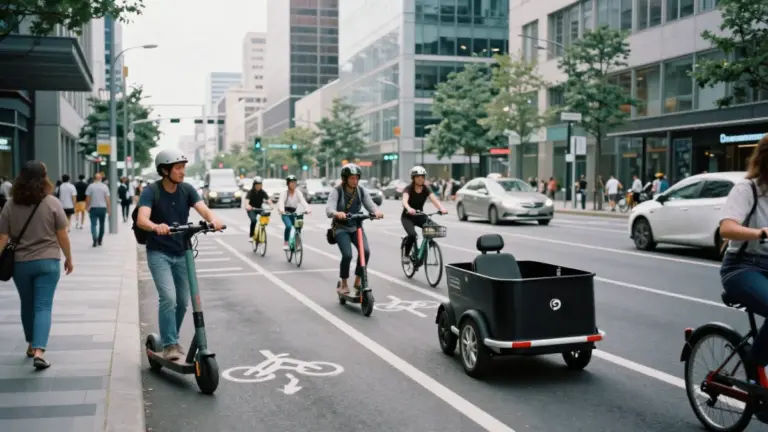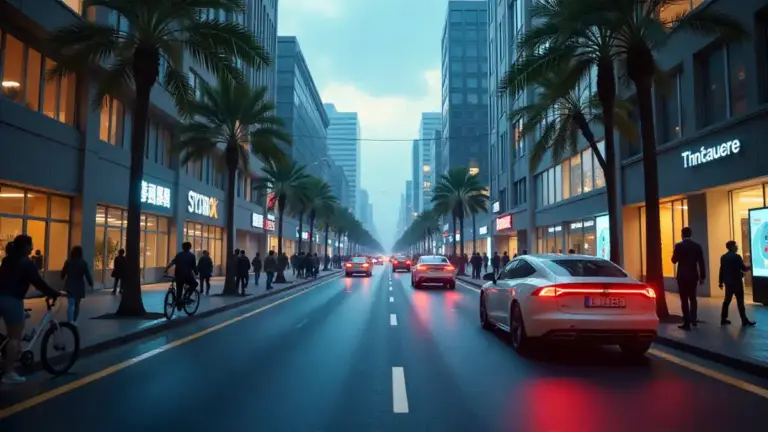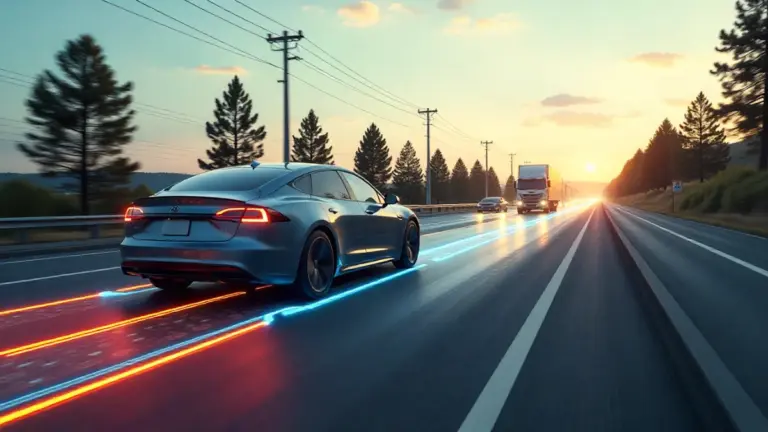
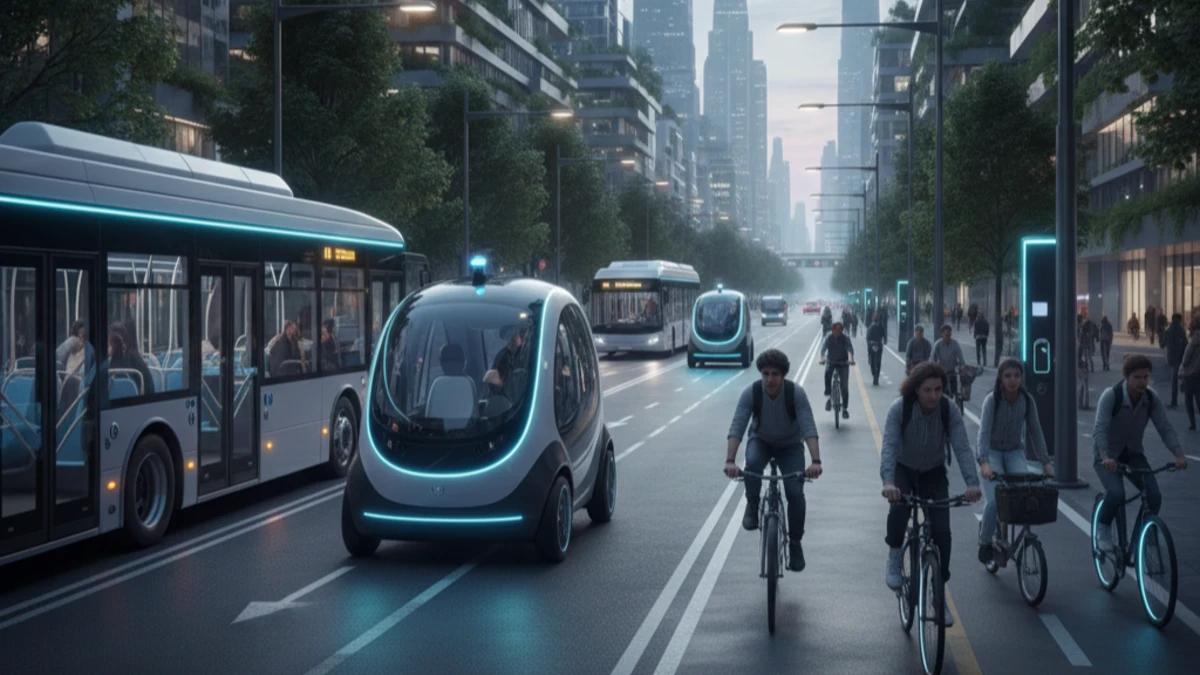
Picture this: It’s 2030, and you’re stepping out of your apartment in downtown Manhattan, Chicago, or San Francisco. Instead of the familiar rumble of diesel buses and honking gas-powered taxis, you hear… almost nothing. The streets hum quietly with electric vehicles gliding past, autonomous shuttles picking up commuters, and e-bikes zipping through protected lanes. The air? Noticeably cleaner than it was just five years ago.
This isn’t science fiction—it’s the trajectory we’re on right now. As someone who’s been tracking the EV revolution and urban mobility trends since the early days, I can tell you that 2030 is going to look radically different from today. But how different, exactly? And more importantly, what does this mean for you—whether you’re a daily commuter, a city planner, or just someone curious about where we’re headed?
In this article, I’ll walk you through the real, data-backed vision of urban transport in 2030. We’ll explore the electric vehicles dominating city streets, the infrastructure making it all possible, the policy shifts driving change, and yes—the challenges we’ll still be working through. By the end, you’ll have a clear picture of what your daily commute might look like in just five years, and how you can prepare for (or even shape) this transformation.
Electric Vehicles Will Dominate City Streets—But Not Just Cars
The EV Takeover Is Already Underway
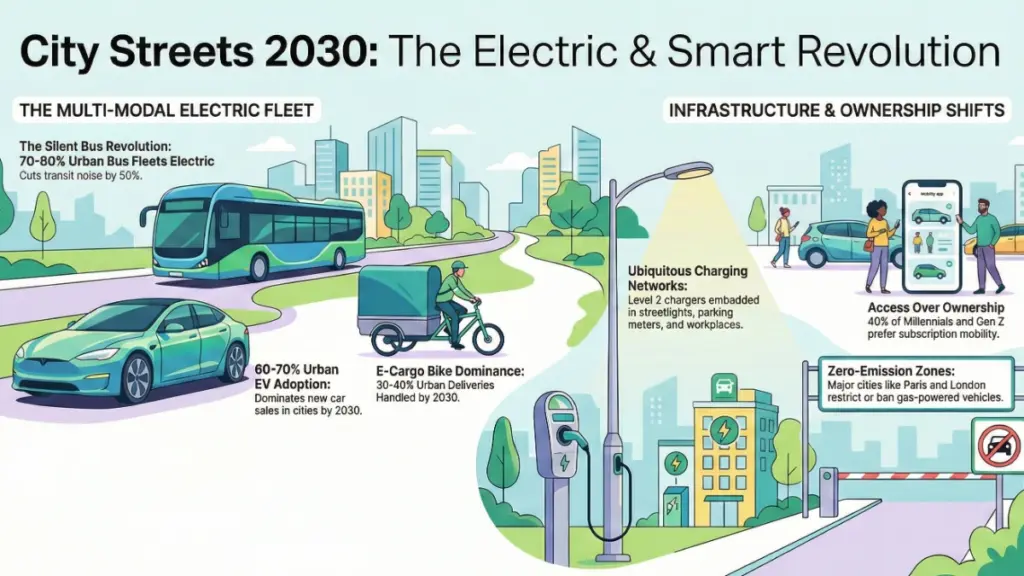
Here’s something that might surprise you: By 2030, electric vehicles are projected to account for 40-50% of new vehicle sales globally, according to the International Energy Agency’s latest forecasts. In urban areas—where regulations are stricter and charging infrastructure is denser—that number could hit 60-70%.
But here’s what’s really interesting: The EV revolution in cities isn’t just about passenger cars anymore. We’re talking about a complete ecosystem transformation:
What You’ll See on City Streets in 2030:
- Electric buses: Already, cities like Shenzhen, China have fully electrified their bus fleets (16,000+ buses). By 2030, expect 70-80% of urban buses in major cities to be electric
- Delivery vans and trucks: Amazon, UPS, and FedEx are committed to 100,000+ electric delivery vehicles by 2030—crucial for reducing urban air pollution
- Ride-sharing fleets: Uber and Lyft plan to transition to 100% EVs in North American and European cities by 2030
- Micro-mobility: E-scooters, e-bikes, and electric cargo bikes will be everywhere, integrated into public transit systems
The shift isn’t just environmental—it’s economic. Cities like Oslo and Amsterdam have already proven that reducing vehicle emissions by 30-40% is achievable when you combine EV adoption with smart urban planning.
The Personal EV Fleet: Smaller, Smarter, Shared
Your neighbor’s garage in 2030 might surprise you. Instead of a bulky SUV, you’re more likely to see:
Compact urban EVs designed specifically for city life—think vehicles like the upcoming Volkswagen ID.2, Renault 5 E-Tech, or Chevrolet Equinox EV. These offer 200-250 miles of range (perfect for urban dwellers who rarely drive more than 30 miles daily), fit into tight parking spots, and cost $25,000-35,000.
But here’s the bigger shift: car ownership itself is changing. In 2030, especially in dense urban cores, many people won’t own cars at all. Instead, they’ll use:
- Subscription-based car sharing (one app for everything from a two-seater for groceries to a van for weekend trips)
- Autonomous ride-hailing (still with safety operators in most cities, but increasingly affordable)
- Multimodal transit passes (one monthly payment covering subway, buses, e-bikes, and occasional car rides)
A 2024 McKinsey study found that 35-40% of urban millennials and Gen Z prefer vehicle access over ownership—and by 2030, the infrastructure will finally catch up to this preference.
Charging Infrastructure: The Invisible Network That Makes It All Work
No More Range Anxiety—If You Live in the Right Place
One of the biggest questions I get is: “But where will everyone charge?” Fair question. Here’s the reality:
By 2030, urban charging infrastructure will be ubiquitous—but unequally distributed.
In progressive cities (think Los Angeles, Seattle, Amsterdam, Copenhagen, Beijing), you’ll find:
Curbside Level 2 Chargers: Embedded in streetlight poles, parking meters, and dedicated spots—allowing overnight charging while parked on the street. Cities like London are already installing 5,000+ per year.
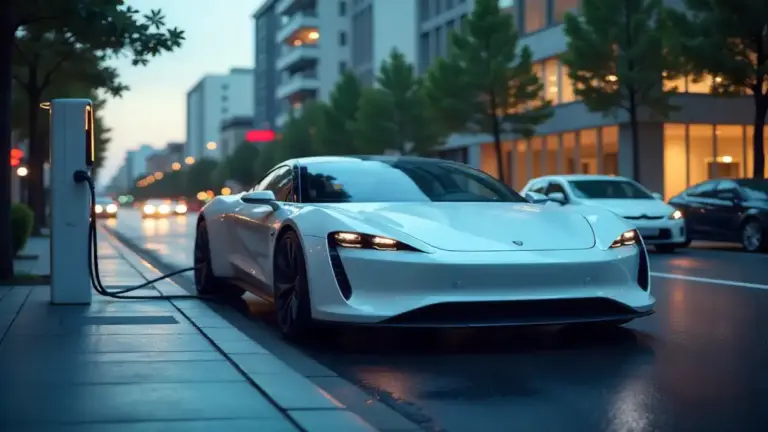
Fast-Charging Hubs: Think of them as the gas stations of the EV era. Companies like Electrify America, EVgo, and ChargePoint are building sites with 10-20 fast chargers (adding 200 miles in 15-20 minutes). By 2030, expect one within a 5-minute drive in any major city.
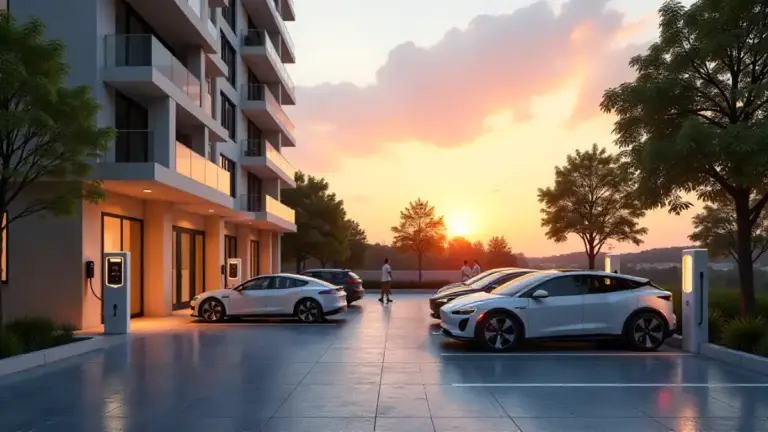
Destination Charging: Every grocery store, shopping mall, office building, and apartment complex will offer charging. California already requires new buildings to be “EV-ready”—other states are following.
Workplace Charging: A 2024 survey found that 60% of major employers plan to offer EV charging by 2028—this will be standard by 2030.
The Apartment Challenge (Still Not Fully Solved)
Let’s be honest: If you live in a rented apartment without dedicated parking, charging in 2030 will be better than today but not perfect. Cities are tackling this through:
- Right-to-charge laws requiring landlords to install chargers when tenants request them
- Public charging rebates making curbside charging as cheap as home charging
- Battery swapping stations (popular in China, slowly coming to the US)
Will it be as convenient as having a home charger? No. But will it be workable? Absolutely—especially as public fast-charging gets faster (some 2025 chargers already deliver 200 miles in 10 minutes).
Public Transit Gets Its Electric Makeover
The Silent Bus Revolution
If you’ve ridden a diesel bus recently, you know the experience: loud, smelly, and not exactly enjoyable. That’s changing fast.
Electric buses in 2030 will be:
- Significantly quieter (reducing urban noise pollution by up to 50% on major transit routes)
- Smoother riding (electric motors eliminate the jerky acceleration of diesel)
- More reliable (fewer moving parts means less maintenance, fewer breakdowns)
- Equipped with amenities (USB charging, Wi-Fi, better air conditioning—possible because electric drivetrains are more efficient)
Cities like Los Angeles have committed to 100% zero-emission bus fleets by 2030. New York’s MTA plans to have 500+ electric buses running by 2030, with full fleet conversion by 2040. The tipping point has already happened in China, where over 400,000 electric buses are already in service.
Light Rail, Trams, and Electric Trains
Here’s something exciting: Many cities are bringing back streetcars and trams—but this time, they’re battery-electric and don’t need overhead wires for every route.
Examples of what’s coming:
- Battery-electric trams in Birmingham, UK and Kaohsiung, Taiwan that can run 15-20 miles between charges
- Hydrogen fuel-cell trains replacing diesel commuter rail (already operating in Germany)
- Expanded metro systems in cities like Delhi, Bangkok, and Riyadh—all electric from day one
The beauty of electric public transit? It creates a positive feedback loop. Better transit → fewer cars → less congestion → faster buses → more people use transit → even fewer cars. Cities like Copenhagen and Amsterdam have already proven this works.
Micro-Mobility: The Last-Mile Solution
E-Bikes and E-Scooters Become Transit Infrastructure
In 2024, e-bikes and e-scooters still feel like a novelty or a tourist thing in many US cities. By 2030? They’ll be as integrated into daily life as subway cards.
Here’s what that looks like:
Protected bike lane networks: Cities are building hundreds of miles of protected lanes. Paris alone plans 180km of new bike routes by 2026. These aren’t just painted lines—they’re physically separated from car traffic.
Docked e-bike systems: Think Citi Bike in NYC, but electric, with stations every 3-4 blocks in urban areas. One monthly pass gets you unlimited 30-minute rides.
E-cargo bikes for deliveries: By 2030, expect to see 30-40% of urban deliveries handled by electric cargo bikes (they’re already dominant in Amsterdam and Copenhagen). They’re faster than vans in congested cities, cheaper to operate, and emit zero pollution.
Integration with transit: Your transit app will seamlessly show you: subway → 5-minute e-bike ride → destination. You’ll pay once for the whole journey.
Why This Matters for You
If you live in a major city, this means your 2030 commute might involve:
- E-bike to the train station (3 minutes)
- Express train downtown (15 minutes)
- E-scooter to your office (4 minutes)
- Total time: 22 minutes, zero emissions, $5 total cost
Compare that to today’s car commute: 35-50 minutes in traffic, $15 parking, plus gas and stress. The economics alone will shift millions of people to micro-mobility + transit combinations.
Autonomous Vehicles: Slower Than Promised, But Coming
The Hype vs. Reality Check
Remember when we were promised fully autonomous robotaxis by 2020? Yeah, that didn’t happen. But by 2030, here’s what will be real in cities:
Level 4 Autonomy in Geo-Fenced Areas: Self-driving vehicles operating without human drivers—but only in specific, mapped zones. Waymo already does this in Phoenix and San Francisco with 300+ vehicles. By 2030, expect this in 20-30 major cities, covering downtown cores and business districts.
Autonomous Shuttles on Fixed Routes: Think airport-to-hotel loops, campus circulators, and business park routes. These are already running in places like Las Vegas and are much easier to scale than full robotaxis.
Driver-Assist Features Everywhere: Every new EV in 2030 will have advanced driver-assistance systems (adaptive cruise control, automatic lane-keeping, self-parking). This makes driving safer and reduces congestion, even if it’s not “autonomous.”
What You Won’t See (Probably)
Despite vendor promises, truly driverless cars available to everyone, everywhere won’t be the norm by 2030. The technology is harder than expected, regulations are slow, and edge cases (construction zones, bad weather, unusual pedestrian behavior) remain challenging.
But here’s what’s realistic: If you live in a major city, you’ll be able to hail an autonomous ride for certain trips—especially late-night rides or short downtown hops. It’ll be 20-30% cheaper than Uber with a human driver, and it’ll feel… mostly normal.
Policy and Regulations Driving the Change
Cities Are Leading, Not Waiting
One of the most important shifts I’ve observed is that cities aren’t waiting for national governments to act. They’re implementing their own aggressive policies:
Zero-Emission Zones: By 2030, dozens of city centers worldwide will restrict or ban internal combustion vehicles:
- London: Ultra Low Emission Zone already covers most of Greater London
- Paris: Plans to ban diesel vehicles by 2025 and gas vehicles by 2030 in central areas
- Beijing: Already restricts license plates for gas vehicles; EVs get preferential treatment
- California cities: Many are considering combustion bans in downtown cores by 2030-2035
EV Mandates and Incentives:
- Parking benefits: Free or discounted parking for EVs (already common in Norway, expanding globally)
- HOV lane access: EVs can use carpool lanes even with one occupant (major time saver)
- Purchase incentives: Federal, state, and local rebates can total $10,000-15,000 for new EVs
- Company car tax breaks: Businesses get significant deductions for EV fleet purchases
Building Codes: New construction in cities like San Francisco, Vancouver, and Seattle must include EV charging infrastructure for a percentage of parking spaces.
The Equity Question
Here’s the uncomfortable truth: The EV transition could widen the gap between rich and poor if we’re not careful.
The risk: Wealthy neighborhoods get abundant charging, clean air, and quiet streets. Low-income areas remain polluted, underserved by transit, and stuck with older, dirtier vehicles.
Solutions being implemented:
- Targeted charging infrastructure in disadvantaged communities (California dedicates 50% of EV infrastructure funds to these areas)
- Used EV subsidies: Programs helping lower-income families buy quality used EVs ($5,000-10,000 rebates)
- Electric transit prioritization in underserved neighborhoods
- Community-based car-sharing programs with electric vehicles
By 2030, the success of urban transport transformation will be measured not just by EV adoption rates, but by whether everyone has access to clean, affordable mobility.
The Challenges We’ll Still Be Working Through
It Won’t All Be Smooth
Let me be realistic about what won’t be solved by 2030:
Grid Capacity and Renewable Energy: Adding millions of EVs to city grids is manageable—if we build enough renewable energy and smart charging infrastructure. Some cities will nail this (California, Nordic countries); others will struggle with rolling blackouts and dirty electricity charging EVs.
Affordability Gap: Yes, EVs are getting cheaper ($25,000-30,000 entry-level models by 2030), but that’s still out of reach for many families. Used EVs will help, but the market needs time to mature.
Charging Inequality: Wealthy homeowners will continue to have the easiest charging experience. Apartment dwellers and street parkers will have more options than today but won’t achieve parity.
Political Resistance: Not every city or country is on board. Some regions will actively resist EV adoption, creating a patchwork landscape where your experience depends heavily on where you live.
Recycling and Disposal: We’re only beginning to figure out large-scale EV battery recycling. By 2030, we’ll have better systems, but it won’t be a closed loop yet.
The Surprising Upsides
On the flip side, some benefits might catch you off guard:
Public Health Improvements: Cities transitioning to EVs are seeing measurable air quality improvements. California’s switch to electric school buses has already reduced childhood asthma rates near schools.
Noise Reduction: Electric vehicles are 40-60% quieter than gas vehicles. In fully electric neighborhoods, residents report better sleep, reduced stress, and more pleasant street environments.
Economic Development: The EV transition is creating hundreds of thousands of jobs in manufacturing, charging infrastructure, and maintenance. Cities that embrace this early are seeing investment flow in.
What You Can Do to Prepare
For Individuals
If You’re Considering an EV:
- Wait for the 2026-2027 models if you can—they’ll have better range, lower prices, and more charging options
- Test your charging situation first: Can you charge at home? At work? Are public chargers nearby? This determines how practical an EV is for you
- Look at used EVs: By 2028-2030, there will be excellent used options from the 2024-2026 boom
- Consider going car-free: If you live in a well-connected city, 2030’s transit + micro-mobility options might eliminate your need for ownership
If You’re Renting or Own Property:
- Ask your landlord about charging: New laws in many states require them to consider it
- Install charging if you own: Property values will increasingly reflect EV-readiness
- Join community pressure groups: Cities respond when residents demand better bike lanes, charging, and transit
For Cities and Policy Makers
- Prioritize equitable access: Don’t just build charging in wealthy neighborhoods
- Invest in transit first: EVs are great, but reducing car dependency altogether is better
- Create car-free zones: Dedicate spaces to walking, biking, and transit only
- Plan for the grid impact: Work with utilities NOW to prepare for 2030 demand
- Support micro-mobility: It’s the cheapest, fastest way to reduce car trips
The Bottom Line: A Quieter, Cleaner, More Connected City Awaits
So what will urban transport really look like in 2030? Here’s my honest take:
It will be a transition, not a revolution. You’ll see a lot more EVs—on the roads, in bus lanes, making deliveries. You’ll notice cleaner air, quieter streets, and more charging stations. Public transit will be more electric, more reliable, and better integrated with bikes and scooters.
But it won’t be a utopia. There will still be traffic (though hopefully less). Not everyone will have equal access. Some cities will be far ahead; others will lag behind. Gas vehicles won’t disappear overnight—they’ll coexist with EVs for years.
The biggest shift will be cultural. By 2030, the question won’t be “Should I consider an EV?” but rather “Why would I choose gas?” For urban dwellers especially, electric mobility—whether you own an EV, use electric transit, or rely on e-bikes—will simply be the default, normal choice.
What excites me most? It’s not just about the technology. It’s about reclaiming our cities for people. Quieter streets mean more outdoor dining, more street life, more livable neighborhoods. Cleaner air means healthier kids. Better transit and micro-mobility mean less time stuck in traffic and more time with family.
The future of urban transport in 2030 isn’t just about swapping one power source for another. It’s about reimagining what our cities can be when we’re no longer held hostage by the internal combustion engine.
And that future? It’s closer than you think.
What’s your vision for urban transport in 2030? Are you excited about EVs, skeptical about autonomous vehicles, or frustrated by the pace of change? I’d love to hear your perspective and what transportation challenges your city needs to solve by decade’s end.